
The Myachik zucchini is an ideal choice for those who value high yields and excellent flavor. This variety is appealing for its low maintenance and ease of cultivation, compact bushes, and quick ripening fruits. It is frost-resistant and has a strong immune system, so it bears fruit in a wide range of climates. Timely care is essential for this crop.
Breeding history
It was created by Russian breeders S. V. Maksimov and N. N. Klimenko. In 2007, the crop was officially approved for use. It is successfully grown in central Russia, the northwest, and the Central Black Earth region.
Description of the variety
The bushes are compact, sparsely branched, and hemispherical in shape. The stems are covered with small leaves with serrated edges. They are pale green in color. The foliage surface is marked with diffuse, light-colored spots.
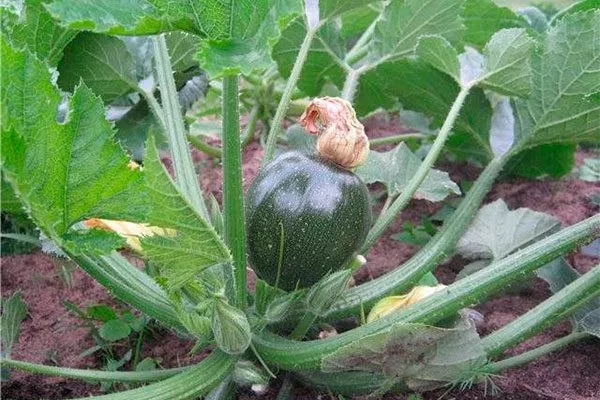
The shoots are shortened and have a distinct fringe, and the central stem is somewhat short. This variety is not prone to becoming dense. During flowering, the bushes produce bright yellow flowers.
Characteristics of the appearance of the plant and fruits
Belongs to the large-fruited variety. The fruits are distinguished by the following characteristics:
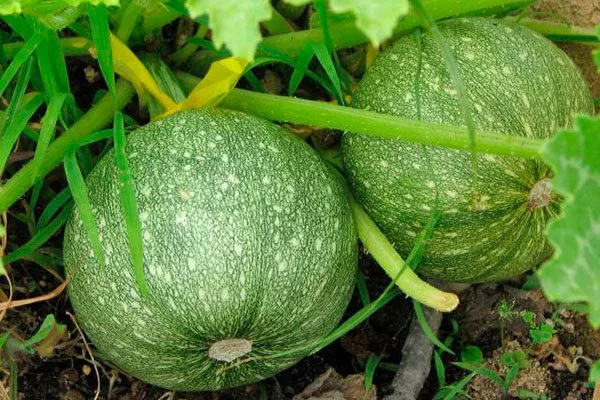
- At the beginning of ripening, the fruits have an oval shape, then become spherical.
- Zucchini weigh from 800 g and more. Some specimens weigh up to 2.1 kg.
- There is noticeable ribbing at the base of the fruit.
- At the initial stage of maturity, the peel is greenish in color, then gradually lightens to a whitish-green hue. Diffuse mottling is present on the surface.
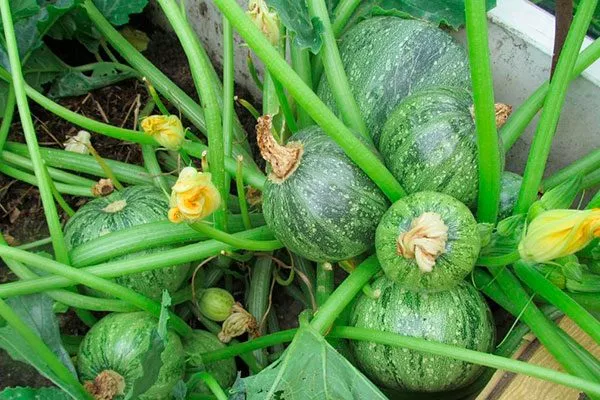
- Sometimes there are specimens with a dark green color and light specks.
- The skin is thin and tender, with a noticeable shine.
- ✓ The presence of diffuse spotting on the surface of the fruit, which is a unique feature of the Myachik variety.
- ✓ Hemispherical configuration of bushes with indistinct branching.
Purpose and taste
Characterized by an excellent flavor. The creamy flesh has a uniform, meaty, and tender texture, free from stringiness, wateriness, and voids. The vegetable's flavor is balanced, with a delicate oiliness and juiciness. Young vegetables are especially aromatic and delicious.
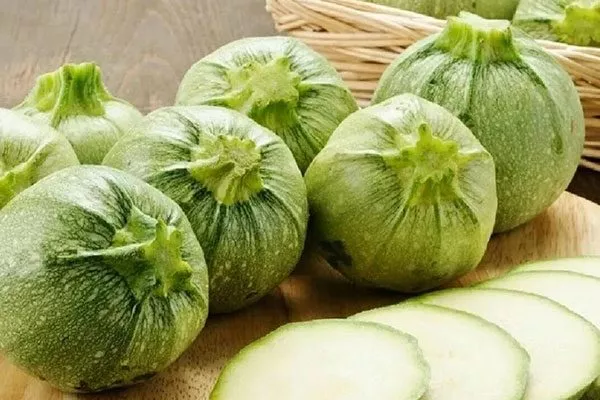
The seeds are small, elliptical, and produced in small quantities. This variety is ideal for home cooking: it can be fried, canned, stewed, and used for stuffing. Because the skin is very tender, the earliest fruits can be cooked without peeling.
Ripening time
The ball zucchini is an early-ripening variety. Its growing season lasts only 50-55 days. A distinctive feature of this cultivar is its continuous fruiting, so the fruits ripen throughout the season.
Productivity
This variety is advertised as high-yielding. When grown in commercial fields, a decent yield can be expected, averaging 374 to 1154 centners per hectare. Proper agricultural practices are essential for achieving good results.
Soil and climate requirements
It has high stress tolerance, allowing it to withstand short-term droughts, rainfall, and minor temperature fluctuations. The plant can adapt to a variety of conditions, but prefers to grow in a comfortable environment that is light, warm, and protected from drafts.
- ✓ Soil pH should be between 6.0-6.8 to ensure optimal nutrient absorption.
- ✓ The soil must have good drainage to avoid water stagnation and root rot.
For optimal growth, choose breathable, loose, and moisture-retentive soils enriched with organic matter and minerals, with a slightly acidic reaction. Among these soils, nutritious loams and sandy loams are the most comfortable.
Growing and care
Organic fertilizers are best applied to the soil in the fall or a few months before planting. Mineral fertilizers should be added to the soil a month before planting.
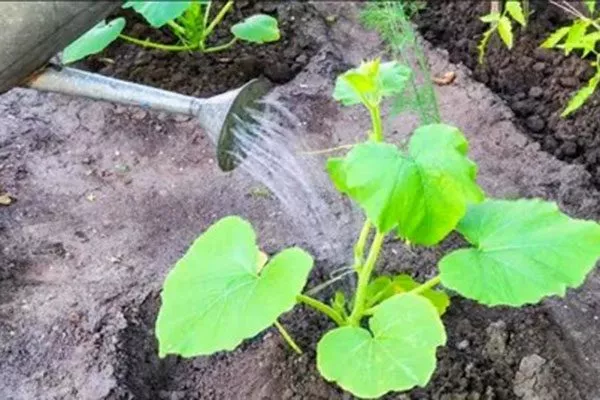
The Myachik zucchini is cultivated in two ways:
- Through seedlings, starting their preparation from the beginning of April.
- Direct sowing of seeds in open ground. From early May until mid-May, plant seeds in holes up to 3 cm deep.
When planting seedlings, avoid damaging the root system by planting them in the bed together with a clod of soil, at intervals of 70x70 cm. Areas where tomatoes, root vegetables, onions, cruciferous crops, and legumes were previously grown are suitable.
Caring for the plant is simple and includes timely watering, fertilizing, weeding, loosening, and mulching the soil. Preventive measures are also important to protect the bushes from infections and pests.
Harvesting Features
Harvested fruits transport well and can be stored for some time. Fruits with stems on keep especially well. Harvest the vegetables regularly, once they reach the desired size. This will help stimulate further fruiting.
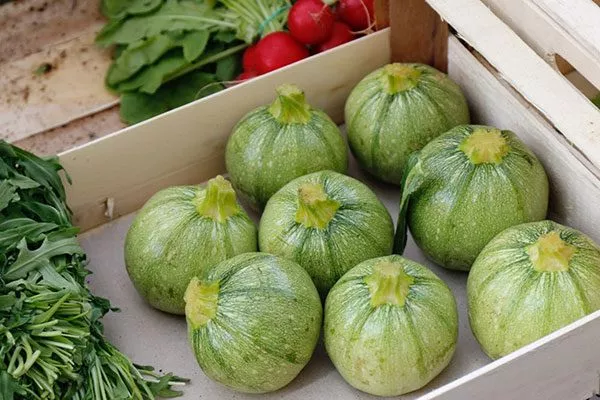
Carefully pick the fruits, avoiding damage or stretching the stems. Harvest in the morning or evening, when the vegetables are not exposed to direct sunlight, to help them retain their freshness.
Store the harvest in a cool, dry place at a temperature of approximately 10-12°C. The fruits can be refrigerated, wrapped in parchment paper or a towel to prevent excess moisture. When stored properly, round zucchini can last for 1-2 weeks.
Resistance to diseases and pests
It has moderate resistance to many diseases and pests. Regularly inspect the bushes for these pests and prevent potential infestations and damage promptly.
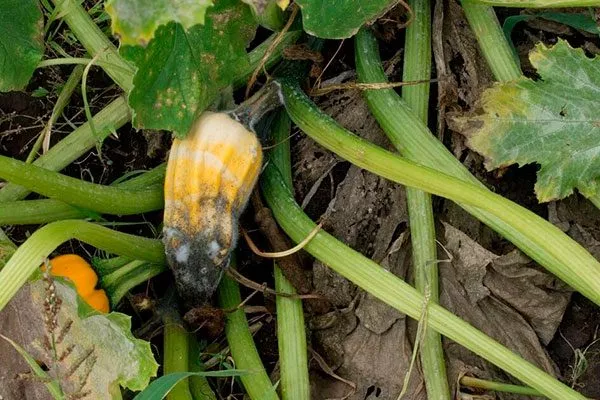
Helpful tips:
- If powdery mildew is detected, treat the plants twice at intervals of 2-3 weeks using colloidal sulfur.
- To combat anthracnose, use Bordeaux mixture, ground sulfur or copper oxychloride.
- Kill spider mites with an infusion of onion, ground pepper, wood ash, and soapy water. Re-spray the plant after 7-10 days.
- Melon aphids cannot stand tobacco dust and yarrow tincture.
- Copper sulphate and lime solutions are effective in controlling slugs.
Advantages and disadvantages
The Myachik variety has many advantages: excellent taste, high yield, undemanding growing conditions, easy care, and cold tolerance. Furthermore, the vegetables have a long shelf life. Gardeners have not identified any obvious drawbacks.
Reviews
The Myachik zucchini is the perfect combination of abundant yield and exquisite flavor. This variety possesses a number of characteristics that make it an attractive grower. With basic agricultural practices, you can produce large quantities of fruit while protecting the plants from diseases and pests.