
The Marcella squash is a new Dutch hybrid, suitable for both open-field and greenhouse cultivation. This foreign variety boasts high marketability, good yields, and excellent flavor, making it a popular choice among Russian gardeners.
History of creation
The Marcella F1 variety was developed by the Dutch company Enza Zaden and approved for cultivation in 2019. The marketability of this "Dutchman" variety is 91-98%. This Dutch-bred zucchini is suitable for cultivation in the Central Black Earth, North Caucasus, Lower Volga, and Ural regions.
This Dutch variety is resistant to diseases and pests, and tolerates both dry periods and cold snaps. It has enviable resistance to fungal and bacterial infections.
- ✓ Resistance to temperature fluctuations: withstands short-term temperature drops down to +5°C.
- ✓ High marketability of fruits: 91-98% of fruits meet quality standards.
Description of the Marcella variety
The Marcella squash grows compactly, without long vines. Its medium-sized, moderately dissected, green leaves are covered with light spots. The surface is slightly ribbed. Its shape is club-shaped (a cylinder widening at one end).
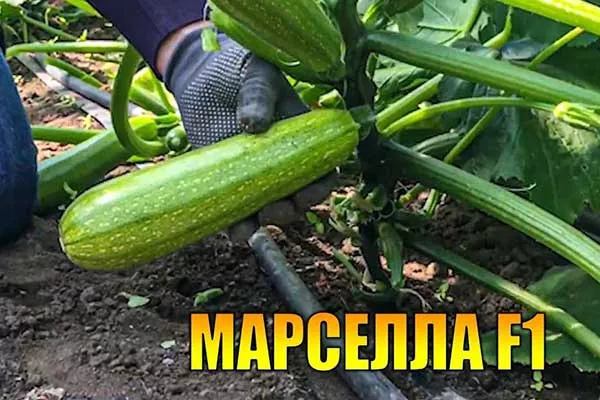
Small zucchini are light green, while mature ones are dark green with fine speckles. Mature zucchini are 20-22 cm long, weighing 0.5-1 kg each. Marsella zucchini have firm, white or cream-colored flesh that is moderately juicy. The seeds are oval, medium-sized, and whitish.
Purpose and taste
This variety has a wonderful flavor and is ideal for culinary dishes. The young pulp can be crumbled into summer vegetable salads, easily replacing cucumbers.
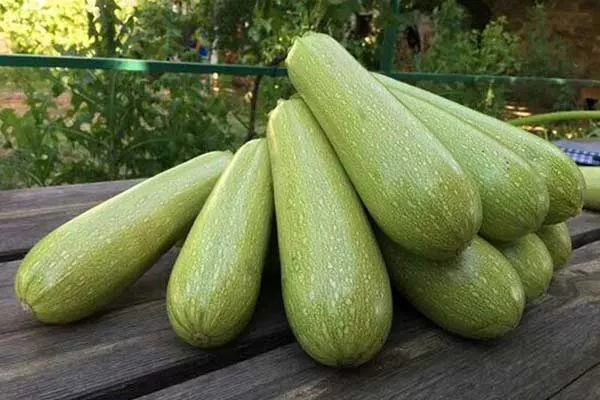
Young and ripe Marcella fruits make excellent squash caviar and appetizers; they can be fried, stewed, battered, added to adjika, or used for canning.
Productivity and ripening time
The Marcella squash is an early, high-yielding variety. A single plant can yield up to 30 fruits per season, with a yield of 7.5 kg per square meter. When grown on a large scale, the yield of this squash ranges from 700-900 centners per hectare. The maximum yield is 1,900 centners per hectare.
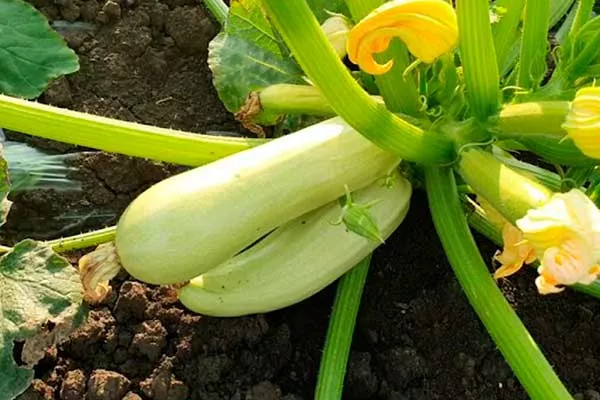
In terms of yield, this Dutch variety surpasses the popular domestic zucchini varieties Belogor and Iskander. The growing season of this early zucchini is 40-50 days.
Pros and cons
When choosing a variety for your garden, consider all its advantages and disadvantages. The Marcella squash has many advantages that may appeal to gardeners.
No shortcomings have been found in this Dutch variety.
Landing features
The Marcella F1 zucchini is suitable for any growing method—from seedlings or by sowing seeds directly into the ground. For seedlings, sow seeds in April, about a month before planting. Planting times vary by region, depending on climate. Seed sowing and seedling planting are done after the weather warms up.
- ✓ Soil pH should be between 6.0-7.5 for optimal zucchini growth.
- ✓ The soil must be well-drained to avoid waterlogging and root rot.
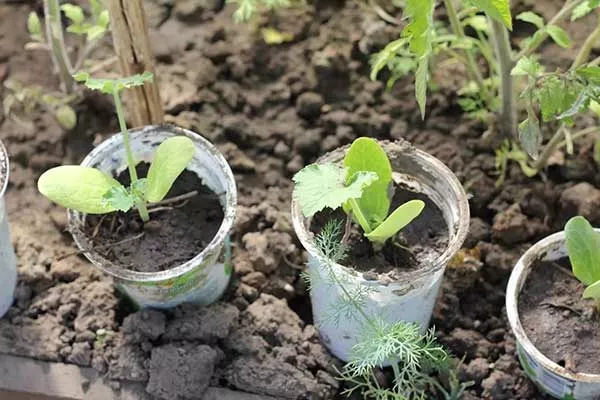
Landing features:
- For planting, find a sunny, open area where zucchini, pumpkins, cucumbers, or melons haven't been grown for at least four years. Zucchini grows best after onions, turnips, beets, carrots, nightshades, and legumes.
- The right time for planting zucchini comes when the soil warms up to +12°C at a depth of 20 cm.
- Crops and planted seedlings are covered with film, as the risk of recurrent frosts remains for some time.
- The seeds are soaked in a weak (pink) solution of potassium permanganate for half an hour—this helps prevent many infectious diseases. It's also helpful to harden the seeds by placing them in the refrigerator for 8-10 hours. Finally, the seeds are germinated in a damp cheesecloth soaked in warm water for 24 hours.
- The soil where zucchini will be grown is fertilized in the fall with organic matter, including compost, rotted manure, and humus. Lime is essential in acidic soils, and wood ash is also beneficial for any soil.
- For planting, dig holes approximately 8 cm deep. Place the seeds 2-3 cm deep. The denser the soil, the shallower the planting depth. Maintain a 60 cm interval between adjacent holes and rows.
The seedlings are planted in holes that have been pre-watered. If the soil is poor and/or hasn't been fertilized since autumn, you can add compost mixed with mineral fertilizer to the holes.
How to care?
The Marcella F1 variety is easy to grow, adapts easily to a wide range of conditions, and can thrive in both hot and cool climates. However, to achieve truly large and high-quality harvests, this Dutch zucchini requires care. The plants need watering, feeding, and, if necessary, treating with appropriate preparations.
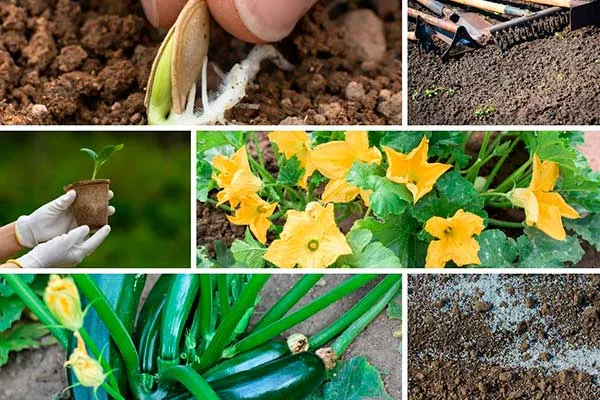
Care features:
- This variety doesn't like overwatering, as it encourages fungal diseases. Water the plant 2-3 times a week, only during the initial growth stage. Subsequently, once a week is sufficient. If the weather is damp, watering is not necessary.
For irrigation, use water heated by the sun, as cold water can promote the development of various diseases. The optimal water temperature is 20°C. - If zucchini grows in fertile, well-fertilized soil, it doesn't require additional feeding. If the soil is poor and low in nutrients, the plants need to be fed a couple of times during the growing season. Before flowering, apply a yeast mixture, and during flowering, apply organic or mineral fertilizers.
- After each watering or rain, the soil is carefully loosened and then mulched. Weeds are removed simultaneously with loosening. Loosening should be done shallowly, otherwise surface roots may be damaged.
How to combat diseases and pests?
Under unfavorable conditions, the Marcella F1 zucchini can be susceptible to various diseases common among vegetable crops. Most commonly, zucchini is affected by powdery mildew, gray mold, anthracnose, and bacterial blight.
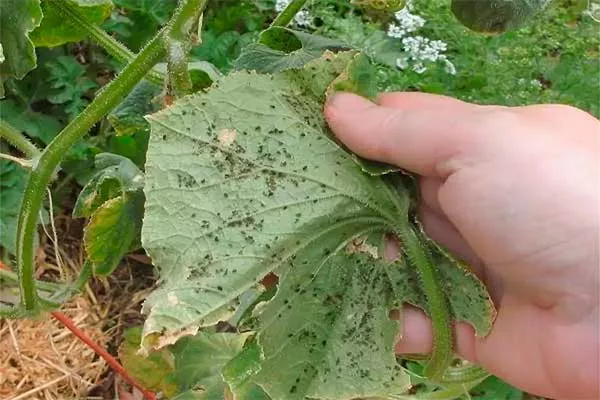
To prevent diseases, week-old seedlings are sprayed with a 1% Bordeaux mixture. When signs of certain diseases appear, the bushes are treated with appropriate fungicides.
Squash plants can be susceptible to insect attacks. Spider mites, melon aphids, whiteflies, and melon flies can be found on them. Insecticides such as Karbofos, Fosfamide, Decis, Metaphos, and others can help control them. However, spraying with such chemicals is not recommended and should be used as a last resort.
Harvesting
Ripening zucchini are harvested every 3-4 days to prevent them from becoming overripe. Younger zucchini are harvested for eating, while fully ripened ones are selected for storage. To ensure proper storage, zucchini are cut with a knife, approximately 5 cm from the stem attachment.
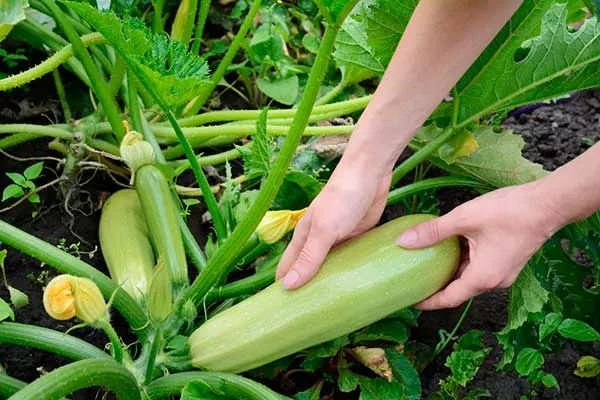
The picked zucchini are dried briefly in the sun, and any dirt is wiped off with a dry cloth. The fruits are placed in boxes or crates, ensuring they do not touch each other. To prevent this, they are interleaved with paper, hay, or sawdust. Store the zucchini in a cool, dark place with low humidity.
Reviews
Today, there are a huge number of different zucchini varieties, but Marcella F1 hasn't been lost among them, deservedly enjoying popularity among gardeners. In addition to its excellent taste, this Dutch hybrid attracts zucchini lovers with its ease of care, disease resistance, and high yield.