
The Malysh zucchini is a reliable choice for any gardener. This popular variety boasts numerous positive characteristics, making it ideal for both open-field and greenhouse cultivation. Proper care and minimal attention are essential for achieving good yields. The plant's immunity depends on this.
History of origin
It was introduced for widespread use in 2017. The cultivar was developed by renowned Russian breeder V.V. Stepanov. Thanks to its good resistance to adverse climatic conditions, the plant can successfully grow throughout the country.
Characteristics of the appearance of the plant and fruits
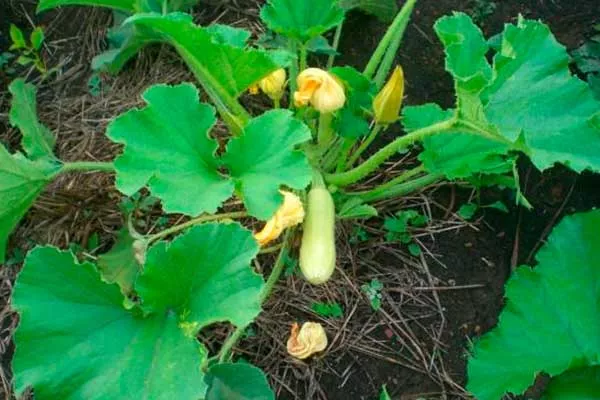
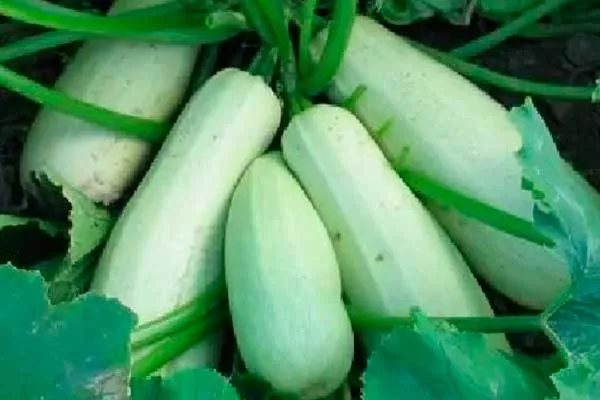
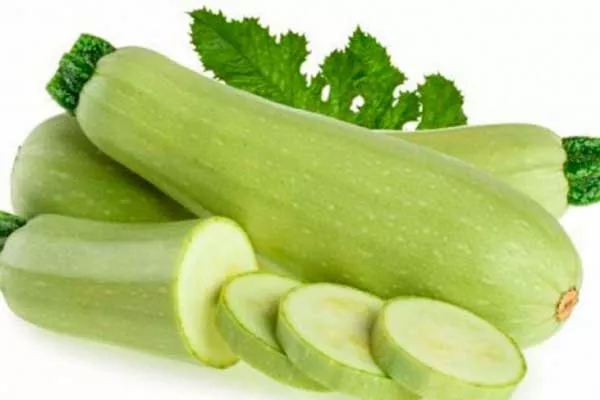
The plant is a bush type. The leaves are moderately sized, light green, without spots or blotches. The fruits are white and elongated, barrel-shaped, gradually tapering toward the stalk. The zucchini grows up to 20 cm in length, and their average weight ranges from 600 g to 1 kg.
Purpose and taste
Highly prized for its excellent flavor and delicate texture, this vegetable is suitable for a variety of cooking methods: frying, stewing, boiling, baking, and stuffing. It is used in stews and caviar. Its small size makes it ideal for canning and pickling.
Fruit harvesting period, yield
It ripens early. From germination to harvest, it takes 38-47 days. Thanks to its cold tolerance, if grown in greenhouses, the first harvest can be obtained as early as April.
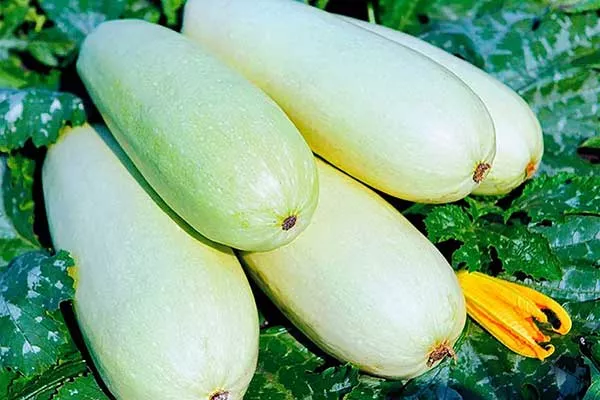
Fruiting is uniform, so ripe fruits need to be harvested regularly to stimulate new ovary formation. The Malysh zucchini is highly productive, yielding an average of 4.8 kg of fruit per square meter.
Soil requirements
The crop has specific soil requirements. These vary slightly depending on whether it's grown from seeds or seedlings.
For sowing seeds
According to the source, light, fertile soils with a low water table are best for successful seed sowing. This variety does not tolerate acidic soils.
For growing seedlings after transplanting
To successfully grow zucchini after transplanting seedlings, the soil must be well-drained to avoid standing water, which can lead to root rot. The soil must be fertile and contain sufficient nutrients to support healthy growth and development.
- ✓ The soil pH level should be strictly in the range of 6 to 7, deviations can lead to a decrease in yield.
- ✓ To prevent root rot, ensure good soil drainage, especially in areas with high rainfall.
Zucchini prefers a neutral to slightly acidic soil pH, typically in the range of 6 to 7. The soil in the area should be loose to allow the roots to easily penetrate deep and develop.
Selecting a site
Choose a location with good sunlight, as this plant thrives in warmth and light. It should receive at least 6-8 hours of sunlight per day. Strong winds can damage the plants, especially during the initial stages of growth. If possible, choose a location protected from drafts.
Planting, growing and transplanting seedlings
The Malysh zucchini can be grown in two ways: from seedlings or by direct sowing in open ground. Using the seedling method allows for an earlier harvest. Seeds can be germinated as early as early March, but they must be pre-treated before planting:
- Disinfect them in a weak solution of potassium permanganate, then rinse thoroughly with clean water and place them in a damp cloth for germination. Malysh seeds have a high germination rate, so the use of growth stimulants is not required.
- Sow the sprouted seeds in individual cups filled with nutritious soil.
- Plant them 2-3 cm deep, water gently, and cover with plastic wrap. Remove the plastic wrap as soon as the seedlings appear.
Seedling care includes regular watering and light monitoring. Sufficient light is essential for successful development. If sunlight is insufficient, supplemental lighting with a lamp can be used.
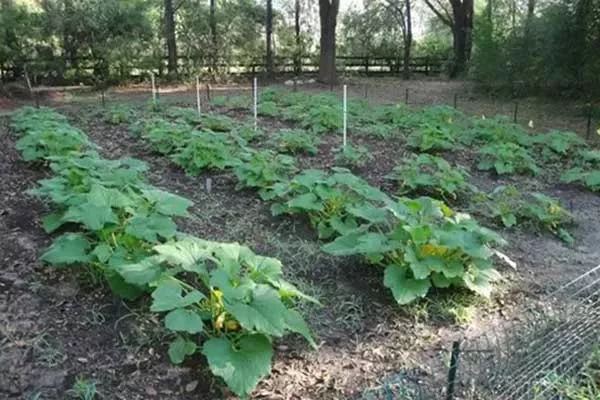
Transplant the seedlings to their permanent location after 2-3 full-fledged leaves appear. They can be planted in a greenhouse in early April, and in open ground after all danger of frost has passed.
Care instructions
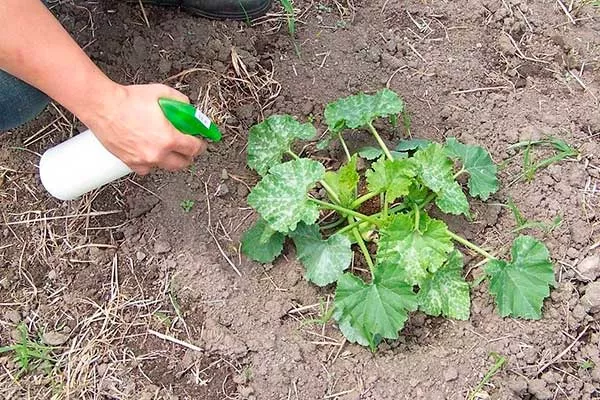
Caring for the crop requires regular watering and fertilization. Follow these important agricultural practices:
- Water regularly, as zucchini thrives on moisture and responds to a lack of it by reducing yield. Use drip irrigation to maintain moderate soil moisture.
- Keep your garden beds clean, as weeds can be a source of disease and attract pests, as well as make the plantings too dense. Weed and loosen the soil regularly.
- Apply fertilizer 2-3 times per season. Apply the first fertilizer with nitrogen fertilizer or a wood ash solution after the seedlings emerge, and the second with superphosphate and potassium nitrate after flowering begins.
Advantages and disadvantages of the variety
The Malysh zucchini is highly cold-resistant and has excellent flavor. Among the advantages of this variety are the following:
The culture is practically free of drawbacks, but to achieve high productivity, regular and proper care is required.
Reviews
The Malysh zucchini requires no special training to grow, making it a popular choice for novice gardeners. Its surprising yield and ease of care make it an ideal choice for those who value reliability and quality. Following the care recommendations will allow any gardener to enjoy a bountiful harvest of this popular vegetable.