
Zucchini is a popular and easy-to-grow vegetable, suitable even for novice gardeners. However, the harvest isn't always satisfying, as inexperienced gardeners, ignorant of ripeness signs and harvest times, often overexpose the fruit. This causes it to become tough and suitable only for animal feed.
How do you know if zucchini is ripe?
When the fruit reaches full maturity, its flavor declines sharply. The flesh becomes fibrous and its moisture content decreases. The skin becomes thicker and rougher.
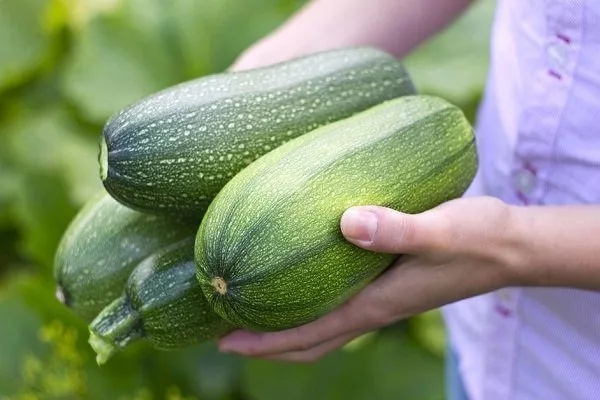
The degree of rind hardening depends on the variety. There are hybrids that reach large sizes, but their seeds remain small and the skin soft.
The main signs that indicate fruit ripeness:
- zucchini acquire a color characteristic of a particular variety;
- the skin becomes glossy and dense;
- a dull sound appears when you tap on the fruit;
- the stalk darkens and becomes woody;
- on the cut you can see a fibrous core with cavities;
- the seeds are covered with a denser shell.
But fully ripened zucchini also has some value. They are used:
- for feeding livestock;
- for long-term storage;
- for preparing winter preserves, since young fruits simply fall apart during canning;
- The seeds of ripe fruits are removed, dried and used as planting material for the next season (hybrid varieties are an exception).
Leaving ripe fruit on the bush is only recommended at the end of the season. The reason is simple: during the peak of fruiting, ripe fruits draw all the nutrients away. As a result, the plant weakens and the number of ovaries decreases.
Zucchini harvesting times
For various dishes, the fruits are harvested when they have reached technical maturity. They are about 15 cm long and approximately 8 cm wide. Zucchini reach this size approximately 18 days after flowering begins.
Young fruits have tender, juicy flesh and a thin skin (which doesn't need to be peeled off during processing). Ripening times vary depending on the specific variety:
- Early ripening. From the day of planting until harvesting the fruits takes approximately 26–40 days.
- Mid-season. The harvest can be collected 44–55 days after sowing.
- Late-ripening. Fruiting begins 60–75 days after sowing.
The timing of fruit harvesting also depends on the region where the zucchini is grown:
- Siberia and the Urals. The first zucchini ripen in July, and harvesting ends in August.
- Moscow region, Central belt. Fruiting begins in late June. Zucchini harvesting continues until mid- to late September (until stable, cool weather sets in).
- Southern regions. Fruit harvesting begins in May, or in July or August if late-ripening varieties are grown.
Only fully ripe fruits can be stored for long periods. Frozen vegetables lose their characteristic flavor and quickly begin to spoil.
Rules for harvesting zucchini
Harvesting is done in the morning or evening to allow the cut to heal before dark. There are also a few rules that must be followed:
- It is not recommended to harvest fruits during the daytime, as they contain a minimum of nutrients and liquid and quickly wither;
- after applying fertilizer or glaze You shouldn't pick vegetables - infection can penetrate into the damaged tissue along with moisture;
- the cut is made with a clean, sharp pruning shears or knife, preferably at a right angle;
- Do not break off the fruits with your hands - this may result in damage to the stem;
- for long-term storage, the fruits are collected at the end of August and until the end of September;
- the entire harvest must be collected before the onset of frost;
- several weeks before harvesting fruits that will be stored for a long time, it is necessary to stop watering;
- When harvesting vegetables, carefully place them on the ground; you cannot throw them away, otherwise they will quickly begin to spoil;
- After harvesting, the zucchini are not washed (this damages the waxy coating that provides protection), and the dirt is carefully removed with a napkin;
- After harvesting, the fruits are laid out in one row on a wooden platform and dried for several hours;
- If the vegetables are to be stored, leave at least 5 cm of stalk (preferably 8 cm).
When to harvest young fruits?
Harvesting begins in early July, as by this time the vegetables have grown to 10 cm in length. To accurately determine harvesting time, you can use flowering as a guide—15–19 days after the first flowers appear.
You can also rely on your own preferences. Since young vegetables are very tender, they are used immediately after harvesting. Therefore, the cook determines the appropriate ripeness and size for a particular culinary masterpiece.
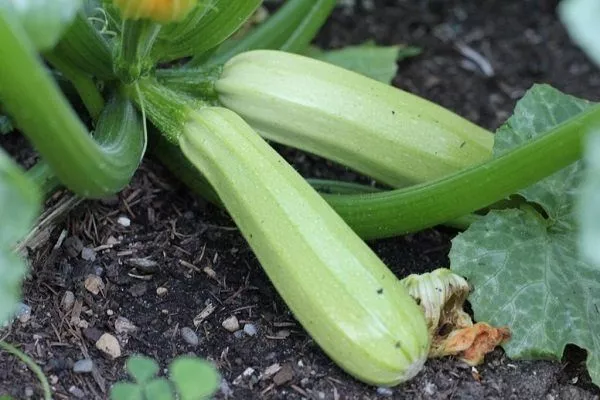
When to harvest ripe zucchini?
Harvesting times are determined by the specific variety. For mid- to late-season vegetables, harvesting should begin in the second half of August and continue until the end of September—approximately 100–120 days after planting.
Why is it important to harvest zucchini regularly?
Young vegetables should be harvested at least once every 5 days. If left untreated, they become overgrown, lose their flavor, and their skin becomes hard.
There's also a risk of reduced crop yields. The risk of disease increases. In the fall, vegetables are harvested every 7-10 days, as fruit production declines during this period.
What to do with zucchini after harvesting?
Young vegetables that have reached consumer maturity can be stored in the refrigerator for some time. At temperatures between 0 and 2°C, the fruits retain their flavor and freshness for about 14 days.
Before storing, vegetables need to be sorted, removing specimens with damaged skin and signs beginning of decay Fruit stalks. Treat the cut area with activated charcoal powder or wood ash.
Vegetables are stored in a cool, dry, well-ventilated area. It's important to keep the air temperature between 4°C and 10°C. The fruits are placed on shelves or racks, separating each row with cardboard to prevent them from touching each other.
- ✓ Maintain air humidity in the storage area at 85-90% to prevent fruit drying out.
- ✓ Ensure good air circulation to avoid condensation and mold.
Zucchini is a crop characterized by abundant and long-lasting fruiting. The vegetable can also be stored fresh for a long time without losing its flavor or nutritional value. However, the vegetables only retain their freshness if harvested within the proper timeframes and conditions.