
Candela squash is a delicious vegetable with a rich nutritional profile. Its disease resistance and ease of care make it a favorite among vegetable growers in our country. The plants will delight you with bountiful harvests and add variety to your daily menu. Proper care and a little attention are essential to boost the plant's immunity and productivity.
Characteristics of the appearance of the plant and fruits
The Candela hybrid zucchini variety was approved for use in 2019. It is successfully grown both outdoors and in greenhouses.
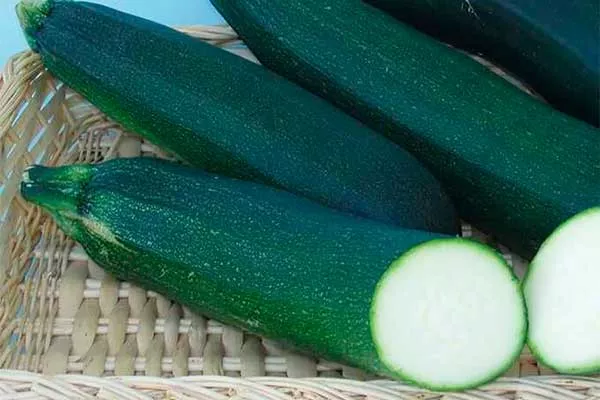
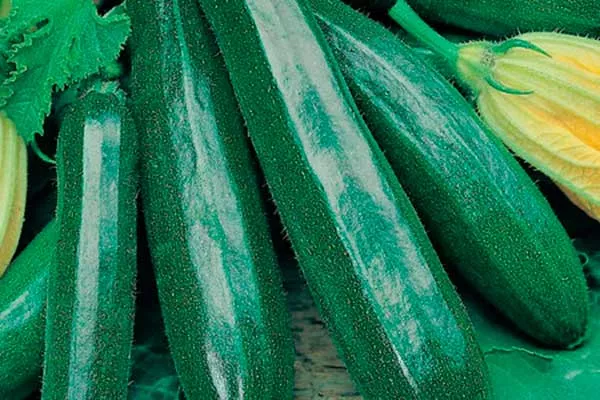
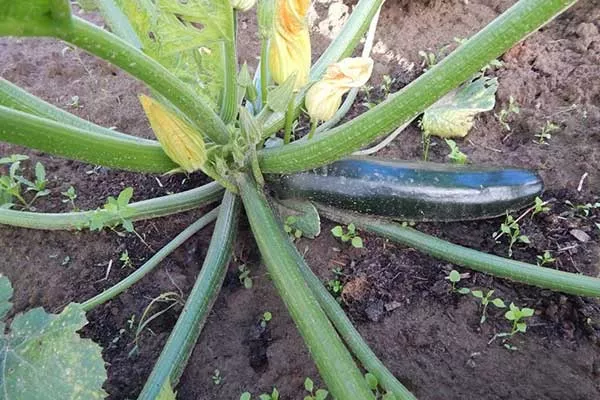
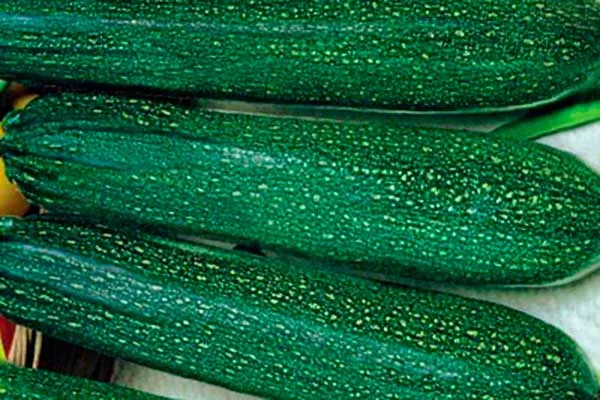
The bush is compact, with medium-sized, dark green leaves, unspotted and distinctly dissected. The fruits are cylindrical, reaching 20-25 cm in length and 7-10 cm in diameter. They weigh between 260 and 340 g. The fruits are dark green in color and have fine spots.

Purpose and taste
Zucchini is a versatile vegetable: it can be used for cooking, canning, freezing, and eating fresh. The fruit has white, tender, juicy flesh of medium density. The flavor is pleasant and the aroma is subtle.
When stored properly (at a temperature of at least +5°C and humidity up to 80%), vegetables can be stored for up to 4 months.
- ✓ Resistance to powdery mildew and other common zucchini diseases.
- ✓ Ability to bear fruit even under unfavorable weather conditions.
Characteristics
Candela is a good choice for gardeners seeking generous harvests of delicious, high-quality vegetables. The variety yields up to 4.8 kg per square meter, and the period from germination to harvest is approximately 40-45 days. The crop has a strong immunity, rarely susceptible to diseases and pests.
This vegetable is rich in vitamins and microelements beneficial for health. It contains vitamins C, A, B vitamins (B1, B2, B6), potassium, magnesium, iron, phosphorus, and calcium. Its high fiber content significantly improves digestion and maintains healthy intestinal flora.
The product is low in calories, making it a popular dietary choice. Potassium promotes healthy heart function and reduces swelling, while vitamin C strengthens the immune system. The antioxidants found in zucchini help fight inflammation and slow the aging process.
Requirements for cultivation
To obtain a bountiful harvest, it's important to follow certain growing guidelines. Plants require minimal but proper care, adequate lighting, and pest control.
Illumination
This southern plant especially needs sun. As the bush grows, the amount of sunlight reaching its center decreases, so to restore adequate light, remove two or three large leaves.
- ✓ Soil pH should be between 6.0-7.5 for optimal growth.
- ✓ The soil must be well-drained to avoid waterlogging and root rot.
Soil
Highly acidic sites with shallow groundwater are not suitable for growing this crop. Light, sandy or loamy soil that warms well throughout the growing season is considered optimal.
Temperature conditions
The optimal temperature for fruit ripening is between 18 and 25°C. Plants can withstand short-term temperature drops to 4°C.
Growing seedlings
Growing plants at home is a process that even a beginner can easily handle. The seeds germinate quickly and require minimal care: just regular watering and good lighting. In a few weeks, the seedlings will be ready for transplanting into the ground.
Lighting
Until seedlings emerge, store the planting material at 25-30°C. Once sprouts appear, remove the cover and move the containers to a cool place with bright but diffused light, such as a glazed balcony or loggia. This will prevent the seedlings from stretching, so ensure adequate lighting.
Soil for sowing
The soil should be light and loose to allow oxygen to reach the roots. Sandy or sandy loam soils enriched with compost or peat create optimal growing conditions. If necessary, add sand or peat to heavy soils to improve drainage.
Sowing seeds
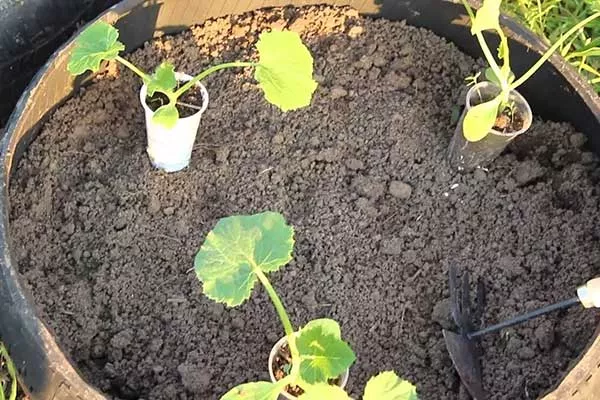
For an early harvest, growing seedlings is recommended. Pre-treat the planting material by soaking the seeds in warm water to encourage germination and germination.
Step-by-step instructions:
- Fill pots with fertile soil, 8-10 cm in diameter.
- Place the seeds deep into the soil.
- Cover the containers with glass or film.
Plant zucchini seedlings 3-4 weeks before planting in open ground.
Hardening
To ensure your pumpkins thrive in their chosen location, begin hardening them off two weeks before planting. Move the plants to the balcony, gradually increasing their time outdoors.
Agricultural technology
The crop's yield directly depends on proper plant care. Following these important recommendations will ensure bountiful harvests and a minimum of damaged plants.
Good and bad predecessors
Grow the crop next to green manure, beans, parsley, broad beans, and peas. Vegetables thrive next to cabbage, potatoes, onions, radishes, turnips, and horseradish.
Transplanting
The correct planting pattern allows zucchini to grow without crowding each other, providing space for roots and air. Here's a step-by-step guide:
- Dig the bed to a depth of 20-25 cm, add humus and mineral fertilizers (for example, superphosphate).
- Bushes require a lot of space, so arrange the plants in a 70x70 cm pattern. This will ensure access to sunlight and free air circulation, which will reduce the risk of disease.
- Dig holes 10-12 cm deep. Add a little humus to each hole, mix it with the soil, and water generously with warm water.
- Place the seedlings in the holes, cover with soil and compact lightly.
- Water the seedlings again and mulch the soil (for example, with peat or sawdust) to retain moisture.

Fertilizers and dressings
The Candela squash variety is a productive and resilient hybrid that requires high-quality care. The main fertilizing steps are as follows:
- When preparing the beds in the fall, add organic fertilizers – humus or compost, 4-5 kg per 1 sq. m. In the spring, additionally add superphosphate (30-40 g per 1 sq. m) and potassium compounds (20-30 g per 1 sq. m).
- 10-14 days after planting or germination, apply nitrogen fertilizer to promote vigorous foliage growth. A solution of mullein (1:10 with water) or chicken manure (1:20 with water) is suitable. Use ammonium nitrate (20 g per 10 liters of water). Apply it to the roots of moist soil.
- During the early flowering phase, plants require phosphorus and potassium. Use complex mineral fertilizers (for example, superphosphate and potassium sulfate at 20-30 g per 10 liters of water) and wood ash (100-150 g per 1 sq. m). These elements stimulate fruit set and enhance flowering.
- During the active fruiting period, add potassium and organic matter to maintain your zucchini yield. A mullein solution, ash infusion (100 g of ash per 10 liters of water), or a phosphorus-potassium fertilizer are all suitable. This type of fertilizer improves the taste of the fruit and prolongs fruiting.
- Zucchini responds well to micronutrient spraying. Use a complex fertilizer with micronutrients (boron, zinc, magnesium) or a yeast infusion (50 g yeast per 10 liters of water) every three weeks to boost growth and disease resistance.
Regular application of organic and mineral fertilizers will support active development and abundant fruiting, increase resistance to adverse conditions, and improve the quality of the harvest.
Watering
Water the bushes regularly, keeping the soil moist but not overwatered. Water every 3-4 days. In hot weather, reduce the interval to every 1-2 days, allowing the top layer of soil to dry out.
Follow these recommendations:
- Zucchini require ample watering, especially during flowering and fruiting. Apply approximately 5-8 liters of water per mature plant at a time to ensure deep root hydration.
- Use only settled, warm water, no colder than 20-22°C. Watering with cold water (such as from a well) can slow growth and weaken plants, especially during cooler periods.
- Pour water at the roots, avoiding the leaves, to minimize the risk of disease. Make furrows or holes around the plant to make the process easier.
- Water in the morning or evening when the sun is not as intense, which helps prevent rapid evaporation of moisture and leaf burns.
Features of watering during growth periods:
- After landing. Before emergence and during the active foliage growth phase, moisten moderately, preventing the soil from drying out.
- During the period of flowering and fruit formation. Strengthen it, as plants especially need moisture at this time.
- At the end of the season. Once the zucchini reaches the desired size, reduce the frequency slightly to prevent excessive water accumulation.
Following these recommendations will help Candela squash grow strong and healthy, reduce the risk of disease, and ensure high yields.
Reviews
Candela is a popular squash variety, attracting attention for its high productivity and excellent taste. Growing it requires little skill, making it ideal for both experienced and novice gardeners. The key is to learn its key characteristics, benefits, and care recommendations.