
The Hugo zucchini is a popular variety among gardeners in our country. Its weather resistance and high yield make it an ideal choice for outdoor cultivation. Proper care ensures not only abundant harvests and a strong immune system, but also high-quality fruits with excellent flavor.
Description of the Hugo F1 zucchini variety
This bush hybrid was created by experienced breeder V. I. Blokin-Mechtalin and has gained recognition for its outstanding qualities. The plant was initially adapted to grow in a variety of climates. After successfully passing all tests, it was added to the State Register in 2020.
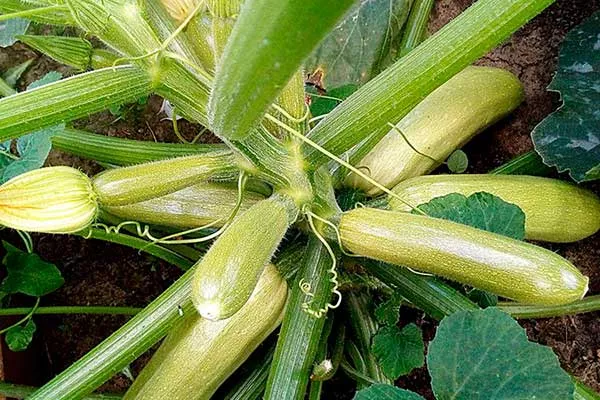
Distinctive features
Hugo, as a parthenocarpic hybrid, is self-pollinating, eliminating the need for insects to produce fruit. This significantly increases yields, especially in conditions where weather can interfere with bee activity in the garden beds.
Other cultural features:
- Thanks to short internodes, this hybrid promotes the formation of a greater number of ovaries on the bush.
- It is an early maturing variety of zucchini.
- The fruits have a standard appearance, which corresponds to the generally accepted ideas about zucchini.
- The variety is resistant to deviations from standard temperature conditions, which allows the plants to successfully tolerate both heat and cold.
With proper care, it can continue to bear fruit even until the first frost.
Plant characteristics
This bushy plant is characterized by its small plantings and shortened internodes. The bushes have reduced foliage. The leaf blades are medium-sized, green, and distinctly dissected. Petioles can reach 25-35 cm in length and are not prone to thickening.
Fruits and their taste qualities
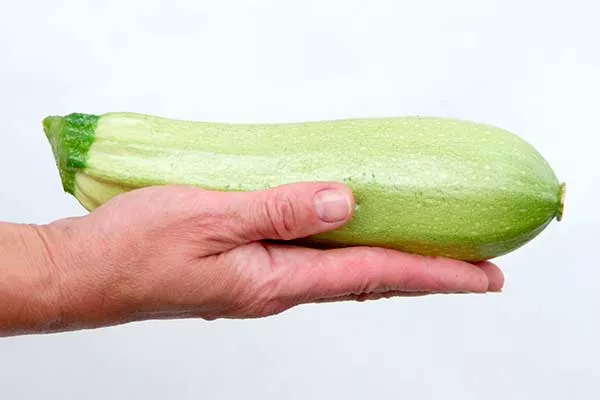
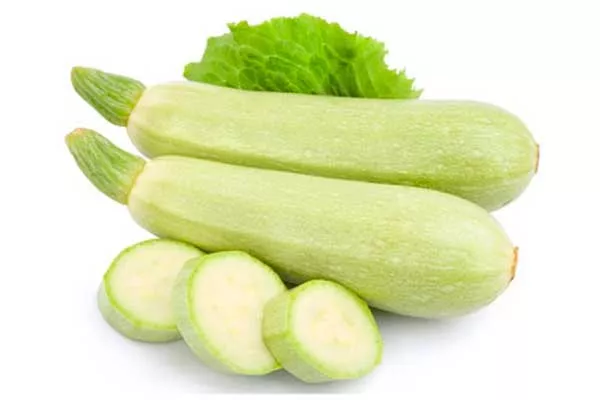
The fruits are characterized by a cylindrical shape. They are quite long, reaching up to 20 cm. They have the following characteristics:
- When ripe, the weight can reach 500-700 g. Larger specimens are rare.
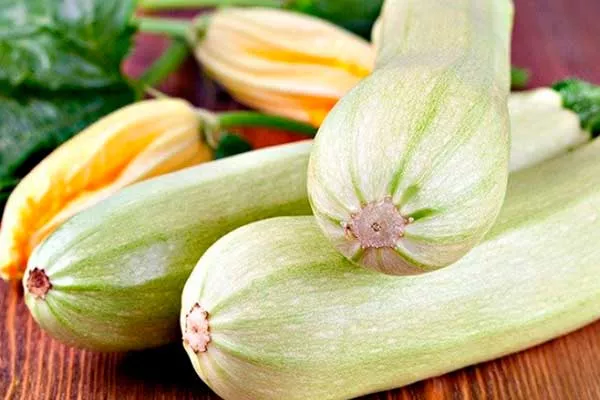
- The peel is light green in color, with fine dots and slight ribbing on the surface.
- The flesh of ripe zucchini is light green, moderately dense, but at the same time tender and juicy.
- The seeds are large, elliptical in shape, and cream-colored.
Ripening and yield
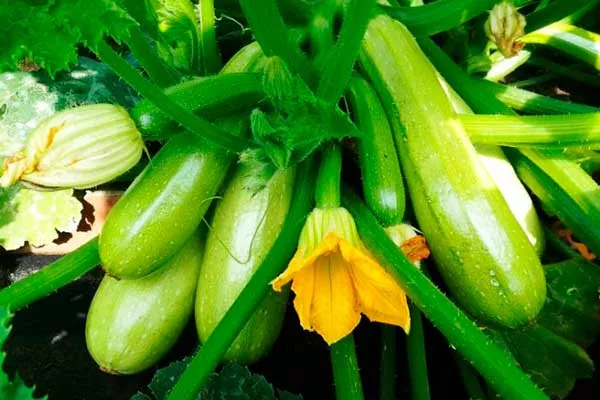
This hybrid cultivar is distinguished by the early ripening of its delicious fruits. Typically, no more than 40 days pass from germination to harvest. Fruiting continues until the first frost.
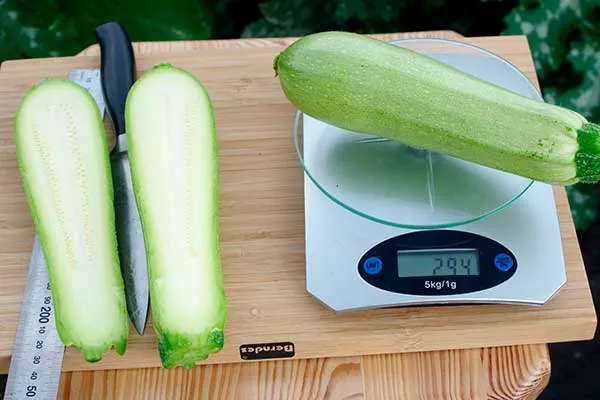
The yield is quite high. When grown in private gardens, you can expect yields of 10.3-12.2 kg per square meter. Under favorable conditions and proper care, the yield can be higher.
Resistance to diseases and pests
It stands out for its high resistance to common diseases. It resists fungal and bacterial infections. This feature significantly increases the chances of plant survival if treatment is necessary.
Application of fruits
The pulp has excellent taste and is suitable for various cooking methods: frying, boiling, steaming, baking, pickling, canning and freezing.
Vegetables are easily digestible and possess numerous beneficial properties, making them recommended for inclusion in the diet of children aged 6 months and older. Zucchini is popular in cosmetology, where it is used to make rejuvenating skin masks.
In folk medicine, seeds are used to combat helminth infestations, calm the nervous system, and treat diabetes and gout. The favorable financial prospects of the zucchini business are due to the low costs of growing this crop.
Recommendations for growing zucchini
Zucchini grows fairly quickly and doesn't require much attention from the gardener. However, there are certain recommendations for growing this crop, as improper cultivation can reduce yield and fruit quality.
Seedling method
The crop is grown from seedlings. This method is considered the most productive. Hardened and mature plants are planted in open ground, which significantly increases seed germination. Young plants do not transplant well, so sowing in a common container is not recommended.
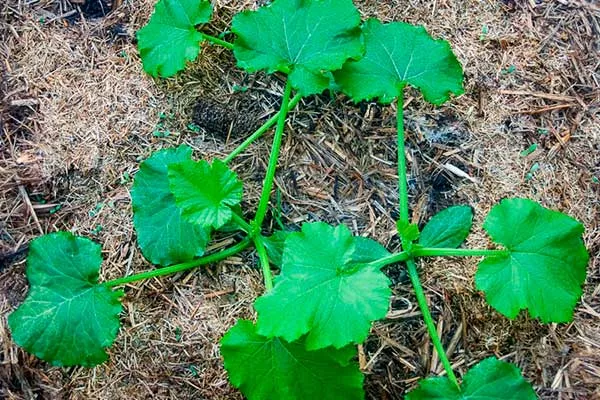
Plant the seeds 5 cm deep in moist soil using a special seedling compost. The optimal watering frequency is twice a week, preferably using a spray bottle to prevent soil accumulation and prevent the seeds from being washed away.
Sowing seeds in open ground
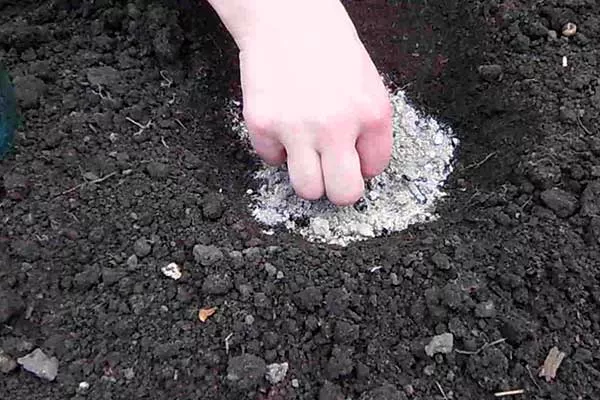
Zucchini seeds can be safely planted directly in the garden, provided the soil is warm enough (at least 15°C). Onions, garlic, carrots, or tomatoes can be used as predecessors for this crop. It's best not to plant zucchini after cucumbers and pumpkins.
- ✓ The optimal soil temperature for sowing seeds should be at least +15°C, which is not mentioned in the article.
- ✓ The depth of sowing seeds in open ground should be 5 cm, which is critical for their germination.
Features of plant care
Hybrid zucchini isn't prone to excessive growth, so it doesn't need staking. The plants require regular and proper care:
- Water the bushes infrequently but thoroughly. During hot weather, you can increase the frequency. After watering or rain, carefully loosen the soil around the bushes.
- Loosening the soil is an important procedure that ensures oxygen and moisture reach the plant roots. Loosen the soil carefully to avoid damaging the roots.
- Apply fertilizer 3 times per season: at the beginning of the growing season, during flowering and ovary formation, and during the fruiting period.
Harvesting and storage
It's important to harvest the crop promptly. Plants with overripe zucchini plants devote their energy to seed ripening, which can hinder the formation of new ovaries and cause existing ones to fall off. The more vigorously the zucchini are harvested, the more ovaries will form.
Follow these recommendations:
- Cut the fruits with a sharp tool, as breaking them off can cause infections.
- The degree of ripeness can be determined by tapping: ripe fruits make a dull sound.
- Dry, cool and well-ventilated areas such as basements, cellars or pantries are suitable for storing zucchini.
- Place the fruit on a layer of straw, hay, or paper so they don't touch each other. Under these conditions, zucchini can be stored for up to six months.
Zucchini can be stored in the refrigerator for several weeks, especially in the special compartments for vegetables.
Advantages and disadvantages of the variety
Hugo is rightly considered the benchmark among zucchini due to its numerous varietal characteristics. This variety boasts the following advantages:
- Early maturity. Fruiting begins just 2 months after sowing the seeds, making it one of the fastest growing varieties.
- High yield. Thanks to a combination of unique qualities such as self-pollination, 100% fruit set, short internodes and a long fruiting period, the bushes provide impressive harvest results.
- Easy to grow. This zucchini variety is easy to grow both in greenhouses and open garden beds. It requires little maintenance and is highly resistant to adverse weather conditions and various diseases.
- Compactness. It belongs to the bush varieties, so it takes up less space in the garden bed, which makes it an ideal choice for gardeners with limited space.
- Universal application. The fruits are suitable for all types of cooking and have a long shelf life.
Reviews from gardeners
The Hugo zucchini is one of the most promising varieties for growing in your own garden. With its many positive varietal characteristics, it's an attractive choice even for novice growers: from its resistance to adverse weather conditions to its ease of care, this hybrid promises abundant harvests with proper care.