
Zucchini can be stored successfully for several months, but this only applies to certain varieties. Proper harvesting and preparation are essential for long-term storage. There are different storage options for zucchini, each with its own unique considerations.
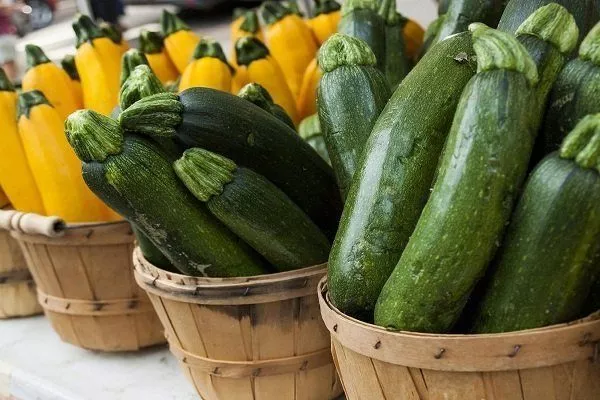
Zucchini varieties suitable for long-term storage
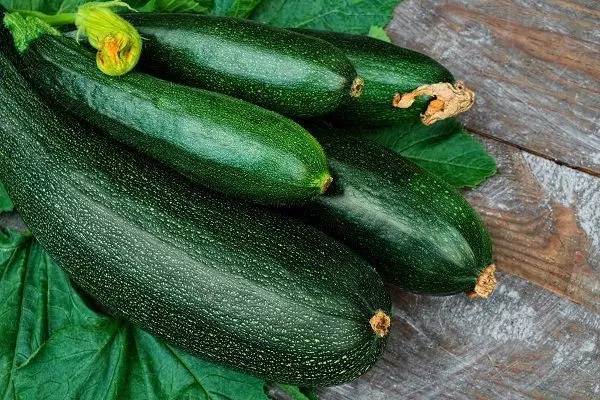
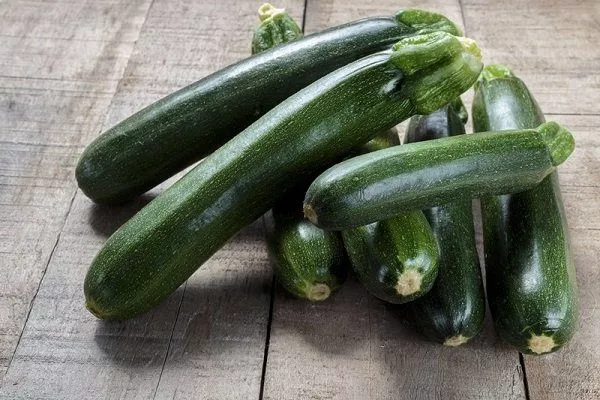
Choosing the right variety is crucial for long-term storage. Good shelf life requires a dense skin and a small number of small seeds. The following varieties meet these requirements:
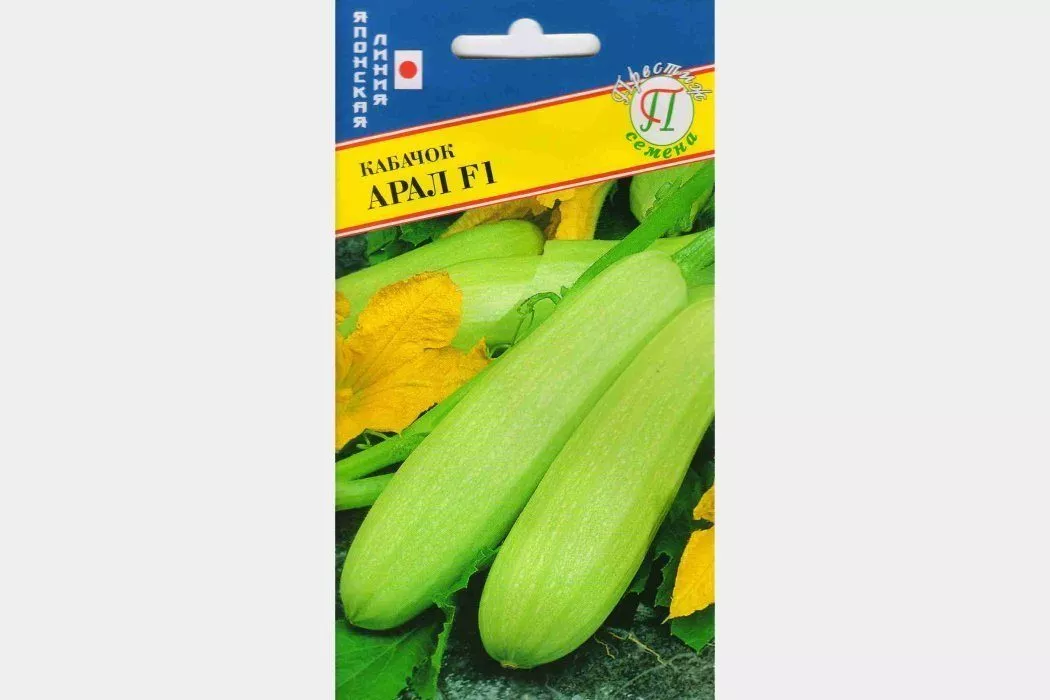
- AralA hybrid variety, ripening very early in 35-40 days. Fruits weigh up to 0.8 kg. Very high yield – up to 22 kg per square meter. The fruits are cylindrical, pale green, with slightly defined ribs. The length of the fruits is 15-20 cm, the flesh is dense and tender, and the seeds are large.

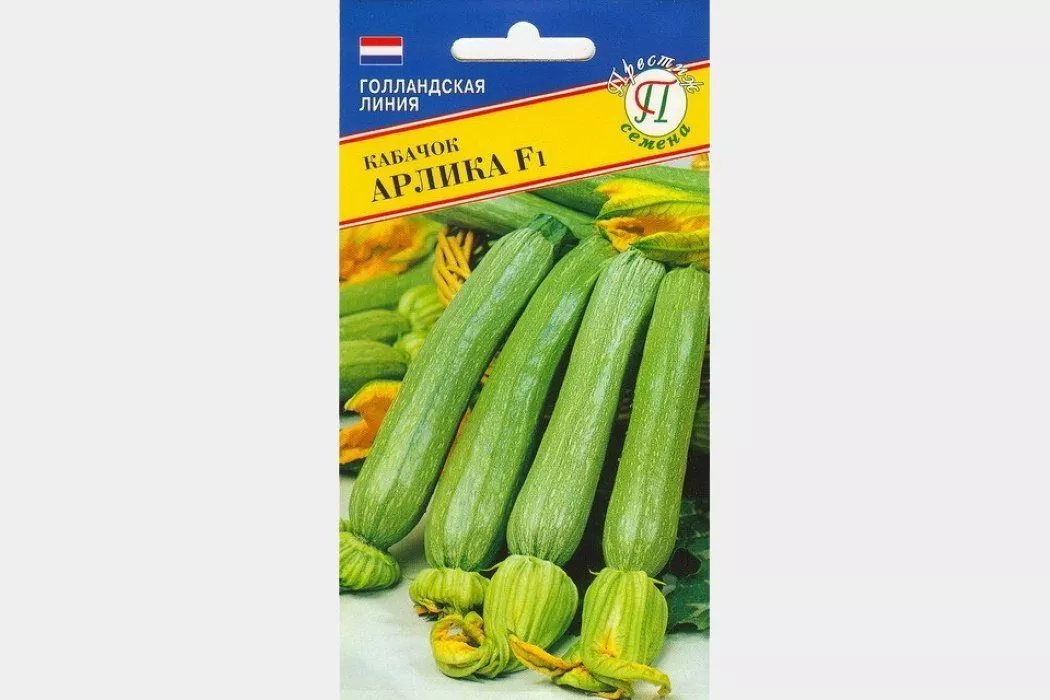
- ArlikaA Dutch variety with an average ripening time of 50-65 days. Fruits grow to 15-17 cm, weighing 0.8 kg, and have light green skin with a dark net. The flesh is juicy but slightly loose. Yields up to 6 kg per square meter.
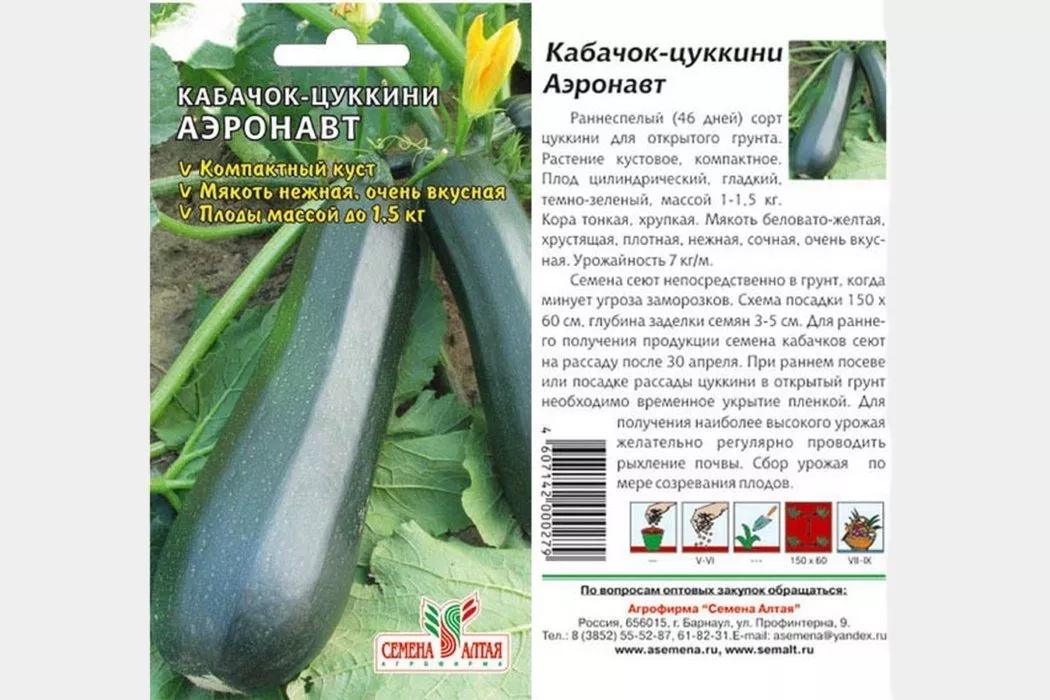
- AeronautThis zucchini squash ripens early, taking 45 days. The fruits grow to about 15-20 cm in length and weigh up to 1.5 kg. This variety has a high yield – up to 7 kg per square meter. The fruits can be stored for 4 months.
- Gribovsky 37An easy-to-grow hybrid with an average ripening time of 45-55 days. Light-skinned, the fruits grow to 17 cm, and average 1 kg in weight. This variety yields up to 9 kg per square meter.
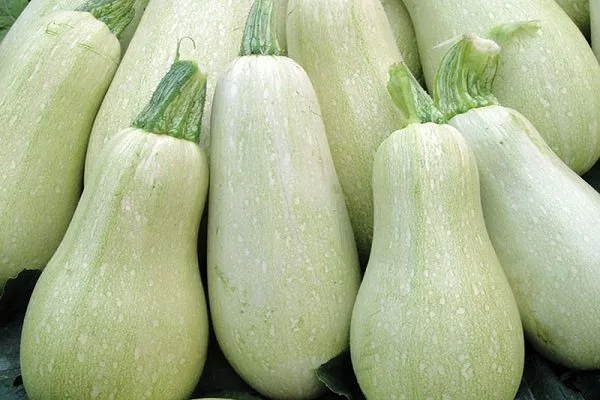
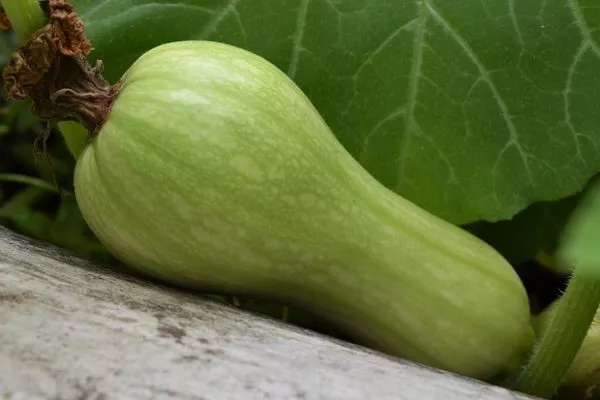
- Pear-shapedThe variety's name derives from its shape—the fruits thicken toward the base. The skin is pale yellow, and the fruit weighs up to 1.4 kg. Ripening takes 50 days, yielding up to 9 kg per square meter. The flesh is juicy and aromatic, orange in color. The skin is very dense, allowing the fruits to have a long shelf life.
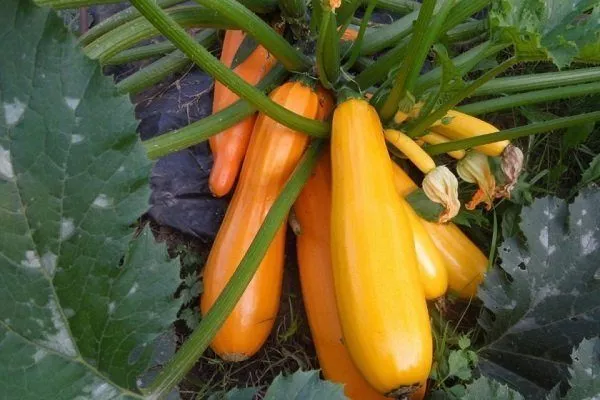
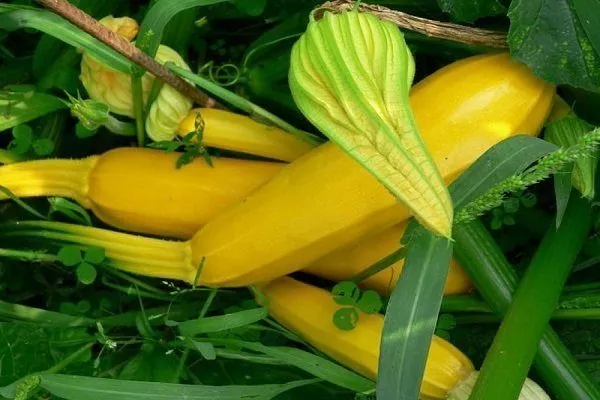
- Yellow-fruitedA domestic variety, ripening early—in 45 days. The sunny yellow fruits with a saffron mesh resemble bananas, growing up to 20 cm tall and averaging 1 kg in weight. This variety yields up to 18 kg per square meter.
- Golden CupA hybrid bush variety with early ripening. A single bush produces 5-6 fruits at a time, each 16-20 cm long and weighing 1 kg. The harvest stores well until February.
- MarquiseA hybrid variety, ripening early – 40-45 days. The fruits are dark green with white flesh, growing up to 45 cm, and averaging 3.5 kg. One square meter can yield up to 11 kg. The variety is resistant to temperature fluctuations and is excellent for transportation.
- Little black boyA hybrid variety, ripening early—in 40 days. The fruits are dark green, possibly with small whitish spots. The flesh is greenish-white, and the average fruit weight is 1 kg. The yield is large, up to 18 kg per square meter.
- TristanA hybrid zucchini-squash variety, ripening extremely early – in 35 days. The fruits have smooth, dark green skin and delicate white flesh, are 25-30 cm long, and average weight is 1 kg. One square meter of planting yields up to 15 kg of zucchini.
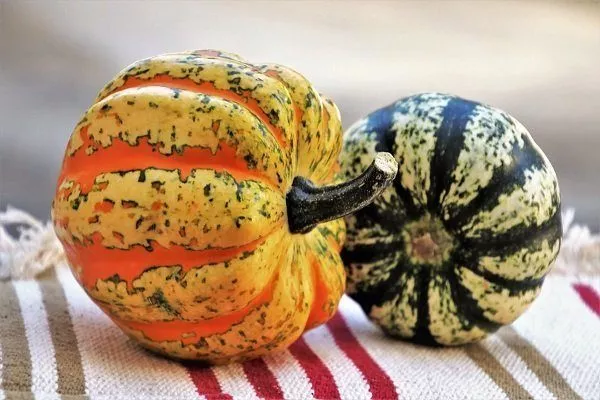
- FestivalAn unusual variety, the rounded fruits resemble pumpkins. The coloring features alternating stripes of different colors: greenish, bright yellow, whitish, almost black. The fruits weigh 0.5 kg, and the yield is average – up to 6 kg per square meter. Excellent shelf life – the harvest lasts up to 10 months.
- AnchorA hybrid variety, it ripens in 40 days. The fruits are pale yellow, with the same flesh, and average weight of 1 kg. The yield is good, up to 12 kg per square meter.
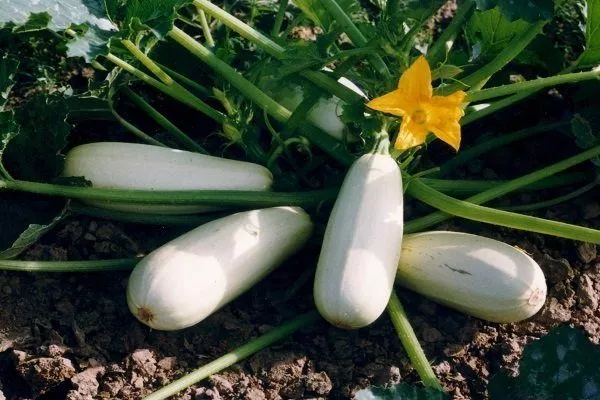
- ✓ The peel density must be sufficient to prevent mechanical damage during storage.
- ✓ The volume of seeds inside the fruit should be minimal, as large seeds can accelerate the rotting process.
It's important to consider not only the zucchini yield, fruit size, and shelf life, but also the specific growing conditions. This includes recommended regions and growing conditions.
Preparing vegetables for storage
To maximize shelf life, proper preparation is required. The following points are important:
- Carrying out harvesting work before frostFrozen zucchini loses its flavor and shelf life.
- The fruits should be cut from the bush with a sharp knife, leaving 5-7 cm of stalk.Do not pull the zucchini or twist the stems—all of this will affect the shelf life.
- Cuts on the stems pose a risk of rot and diseaseThis can be avoided by treating the zucchini before storing it. Sifted wood ash, crushed chalk, crushed activated charcoal, liquid wax, or paraffin are all suitable for this purpose.
- The fruits should be carefully cleaned of soil and left in the sun.Do not wash. If necessary, remove dirt with a slightly damp cloth.
- Crop cullingOnly healthy fruit is suitable for storage; no signs of disease or pest damage are acceptable. The shape of the zucchini should correspond to the variety description and be of medium size. Overripe fruit is not suitable for storage.
Severe stem pruning can reduce the shelf life of zucchini. The same applies to mechanical damage.
Storage conditions
Regardless of the chosen method, zucchini should be stored under the following conditions:
- darkness and coolness;
- the optimal temperature is 0-10 degrees, temperatures up to 20-22 degrees are allowed;
- humidity level – up to 75%;
- the fruits should not touch each other - this will improve shelf life and reduce the risk of spreading diseases and spoilage;
- You cannot pack zucchini in film or plastic bags;
- There should be no heat sources nearby.
- ✓ The storage temperature must be stable, without sudden changes, to avoid moisture condensation on the fruit.
- ✓ Humidity in the room should be controlled and not exceed 75% to prevent the development of fungal diseases.
During long-term storage, zucchini should be inspected regularly. At the first sign of rot, any spoiled specimens should be discarded immediately. The storage area should be disinfected.
Methods and periods of storage of zucchini
There are several options for preserving zucchini crops. In addition to the method used, the variety and storage conditions also influence shelf life.
Basement or cellar
This option is optimal due to its darkness and coolness. Ventilation is essential for storing any vegetables. If it's absent, constant ventilation is required.
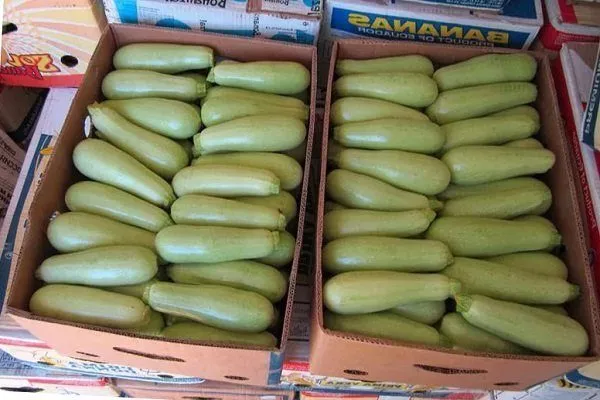
The harvest can be preserved in different ways:
- Crates (wood) or cardboard boxesThe fruit should be in a single layer. It's important to keep the distance between them; partitions can be used. Sprinkling the fruit with fine material, such as sand, sawdust, or pieces of newspaper or newsprint, is effective.
- Shelves, pallets or floor, if it's not too cold. In this case, the zucchini should be stored on dry straw. Place them in a single layer, keeping an eye on the spacing.
- HangingTo do this, use strong threads, tying them around the stems. You can tie the fruits in pairs by the stems if they are not too large. Hang them on crossbars, rope, or wire. They should not touch each other or be attached to anything.
- Hanging in nets, nylon stockingsPlace each fruit individually without contact with each other or any surfaces.
In a cellar or basement, a zucchini harvest will last up to 5 months. Longer storage periods can cause the skin to harden and the seeds to sprout. The flesh will become cottony in consistency, and the taste will become bitter.
Home storage
Zucchini can be stored indoors for a long time, but keep away from radiators, heaters, or other heating appliances. If possible, store them near a balcony door or on a glassed-in balcony.
The space under furniture is suitable for storing the harvest, unless the floors are heated. To preserve the fruit, wrap it individually in soft paper.
At home, zucchini will keep well for 1-1.5 months, and especially the best-storing varieties will last 2-3 months. Storing the harvest longer is not recommended, even if it looks good. The skin will harden and the flesh will lose its flavor.
Fridge
For storage, it's best to use paper bags with a few holes punched in them. Wrap each fruit individually and place it in a vegetable drawer.
Zucchini will keep in the refrigerator for up to 3 months. This option is also suitable for smaller, thin-skinned zucchini, but they will only last 2-3 weeks.
Freezer
Zucchini stored this way can be used for boiling and stewing. Preparation is simple:
- Wash the selected fruits and dry them.
- If the skin is thick, remove it.
- Cut the zucchini into rings, half rings, cubes, or strips. You can also grate the fruit.
- Place the prepared ingredients in one layer and place in the quick-freeze compartment.
- Place frozen raw materials in portions into bags or special containers.
Frozen zucchini should be removed only when preparing the dish. Thaw them as desired. Do not refreeze the mixture.
Frozen zucchini can be stored for up to 9 months.
You can also learn about ways to freeze zucchini from this video:
Drying zucchini
This method of harvesting the fruit yields a richer flavor and preserves all its beneficial properties. The fruit should first be washed, peeled, and thinly sliced using a convenient method. Remove the seeds.
You can dry zucchini like this:
- Natural dryingThe process takes several days. Spread the raw materials in a single layer on paper or cloth and dry in the sun. Turn the pieces every four hours.
- OvenSpread the ingredients in a single layer on a baking sheet and dry at 50-55 degrees for 6-8 hours, with the door slightly open.
- Electric dryerThe drying time depends on the model of the dryer; drying takes 2-3 hours. Follow the dryer instructions.
Dried zucchini is suitable for a variety of dishes. If necessary, soak the zucchini first.
Dried zucchini is best stored in airtight glass or plastic jars in a dark, dry place. The shelf life is up to a year.
Canning
One option for preserving zucchini is canning. There are numerous recipes, and you can also use other vegetables. Canned zucchini can be stored for 2-3 years.
From the described methods for storing zucchini, everyone can find the option that suits them best. You don't even have to grow the fruit yourself—you can buy the fruit, ensuring its shelf life and good quality.