
The Geese-Swans zucchini impresses with its high yield, excellent flavor, and unique appearance. Gardeners choose it for its numerous varietal characteristics. It's easy to grow and requires minimal care to produce high-quality fruit and a bountiful harvest.
Description of the variety
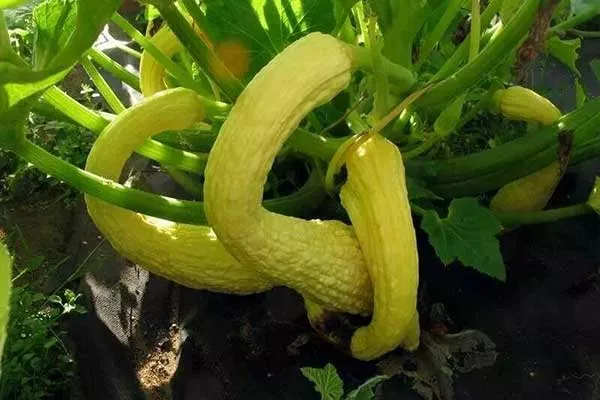
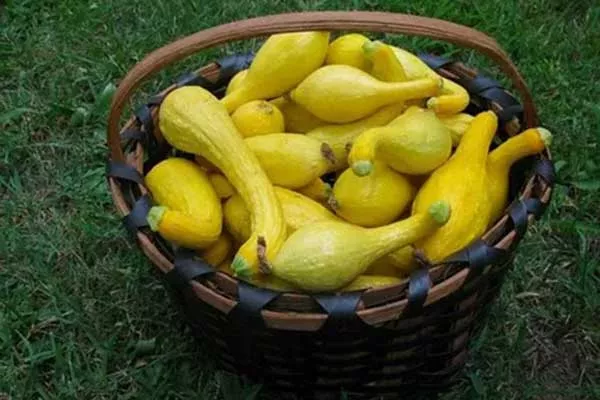
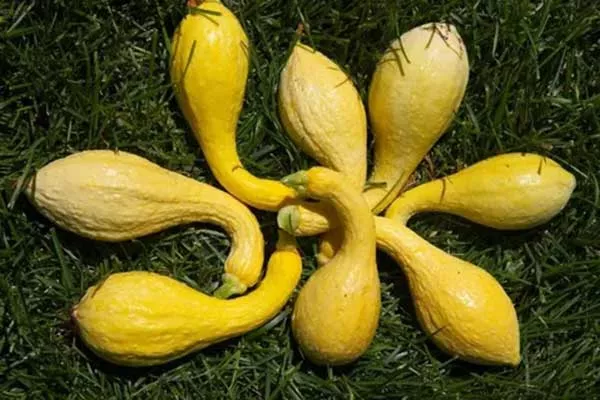
It grows as a compact bush with strong stems covered with large green leaves. The fruits are elongated and cylindrical, thickening at the tip where the flowers form. The fruit is 18-22 cm long and weighs between 1.5 and 2 kg. The surface of the squash has a lumpy texture.
- ✓ The fruits have a bumpy texture, making them easily recognizable.
- ✓ The bush is compact, which is convenient for small areas.
Purpose and taste
This vegetable has tender and juicy flesh, making it suitable for a variety of cooking methods, from baking and frying to stewing. Housewives also use zucchini for canning, ensuring a good supply for the winter.

Subtleties of agricultural technology
Geese-Swans is an interesting squash variety with an unusual shape and flavor. When growing and caring for this crop, follow a few basic steps:
- Choose a site with good light and air circulation. Prepare the soil by enriching it with compost or humus.
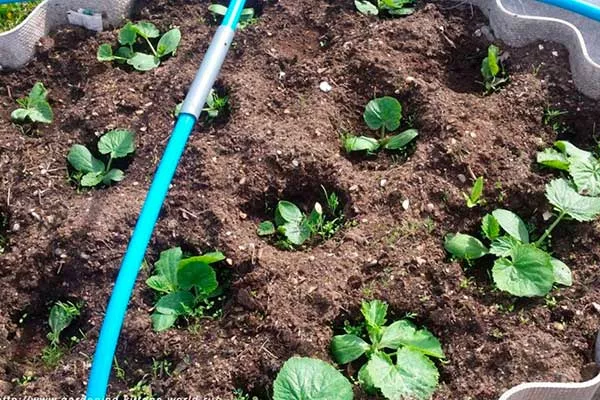
- Seeds can be sown directly into the ground after the danger of frost has passed and the soil has warmed to 15-18°C. The seeding depth is approximately 2-3 cm, and the distance between rows is approximately 1 m.
- Moderate watering is necessary to maintain soil moisture. Avoid overwatering to prevent root rot.
- Apply fertilizers rich in nitrogen, phosphorus and potassium to ensure healthy growth and development of the crop.
- Once the seedlings emerge, thin the plants out to about 30-40 cm apart to prevent them from becoming crowded.
- Weed your garden beds regularly to reduce competition for nutrients and moisture.
- Zucchini can be prone to vine growth. Install supports or netting to support the plants and prevent damage to the fruit.
Harvesting
After successful cultivation, it's time to harvest and properly store the crop. Here are a few steps to help you navigate this process:
- Harvest the fruit when it has reached its optimal size and is not overgrown. This usually occurs 5-7 weeks after flowering. Use sharp garden shears or a knife to carefully cut the fruit from the plant, leaving a short stem.
- Check your plants regularly for ripe fruit and harvest them promptly. This will help stimulate further fruit production and increase the overall yield.
- After harvesting, store the fruit in the refrigerator in a plastic bag or container. They keep well at a temperature of 10-12°C and a humidity of around 90%. Fresh zucchini is best consumed within a few days of harvest.
Pros and cons
Before planting this crop in your garden, make sure you're satisfied with all the varietal characteristics. This variety has numerous advantages, but it does have some drawbacks.
Advantages of Geese-Swans:
Among the disadvantages of this variety, gardeners note a discrepancy between the color on the packaging and the actual product characteristics and the fact that it is favored by slugs, which leads to frequent damage to the fruit.
Reviews
The Geese-Swans zucchini is a productive variety that's easy to grow, even for novice gardeners. Its advantages include excellent flavor, compact size, and high yields. With proper care, it will delight you with its high resistance to diseases and pests, and a bountiful harvest throughout the season.