
Among the light-fruited varieties, the Gribovsky squash is one of the most popular in Russia and the CIS. This highly branched plant produces fruit well in many regions, requiring little growing conditions or care. More information about its characteristics and cultivation methods can be found below.
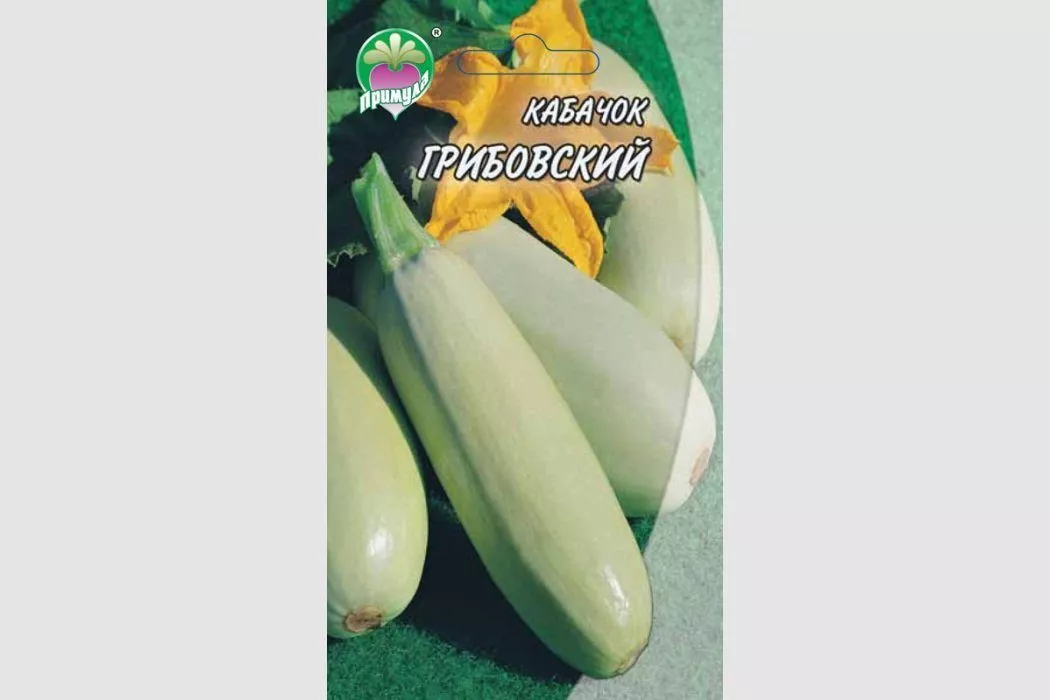
Gribovsky Zucchini
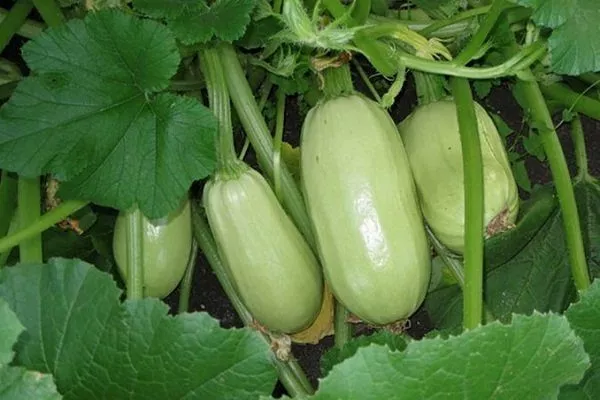
Gribovsky squash, high-yielding variety
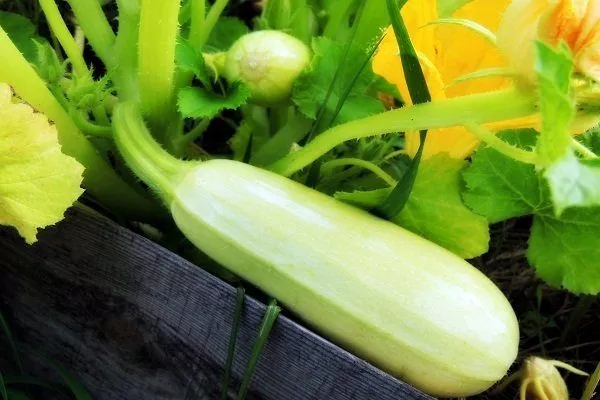
The Gribovsky zucchini has tasty and juicy flesh.
Description of the variety
The Gribovsky 37 zucchini was bred in 1943 from a Greek variety of foreign origin. It immediately gained widespread popularity and is still grown in many cities of the former USSR. Many gardeners will be interested in its characteristics:
| Parameter | Description |
| Ripening period | The variety is grown as an annual crop and has a mid-early ripening period—from seeding to harvesting the first fruits, it takes an average of 45-60 days. Fruits form on the plant within 35-40 days. |
| Plant characteristics | The plant grows as a bush with numerous shoots. The bushes themselves are well-developed and formed from strong, spreading branches. The main stem is large and spreads along the ground. Large, spotted, bright green, pentagonal leaves appear on the bushes. They are supported by long, strong petioles. The entire plant is covered in a pubescent, spine-like growth. Bright yellow, bell-shaped flowers appear on it. The variety is dioecious, meaning it produces both male and female flowers. Unlike the female flowers, the male flowers lack the thickening on the peduncle. Pollination occurs via insects. |
| Fruit characteristics | The fruits of the Gribovsky squash can be described by several basic parameters:
|
| Disease resistance | This variety is resistant to a number of diseases that pose a threat to other members of the Cucurbitaceae family. These include bacterial blight, fruit rot, and powdery mildew. Therefore, the crop does not require chemical treatment. |
| Productivity | The Gribovsky zucchini is a high-yielding variety – with proper cultivation practices, it can yield 4 to 8 kg of fruit per square meter of garden bed. |
Timing and methods of planting
Grow zucchini Gribovsky can grow his garden in two ways:
- Through direct sowing into the groundA good choice for regions with a warm and stable climate. It's best to sow seeds in the ground in late May or early June, after the threat of severe frost has passed. In the south, sowing can begin in early May, but be sure to cover the soil with plastic.
- SeedlingsIn the central and northern regions, it's best to grow the vegetable from seedlings. For an early harvest, sow seeds in pots from the last ten days of April to mid-May. If you plan to store the fruit for long-term storage and winter preparation, sowing is best done in the last ten days of May. After about a month, the seedlings, when they have 2-4 true leaves, can be transplanted to their permanent location.
Selecting a site and preparing the garden bed
The plant loves light, so it should be grown in a sunny location protected from drafts. South- and southwest-facing slopes are ideal. The soil should be nutritious, sandy loam or medium loam, with a neutral pH.
- ✓ The soil pH level should be strictly within 6.0-7.0 for optimal nutrient absorption.
- ✓ The soil must have high air permeability, which is achieved by adding sand or perlite.
It is not advisable to grow zucchini on heavy soils near groundwater.
When choosing a site, it's equally important to consider crop rotation rules. Zucchini should not be planted in areas previously grown:
- cucumbers;
- squash;
- watermelons;
- other representatives of the Pumpkin family.
Its good predecessors are:
- green manure crops;
- onion;
- cabbage;
- carrot;
- peas.
To protect zucchini from pests in the future, it should be planted near the following crops:
- garlic;
- Luke;
- marigolds;
- basil;
- peppermint.
Once a suitable site has been identified, you can begin preparing it. It's a good idea to dig the bed a full shovel deep in the fall, add organic fertilizer (humus, compost, peat, sand), and cover it with a dark material to ensure rapid warming. If you need to lower the soil's acidity, add lime.
When preparing the garden bed in the fall, you can water it with a solution of the biological fungicide Fitosporin-M (1 tablespoon of powder per bucket of water per 1 square meter of the bed). This solution will kill fungal and bacterial pathogens.
The soil can also be cultivated before sowing. To do this, it needs to be thoroughly dug and then fertilized with mineral and organic matter.
Seed treatment
Regardless of planting method, Gribovsky seeds must undergo pre-sowing treatment, which involves the following steps:
- Disinfect the seed. To do this, soak it for 30 minutes in a bright pink solution of potassium permanganate. Discard any hollow seeds that float to the surface of the water, as they will not germinate. Rinse the remaining seeds with clean water to remove any germs from their surface.
- Soak the seeds for 12 hours in 1 teaspoon of growth stimulator - Zircon, Heteroauxin or Epin.
- Wet a cloth bag in water, then place the seeds in it. Place the bag on a saucer and keep it in a warm place for 72 hours. Make sure the bag doesn't dry out.
Sprouted seeds can be sown in open ground or for seedlings.
Planting through seedlings
This method involves growing strong seedlings, which can be roughly divided into several stages:
- Sowing seedsThis is done in separate containers of up to 100 ml capacity to prevent damage to the young roots. Plastic cups, ceramic pots, mini greenhouses, or peat pots are best for this purpose. They should be filled with a ready-made potting mix containing fertile, loose soil. A small amount of superphosphate or wood ash can be added to the substrate. Germinated seeds should be planted in this soil, burying them 4-5 cm deep.
- Creating an optimal microclimateAfter sowing, the soil should be moistened and covered with plastic or glass. When the first shoots appear, the cover can be removed. It's best to keep the seedlings on a south-facing windowsill, but they should be shaded from direct sunlight.
- Top dressingIt is enough to feed the seedlings twice, following this scheme:
- when the first sprouts appear, water with a solution of 0.5 tbsp. superphosphate and the same amount of urea per 1 liter of water;
- 10-14 days after the first feeding, water the seedlings with a solution of wood ash or nitrophoska.
- WateringTo prevent crusting on the soil, water the seedlings twice a week with settled, room-temperature water. Avoid overwatering, as the Gribovsky squash is a drought-resistant plant.
- HardeningThis is done a week before transplanting the seedlings outdoors to prepare them for the new growing conditions. On the first day, the young plants should be taken outdoors for 2-3 hours, and then incrementally increase the time by 2 hours in the following days.
- Water in the morning so that the soil dries out a little by evening.
- Use water at a temperature of at least 20°C to prevent stress on plants.
- Watering frequency is 2 times a week, adjusted depending on how quickly the soil dries out.
After the last frost has passed, seedlings with a few true leaves can be transplanted into open ground. The planting pattern is 70x70 cm. The seedlings should first be carefully removed from the container to avoid disturbing the root ball and damaging the roots. They should then be planted in prepared holes, deepening them to the cotyledons.
To extend the fruiting period of zucchini, you can use the conveyor method - plant seedlings several times per season with an interval of 7 days.
Sowing seeds in open ground
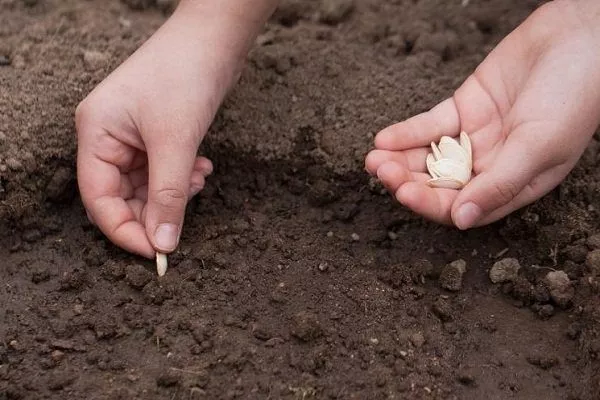
Germinated seeds can be sown in open ground using a 60x60 cm pattern. Avoid planting too densely, otherwise the bushes will crowd each other and will not develop to their full potential. The optimal density is 3 seedlings per 1 square meter of bed.
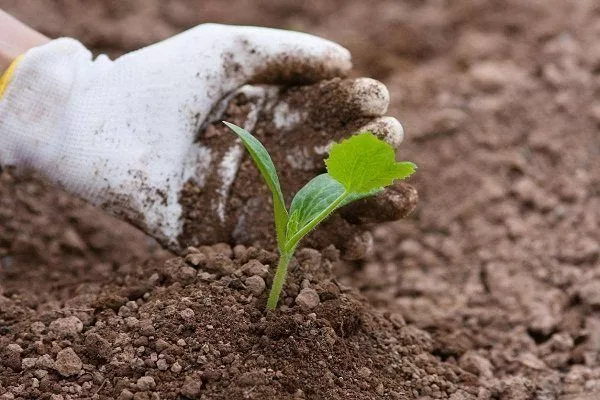
When sowing, moisten each hole, adding a handful of humus and ash if desired, then drop 2-3 seeds into the hole and cover with soil. Zucchini thrives in warmth, so keep the seedlings under a plastic cover until the first shoots appear.
If several seeds sprout in any hole, the weak sprouts should be removed, leaving one strong specimen.
Caring for Gribovsky's zucchini
This variety isn't particularly demanding, but it does require a number of timely agricultural practices. These include:
- Soil treatmentAfter the first shoots emerge or 7 days after planting the seedlings, you can begin loosening the soil. This should be light and shallow, so as not to damage the plant's root system. A few hours after loosening, weed the soil to remove all weeds to preserve nutrients for the zucchini and prevent disease. Once the seedlings have established themselves, hilling is recommended to encourage additional shoots to form.
- WateringSeveral times a week, early in the morning or evening, the planting should be watered with warm, settled water to prevent the soil from drying out. During flowering and fruit set, watering frequency can be increased, but avoid overwatering, as this can lead to root rot.
Moreover, the top of the fruit will begin to rot in damp soil. In this case, the affected area should be cut off to the fresh flesh with a sharp knife and the cut should be held over an open flame. After this treatment, the cut will harden and become crusty, and the fruit will continue to grow. - Top dressingIf zucchini is grown in depleted soil, it requires supplemental feeding with organic and mineral fertilizers. During the growth and development period, the plant can be fertilized twice according to the following schedule:
- water the monthly planting with a solution of 40 g of superphosphate, 20 g of ammonium nitrate and 20 g of potassium salts per bucket of water (this composition is enough to water 10 plants);
- 7-10 days after the first feeding, apply organic fertilizer diluted in water under the roots - bird droppings (1:15) or mullein (1:10).
- PollinationThis is carried out by bees and other insects. To attract them, the bushes can be regularly sprayed with sugar syrup. Alternatively, apply water to the female buds, adding pollen from the male flowers.
- Bush formationThe Gribovsky squash is classified as a highly branched plant, so its shoots should be pinched back to the desired length. Also, regularly remove up to three large lower leaves. These suck a lot of the plant's nutrients and also shade the fruit.
- Pest controlThe planting must be protected from the following insects:
- Spider miteThey attack zucchini in the second half of June, settling on the undersides of leaves and sucking their juices. This causes ovaries, leaves, and flowers to fall off. Mites can be controlled by spraying the plant with an infusion of hot pepper and wood ash.
- Sprout flyIf the garden bed is poorly treated, it overwinters in the soil overnight, waking up in May to attack the zucchini. To combat the fly, apply Fufanon or Karbofos to the soil in early spring.
- Melon aphidIn spring, it colonizes weeds and multiplies, then attacks crops, including zucchini. It can be seen on the underside of leaves and young shoots. It causes leaf deformation and leaf drop, which inhibits plant growth. Malathion, powdered sulfur, and tobacco or yarrow infusions will help against aphids.
Harvesting and storage
On average, harvesting can be done every 2-3 days as early as midsummer. The fruits should be cut from the bushes with a sharp knife, stems included. The exact timing of harvesting depends on the gardener's goals:
- Eat the zucchini in the coming days.During the fruiting period, young fruits with light, soft skin should be picked, which will also stimulate the formation of new ovaries. Typically, it takes 8-12 days from the formation of ovaries to the fruit reaching maturity. To ensure time to harvest young zucchini, inspect the plantings every 3-4 days.
- Put into winter storageIf zucchini is grown for long-term storage, the fruits should be picked only when they reach the variety's maximum size. The skin of these vegetables is rougher, allowing them to be stored until February or March. Cut, undamaged zucchini should be dried in the sun, wiped with a dry cloth (do not wash!), and stored in a cellar, first in boxes. To prevent the zucchini from touching each other, place straw or sawdust between them.
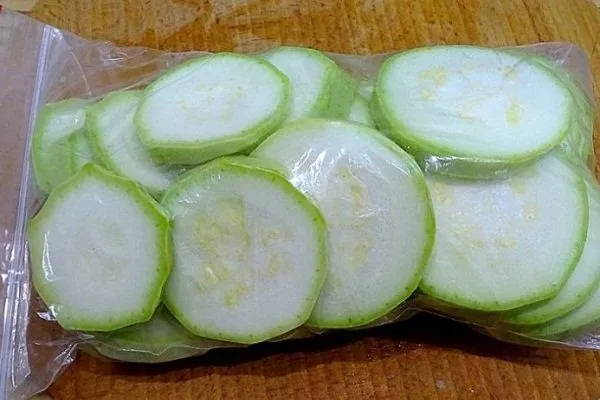
Zucchini can be stored after freezing. To do this, wash them thoroughly, peel and seed them, then cut them into small pieces, package them in bags, and store them in the freezer.
Even if the vegetable is being stored, it should not be allowed to overripen, as this will cause it to develop a rough, yellowish or brown skin and will also lose its flavor—the seeds inside will be more dense than the pulp.
Pros and cons
The following qualities can be attributed to the advantages of the Gribovsky variety:
- has resistance to diseases;
- withstands sudden temperature changes;
- has high taste qualities;
- refers to high-yielding plants;
- It is suitable for long-term storage and transportation to distant plants, so it can be grown for further sale.
Reviews of the variety
The Gribovsky 37 zucchini is grown in gardens by both novice and seasoned gardeners. This variety is prized for its ease of cultivation, resistance to disease and low temperatures, as well as good germination and yield. Most of the fruits can be harvested young for consumption, while the remainder can be harvested ripe for storage.