
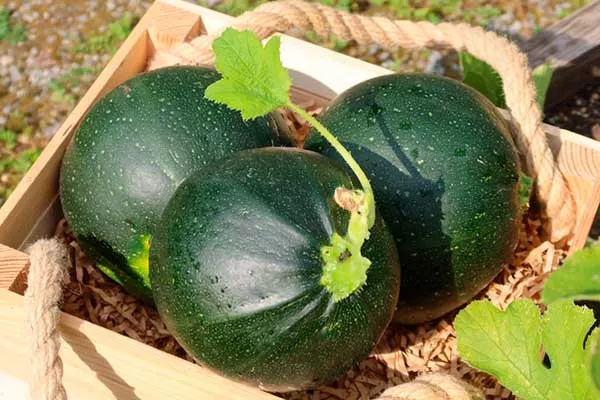
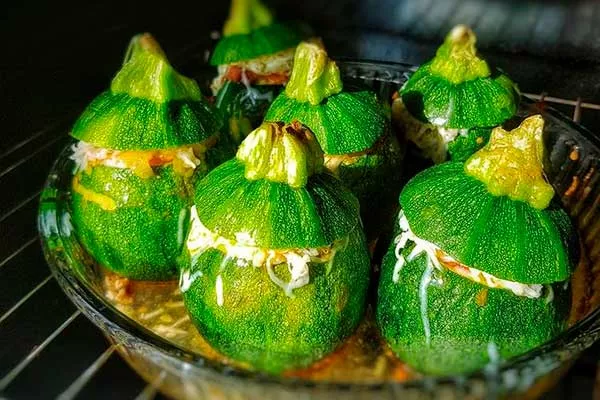
The "Gorshochok" zucchini is a new, unusual variety that attracts zucchini lovers with its unique appearance and delicious flavor. It can be stuffed and used as a baking pot, then eaten with the "pot" inside.
Who brought it out and when?
The "Gorshochok" zucchini is a new variety bred in Russia. It was developed by Heterosis Selection LLC. Author: T.V. Steinert. The variety was added to the State Register in 2021.
Description of the plant
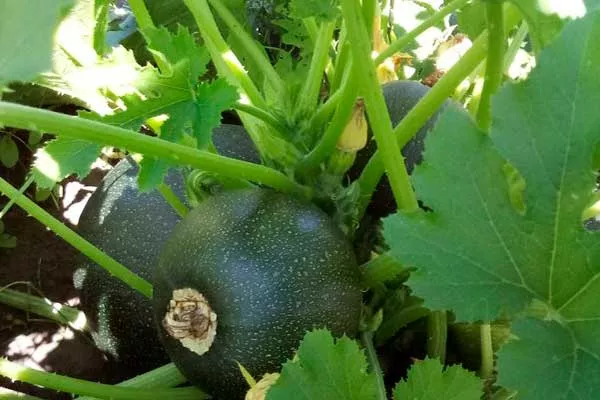
The "Pot" variety is a zucchini squash with compact, tall, and vigorous growth habits without vines. The main shoot is short. The leaves are small, green, and unblemished.
Description of fruits
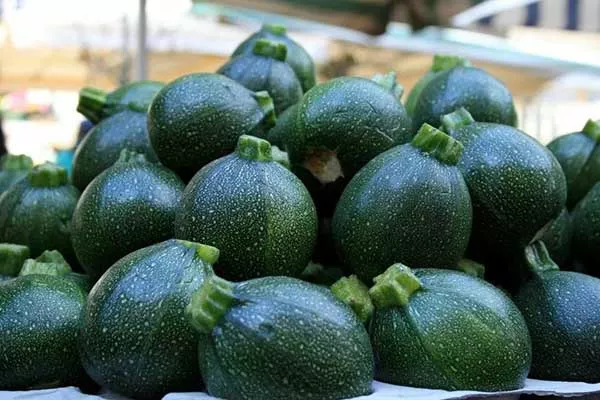
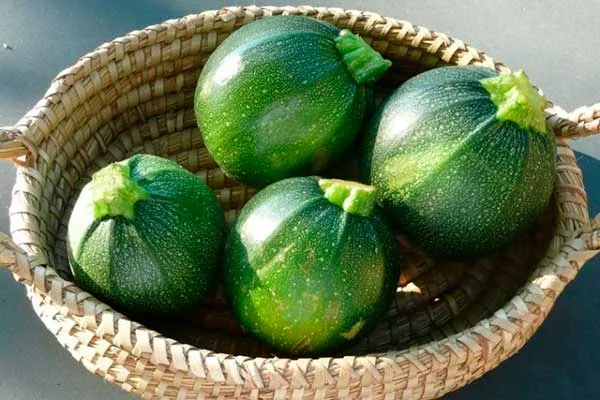
The fruits of this variety are unusual for this variety—they are almost round, making them suitable for use as cooking vessels. The fruits are dark green, with fine spots. The skin is thin and tender, slightly ribbed.
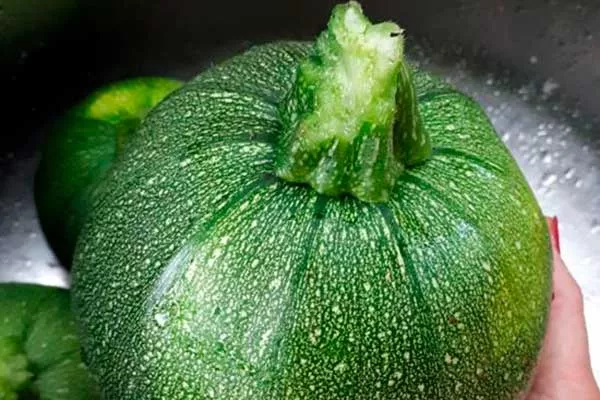
The fruit's flesh is tender and light green. It's sweet, thick, and medium-dense, lending a delicious flavor to stuffed dishes. The fruit weighs up to 1 kg and measures approximately 15 cm in diameter. The seeds are elliptical, small, and cream-colored.
Characteristics
The "Pot" zucchini is a very early-ripening variety, belonging to the early-ripening group. The fruits are ready for consumption in just 45-50 days after planting. This variety is very productive and cold-hardy. A yield of 7-9.8 kg per square meter can be obtained.
Purpose and taste
The Gorshochok zucchini is ideal for culinary creativity, suitable for stuffed and baked dishes. It's also suitable for marinating rings, frying, canning, making snacks, and roasting—it's a truly versatile variety. The Gorshochok variety has a fresh, pleasant, zucchini-like flavor.
Pros and cons
Before planting the Pot zucchini in your garden, it's helpful to familiarize yourself with all of its advantages and disadvantages. This will help you determine whether this variety is truly worth choosing over other varieties.
Pros:
No particular disadvantages have been found in this wonderful variety.
How to plant?
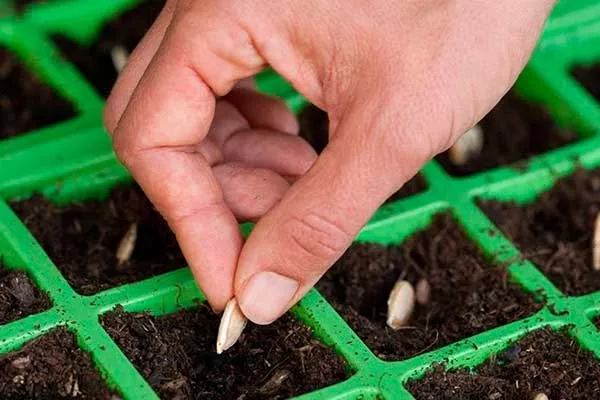
Pot zucchini seeds can be sown directly into open ground. In regions with short, cold summers, it makes sense to use seedlings for an earlier harvest.
- ✓ Soil pH should be between 6.0-6.8 for optimal zucchini growth.
- ✓ The soil must be well-drained to avoid waterlogging and root rot.
Landing features:
- Choose a warm, sunny site with a low groundwater level for planting. Prepare the soil in advance, beginning in the fall. Dig the soil to a depth of 20-25 cm. Add 30 g of superphosphate and 20 g of potassium sulfate per square meter. Acidic soils should be deoxidized with lime or wood ash.
- Zucchini should not be sown in areas previously planted with vegetables from the Cucurbitaceae family. The best predecessors are considered to be potatoes, beets, cabbage, carrots, onions, or greens.
- In the temperate zone, seeds are sown in early May, and seedlings are planted in May-June. The timing of planting depends on the climate in each specific region. It is important to plant outdoors after the threat of frost has passed.
- Before planting, seeds are soaked in water (without chlorine) for several hours, and then germinated in a wet cloth.
- Planting is done using a 60x60 cm pattern. The holes should be about 5 cm deep. You can add a little compost or humus to them.
- Place 2-3 seeds per hole to ensure germination. Place the seeds vertically, with the pointed ends facing up. The tops should be 1-1.5 cm below ground level. Once the seedlings emerge, select the strongest sprout and remove the others. Water the holes containing the seeds and cover them with soil.
Excess shoots are carefully cut off above ground level. Trying to pull them out can damage the selected shoot. They can also be replanted after the cotyledon leaves appear.
It's recommended to cover the seedlings with plastic film or other covering material to prevent freezing of this heat-loving crop. Once the first shoots appear—usually within a couple of weeks—the film is removed.
Features of cultivation and care
The Gorshochok variety, like all zucchini, is hardy and unpretentious, but to obtain a high-quality harvest, certain care is required.
Care features:
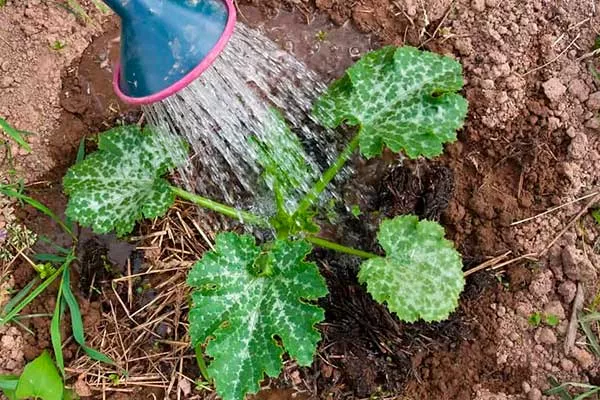
- Watering. Without water, zucchini grows small, dull, and tasteless. The soil should be moistened to a depth of 40 cm, but overwatering is not recommended, as this can cause the plants and fruit to rot, and the harvest will lose its shelf life. Water the zucchini before 9 a.m., preferably with warm water.
Young plants are watered at a rate of 4-5 liters per square meter, up to 10 liters during flowering, and 15-20 liters during fruiting. Watering frequency depends on soil conditions, but is typically 1-2 times per week.

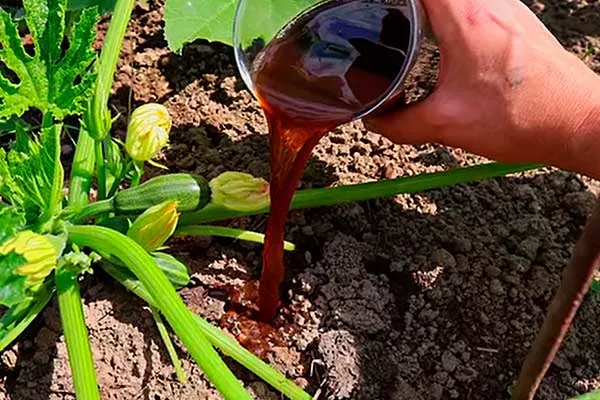
- Top dressing. Zucchini are fertilized several times per season—before and after planting, during flowering, and during the active fruiting phase. Complex fertilizers, such as Nitroammophoska, Biohumus, and Agricola, are used, as well as folk remedies (boric acid, ammonia, eggshells, onion peels, etc.).
- Formation. The vine-free variety doesn't need to be pinched—this only weakens the plant. The bushes are trained as they grow. If they begin to take up too much space, trim off the largest leaves. Lower leaves are removed if the summer is rainy.
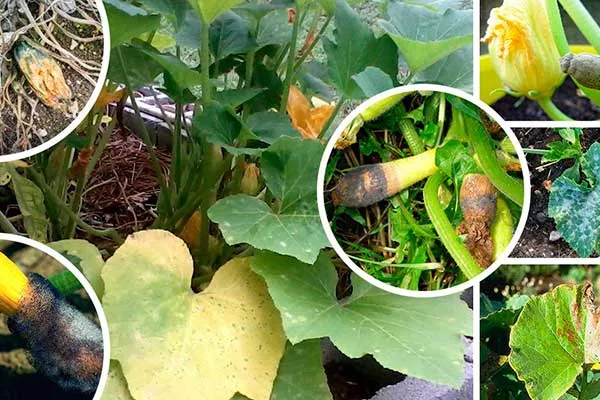
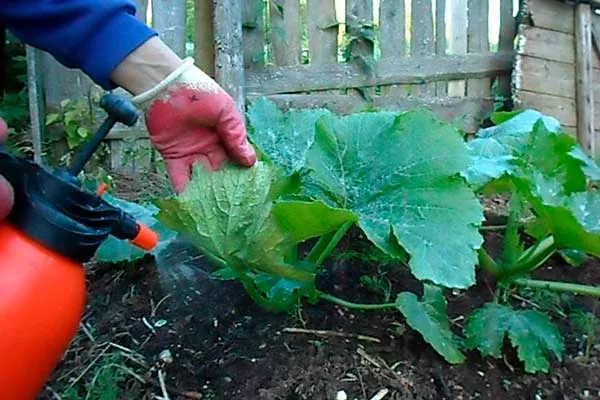
- Fight against diseases. Under unfavorable conditions, such as damp and/or cold weather, zucchini can be affected by anthracnose, bacterial blight, white and root rot, mosaic, and other fungal diseases. When any of these symptoms appear, apply appropriate fungicides, such as Thiram, Previkur, copper sulfate, Fitosporin-M, etc.
- Pest control. The most common pest of zucchini is spider mites, which can be controlled by spraying the plants with an onion solution. Slugs and snails, which eat the flesh of the fruit, can also attack zucchini. These pests can be collected by hand or controlled by spraying with copper sulfate.
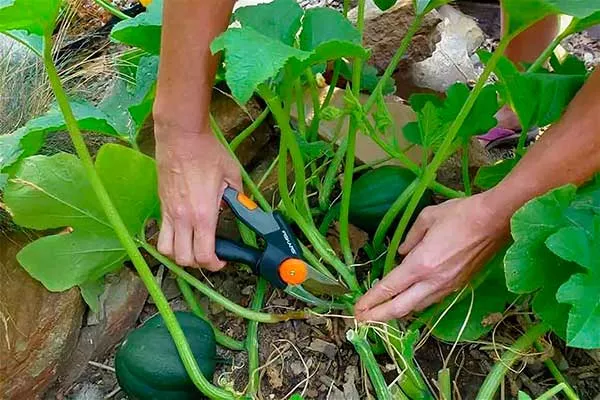
To stimulate the formation of new ovaries on the bushes, it is necessary to remove ripe fruits promptly. It is recommended to harvest zucchini every 3-5 days.
The Gorshok zucchini is a new arrival worthy of attention. This zucchini variety is sure to appeal to lovers of unusual varieties. Strikingly different from ordinary zucchini, the Gorshok variety possesses all their virtues: productivity, hardiness, and ease of maintenance.