
Bitter zucchini is a problem many gardeners face when harvesting. Bitterness can be caused by a variety of factors. Therefore, it's crucial to follow proper zucchini growing guidelines. It's also helpful to understand the causes of bitterness in vegetables.
Why do zucchini taste bitter?
Mistakes often made by gardeners can change the taste of a crop. Some of the most common and mundane ones are worth recognizing in advance to avoid making them.
Varietal characteristics
| Name | Ripening period | Disease resistance | Watering requirements |
|---|---|---|---|
| Starling | Early | High | Moderate |
| Chaklun | Average | Average | High |
| Pharaoh | Early | High | Moderate |
To avoid bitter zucchini, choose the right variety. Some varieties of zucchini, even with proper and careful care, have bitter flesh.
It is best to choose the sweetest varieties, which include:
- Starling. The fruits are elongated, approximately 25 cm long, with slight ribbing (almost imperceptible). The flesh is fairly firm, tender and juicy, and the flavor is sweet, completely free of bitter notes.

- Chaklun. A versatile variety with tender flesh and a pleasant aroma and flavor. These zucchini are suitable for both fresh consumption and for preserves. Bitterness is avoided if all growing practices are followed.
- Pharaoh. This early-ripening variety produces elongated, dark-green fruits. The flesh is sweet and tender, without bitterness. The fruits reach 60 cm in length and weigh approximately 0.8 kg. One plant yields approximately 9 kg.
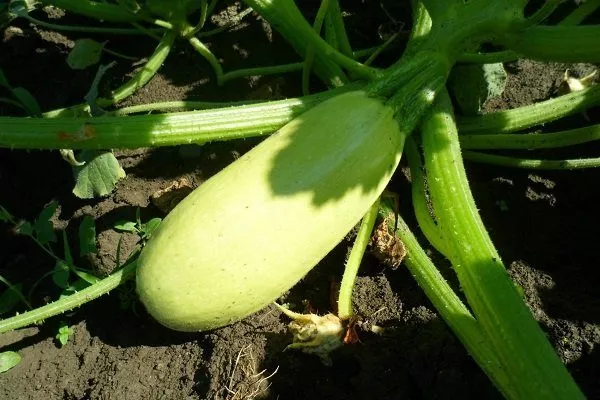
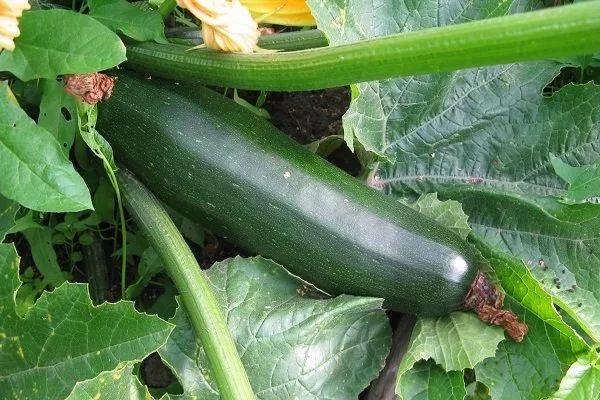
These varieties are considered hardy and can withstand adverse growing conditions. However, they also require proper cultivation practices, as failure to do so can result in an unpleasant bitter taste.
Incorrect watering
Thanks to moderate soil moisture, plants receive all the elements essential for fruiting. The crop is not demanding in terms of moisture levels. However, if there is insufficient water, nitrates and nitrogen compounds accumulate in the fruits.
High nitrogen levels can cause bitterness in vegetables. This risk increases in the following situations:
- sunny weather, prolonged period of drought;
- zucchini are planted close to plants that take a lot of moisture from the soil;
- the crop is grown in a field where it is difficult to ensure regular moisture.
Lack of sunlight
Like any cucurbit, zucchini requires plenty of light and air. These conditions are essential for proper plant growth.
If you plant zucchini near large bushes, tall trees, or fences, they experience severe stress. The lack of adequate sunlight causes the fruit to develop a bitter taste.
Diseases and pests
Bitterness in fruits can be caused by pests or fungal infections. Insects damage vegetables and facilitate the spread of disease. Most commonly, the crop is affected by fusarium wilt or anthracnose.
The disease can be noticed by the following signs:
- anthracnose – round spots of a yellow-brown hue form on the leaves;
- fusarium - lower leaves turn yellow and begin to dry out.
It is much easier to carry out prevention than to try to cure the plant:
- compliance with crop rotation rules;
- cleaning up the vines after the harvest has been collected;
- regular weeding and removal of weeds;
- removal of bushes in case of infection.
Failure to comply with the feeding schedule
The taste of fruits is directly affected by an excess of certain substances. This problem is often encountered by gardeners who prefer to use natural fertilizers, including:
- compost;
- humus;
- litter.
These include fertilizers There are high concentrations of unrefined nitrogen compounds, including potassium and magnesium, which cause a bitter taste in the fruit.
Heavy metals in the soil and water, which impart an unpleasant taste, accumulate in zucchini. As a result, these fruits become dangerous and are not recommended for consumption.
Unsuitable neighbors
The taste of zucchini can be negatively affected by proximity to certain crops. It's best to plant the following plants as far apart as possible:
- potato;
- radish;
- tomatoes;
- eggplants;
- pumpkin (decorative).
It's recommended to plant onions, peas, spinach, and bush beans near zucchini. If you plant ornamental pumpkins nearby, the wind will carry their pollen to the zucchini, stimulating the production of hormones that impart an unpleasant bitterness to the flesh.
Place unfavorable neighbors at least 15 meters away. If the plot is small, plant self-pollinating varieties of zucchini.
Cross-pollination with other crops
Some gardeners believe that pumpkins should be grown in a single plot. However, experienced gardeners recommend rotating different varieties, planting other plants between them.
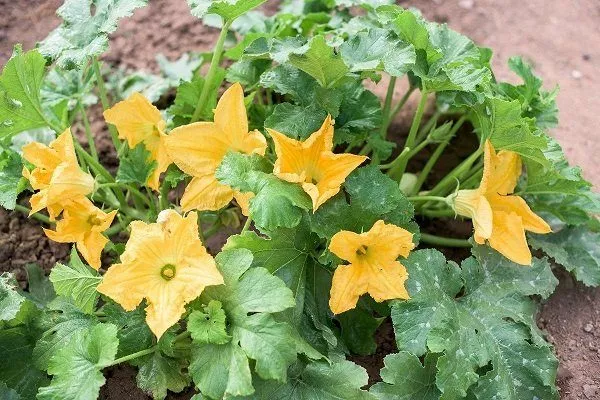
As a result of cross-pollination, various negative consequences appear:
- crop yields are sharply reduced;
- the taste changes – a bitter taste appears in the pulp;
- fertility is impaired;
- seed quality decreases.
It's not always possible to separate plantings. In this case, you can plant onion or legume beds between crops. This helps prevent cross-pollination.
Weeds
Wormwood growing near zucchini can cause the fruit to develop a strong bitterness. If you spot this weed, remove it immediately.
Improper storage
If you neglect the rules of collection and fruit storage, and an unpleasant bitter taste also develops. Harvesting occurs at different stages of ripeness:
- Dairy The fruits are young and have soft skins. They are stored at temperatures between 0 and 3°C. Under these conditions, zucchini will keep undisturbed for about 14 days. Then they begin to wilt, gradually losing their flavor, and the flesh becomes bitter and dry.
- Mature – the fruits are fully formed and have reached full ripeness. If the vegetables are harvested after they are fully ripe, they will store well for 3-5 months without losing their quality.
It's recommended to store ripe fruits in a cool, dry pantry or basement. Good ventilation is key.
Cucurbitacin accumulation
This is one of the most common causes of bitterness in vegetables. Cucurbitacin is a substance produced in response to stress experienced by the plant. This most often occurs due to improper cultivation.
There are several effective methods to prevent the production of cucurbitacin:
- proper plant care;
- timely watering;
- absence of excess or lack of fertilizers;
- planting the crop in an open and sunny place where there is no permanent shade.
- ✓ Ensure a distance of at least 70 cm between plants to ensure adequate air circulation.
- ✓ Use mulching to maintain stable soil moisture.
How to eliminate bitterness?
After harvesting, you may notice an unpleasant bitter taste, which can be eliminated by simply soaking the fruit thoroughly. The procedure is as follows:
- Wash and peel the vegetables thoroughly. Be sure to remove the hard skin, as this is where the bitterness accumulates.
- Cut the peeled fruits into not very thick pieces or circles.
- Salt the water – use 1 tablespoon of salt for 3 liters.
- Place prepared vegetables in the liquid and leave for 20-30 minutes.
- After the specified time, remove the vegetables and rinse thoroughly under plenty of running water. The zucchini is now ready to use in various dishes.
Bitterness can be easily removed by freezing. Before eating, place the sliced vegetables in the freezer and leave until completely frozen.
Can you eat bitter zucchini?
The fruits are edible if the bitter taste was not caused by a fungal infection, but rather by improper cultivation and care. Consider the severity of the bitterness, too.
If the cause is a plant disease, the fruits may contain large amounts of nitrates and various toxic substances. Consuming such fruits can cause serious poisoning.
How to prevent the accumulation of bitterness?
By following simple but important zucchini care guidelines, you can easily grow tasty and healthy vegetables that will provide health benefits. If you choose the right variety, bitterness can develop as a result of growing in unsuitable conditions.
To prevent bitterness from accumulating in vegetables, follow a few simple guidelines:
- Plant seeds only during long daylight hours;
- ensure proper watering regime, moistening should be regular;
- make sure that the soil does not become waterlogged;
- Plan your plantings in advance so that your zucchini don't grow close to plants that can cause an unpleasant taste in the fruit;
- Do not use potassium and phosphorus fertilizers in large quantities.
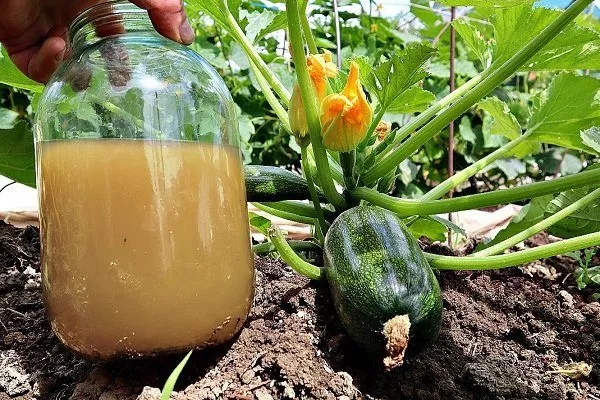
Bitter squash is an exception to the rule. If you follow simple growing and care guidelines, you can easily avoid this problem. Also, choose the right varieties that don't typically have bitter notes.