
Golden Glory zucchini is a popular variety among agronomists. It has received many positive reviews and possesses excellent traits. It is easy to grow, produces good yields, and is disease-resistant when properly maintained.
Description of Golden Glory
It grows as a compact bush, reaching a height of about 50-60 cm. Distinctive features of the culture:
- The stems have open leaves that are green in color.
- The weight of one fruit reaches 600-800 g.
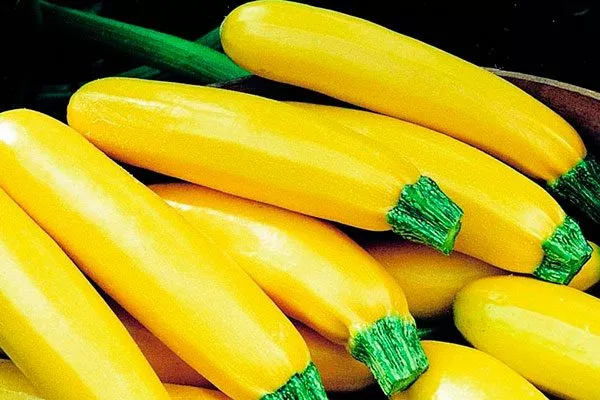
- The fruits are cylindrical, reaching 20-25 cm in length and about 5-6 cm in diameter.
- The bark has a smooth and at the same time dense surface.
- The pulp is juicy and white in color.
- ✓ Above average drought tolerance compared to other zucchini varieties.
- ✓ Fruits retain their marketable appearance longer when stored in cool conditions.
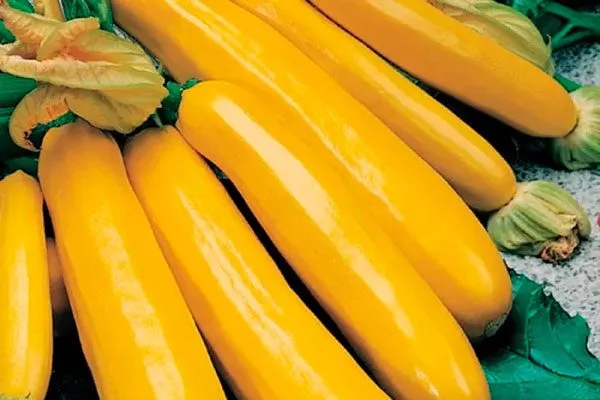
Zucchini is a versatile vegetable that can be used to make a variety of dishes, including vegetable stews, caviar, pancakes, and fried zucchini slices. The pulp is used for freezing, canning, and adding to first and second courses. Many even make zucchini cakes.
Origin of the variety
This hybrid zucchini squash was developed by the Dutch agricultural company Syngenta Seeds. It is one of the most sought-after and high-yielding varieties.
Characteristics
The Golden Glory zucchini boasts excellent flavor and an attractive appearance. Its excellent varietal characteristics make it a favorite among both experienced and novice gardeners.
Maturation
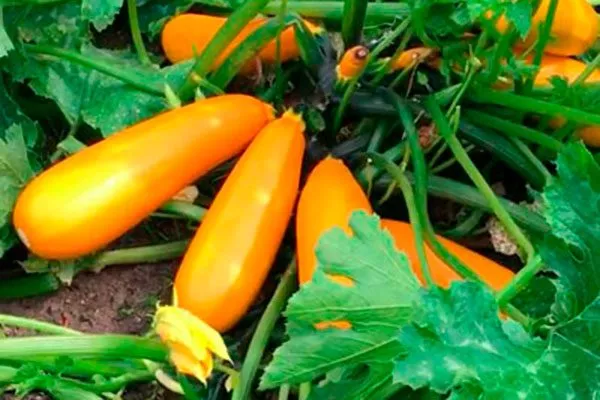
The Golden Glory variety has a short growing season, which is 40-46 days.
Sustainability
It has high resistance to mosaic virus and powdery mildew, making it a reliable choice for growing in conditions where these diseases are common problems.
Growing and care
Zucchini can be planted either by sowing seeds or using seedlings. For the former, follow these instructions:
- Sow seeds directly into the ground after the threat of frost has passed and the soil has warmed up to +15-20°C.
- Place them at a depth of approximately 2-3 cm. The distance between holes should be approximately 60-90 cm in a row.
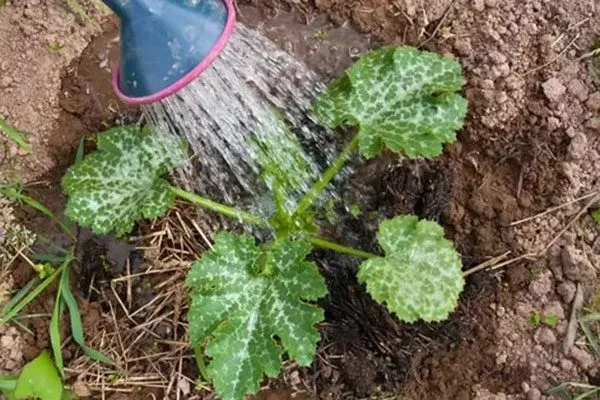
- After sowing, water the area generously.
- ✓ Soil pH should be between 6.0-7.5 for optimal growth.
- ✓ The soil should be well drained to avoid water stagnation.
Seedling method:
- Sow squash seeds in containers or pots with nutrient-rich soil 3 to 4 weeks before the expected last frost date.
- Cover the containers with plastic or glass to create a greenhouse effect and ensure the optimal temperature for seed germination.
- After the seedlings emerge and reach the stage of 2-3 true leaves, transplant the plants into a bed or into pots at a distance of about 60-90 cm.
- Water each plant thoroughly after planting in the ground.

Regardless of the planting method you choose, ensure your plants receive adequate sunlight and regular watering to ensure healthy, thriving growth.
The agricultural technology is simple and effective. For successful cultivation, follow these recommendations:
- Zucchini require moist soil, especially during periods of extreme heat. Check the moisture level regularly and water the plants as needed, being careful to avoid standing water.
- Apply fertilizer to the soil before planting, then feed the bushes regularly with organic or mineral fertilizers throughout the season.
- If necessary, provide support for the plants, especially if they begin to spread along the ground. This will help prevent fruit rot and ensure better ventilation.
- Regularly inspect the stems for pests and signs of disease. Take appropriate control measures using environmentally friendly methods or, if necessary, chemicals.
Reviews
Golden Glory zucchini is a sought-after variety with many positive characteristics. It is highly disease-resistant and easy to grow. Its excellent varietal characteristics make it an attractive choice for gardeners. Proper care is essential to ensure a good harvest.