
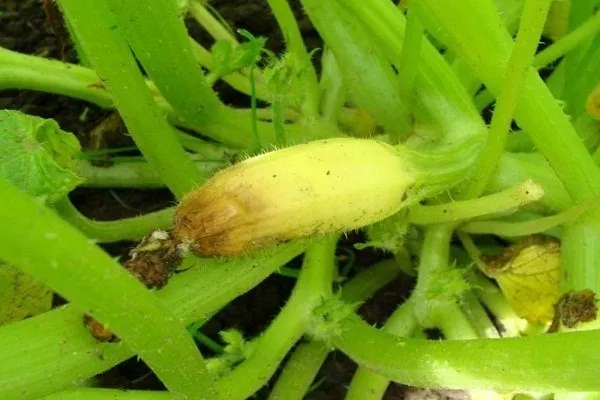
When growing zucchini, gardeners may notice that they are rotting on the vine. This can be due to both soil preparation errors and improper plant care. We'll discuss all the possible causes of zucchini rotting and how to resolve this problem below.
Unsuitable site
| Name | Productivity | Ripening period | Disease resistance |
|---|---|---|---|
| Cucumbers | High | Early | Average |
| Melon | Average | Average | High |
| Watermelon | High | Late | High |
| Pumpkin | Average | Late | Average |
When growing vegetables, it's essential to follow proper agricultural practices; otherwise, you won't be able to grow healthy, rot-free root vegetables. For zucchini, the following guidelines apply:
1. Cultivate in the same location at intervals of four years. Plants absorb a specific set of essential micronutrients from the soil, so depleted soil will not be able to fully saturate them in subsequent years. Furthermore, it harbors pests and harmful substances released by the root system of seedlings during growth.
- ✓ Soil pH should be between 6.0-7.5 for optimal zucchini growth.
- ✓ The soil must be well-drained to avoid water stagnation and subsequent root rot.
This waste is dangerous for the next generation of zucchini, but is harmless to other crops, as they are resistant to such products of zucchini life.
To quickly return zucchini to their favorite spot, periodically grow green manure (oats, wheat) in the garden bed. This will cleanse the soil of harmful byproducts left behind by the plants and enrich the soil.
2. Do not plant in areas where related crops were previously grown. These include:
- cucumbers;
- melon;
- watermelon;
- pumpkin.
3. Plant after good predecessors, which include:
- tomatoes;
- potato;
- beet;
- cabbage;
- carrot;
- onion;
- greens (lettuce, parsley, dill, spinach).
To get a good harvest of zucchini and prevent rotting, it is worth planting them on the eastern or northern side of the potato bed.
Bad weather conditions
Zucchini is a southern, heat-loving crop, so it doesn't tolerate cold spells, frequent rainfall, excessive humidity, and lack of sunlight. A weakened plant is unable to supply all the necessary micronutrients to its fruit, so it sheds some of its ovaries.
Sudden daily temperature fluctuations, with daytime temperatures exceeding 30°C and nighttime temperatures dropping to 10–15°C, also weaken the plant's immunity. These stressful conditions make the plants vulnerable to rot.
Of course, a gardener can't fight the weather, but he should take a number of measures to protect his crops from adverse climatic conditions:
- Cover the plantings with agrofibre at night, and in rainy or cold weather, create a canopy out of film or simply use an old umbrella, placing it over the center of the bush. The most important thing is to cover the flowers and newly formed ovaries, as raindrops pose a significant threat to them. It's also a good idea to place straw or boards under the fruit.
To make planting easier, it's worth growing zucchini under arches, and changing the covering material depending on specific weather conditions.
- To increase soil temperature at night, use ordinary plastic bottles filled with water or bricks. Simply place them around the bushes. During the day, they are heated by the sun, and at night, they transfer heat to the plants and the soil.
- Cold and damp soil should be mulched. This will ensure that the zucchini plants lie on a dry surface, significantly reducing the risk of rot. Mulch also prevents the soil from heating up too much during the day and cooling too quickly at night, thus avoiding sudden daily temperature fluctuations.
Micronutrient deficiencies
One of the most common causes of squash bud rot is a lack of micronutrients. Pumpkin plants are particularly sensitive to the following deficiencies:
- YodaA deficiency is often caused by watering plants with water containing high levels of iron. To compensate, spray the plants once per season with a solution of 2 g of potassium iodide per 10 liters of water.
- BoraThere may be a shortage of it in the soil. To compensate for this deficiency, spray the plant with a boric acid solution at a rate of 2 g per 10 liters of water. Alternatively, you can use complex fertilizers containing boron.
To prevent micronutrient deficiencies, zucchini should be fertilized in advance with a mixture of 5 g of superphosphate and 2 g of urea per 1 liter of water. The first application should be done 10 days after germination, and the second one a week later.
Dense plantings
If the weather conditions are favorable and the plants look good and grow regularly zucchini are being fed, but the ovaries are still rotting. Most likely, the zucchini are planted too close together. Under these conditions, the growing leaves prevent the ovaries from receiving the necessary amount of sunlight and fresh oxygen, which leads to the development of rot.
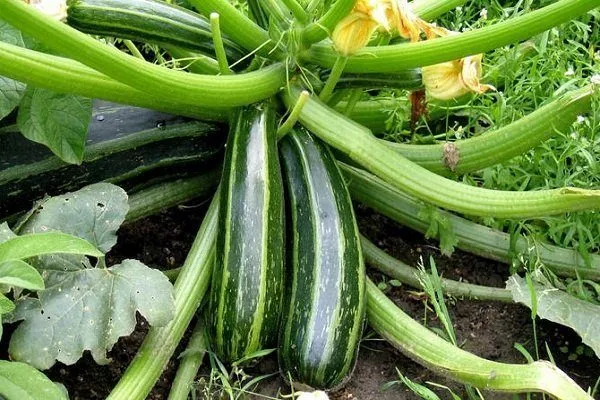
To solve this problem, simply remove the portion of the leaf blade that covers the center of the bush. As a preventative measure, it's also worth regularly thinning the leaves and removing weeds to promote warmth and ventilation of the buds.
Old leaves and faded inflorescences
As the plants develop, the lower leaves begin to yellow and die. They gradually rot, and the fungus easily spreads to the still-tender skin of the ovaries, causing them to rot as well. To prevent this, remove the lower leaves lying on the ground once a week. You can do this with a sharp knife or pruning shears.
Faded flower buds remaining on the tips of young zucchini plants pose an equally dangerous threat. During periods of rain or watering, they absorb moisture like a sponge, begin to rot, and infect the roots. It's important to regularly identify and remove them, and sprinkle the cut area with ash. This will promote the formation of a protective film that prevents excess moisture from reaching the fruit itself.
When removing flowers, be selective to avoid accidentally removing vibrant, firm, and brightly colored blossoms. If the ovary hasn't yet been pollinated, removing the plant's reproductive organs will leave the gardener without a zucchini crop.
Violation of the watering regime
If zucchini is overwatered and overly abundant, it causes increased soil moisture around the stem. This inevitably leads to rot of the ovaries themselves. By following proper watering guidelines, you can prevent these consequences and enjoy a bountiful harvest of root vegetables:
- When watering beds, pour water directly at the roots to prevent drips from falling on the leaves and stems. Avoid using strong pressure, and avoid using a watering can. It's best to use a drip irrigation system, which ensures even distribution of moisture between the plant roots and prevents drips from falling on the green foliage.
- Heat-loving zucchini don't respond well to cold, so when watering, use warm water (15–20˚C). Ideally, let the water sit and warm in the sun.
- At growing zucchini in open ground It is recommended to moisten the soil as a crust forms on its surface. The average water consumption rate is 10 liters per square meter. This can be increased slightly during the root formation period and decreased as the roots ripen.
- There are zucchini in the greenhouse Water infrequently, otherwise you can cause high humidity, which will lead to crop rot. In cold weather, additional heating of the greenhouse and plants is recommended.
- Alternate wet and dry watering to address overwatering. After watering, a dry crust always forms on the soil surface. Gently loosening this crust to a depth of 3-4 cm can slow down moisture evaporation by half. Keep in mind that the plant's roots extend widely from the stem (1 to 1.5 m), so loosen the soil at varying distances from the stem, but not too deeply to avoid damaging the delicate petioles located in the topsoil (0 to 35 cm).
Insufficient pollination
Root crops appear on the bushes as a result of pollination. Female flowers already form with the beginnings of small zucchini. If the flower is not pollinated, the ovary stops developing and rots. This typically occurs in hot or cloudy weather due to a lack of pollinating insects.
- ✓ For effective pollination, the air temperature should be within 18-25°C.
- ✓ Air humidity should not exceed 70% to prevent pollen from becoming too heavy and being carried by wind or insects.
If you suspect the plant isn't pollinating, this procedure should be performed manually. To do this, simply pick a male flower and then use a brush or cotton swab to transfer pollen from its stamens to the stigma of the female flower.
Fungal diseases
The cause of ovary rot may be a fungal infection, which most often occurs in conditions of high humidity and low temperatures. When infected, a white or gray coating appears on the stems, leaves, and ovaries, which gradually develops into sunken spots.
Among fungal diseases, the most common cause of zucchini rotting is:
- Powdery mildewIt appears as a whitish, powdery coating. It can be found on leaves and stems, and then on inflorescences and small ovaries. The fungus spreads quickly, and the white spots turn reddish and black, causing rotting of various parts of the plant.
Diseased plants must be removed from the plot and burned, and the remaining plantings must be treated with copper-containing products, such as copper sulfate or Bordeaux mixture. This should be done a week before the planned harvest. - White rotThe disease first attacks the foliage, then spreads to young buds, causing widespread rotting. All affected parts first become deformed and wrinkled, then rot and fall off. White rot can be caused by a potassium deficiency in the soil, so to eliminate the problem, the bush should be fertilized with potassium nitrate or another product containing this trace element.
If any fungal diseases are suspected, affected tops and roots should be cut off and burned, and the cut areas treated with wood ash. For severe infections, fungicides will be required. The following products are effective:
- Topaz;
- Ridomil;
- Confidor;
- Spark;
- Fitoverm;
- Thiovit Jet.
It is recommended to use chemicals 30 days before the expected harvest.
To avoid having to resort to the use of fungicides, zucchini diseases It's worth preventing this by maintaining a proper watering regimen and promptly removing old leaves. Additionally, as a preventative measure, it's worth adding a weak iodine solution to the soil (3 drops of iodine per 10 liters of water). This solution should be watered at the roots or sprayed aboveground to increase the plant's resistance to viral infections and prevent the risk of rot.
You can also learn about the causes of zucchini ovary rot in the following video:
If you follow simple rules for planting zucchini and properly care for the planting, you won't have to deal with ovary rot. However, if the plant is already affected, you should take all necessary measures to restore the planting and save the root crop.