Loading Posts...

Key features of the Galaxy zucchini variety

The Galaxy zucchini is a first-generation hybrid, F1. It was developed by Vladimir Vladimirovich Osipov, who submitted an application for variety testing in 2009. As a result, the hybrid was officially approved for cultivation in 2011 and entered into the State Register of Variety of the Russian Federation.

Description of the plant

Galaxy is suitable for both open-bed and indoor cultivation (greenhouses, plastic shelters). Characteristic features of the shrub:

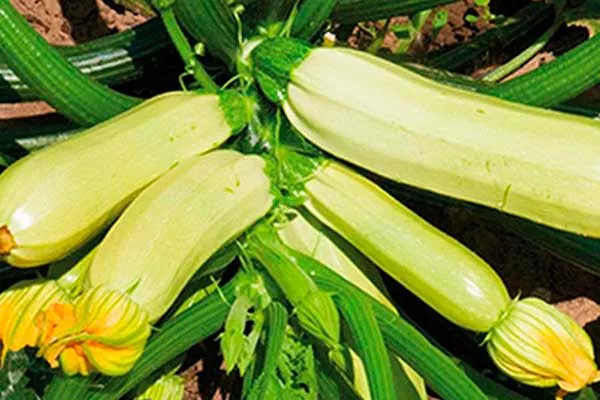
  • bush type – powerful and compact;
  • leaf color – dark green;
  • surface of the leaf blade – aerenchymatous (spotted);
  • foliage type – very dissected;
  • root system – well developed.

Galaxy variety

The roots of the hybrid are unpretentious - they are able to develop even in very dense clay and salty substrate.

Fruits, their taste and purpose

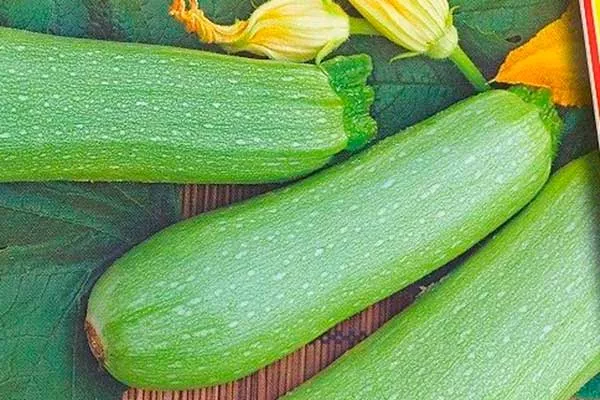
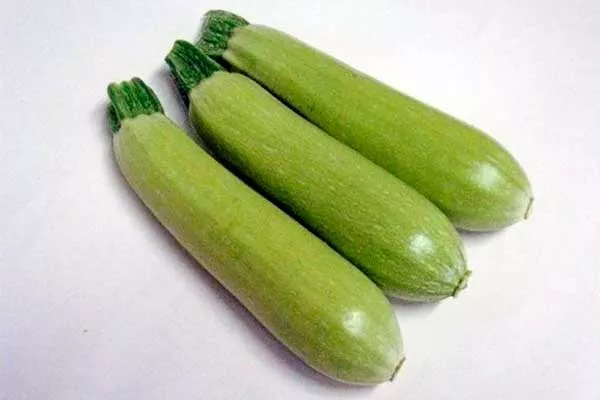
Pumpkins of this variety are medium-sized—they range from 15 to 23 cm in length and from 4 to 8 cm in diameter. Consider other external factors as well:

  • the mass of one vegetable is 500-600 g;
  • form - by cylinder type;
  • color - light green;
  • surface – glossy and ribbed, with peculiar small inclusions;
  • skin – refined, delicate (easily damaged mechanically);
  • pulp – very light green, almost white;
  • seeds – medium in size, creamy in color, elliptical in shape.
Fruits, their taste and purpose

The taste is excellent – ​​the flesh is tender and juicy. It contains about 2.9% sugar. Pumpkins are versatile – they can be canned, fried, stewed, boiled, and steamed. They also make delicious jam.

Characteristics

Galaxy F1 is a partially parthenocarpic variety, allowing for pollination even without insect pollinators. The hybrid produces fruit for 50-60 days, allowing for extended harvests. Other features:

  • demanding in cultivation – loves heat, prefers abundant light and humidity;
  • marketability – external indicators are excellent;
  • transportability and shelf life – If you arrange the pumpkins correctly, the results will be high;
  • Recommended regions for cultivation – Central Black Earth District, but can be grown equally successfully in the south and north of Russia;
  • disease/pest resistance – high, but at an average level of susceptibility to powdery mildew, viral pathologies and fusarium wilt;
  • harvest time – 30-40 days from the formation of sprouts;
  • frost resistance – excellent, the variety easily tolerates sudden cold snaps;
  • stress resistance – at a high level (you can pick out the seedlings when growing them).
Characteristics

Yield: Up to 9-11 kg of fruit can be harvested per square meter. In industrial cultivation, the average yield per hectare ranges from 380 to 725 centners, but the highest officially recorded yield is 1,033 centners.

Growing and care

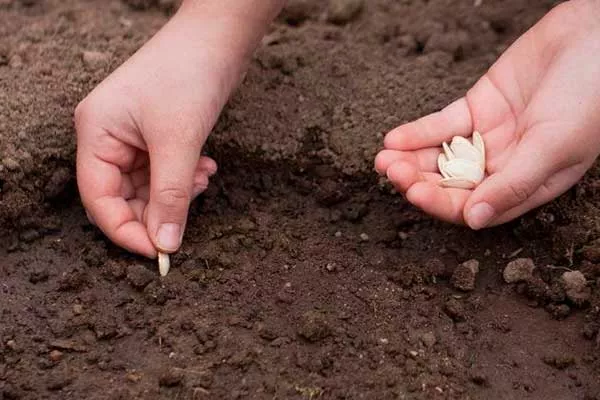
The timing of sowing seeds outdoors varies by region. In the central part of the country, Galaxy is planted in early May, a little earlier in the south, and later in colder climates. If planting in a greenhouse, the exact date is determined by the gardener, depending on the type of greenhouse, etc.

Critical conditions for successful cultivation
  • ✓ The soil temperature for sowing should be at least +12°C for optimal germination.
  • ✓ Protection from wind is necessary, especially during the initial stages of growth, to prevent damage to young plants.
sowing

The hybrid isn't particularly demanding when it comes to soil, but like any plant, it will produce more fruit in loose, breathable soil. Consider some varietal-specific growing nuances:

  • Place at least 2 seeds in one hole, so when the seedlings appear, be sure to remove the weakest plant, leaving the healthiest and strongest one;
  • the optimal distance between plantings is 60-65 cm for a staggered arrangement and 60x100 cm for a linear arrangement;
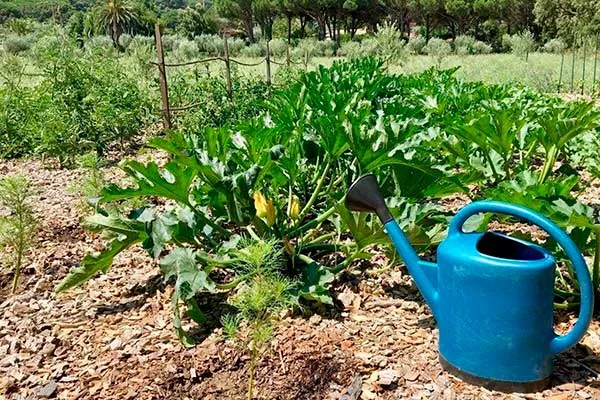
  • Care consists of moistening the soil as needed (when a dry crust begins to form on the surface) and fertilizing (it is advisable to use organic matter and a little complex minerals).
Optimization of watering and fertilizing
  • • To increase the efficiency of watering, use drip irrigation, which will provide uniform moisture without over-watering.
  • • Foliar feeding with microelements during the flowering phase will increase yield.

Growing and care

Try to lay mulch (grass, straw, hay, etc.) in areas where pumpkins grow to keep the fruits dry and clean.
Common mistakes when growing
  • × Avoid dense plantings, as this will reduce yields and increase the risk of diseases.
  • × Do not use fresh manure immediately before planting, as this may cause root burns.

Review of reviews

Margarita Uvarova, 57 years old, Lgov.
The variety is zoned for our region, which is probably why it grows so effortlessly. I barely care for the bushes during the growing season, only paying attention to watering. And surprisingly, the yields are quite high.
Elena Semenchenko, 32 years old, Rasskazovo.
Galaxy has very tasty and tender fruits, especially if they're picked before they're fully ripe. I always can these zucchini, which I recommend to everyone. Growing them is also a joy. I sow the seeds in the garden around May 10th-15th, and by the end of June, I'm already harvesting the first fruits. I'd like to mention the seeds separately—even in overripe zucchini, they're not too tough, so they're also great for cooking and canning. I definitely recommend this variety.
Leonid Markov, 52 years old, Lyubertsy.
I never fertilize Galaxy, but before planting in early spring, I add about 5-6 kg of manure (per square meter) when digging the bed. I only plant it in the sunniest spots—one year, I changed the location, and the yield was lower. I water it about 1-2 times a week, but I always mulch the area around the trunk to reduce the need for watering. The flavor is fine, even slightly sweet, and the flesh is very tender, perfect for adding fresh to salads.

Galaxy zucchini is versatile and easy to care for, but should be planted exclusively in well-lit areas. The soil quality and composition are irrelevant. It can be grown in all regions of our country, so both open beds and heated greenhouses are used.

Frequently Asked Questions

What type of soil is best avoided despite the unpretentiousness of the root system?

Is it possible to harvest fruits later than the stated ripening period without loss of quality?

How often should you water in hot climates?

Which companion plants will increase yields?

What is the minimum spacing between bushes for compact planting?

Can seeds from fruits be used for planting next year?

What fertilizers are contraindicated for this hybrid?

How to protect the delicate skin of fruits from mechanical damage during harvesting?

What growing mistakes lead to bitter pulp?

Is this variety suitable for vertical growing on a trellis?

How to extend the fruiting period in open ground?

What pests most often attack this hybrid?

Can it be grown as a spacer between other crops?

What pre-planting seed treatment method is critical?

What is the optimal storage temperature for harvested fruits?

Comments: 0
Hide form
Add a comment

Add a comment

Loading Posts...

Tomatoes

Apple trees

Raspberry