
The Drakosha zucchini is an early variety bred in Russia that easily adapts to a wide range of growing conditions. It is suitable for open ground cultivation and boasts high yields, while its excellent flavor will satisfy even the most discerning gourmets and gardeners.
Who and when bred the Dragon squash?
This variety is rightfully considered one of the most promising domestically bred varieties. It was developed in 2010 by breeders from the Gavrish agricultural firm. It was added to the State Register in 2013 after completing the required variety trials.
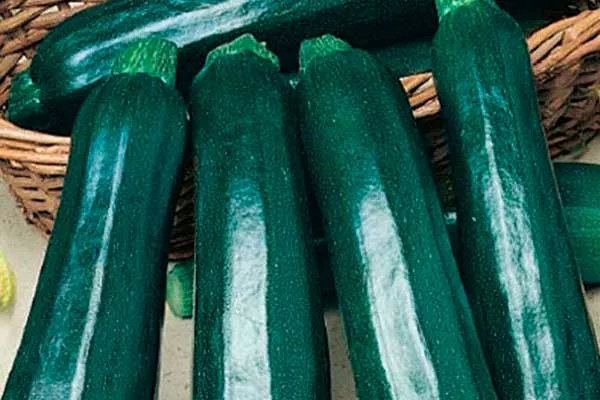
The Drakosha squash has been zoned for the Central Region. Authors: S. F. Gavrish, V. V. Morev, E. V. Amcheslavskaya, O. A. Volok
Description of the variety
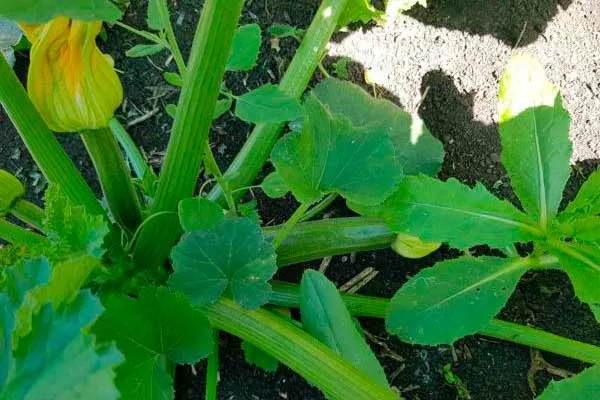
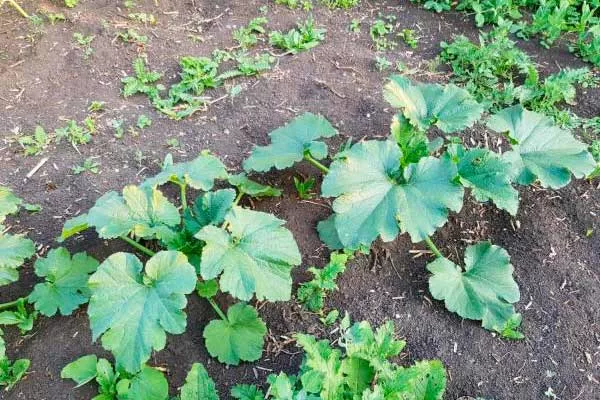
This variety is a bush type. The Drakosha squash has moderately branched bushes with medium foliage. The leaves are green, medium-sized, and dissected. The leaf color is uniform, without spotting. The flowers are light yellow, primarily female.
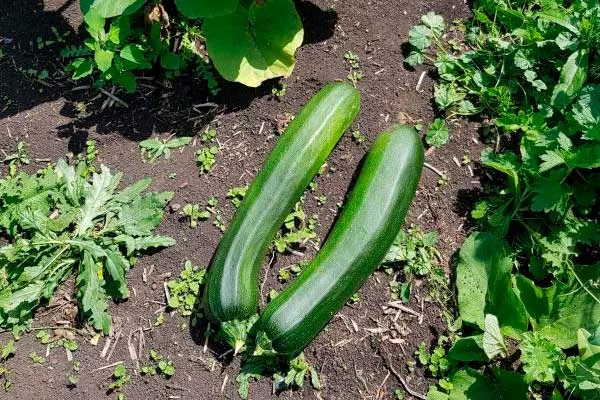
- ✓ Dark green, sometimes black-green, fruit color.
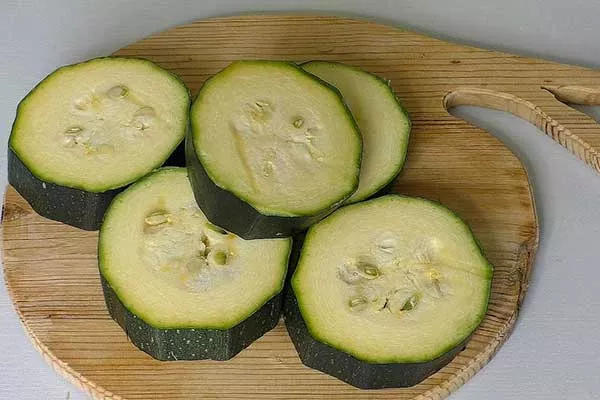
- ✓ The pulp is light beige, dense, tender, oily and juicy, without fibers and voids.
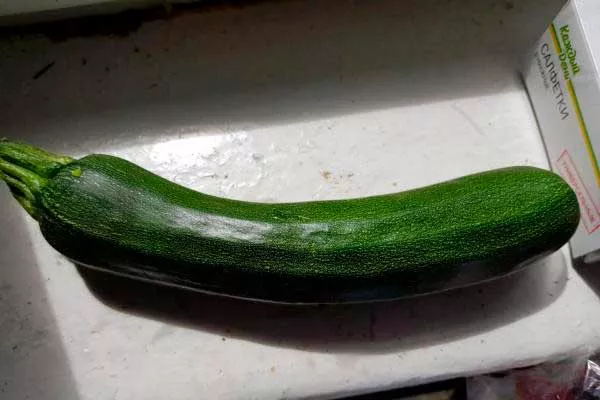
The fruits are large, smooth, and elongated-cylindrical. Some specimens are arched-cylindrical. They are slightly ribbed. The color is dark green, sometimes blackish-green.
Productivity
The Drakosha zucchini is a high-yielding variety. One plant produces 7-8 kg of zucchini. Gardeners typically harvest 10-11 kg per square meter. When grown commercially, approximately 700-730 centners per hectare can be harvested.
Ripening time
This variety belongs to the early-ripening group. Its growing season lasts approximately 40 days. The first fruits ripen in July (in temperate climates). Fruiting lasts several weeks. The zucchini is harvested every 3-4 days to prevent overripening. The fruits are most delicious when they reach 14-15 cm in length.
Pros and cons
The dragon plant easily becomes a favorite among summer residents and gardeners, as it has a full range of advantages that attract lovers of this crop.
No particular drawbacks have been identified with this zucchini. It's worth noting, however, that the variety doesn't tolerate waterlogged soil or lack of sun.
Landing features
The Drakosha squash can be grown using either seedlings or non-seedlings (from seeds). In the south and central parts of the country, the latter method is used; in regions with cold and short summers, seedlings must be grown first.
- ✓ Optimum soil temperature for seed germination: +10°C.
- ✓ Seeding depth: 4-5 cm.
- ✓ Distance between plants: 70x70 cm.
Features of planting zucchini:
- Seeds are sown outdoors in late May or a little later. In the south, sowing occurs a few weeks earlier. Planting begins when the weather becomes consistently warm—around 12°C—and the soil warms to 10°C.
- Choose a well-lit area for planting. The soil should be loose and fertile, with a neutral pH. To achieve this, dig the area in the fall, adding humus or compost, and if necessary (in heavy soils), coarse river sand. Acidic soils are deacidified with lime or dolomite flour.
- The best predecessors for zucchini are carrots, radishes, cabbage, and tomatoes. They should not be planted after pumpkins, watermelons, or cucumbers.
- Seeds are sown in open ground, after making furrows or digging holes. The optimal planting pattern is 70x70 cm. Seeds, pre-treated with disinfectant solutions and sprouted, are planted 4-5 cm deep.
Caring for zucchini
Care is standard; growing it requires no special effort. Water the zucchini every 4-7 days, with the frequency depending on weather conditions and soil conditions. It's important to keep the soil slightly moist, not dry out, but not waterlogged.
The beds are regularly loosened, preferably after each watering or rain. Weeds are removed simultaneously with loosening. Zucchini are fertilized 2-3 times to ensure the plants have enough nutrition and strength for fruiting. Zucchini respond well to organic fertilizers, humus, or compost.
It is recommended to mulch the soil around the plants with loose organic matter; this simple measure allows you to reduce the amount of watering and weeding.
Resistance to diseases and pests
Zucchini isn't a disease-prone crop. The Drakosha variety is no exception and boasts excellent immunity. Problems may only arise in the event of severe agricultural practices violations and unfavorable weather conditions.
Fungal diseases are the most common problem affecting zucchini. These are often caused by high humidity. Plants can be affected by various rots, anthracnose, apical rot, powdery mildew, and other diseases. Following proper agricultural practices can help prevent these diseases, and if signs of disease appear, spray with Baktofit, Fitosporin-M, or other fungicides.
Application
Ripe zucchini of the Drakosha variety have a pleasant and balanced flavor, making them widely used in cooking. They are suitable for frying, stewing, baking, stuffing, canning, freezing, and for use in salads and various appetizers. This variety is popular in baby food and dietetic nutrition.
Reviews
The Drakosha zucchini is an interesting variety that deserves the attention of gardeners, vegetable growers, and farmers. It can be grown both for home use and for sale; it's a truly versatile variety suitable for all occasions.