
The Delicatess zucchini has gained popularity for its ease of care and tolerance to a variety of climatic conditions. These qualities make it an excellent choice for both experienced and novice gardeners. With proper cultivation practices, you can achieve consistent yields and large vegetables suitable for a variety of uses.
Breeding history
Experts from the Poisk agricultural firm, Maksimov S. V., Klimenko N. N., and Simanova A. F., worked on the variety's development. It was approved for use in 2006. It belongs to the zucchini category and demonstrates high yields.
Characteristics of the appearance of the plant and fruits
This is a bushy plant of medium size. It has the following distinctive features:
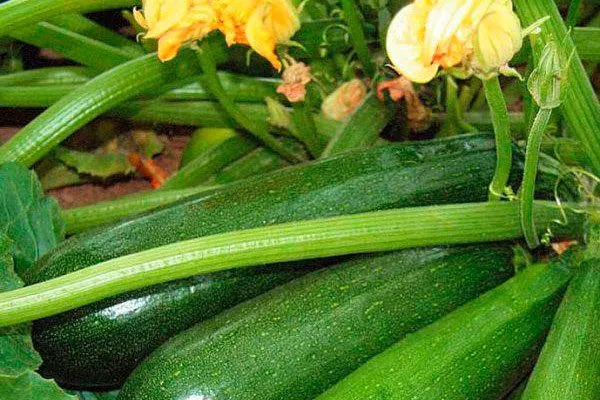
- The shoots are densely covered with large, dark green leaves. White spots appear on the surface of the foliage.
- The fruits have a cylindrical configuration and reach a length of about 30-35 cm, the diameter is 7-8 cm.
- The weight of one zucchini reaches 0.9-1.9 kg.
Purpose and taste
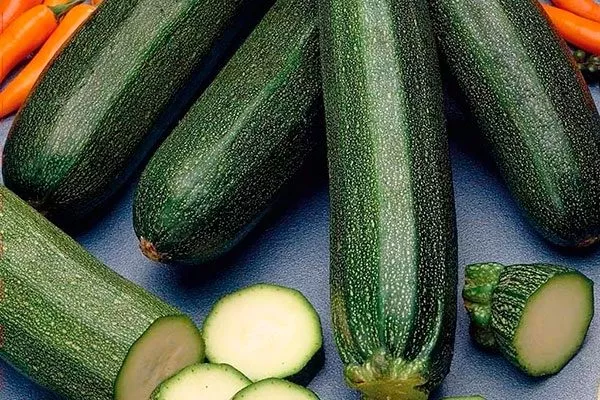
The flesh is characterized by a crisp texture, high sweetness, juiciness, and tenderness. These characteristics make it ideal for canning and various culinary recipes.
Fruit maturity period, yield
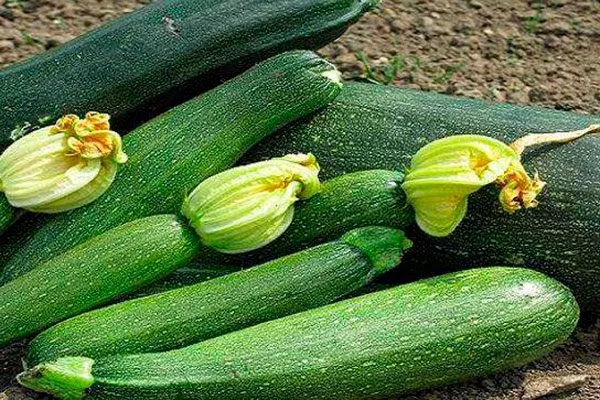
The Delikates zucchini is an early variety. The time from germination to harvest is approximately 40-45 days. This crop is known for its high yield, reaching 416 to 804 centners per hectare. Thanks to its excellent transportability, this variety easily withstands long-distance shipping.
Soil requirements
Zucchini doesn't thrive in acidic soils with high groundwater levels. Depending on the type of cultivation, specific soil requirements exist.
For sowing seeds
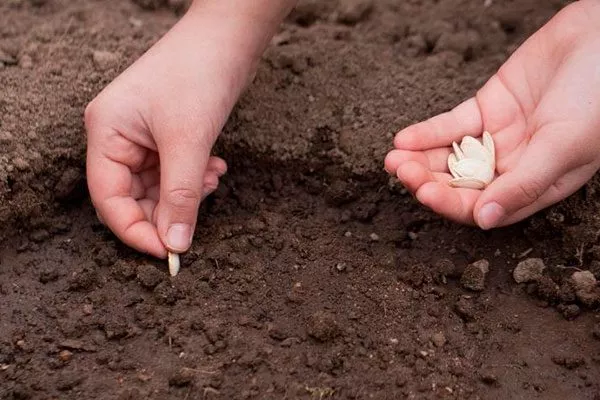
The soil for growing seedlings should have a neutral or slightly alkaline pH. It is recommended to mix it with 50% peat soil, 20% humus, 20% turf, and 10% sawdust. Ash or lime can be added to reduce soil acidity if needed.
- ✓ The optimal soil temperature for sowing seeds should be at least +12°C at a depth of 10 cm.
- ✓ To prevent fungal diseases, add 1% perlite or vermiculite to the soil mixture to improve aeration.
For growing seedlings after transplanting
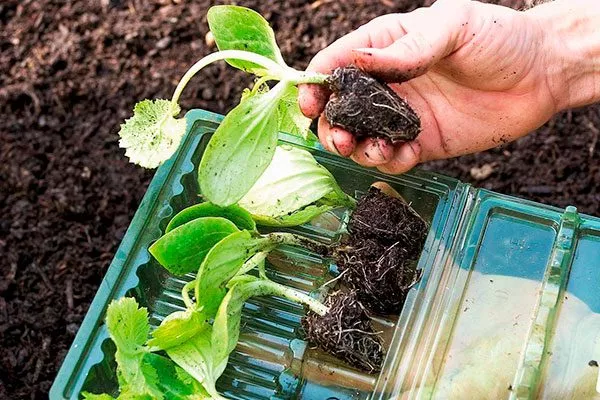
Light sandy loam and loamy soils are favorable for seedlings. It is important that the soil remains well-warmed throughout the entire fruit growth period.
Selecting a site
For successful cultivation, choose sunny or partially shaded areas. Good precursors for Delicatess zucchini include:
- parsley;
- beans;
- peas;
- cabbage;
- potato;
- onion;
- carrot;
- radish;
- radish;
- turnip;
- tomato.
Planting, growing and transplanting seedlings
Before planting, prepare each hole by adding a little ash and humus, mixing them into the soil. Then, plant the seedlings with a lump of soil, burying them up to the cotyledons, and add soil, compacting it, and watering.
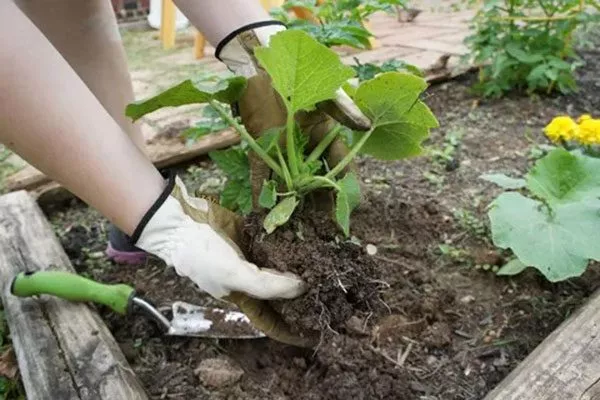
Plant seedlings in warm, cloudy weather. If there's a risk of frost at night, protect each seedling with a plastic bottle or install metal arches covered with plastic. The day after planting, loosen the soil in the area.
Care instructions
Water your zucchini in the evening using sun-warmed water. Follow these recommendations:
- During hot weather, when the zucchini leaves have not yet closed, water the beds daily.
- Once the leaves cover the soil, switch to a watering regime of once every 5-6 days in cool and cloudy weather, and once every 2-3 days during hot weather.
- Apply water to the roots and place planks under the ripening zucchini to prevent them from rotting.
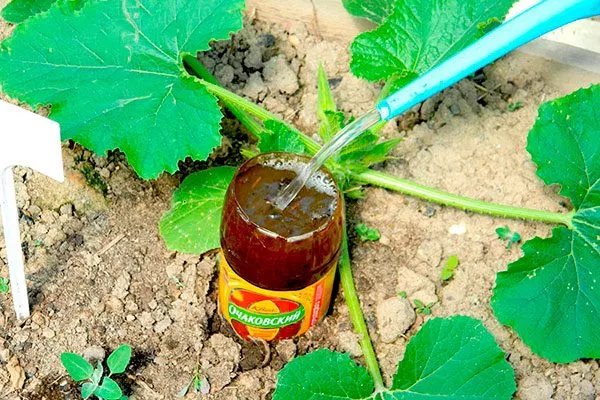
Zucchini respond well to organic matter. Feed them with an herbal infusion:
- After weeding or mowing, fill the barrel almost to the top with them, add water and, stirring the contents daily, let it steep for a week.
- Strain and dilute the infusion with water in a ratio of 1:8.
- Water the zucchini two weeks after transplanting outdoors, being careful not to let the infusion get on the leaves and stems. Fertilize the seedlings again a week later.
- You can alternate green manure with liquid manure. Dilute the manure with water 1:10, let it sit in the sun for three days, then water the soil around the roots, preventing the manure from getting on the leaves and stems.
- Apply the third feeding when the ovaries begin to appear: add 20 g of double superphosphate and 200 g of sifted wood ash to 10 liters of grass or manure fertilizer.
Reviews
The Delikates zucchini combines ease of cultivation, abundant yields, and excellent fruit quality. Known for its easy care and consistent production of delicious fruit, this variety is becoming increasingly popular among gardeners. It's important to follow basic cultivation practices to produce large, high-quality zucchini.