
The Black Beauty receives positive reviews from gardeners because it combines several important consumer qualities: early ripening, high yield, and a delicate, delicious flavor. The plant itself is undemanding and only requires timely implementation of certain agricultural practices. A more detailed description of the variety and cultivation guidelines can be found below.
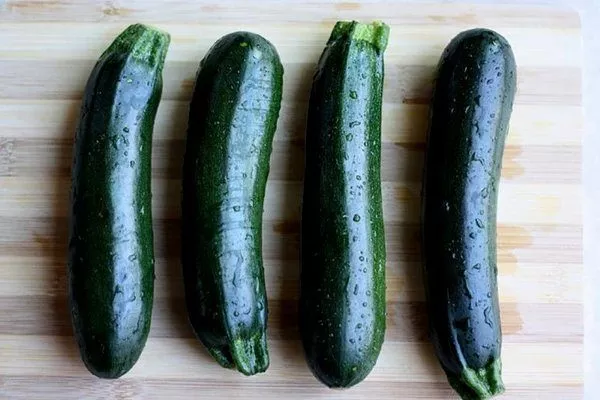
Black Beauty Zucchini
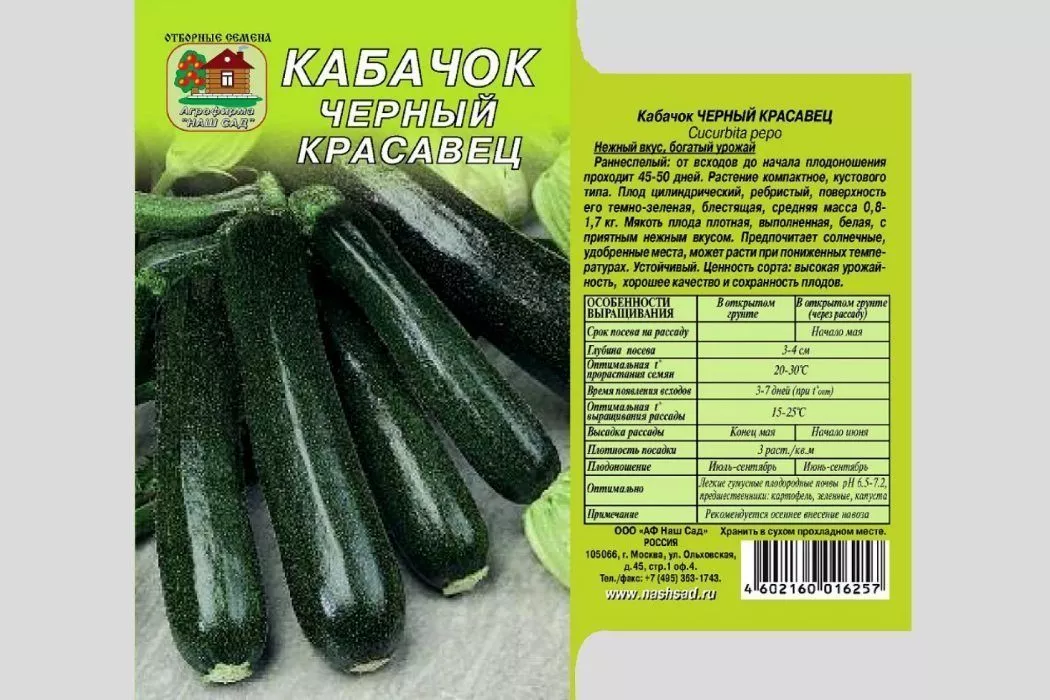
Black Beauty Zucchini Seeds
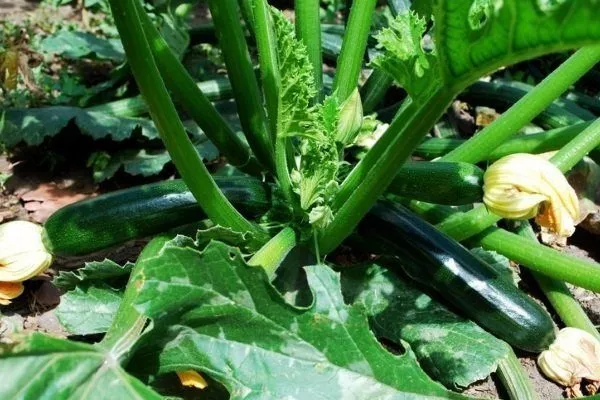
Black Beauty squash bush
Description of the variety
It was developed jointly by breeders S. V. Maksimov and N. N. Klimenko, and in 2006 it was included in the State Register of Breeding Achievements for cultivation in regions such as:
- Central Federal District (CFD);
- Central Black Earth Region;
- Northwestern Federal District (NWFD);
- Volga-Vyatka region.
In the first two locations, the variety is supposed to be grown in soil conditions, and in the last two – in greenhouse conditions.
The characteristics of the variety are given in the table:
| Parameter | Description |
| Ripening period | The variety is early maturing, meaning it will produce harvestable fruit within 45-55 days after the first shoots have formed. |
| Plant characteristics | This zucchini is a bush variety of squash and forms a compact, leafy bush during the growing season. Let's examine its components separately:
|
| Fruit characteristics | Here's some information you should know about Black Beauty:
The fruits have good shelf life and can withstand long-distance transportation. |
| Scope of application | This zucchini is versatile, so its fruits can be used for boiling, stewing, frying, pickling, canning, etc.
Young zucchini, 10-15 cm in size, have a delicious and delicate taste, so they can be used fresh, added to vegetable salads as a substitute for cucumbers. |
| Productivity | Proper agricultural practices will yield 9-10 kg of fruit per bush. Per unit area, with a 60x60 cm planting pattern, the yield is approximately 20 kg per square meter.
With a 60x100 cm planting pattern, you can harvest up to 15 kg of fruit per square meter. The fruiting period lasts at least three weeks. Throughout this period, zucchini maintains its high commercial quality. |
| Disease resistance | Black Beauty demonstrates high resistance to the main diseases that threaten plants in the Cucurbitaceae family, including powdery mildew and anthracnose. |
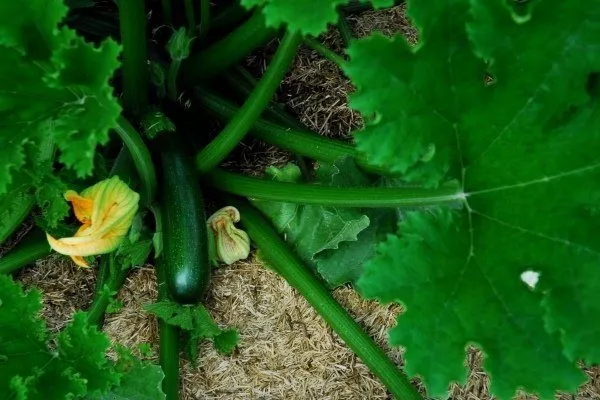
Agricultural technology
Zucchini can be planted only after warm weather sets in. By this time, daytime temperatures should be around 23°C (73°F) and nighttime temperatures should not drop below 19°C (66°F). The soil should warm to 10–15°C (50–59°F).
Typically, this schedule is established from mid-May to early June. If the vegetable is planned to be grown under plastic, the sowing date can be moved forward to the second ten days of April.
To extend the harvest period, sowing can be done in 4-5 stages with an interval of 5-6 days.
The method of cultivating vegetable crops depends on the climatic factor:
- In warm regions, seeds can be sown directly into open ground.
- In areas with a short summer season, it's best to use seedlings. In this case, seeds should be sown in February or March. Within 25-30 days, the seedlings will have developed several true leaves and are ready for transplanting to their permanent location.
Site selection and soil preparation
Black Beauty should be grown in areas protected from winds and drafts, with 8-12 hours of direct sunlight. Favorable precursors include:
- legumes (better than other crops they enrich the soil with nitrogen compounds necessary for zucchini);
- potato;
- cabbage (white cabbage, cauliflower);
- onion;
- garlic.
Zucchini should not be grown after cucumbers, squash, or other cucurbits. They can only be returned to their original location after 3-4 years.
When choosing a suitable site, it's also worth considering the favorable neighborhood factor. Beans, greens, or radishes are best planted near a zucchini bed, as they suppress weeds. Nasturtiums, marigolds, or fragrant herbs (thyme, basil) can also be planted nearby—all of these repel potential pests while attracting pollinating insects.
The soil should be light and fertile. Loams and black soils with a neutral pH are good options. If the soil is heavy and contains a lot of clay, sand should be added to the planting holes to improve its mechanical composition.
- ✓ Soil pH should be between 6.0-7.5 for optimal nutrient absorption.
- ✓ The soil should have high moisture capacity, but at the same time be well drained.
The selected plot should be prepared for planting zucchini. To do this, in the fall, add organic matter (manure, chicken manure, or compost) and dig it in with a spade. In colder regions, zucchini can be grown in a compost heap or a warm bed, prepared as follows:
- Place any organic matter into the soil:
- semi-rotted manure;
- fallen leaves;
- straw;
- sawdust;
- tops (tomato, cucumber, beetroot);
- food waste.
- Lightly compact the bed and cover it with a layer of soil. Before planting, dig it over, remove all plant debris, level it, and dig holes.
In such a bed, heat-loving zucchini will grow and bear fruit quickly, constantly receiving heat and carbon dioxide from rotting organic matter.
A similar "hill" can be prepared in the spring, but the procedure is slightly different. First, you'll need to dig small trenches in the ground (about the depth of a shovel blade), then fill them with all the organic matter and cover with soil. In this bed, dig holes and add a handful of humus and wood ash. Water the mixture thoroughly with hot water, and then plant the seeds or seedlings.
Pre-sowing seed treatment
To ensure rapid and simultaneous germination of seeds, they must undergo pre-sowing treatment. This involves the following steps:
- Check all seeds visually and by touch, removing any hollow ones (they will not produce seeds).
- To disinfect, soak the seeds for 20 minutes in a pink solution of potassium permanganate, then rinse with clean water.
- For quick germination, keep the seeds in a growth stimulator for 24 hours or potassium/sodium humate (1 teaspoon per 1 liter of warm water).
- To encourage germination, wrap the seeds in a damp cloth and keep them in a warm place for 2-3 days. During this time, keep the cloth moist.
Seeds with sprouts are suitable for planting in warmed soil.
Seedless cultivation method
Sprouted seeds are sown into warm, loosened soil, taking into account the following recommendations:
- The optimal planting pattern is 60x60 cm, but the intervals between holes can be reduced to 35-40 cm if there is concern that not all the seeds will germinate. If the vegetable is planted in several rows, about 1 m should be left between them; otherwise, vigorous plants will not have enough space to fully develop.
- Plant seeds 5-7 cm deep, but in heavy soils the optimal planting depth is 3-5 cm.
- Place 2-3 seeds in each hole. If several seedlings appear after a week, leave the strongest one and remove the others (pinch them off above ground level rather than pulling them out, to avoid damaging the entire root system).
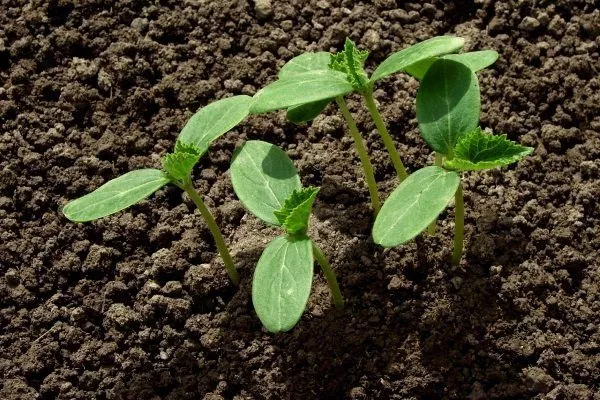
After planting, the soil should be kept moist mulch using humus or compost to retain moisture and prevent the growth of weeds.
Planting zucchini from seedlings
About a month before transplanting the seedlings into open ground, sow the seeds in individual plastic or peat pots 10-15 cm high, as the vegetable crop does not tolerate transplanting well. Grow the seedlings in the following order:
- Fill the cups halfway with the nutrient solution. If the plant grows too tall in the future, the extra space left allows you to gently twist the stem in the pot and cover it with soil up to the cotyledons.
The soil mixture itself can be purchased at a gardening store or prepared at home by mixing nutrient-rich soil with leaf mold. It's a good idea to add a handful of wood ash. urea or ammonium nitrate and other mineral fertilizers. The resulting mixture should be disinfected by watering with a Fitosporin solution. - Place two seeds at a time into slightly moistened soil, 3 cm deep, with the sprouted roots facing down. If all the seeds sprout, only the strongest sprouts should be left.
- Place the seed pots in a warm, bright room until the first sprouts appear. Moisten the soil at least once a week to prevent it from drying out.
- Seven to ten days before planting, begin hardening off the seedlings by taking them outdoors for 2-3 hours daily. Gradually increase this time period so that the plants spend the entire day outdoors.
Seedlings with 2-3 leaves should be transplanted into the garden bed early in the morning or on a cloudy day to minimize stress on the plants. The holes should be 60-70 cm apart. It's best to keep 80-90 cm between rows.
You can add humus, compost, ash, rotted sawdust, or peat to each hole, at a rate of one bucket of nutrient mixture per plant. Make a hole in the resulting mixture, plant the seedlings with the root ball, cover with soil up to the cotyledons, water with warm water, and compact lightly.
If there's a risk of frost returning, keep the seedlings covered with plastic during the first few days and ventilate them regularly. If the seedlings were planted on very sunny days, to prevent them from being burned by the scorching sun, shade them with agrotextile or a large, cut-off plastic bottle. Once the plants have established themselves and begin growing vigorously, remove the covering.
Caring for the Black Beauty
It consists of carrying out several simple manipulations in a timely manner.
Watering
Zucchini requires a lot of moisture, as they are 90% water. However, be careful not to overwater, as this can damage the plant's root system. The optimal watering schedule is as follows:
- Before the flowering periodTo prevent crust formation on the top layer of soil, water the plant once a week at a rate of 5 liters of water per bush or 5-6 liters per 1 square meter.
- During floweringIncrease watering frequency to 3-4 times a week, and water consumption to 8-9 liters per 1 sq. m.
- During the fruiting period (fruit formation)Water at least twice a week, pouring at least 10 liters of water under each bush.
On dry days, the zucchini bed should be watered once every 2 days.
When watering, use only warm water, as cold water will cause buds and fruit to rot. Apply directly to the roots, avoiding drips on the tops.
Loosening
Vegetable roots grow close to the soil surface, so some gardeners don't loosen the soil around the plants. In this case, it's crucial to prepare the bed in advance—by loosening it and removing all weeds before planting.
If the soil was poorly prepared, a few hours after watering, you can lightly loosen it. This procedure will be unnecessary if you plant greens, radishes, or beans near the zucchini bed. Such plantings prevent weed growth, and by the time the zucchini bushes have formed, they will have finished fruiting and be ready for harvesting.
Formation
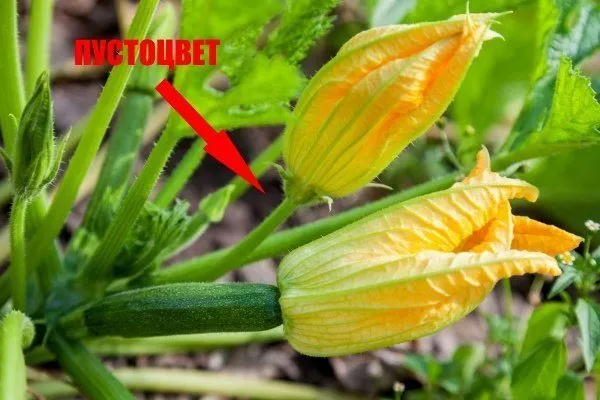
Black Beauty isn't a climbing zucchini variety and doesn't require much training. However, its bushes grow vigorously, and the large lower leaves shade the fruits on the central stem and hinder pollinating insects. To prevent this from interfering with abundant flowering, regularly remove the lower yellowing leaves, but no more than three at a time. Barren flowers—flowers without ovaries—should also be removed.
Top dressing
The plant constantly blooms and bears fruit, expending too much energy on these processes. To maintain the plant's vitality, it should be fertilized three times during the growing season:
- Before the flowering phaseApply an infusion of bird droppings or mullein (0.5 liters of organic matter per 10 liters of water) to the bush at a rate of 2 liters per plant. An alternative option is a nitroammophoska solution (20-30 g per 10 liters of water).
- During the flowering periodFertilize with a potassium-phosphorus mixture. To prepare it, mix 50 g each of potassium nitrate and superphosphate, then dilute in 10 liters of water. Apply 1 liter of fertilizer per bush. The plant can also be fertilized with potassium humate.
- At the stage of ovary formationAs a final dressing, apply an organic fertilizer with wood ash infusion.
Zucchini should not be fed with products that contain chlorine.
Supplemental feeding is only necessary if sufficient nutrient mixture is applied when planting the crop. In this case, zucchini plants can be watered with an infusion of nettles or other weeds. Prepare it as follows:
- Fill the pot 3/4 full with weeds and add water to leave enough room for fermentation. Otherwise, the liquid will spill over the edge as it decomposes.
- Cover the pan with film and tie it to prevent oxygen from entering and nitrogen from escaping.
- Leave the mixture for about two weeks. This will be enough time for the fermentation process to complete and for the mixture to acquire its characteristic stable smell.
The prepared mixture should be diluted with water 1:2 for root feeding and 1:5 for foliar feeding. Apply in conjunction with watering.
The weed infusion will not only be an excellent fertilizer for zucchini, but will also protect the crop from potential pests (it repels them with its pungent smell).
Pollination
If the bushes aren't producing enough ovaries, you need to attract even more pollinating insects. To do this, spray the plant with sugar syrup or sweet water.
Protection from diseases
For prevention purposes, you should adhere to the following rules for growing zucchini:
- observe crop rotation and do not plant vegetable crops in the same place for 2 years in a row;
- do not flood the bushes with water, creating a favorable environment for the development of pathogenic microflora;
- Before planting, seeds must be disinfected;
- follow the above planting patterns and do not plant too densely;
- At the first signs of disease, remove the affected parts of the plants or the entire bush (they must be removed from the site and burned), and treat the rest of the planting with chemicals.
Harvesting and storage
The harvest period is July-August. Zucchini, 15-20 cm in size, should be cut with a stem at least 5-10 cm long. To stimulate the development of new ovaries, the fruits should be picked every 2-3 days, preventing them from becoming overripe. Immediately after harvesting, it is recommended to water the plant generously.
For long-term storage, select zucchini weighing approximately 1 kg and harvested before the onset of frost. Wipe the soil off with a dry cloth, rather than rinsing with water. Store them open, not in plastic bags, as condensation will cause them to rot. It's a good idea to sprinkle sawdust or place scraps of newspaper between the zucchini.
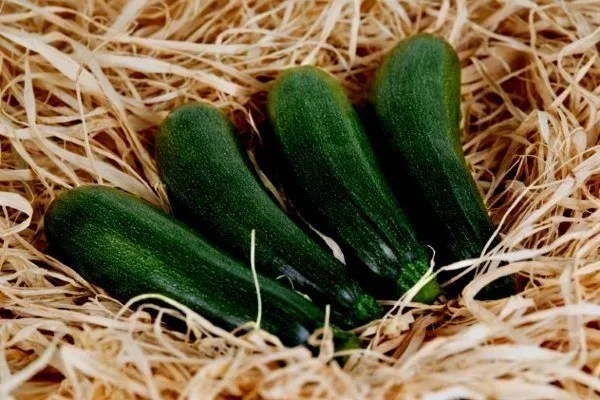
Store zucchini in a dry, cool, and dark place at a temperature of 4 to 10°C. This could be a basement, cellar, or pantry. In such a place, they can be kept for up to 2 months.
Pros and cons of the variety
Black Beauty's strengths:
- has an early ripening period;
- has an excellent appearance and taste (thin skin and tender, juicy, dense pulp);
- grows as a compact bush, but has a high yield - up to 20 kg of fruit per 1 sq. m;
- bears fruit for a long time;
- produces fruits for general purposes that have good shelf life (about 2 months) and transportability.
This variety has no obvious drawbacks, but some gardeners note that it loves warmth and is sensitive to cold snaps. The fruits themselves spoil quickly at room temperature, so they should be stored either in the refrigerator or in a cellar.
Reviews of Black Beauty
A short review is provided in the video below:
Black Beauty is an early-ripening zucchini variety that produces smooth, almost black fruits up to 25 cm long and weighing up to 1 kg. The plant itself is compact and easy to grow—even an inexperienced gardener can grow it in their own backyard.