
The Betsy F1 zucchini is a relatively new hybrid variety bred in Russia. This productive and hardy hybrid with classic light green zucchini is ideal for open ground cultivation and can be grown for both food and commercial purposes.
Description of Betsy's zucchini
The Betsy variety is a vigorous, bushy plant characterized by shortened internodes. The leaves are medium to large, green, spotted, and deeply dissected. The concentration of female flowers is high.
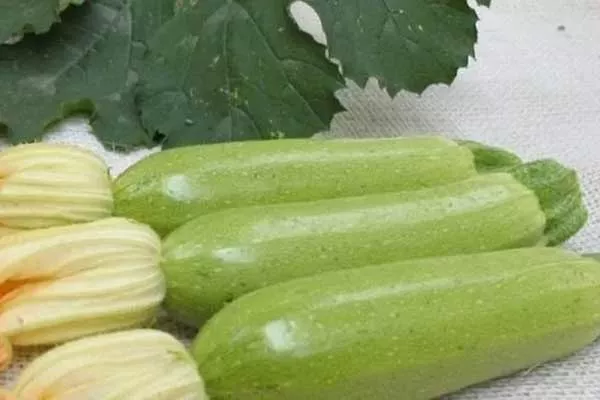
Description of fruits:
- shape - cylindrical, with a thickening on the flower side;
- the skin color is light green, with slight marbling;
- surface - smooth, glossy;
- the pulp is dense and juicy, from white to light green in color;
- length - 16-22 cm;
- diameter - 4-7 cm;
- seeds are elliptical, medium-sized, cream-colored;
- roots - powerful, well branched;
- fruit weight: 300-350 g.
Who and when developed the Betsy variety?
The Betsy F1 zucchini was bred by V. V. Osipov. The variety was approved for cultivation and included in the State Register for the Central Black Earth Region in 2011. The originators of the variety are: Grinomika LLC and Sembiotek Scientific and Production Company LLC.
Taste and purpose of fruits
The Betsy hybrid zucchini has excellent flavor. Its pulp contains 5.2-6.0% dry matter. The fruits are suitable for both edible and processed. This zucchini can be fried, stewed, and used in a wide variety of culinary creations.
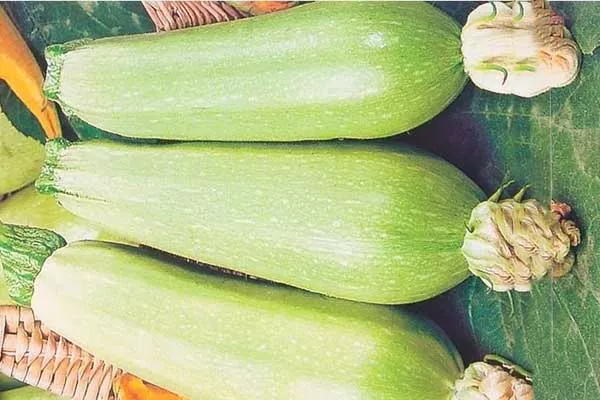
Betsy zucchini is also ideal for a variety of preserves; it can be canned and frozen for storage. In winter, frozen zucchini can be used to create vitamin-rich dishes.
- ✓ High cold resistance, which allows cultivation in more northern regions.
- ✓ Moderate resistance to fusarium wilt and powdery mildew, which reduces the need for chemical treatments.
Main characteristics
The Betsy F1 hybrid has a mid-early ripening period. From germination to fruit ripening, it takes approximately 40 days (39 to 43). The average yield is 10 kg per square meter. The hybrid is cold-resistant and moderately resistant to fusarium wilt, powdery mildew, and viral infections.
The pros and cons of Betsy zucchini
Before choosing the Betsy hybrid variety, it's worth familiarizing yourself with all of its advantages and finding out if it has any serious drawbacks.
Rules and features of planting
In order for the Betsy F1 hybrid to grow and develop well, show high yields and produce high-quality fruits, it must be planted correctly.

- ✓ Soil pH should be between 6.0-7.5 for optimal growth.
- ✓ The soil must be well-drained to avoid waterlogging and root rot.
Landing features:
- Betsy zucchini is planted in a sunny and warm area, without drafts or strong winds.
- For good growth, Betsy zucchini requires loose, fertile soil. Prepare the soil for planting in the fall by digging it deeply, adding compost, humus, or other organic matter, as well as mineral fertilizers, wood ash to deoxidize acidic soils, and sand to loosen clay soils.
- In the south, zucchini is grown by direct seeding, beginning in April as soon as the soil has warmed sufficiently (at least 12°C). In more northern regions, sowing occurs in May.
- In areas with late springs, zucchini is often grown using seedlings. Seeds are sown in April for seedlings, and the seedlings are planted in the ground in May or early June. This method allows for a faster harvest.
- For planting, prepare holes measuring 60x60 cm. Sow 2-3 seeds in each hole, planting them 4-5 cm deep. When seedlings emerge, leave the strongest one and carefully remove the others. Seedlings are planted using a similar pattern.
- If there is a risk of recurrent frosts, the plantings are covered with film at night, and it is usually removed during the day.
Care requirements
With good care and proper agricultural practices, the Betsy F1 hybrid will bear fruit for a long time.

Rules for caring for Betsy zucchini:
- Water the zucchini beds as the soil dries out. If there's no rain, watering is essential. Until buds form, water the plants once a week; during active fruiting, water more frequently—once every 2-3 days. Water directly at the roots, avoiding contact with the leaves.
- Zucchini are fed approximately once a month. Fertilizers are applied before bud formation, during flowering, and fruiting, alternating between organic and mineral fertilizers.
- After watering and rain, the beds are loosened and weeded to prevent a hard crust from forming on the soil surface. Loosening is done carefully to avoid damaging the surface roots.
- After 2-4 leaves have formed, the bushes are hilled up, raking the soil up to the stems to a height of about 4-5 cm.
- When the leaves on zucchini plants become too large, they are removed. Otherwise, sunlight doesn't reach the plants and flowers, preventing pollination.
Diseases and pests
The Betsy squash has good immunity, but under unfavorable conditions, this hybrid variety can be affected by powdery mildew. The plant is also susceptible to apical rot, various types of rot, fusarium wilt, and cucumber mosaic.
Betsy squash is not prone to insect pests, but if cultivation practices are severely violated, plants can be attacked by sprout flies, whiteflies, aphids, spider mites, and slugs. Traditional methods of pest control include tobacco or garlic infusions and wood ash solutions.
How to harvest and store crops?
To stimulate fruit growth, regularly trim zucchini plants that have reached 15 cm in length. This not only ensures vigorous, large fruit growth but also promotes the formation of new ovaries.
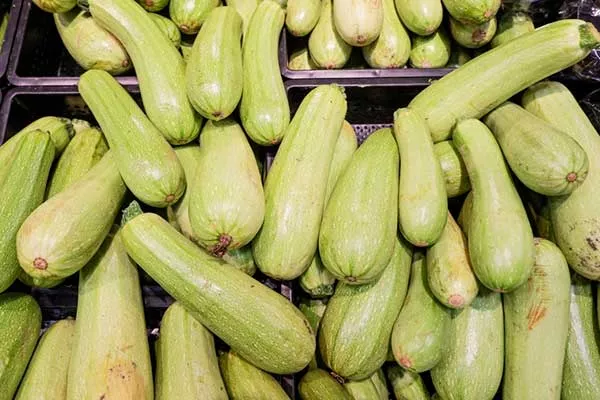
Zucchini are harvested as they mature. It's best to harvest the fruit in the morning, when they're at their juiciest. If you're storing zucchini, harvest them in dry weather. Cut at a right angle with a sharp knife, leaving 5-7 cm stems. Zucchini are harvested carefully, without dropping or smashing.
Harvested zucchini are dried by laying them out in a single layer on planks, ensuring that adjacent zucchini do not touch each other. Store the zucchini in a dark place at a temperature of 4 to 10°C and a humidity of 80%.
Reviews
Betsy zucchini is an excellent choice for vegetable lovers. This vigorous bush hybrid boasts abundant fruit production and will provide growers with a large supply of delicious zucchini suitable for any purpose.