
White zucchini is one of the most popular and widely grown varieties among gardeners. It boasts excellent flavor and nutritional properties, is easy to grow, and produces a consistent harvest. Proper care is essential to protect the plant from disease and promote its growth.
Characteristics of the appearance of the plant and fruits
Bush zucchini is a medium-sized plant. Other distinctive features:
- The leaves are green in color and have a heart-shaped configuration.
- Flowers are white or yellow, unisexual.
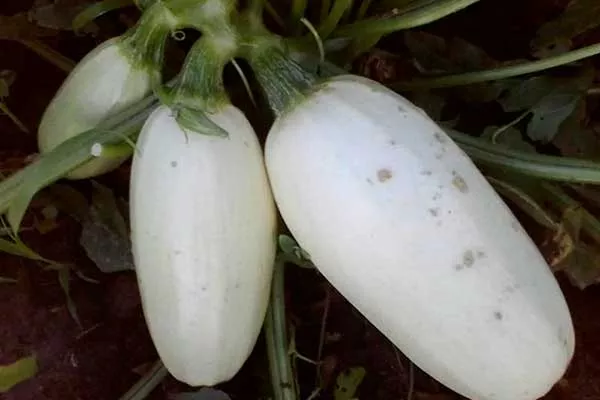
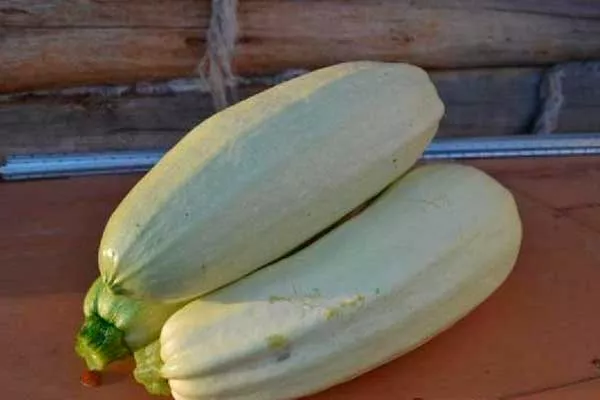
- The fruits reach a length of 25 to 30 cm, and the diameter is about 10-12 cm.
- The surface is smooth and the bark is thin.
- The shape is cylindrical, the weight varies from 0.6 to 1 kg.
Purpose and taste
Zucchini is ideal for a variety of uses, including casseroles, stews, pancakes, or simply fried slices. It can also be successfully canned. This variety boasts excellent flavor: the flesh is dense, juicy, and tender, and the flavor is sweet and pleasant.
Fruit harvesting period, yield
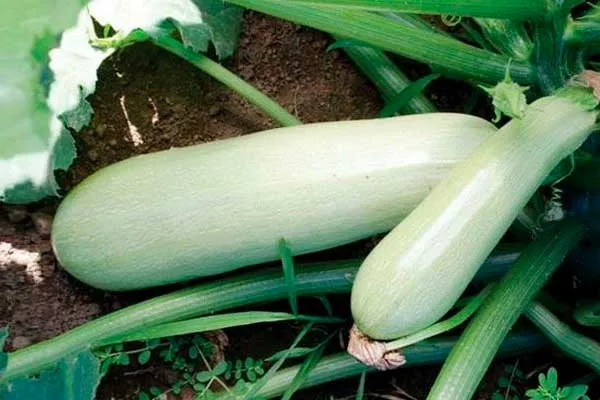
From germination to harvest, it takes approximately 35-40 days. This is a high-yielding variety. With proper care, 10-12 kg of fruit can be harvested per square meter.
Soil requirements
Caring for this plant is easy. It's important to consider its soil requirements, which vary depending on the chosen growing method: from seeds or seedlings.
- ✓ The soil pH level should be strictly in the range of 6-7, deviations can lead to a decrease in yield.
- ✓ Soil must contain high levels of organic matter, at least 4% humus for optimal growth.
For sowing seeds
Experienced agronomists say that for successful seed sowing, it's recommended to select light, fertile soils with a low water table. This crop does not tolerate acidic soils.
For growing seedlings after transplanting
To successfully grow zucchini after transplanting seedlings, it is important that the soil provides good drainage, preventing stagnant water, which can negatively affect the roots, causing them to rot.
It's equally important that the soil be fertile and contain sufficient nutrients to support healthy plant growth and development. Zucchini prefer a neutral to slightly acidic soil pH, typically between 6 and 7.
Selecting a site
Choose a location with plenty of sunlight, as zucchini require warmth and sun to thrive. Ideally, plants should receive at least 8 hours of sunlight per day. Wind can damage the plants, especially in the early stages of their development, so choose a site protected from strong drafts.
It is better to plant White zucchini in a place where the following crops were previously grown:
- cabbage;
- green manure;
- tomatoes;
- parsley;
- turnip;
- beans;
- radish.
Planting, growing and transplanting seedlings
White Zucchini can be grown in two ways: from seedlings or by direct sowing in open ground. The seedling method allows for an earlier harvest. Helpful tips:
- The process begins with sprouting seeds treated in a weak solution of potassium permanganate, rinsing and placing them in a damp cloth for germination.
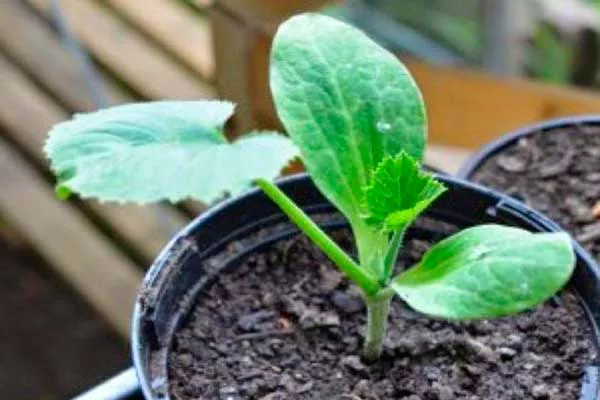
- The White variety, thanks to its high germination rate, doesn't require the use of growth stimulants. Sow the sprouted seeds in individual cups filled with nutrient-rich soil, planting them 2-3 cm deep.
- After watering and covering with film, wait for the seedlings to appear.
Planting time depends on climate conditions and typically falls between May 25 and June 10. When planting, maintain a distance of 70x70 cm between plants.
Transplant the seedlings to their permanent location after 2-3 full-fledged leaves appear. Transfer them to the greenhouse in early April, and to the open ground after the threat of night frost has passed.
Care instructions
Growing zucchini is a simple process that requires specific steps. Follow these guidelines:
- Watering. Zucchini thrives with moderate watering. Avoid overwatering to prevent fruit rot. It's important to keep the roots protected. During the fruiting period, the plants require additional moisture.
With a powerful root system that penetrates the soil to a depth of 40 cm, zucchini requires abundant but infrequent watering. In hot weather, water should reach the roots to prevent yellowing of the leaves and a shortened fruiting period. - Loosening the soil. Zucchini prefer loose soil, so till it regularly. Mulching the roots protects them from unnecessary mechanical stress. Use humus, straw, or peat for this purpose.
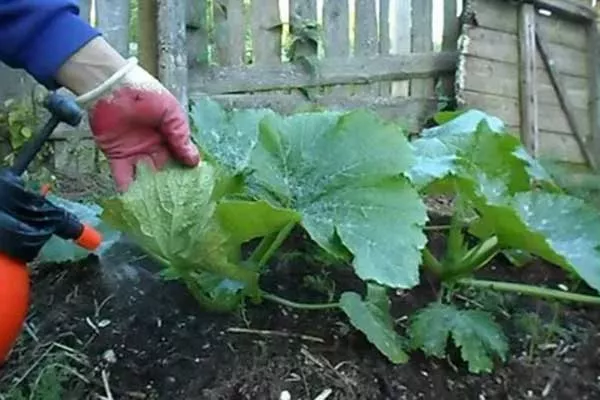
Let fresh grass dry slightly before laying it down. Mulch helps prevent fruit from coming into contact with damp soil, thus preventing them from rotting. - Top dressing. Use complex fertilizers, as they contain all the necessary micronutrients. Apply three main feedings during the season. Mix 1 liter of fermented cow manure with water and pour it under the bushes.
For the second feeding, dissolve 15 g of potassium sulfate or 30 g of superphosphate in 10 liters of water and water each bush. During flowering and fruiting, use wood ash, to which you can add 30 g of nitrophoska.
- First feeding: 10 days after planting the seedlings, use a solution of mullein (1:10).
- Second feeding: at the beginning of flowering, use phosphorus-potassium fertilizers.
- Third feeding: during the period of active fruiting, use wood ash with nitrophoska.
Reviews
The White Zucchini is the best choice for any gardener who values ease of cultivation, abundant harvests, and the excellent taste of fresh vegetables. Its low maintenance makes cultivation quick and easy. It's a good option for a beginning grower. However, without proper care, yields will be minimal.