
The Beloplodnye zucchini is a popular vegetable variety with many positive varietal characteristics. It is easy to grow, resistant to low temperatures, and produces high yields. These characteristics make it an attractive choice for both novice and experienced growers. Proper care increases yields.
Who and when developed the Beloplodnye zucchini variety?
Developed by scientists from the N.I. Vavilov All-Russian Institute of Plant Genetic Resources, the variety was added to the State Register in 1983 after four years of testing. Thanks to its excellent adaptation to various climatic conditions, it is grown throughout the country.
Peculiarities
The Beloplodnye zucchini has become very popular among both novice and experienced gardeners due to its low-maintenance and low-maintenance nature. It boasts numerous varietal characteristics.
Description of the plant
This compact, bushy plant reaches a height of up to 70 cm, with a bush diameter typically reaching 80-100 cm. Its characteristics include a shortened central shoot, a small number of shoots, and moderate foliage.
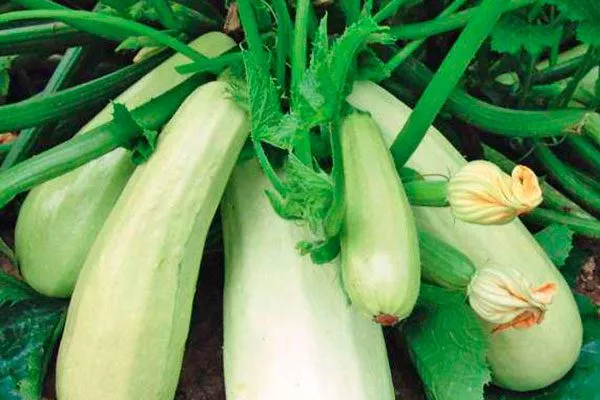
The leaves are pentagonal in shape with distinct light spots and unusual notches at the tips. They are a uniform dark green. During flowering, the bushes are adorned with large, bright yellow, standard-shaped flowers.
Characteristics of fruits
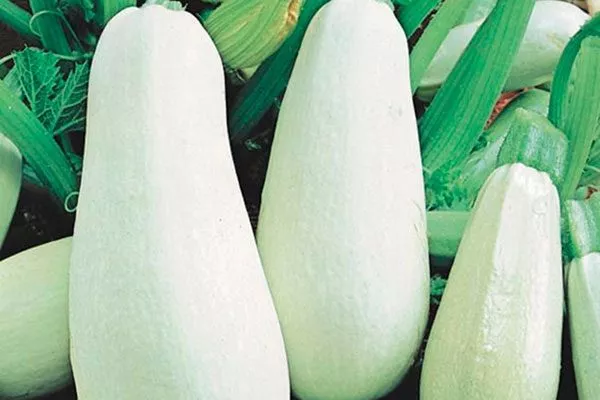
The fruits have a cylindrical shape. Vegetable characteristics:
- They have significant dimensions, reaching a weight of 600 to 900 g and a length of up to 30 cm.
- At technical maturity the skin is whitish, and at biological maturity it becomes yellow without a pattern.
- The skin is smooth, medium density, with slight ribbing at the base.
Application
Zucchini is high in fiber, making it a valuable ingredient in dietary and baby food. It's suitable for a variety of cooking methods: fried, stewed, baked, stuffed, canned, salted, pickled, and frozen.

This variety of zucchini makes a delicious caviar. These vegetables promote body cleansing, improve digestion and blood circulation, and help relieve constipation.
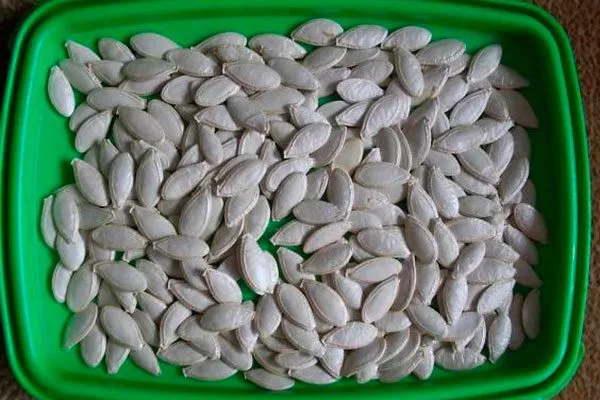
They are beneficial for people with diabetes. Ripe seeds are similar in composition to pumpkin seeds and are rich in antioxidants and santonin. They are an effective remedy for helminths. Unlike the pulp, the seeds are high in calories.
Ripening and yield
White-fruited squash is an early-ripening variety, ripening uniformly over 36-44 days. To ensure a bountiful harvest of young fruit, it's important to harvest the squash regularly, every 3-4 days. This variety can produce fruit for 2-3 months, but it's important to avoid overripening to ensure the vegetables remain tasty and edible.
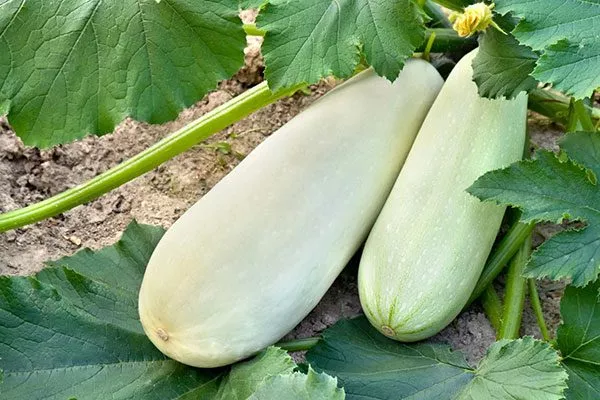
With proper care and proper agricultural practices, you can get more than 10 kg of zucchini from 1 square meter of planting, reaching a maximum yield of 12 kg.
Landing features
Planting this crop doesn't require any special skills or knowledge, so even a beginner can handle it. However, it's important to follow certain guidelines.
Preparing for planting - rules specific to the White-fruited zucchini
Weather conditions play a crucial role when sowing zucchini seeds. Despite their cold hardiness, temperatures around 20-25°C are required for successful development. Even light frosts can kill young seedlings.
- ✓ Soil pH should be between 6.0-7.5 for optimal zucchini growth.
- ✓ The soil must be well-drained to avoid water stagnation and root rot.
Choosing a planting site is crucial: well-drained areas with neutral soils, such as loam and sandy loam, are preferred. Zucchini thrive in new locations. Avoid planting them in areas previously occupied by cucumbers or pumpkins, as this may negatively impact the yield.
Methods
The White-fruited squash is grown from both seedlings and transplants. Although cold-hardy, it thrives best at temperatures of 18–20°C.
Sowing seeds in open ground
Prepare the holes in advance, spacing them 70x100 cm apart. Sow the seeds in two stages: from May 1 to June 15 for an early harvest and in the first half of summer for winter storage.
Planting recommendations:
- If using fertilizer, mix it thoroughly into the soil and sprinkle lightly to avoid burning the seedlings.
- Place 2 seeds in each hole at a distance of 6 cm, then cover with light soil to a depth of 3-4 cm.
- If necessary, cover the bed with film.
Once the seedlings emerge, leave only the strongest sprout.
Seedling method
In colder regions, the seedling method is often used to grow the Beloplodny zucchini. Follow these recommendations:
- In April, sow the seeds in cups, starting to create favorable soil at the bottom of each cup - a mixture of humus soil and peat in equal proportions.
- Once the seedlings emerge, water regularly and maintain an optimal temperature for seedling development.
- Provide more careful care indoors, as plants may develop more slowly than outdoors. Water the seedlings once a week.
- Before planting in open ground, feed the seedlings twice at intervals of 10 days, using ready-made mixtures available in specialty stores.
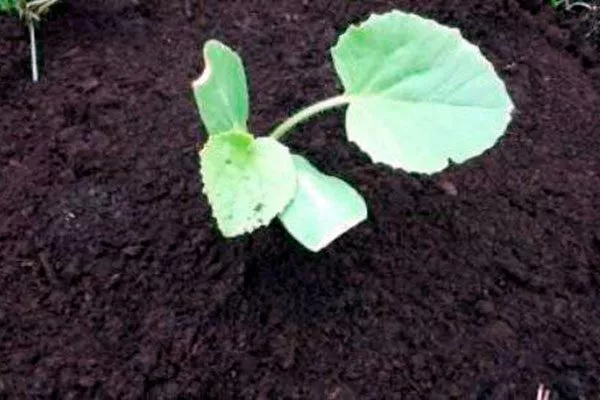
- After four true leaves have formed, transplant the plants into the soil.
Subtleties of agricultural technology
Growing zucchini is a simple process, but proper care is essential for a good harvest. The growing process involves the following steps:
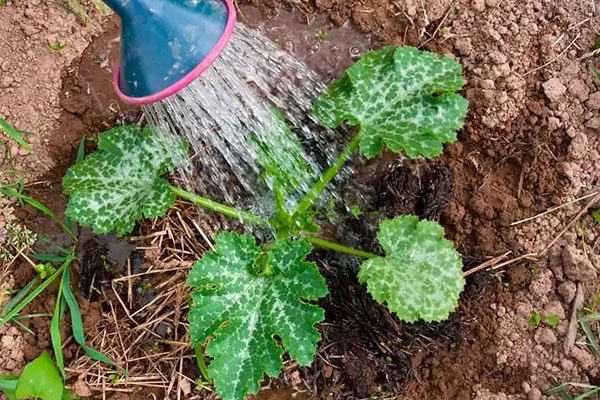
- Watering. Squash plants thrive in moderate moisture. Avoid overwatering, as this can promote fruit rot. Be careful not to expose the roots. During the fruiting period, plants require especially high levels of moisture.
Zucchini plants have extensive, powerful roots that extend 40 cm into the soil. For effective watering, water the plants thoroughly but infrequently, especially during hot periods. Avoid getting the leaves wet to prevent them from turning yellow, which can shorten the fruiting period.

- Loosening the soil. Zucchini doesn't do well in heavy soils. Till the soil regularly to ensure good drainage.
To avoid damaging the root system, cover your zucchini plants with mulch. Use humus, straw, and peat moss as mulch. If using fresh grass, allow it to dry slightly. This layer of mulch protects the fruit from contact with damp soil and prevents rotting. - Top dressing. Use complex fertilizers, as organic compounds do not always contain the necessary microelements.
Apply three main fertilizers per season. To do this, dilute 1 liter of compost in 10 liters of water. In another bucket, dissolve 15 g of potassium sulfate or 30 g of superphosphate. Pour 1 liter of the resulting mixture under each bush. Superphosphate dissolves best in warm water.
For every 10 liters of water, add 0.5 liters of compost and 30 g of nitrophoska. Water the bushes thoroughly before fertilizing. During flowering and fruiting, fertilize with wood ash, to which you can add 30 g of nitrophoska.
Resistance to diseases and pests
It is resistant to powdery mildew, fusarium, and bacterial wilt. The only disease it may be susceptible to is gray mold. Dangerous pests for this plant include spider mites, melon aphids, slugs, and shoot flies.
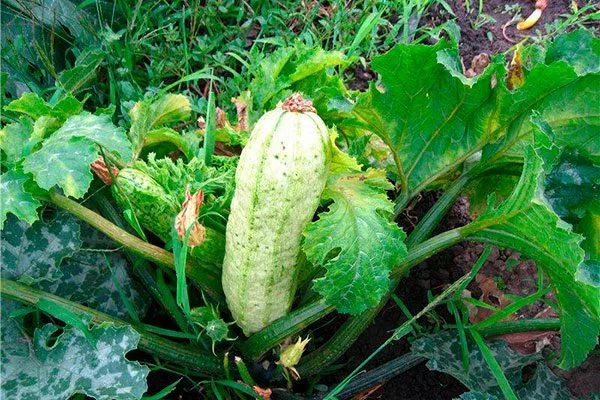
- ✓ Healthy leaves should be dark green without yellow spots.
- ✓ The stems should be strong and without signs of rot at the base.
Maintain healthy plants by providing them with optimal growing conditions. Ensure proper watering, fertilization, adequate ventilation, and removal of diseased plants or parts of plants.
Use fungicides and insecticides to control fungal diseases and pests. Follow instructions and dosages to avoid plant damage. Regularly inspect your plants for signs of disease or pests so you can begin treatment promptly.
Advantages and disadvantages
White-fruited squash is cultivated both outdoors and indoors, allowing for the most convenient growing conditions. This crop offers numerous advantages:
- Early fruiting. Provides the opportunity to harvest earlier. This is especially important in short-season climate zones or under variable weather conditions.
- Long-term storage of harvested fruits. Allows you to preserve the harvest for a long time and use it as needed, even after the end of the season.
- Excellent transportability of fruits. Ensures the possibility of safe transportation of the harvest, which is important for its distribution and sale.
- General purpose. The plant has a wide range of uses and can be used in a variety of culinary dishes.
- Good disease resistance. It exhibits resistance to most diseases typical of this crop, ensuring higher yields.
- High yield. The plant produces a bountiful harvest, making it attractive for cultivation in agriculture and horticulture.
- Resistance to low temperaturesIts ability to survive and thrive in cool conditions makes it suitable for cultivation in a variety of regions.
- Friendly ripening of fruits. Due to the simultaneous ripening of vegetables, harvesting is simplified.
- Excellent taste. The fruits have a pleasant taste and texture, making them desirable to consumers.
Reviews
The Beloplodnye zucchini has gained popularity among Russian agronomists due to its numerous varietal characteristics, including rapid ripening, low maintenance, and excellent taste. While caring for this crop requires effort, this investment of time and effort is well worth it with a bountiful harvest and the satisfaction of growing healthy, delicious vegetables.