
Belogor zucchini is a reliable and proven variety, beloved by gardeners for its ease of cultivation, high yield, and wonderful, rich zucchini flavor. If you're a fan of white-fruited varieties, Belogor is perfect for you.
Description of the Belogor variety
The Belogor zucchini grows neatly, with a single, thick, and rather short stem clearly dominating. The leaves are a normal green, with whitish spots, and are moderately dissected.
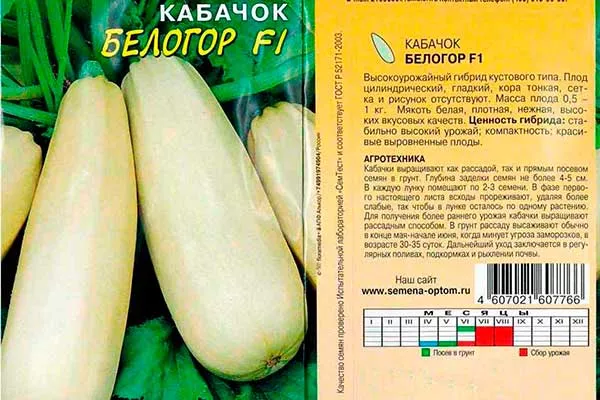
The fruits are cylindrical. Ripe fruits weigh between 0.5 and 1 kg. The fruit is light greenish-white in color, without any pattern or mesh. The skin is thin, woody, and smooth to the touch. The flesh is white, tender, and slightly juicy.
History of creation and regions of cultivation
The Belogor F1 variety is a hybrid developed by Crimean breeders. This squash became available for mass cultivation in 1991. It is intended for outdoor cultivation and is zoned for many regions of the country, including the Far East, Volga-Vyatka, West and East Siberia, and many others.
Purpose and taste
The Bely hybrid is versatile and has a pleasant zucchini flavor. It's widely used in cooking, making the traditional zucchini dish caviar. It's also fried, baked, pickled, and canned. It's suitable for all types of processing and is recommended for treating salt deposits, gastritis, heart disease, and liver disease.
Characteristics
This variety is early maturing, with no more than 40 days between planting and the first fruits ripening. This hybrid is characterized by low cold tolerance and immunity to a number of common diseases.
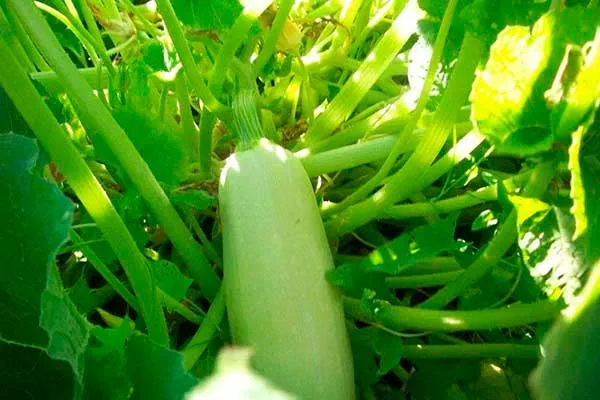
From 3.5 to 14.5 kg of zucchini are harvested per square meter; the yield depends greatly on growing conditions and care.
Pros and cons
The Crimean zucchini, Belogor, boasts many advantages, earning it a huge following across the country. This variety, with its catchy and memorable name, is widely grown by zucchini lovers in their gardens and backyards.
Landing features
Belogor zucchini can bear fruit in virtually any soil, but to produce a large and high-quality harvest, it requires favorable growing conditions. Soil quality and watering regimen largely determine not only the size of the fruit but also the flavor of its flesh.
- ✓ Soil pH should be between 6.0-7.5 for optimal growth.
- ✓ The organic matter content in the soil should be at least 3%.
Features of planting Belogor zucchini:
- Planting takes place in sunny, pre-prepared areas. The soil is dug deeply, adding fertilizer and other components—the choice of fertilizer depends on the initial soil condition. Zucchini grows worst in acidic and heavy soils; in the former case, lime is added to reduce the acidity, while in the latter, sand is added.
- If you weren't able to prepare the soil in the fall, you can do so in the spring. At this time, you can add humus or other organic matter, as well as superphosphate and wood ash.
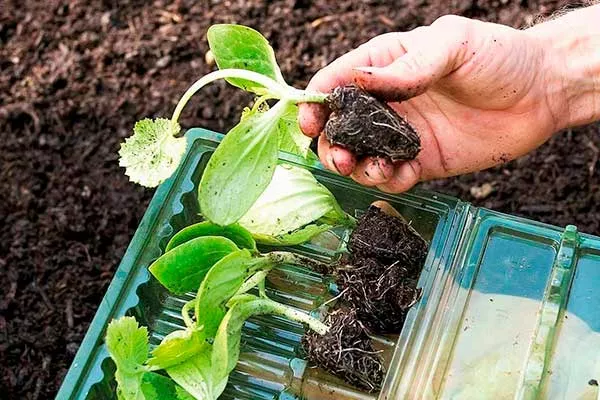
- Seeds are sown around May, in the south in April, and in northern regions, where summers are short and cold, the seedling method is used. In April, seeds are sown for seedlings in regular or peat pots. The seeds are first disinfected and soaked for 24 hours to ensure germination.
- Seeds should be planted no more than 4 cm deep, otherwise they will have difficulty germinating. The seedlings should be watered and covered with plastic to speed up germination.
- If the seedling method is chosen, the seedlings are grown for 30 days. They are watered regularly, and when two cotyledon leaves appear, they are pricked out, planted in separate containers, and pinched back by a third of the root.
- The optimal planting pattern is 70 x 70 cm. This is used both for growing seedlings and for sowing seeds into pits. You can also use a cultivator to make rows in which seeds are sown at intervals of 10-15 cm, then remove any excess seedlings. Alternatively, place several seeds per pit (2-3 seeds), and then select the strongest seedling if multiple sprouts appear.
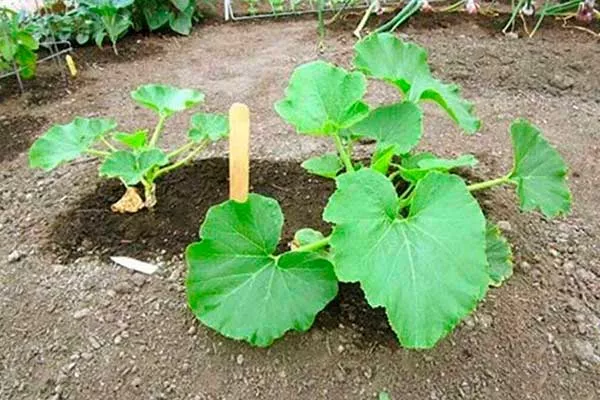
Water newly planted seeds or seedlings immediately after planting. Use only warm, settled water.
Care
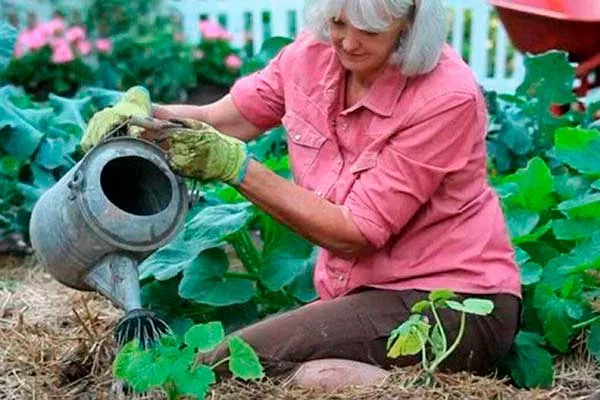
To ensure zucchini plants grow to a healthy, tasty, and abundant size, they need proper care. These plants require watering, nutrition, loosening, disease prevention, and, if necessary, treatment.
Care features:
- Watering frequency is 1-2 times per week. Plants require water especially during the flowering stage and during fruit set.
- To ensure maximum watering efficiency and adequate air circulation to the roots, the soil around the bushes must be loosened promptly—as soon as the soil dries out slightly after watering or rain. Loosen the soil very carefully, being careful not to dig the hoe too deep, as this can damage the surface roots.
- To prevent moisture evaporation and weed growth, it is recommended to sprinkle the soil with mulch—peat, humus, straw, mown grass, etc.
- Belogor zucchini responds best to organic fertilizers—a mullein solution applied to the roots is recommended. During the flowering phase, the bushes are fed with urea, and during the fruit set period, potassium and phosphorus fertilizers are applied.
Resistance to diseases and pests
The Belogor variety isn't particularly resistant to fungal infections. It's particularly susceptible to powdery mildew, both common and downy. It also has relatively weak resistance to bacterial wilt and anthracnose.
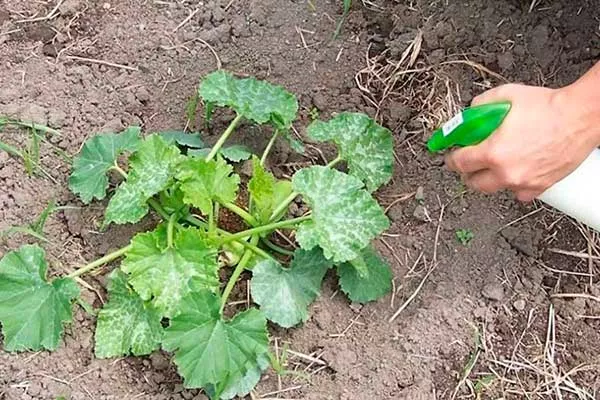
When pathological symptoms appear, plants are treated with fungicides such as Fitosporin, Trichodermin, Fitocide, etc. For prevention, plants can be sprayed with folk remedies such as yarrow infusion, wood ash diluted with water, or garlic, pepper, and soda solutions.
Among the pests, the most dangerous to the Belogor zucchini are aphids, spider mites, and flower beetles. If these appear, it is recommended to use biological products that are non-toxic to humans.
Harvesting
The first zucchini harvest begins 40 days after germination. When the zucchini reach the length specified in the variety's specifications, they are ready to harvest. Smaller zucchini can also be picked; their flesh is particularly tasty and tender.
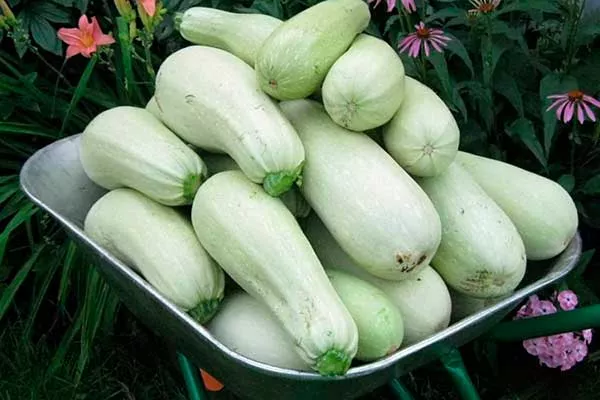
Zucchini is harvested every 3-4 days to stimulate the growth of young fruits and prevent them from becoming overgrown, as overgrown zucchini lose their flavor, their flesh becomes looser, and their skin thick and hard.
Storage
If the harvested zucchini are to be stored, they are carefully cut with a sharp knife, leaving a 2-3 cm stem. The fruit is then wiped with a dry cloth and placed in a pre-prepared container—washed and sun-dried.
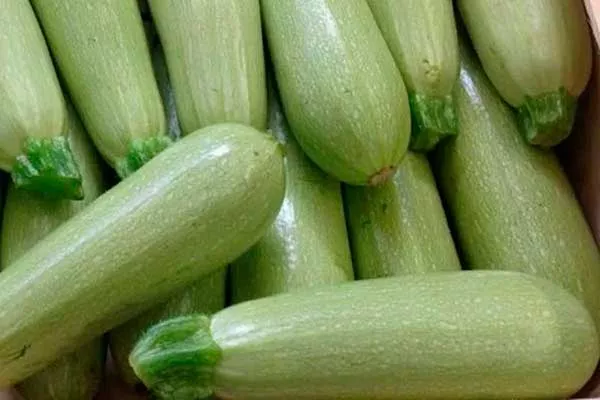
Zucchini are layered with sawdust or newspaper to prevent them from touching each other. Store zucchini in a dry, dark, clean, and cool place.
Reviews
The hybrid variety Belogor is a worthy representative of the zucchini, possessing everything that makes this fruitful vegetable so prized. The hybrid demonstrates good yield and hardiness, but special attention should be paid to preventing fungal diseases.