
The Banana squash attracts attention with its unusual appearance and excellent taste. It truly resembles tropical fruits. Growing this plant is easy, so even a novice gardener can handle it. With proper care, you can strengthen the plant's immunity and reap bountiful harvests throughout the season.
Description of the variety
Bananas are a variety of zucchini with unique characteristics. This compact, high-yielding shrub has gained popularity in our country. The plants grow to a short height and have a sturdy structure.
Characteristics of the appearance of the plant and fruits
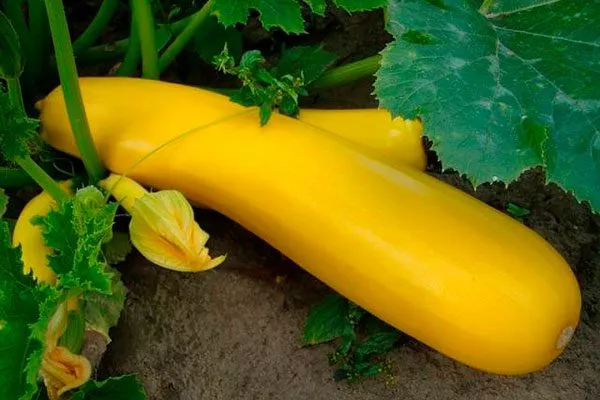
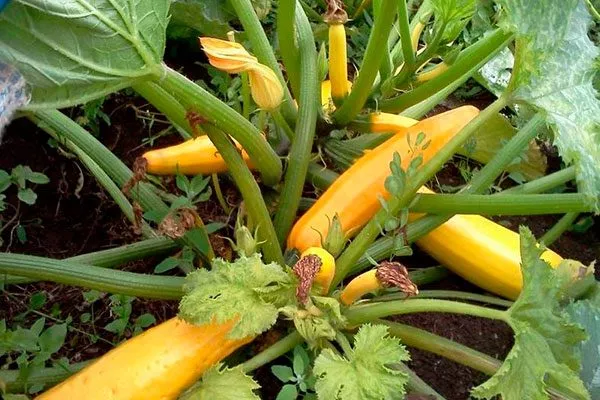
The fruits are cylindrical, uniform in shape, and reach up to 25 cm in length. A single fruit can weigh up to 1.7 kg. Their skin is golden-orange, and the surface is smooth.
Taste and application
The creamy flesh has a crisp texture, lending the vegetable a special charm. The flavor is sweet with a slight nutty note, making it especially appealing to gourmets.

This variety finds wide culinary uses. It's ideal for home cooking and can be used for all types of processing. Its robust structure makes it an excellent choice for canning and caviar production. The fruits withstand long-distance transportation.
Harvest time and yield
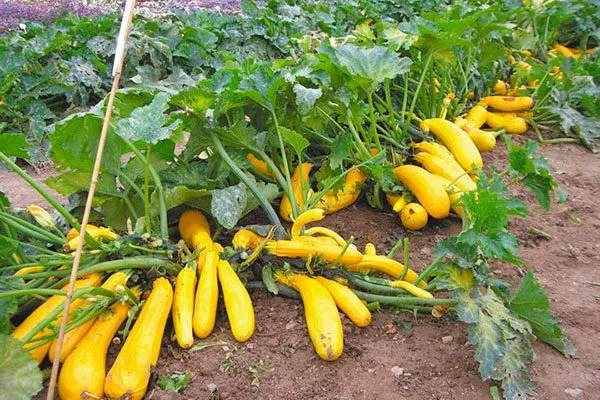
Zucchini ripens early: the fruit can be eaten within 40-45 days of germination. Banana yields are impressive: 12-13 kg of fruit can be harvested from 1 square meter of planting area.
- ✓ The length of the fruit reaches 20-25 cm.
- ✓ The peel acquires a uniform golden-orange hue.
- ✓ The fruits are easily separated from the stem.
Soil requirements
To grow strong, healthy, and delicious fruit, it's important to have fertile soil in your garden. Choosing the right soil is the first and most important step to a successful harvest.
One of the key aspects when choosing soil is its fertility. The soil must contain sufficient minerals, moisture, and oxygen. The soil should be light and loose, allowing the plant's roots to penetrate freely into the soil.
Subtleties of agricultural technology
There are several ways to plant Banana zucchini, but the most common is from seedlings. Before planting, prepare the soil and the planting site. Choose an open, sunny location with well-drained soil, as the crop requires plenty of light and moisture.
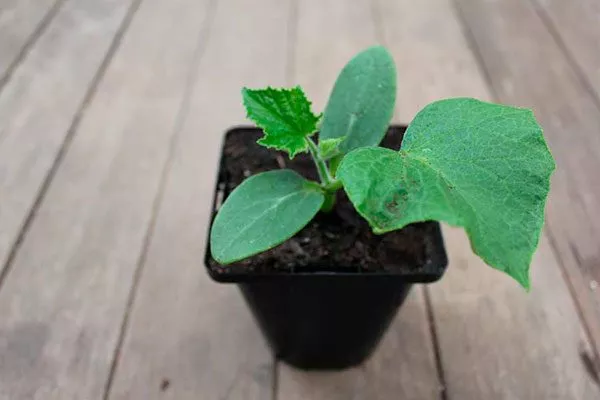
- ✓ The presence of at least 3-4 true leaves.
- ✓ No signs of disease (spots, wilting).
- ✓ The root system must be well developed and without damage.
Loosen the soil to a depth of about 20 cm and add compost or other organic matter for enrichment. Then follow these recommendations:
- When choosing seedlings, give preference to healthy young plants with several leaves and roots.
- Plant seedlings 50-60 cm apart to ensure the bushes have enough room to grow.
- Provide regular watering, especially during periods of hot weather and dry weather. It's important to keep the soil moist to create optimal conditions for plant growth and development. Mulch the soil to retain moisture and reduce the risk of overheating the root system.
- Ensure timely pest and disease control. To combat fungal diseases such as powdery mildew and gray mold, use fungicides. They are available in various forms, including liquid solutions, powders, and dissolving concentrates.
Insecticides will help control pests such as aphids, mites, and whiteflies. - Avoid planting zucchini in the same spot for several years in a row, as this can promote the accumulation of pathogens in the soil. It's best to rotate it with other crops.

Reviews
Banana squash is an easy-to-grow crop that requires minimal time to successfully grow and yield bountiful harvests. The bright, sweet fruits retain their marketable qualities during transportation and are versatile in use. With minimal care, you can grow disease-resistant plants that produce a wide variety of vegetables.