
Ardendo 174 F1 is an early-ripening variety of bush squash. This hybrid delights domestic gardeners with its high yield, continuous and vigorous fruiting, low maintenance, and strong immunity. It is grown not only in open beds but also in greenhouses for an ultra-early harvest.
Who developed the variety and when?
Ardendo is a hybrid of the Iskander type. It is the result of Dutch breeding. It was developed by the international company Enza Zaden, a world-renowned producer of elite vegetable seeds.
Characteristics of the appearance of the plant and fruits
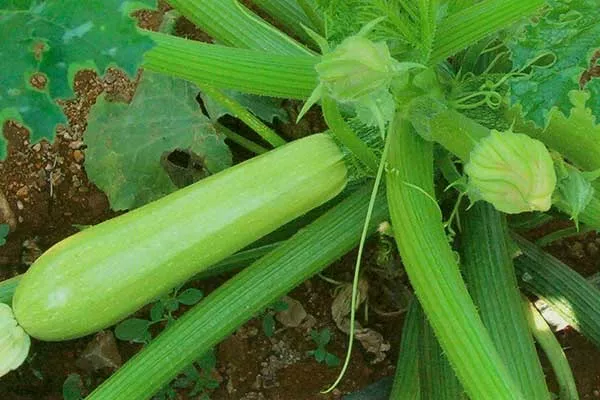
The vegetable bushes of this hybrid variety have the following characteristics:
- compactness;
- medium-strong development (they look short, but stocky);
- petioles: short, thick;
- large foliage.
One mature plant of this variety produces 8 to 10 zucchini of similar size and shape per season. These zucchini are not only attractive but also of high quality.
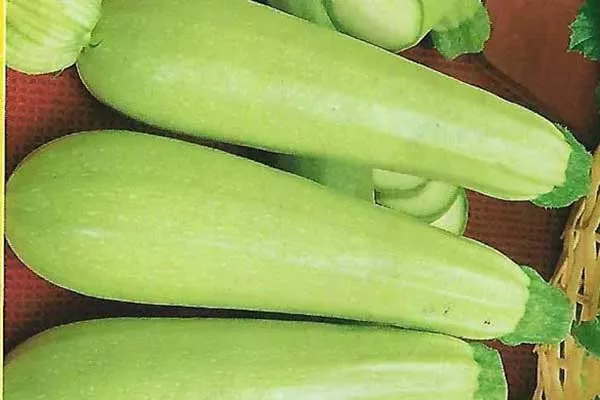
Ardendo fruits have the following characteristics:
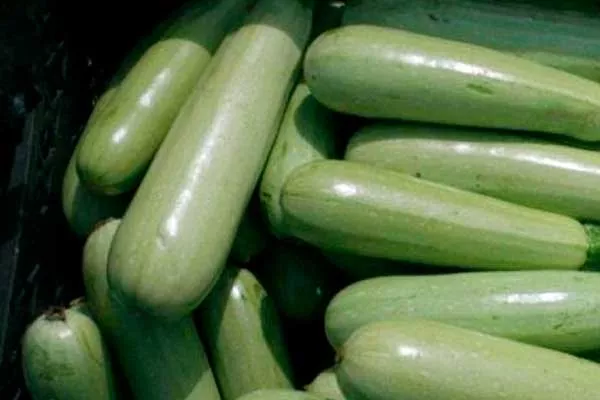
- cylindrical shape, moderately thickened at the top;
- lack of ribbing;
- large size (the zucchini reaches 17-19 cm in length);
- weight - 400 g;
- peel, which has a smooth surface with a glossy sheen;
- light green uniform skin color;
- pulp: tender, juicy, crispy with small seeds.
Purpose and taste
This Dutch hybrid is renowned for its excellent flavor and tender, juicy flesh. It's used in cooking as follows:
- added fresh to salad;
- stewed, including together with other vegetables;
- fry;
- baked in the oven;
- grilled;
- used for preparing squash caviar;
- canned.
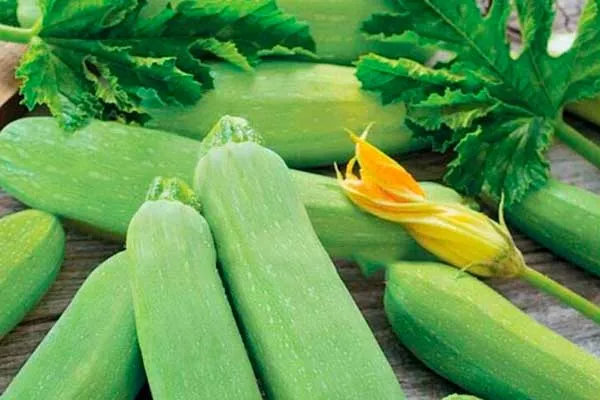
Dishes made with this vegetable variety are not only delicious but also healthy due to its high ascorbic acid and potassium content. Ardendo zucchini is suitable for children and dietary nutrition. Regular consumption improves gastrointestinal function and is recommended for overweight individuals.
Ripening and yield
This hybrid's growing season lasts 40-45 days. Its bushes bear fruit abundantly and continuously, producing a consistently high yield. Gardeners receive the first fruits 8-10 days after flowering. They then harvest the zucchini every three days.
The yield rate of this type of vegetable crop is high:
- it is 14.5 kg per 1 sq. m of zucchini planting;
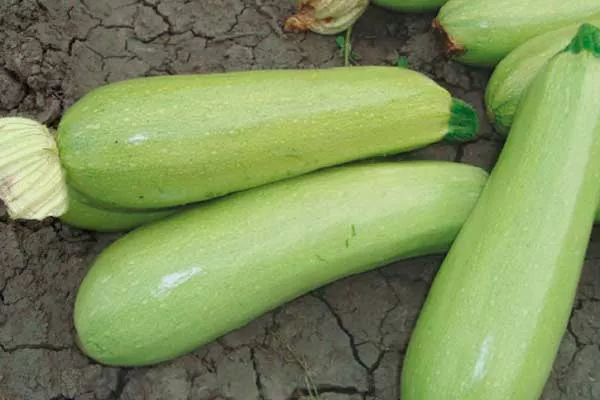
- When growing Ardendo 174 F1 on an industrial scale, farmers harvest up to 80,000 kg per hectare.
Resistance to diseases and pests
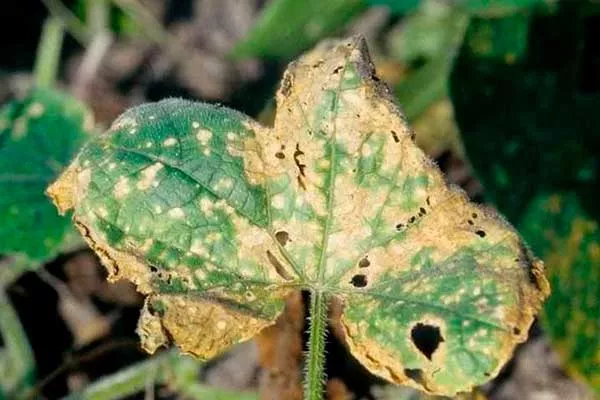
This Dutch hybrid has gained popularity among Russian gardeners thanks to its strong immunity. Its bushes are extremely rarely affected by pests and diseases. They are particularly resistant to infections such as:
- powdery mildew;
- zucchini yellow mosaic virus;
- Watermelon mosaic virus.
Growing and care
To obtain a bountiful and high-quality harvest of Ardendo zucchini, follow the basic planting and cultivation practices for this vegetable crop. This hybrid is undemanding in terms of growing conditions. In the spring, grow it under plastic cover in the presence of pollinators (bees), and in the open ground in the summer and fall.
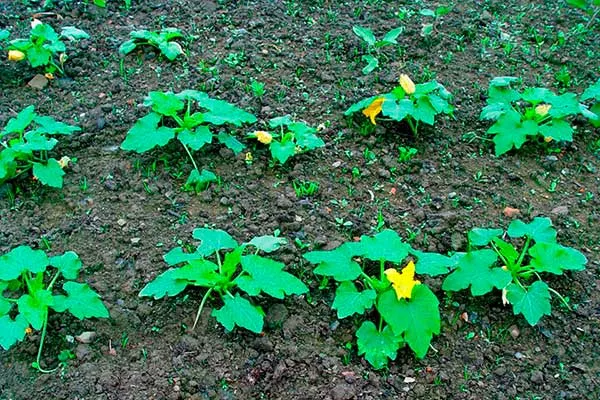
Gardeners grow this variety of vegetable in two ways:
- by sowing seeds into the soil in an open bed;
- through seedlings.
For seedlings, plant the hybrid seeds in boxes in the first weeks of April. To grow the seedlings, use store-bought soil or make your own potting mix by combining the following ingredients:
- sawdust - 1 part;
- birch soil - 2 parts;
- compost - 2 parts;
- peat - 2 parts.
Plant 4-5 seeds in each hole. Keep the containers on a sunny windowsill. Keep the room temperature between 18-25°C until the seedlings emerge. The sprouts will emerge within a week. After 25-30 days, transplant them outdoors, complete with soil.
Ardendo bushes grow well and bear fruit when grown in the following soil:
- fertile;
- loose;
- with neutral acidity;
- without close groundwater table.
- ✓ The soil pH level should be strictly within 6.0-7.0 for optimal nutrient absorption.
- ✓ The soil should have high water-holding capacity, but without stagnant water.
Choose a sunny site for your zucchini beds. If planting in acidic soil, add lime to achieve a neutral pH. It's also a good idea to apply a mineral fertilizer in the fall.
The best predecessors for this hybrid variety are:
- potato;
- cabbage;
- onion;
- beans.
To sow Ardendo seeds in a garden bed, do the following:
- Loosen the soil in the area to a depth of 10 cm beforehand. Add ammonium nitrate (15 g per square meter). You can also fertilize the soil with humus.
- Before sowing, soak the seeds in water for a couple of hours. Germinate them on a damp cloth.
- Prepare the bed: water the soil with hot water, dig holes 4-5 cm deep.
- Plant 4 seeds in each hole.
The seeding pattern for the Dutch hybrid is 70x70 cm per bed and seedling planting. The optimal temperature for squash plant development is 23-25°C.
Plants of this variety require standard care to produce a good harvest. This includes the following procedures:
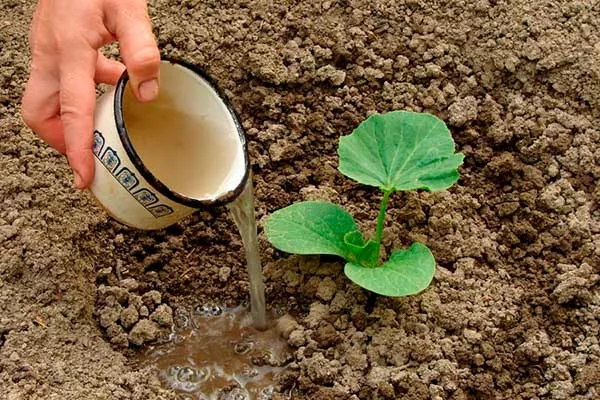
- WateringWater the bushes at the roots with warm water. Do this as the topsoil dries. The recommended watering frequency is once every 10 days. Use 10 liters of water per square meter of planting.
- Weeding and loosening the garden bedRemove weeds regularly to prevent them from interfering with the growth of your zucchini plants. Loosen the spaces between rows to oxygenate the soil. Perform this procedure after watering or rain.
- Hilling. When 4-5 true leaves appear on the bush, perform this procedure. This will promote the growth of additional lateral roots.
- Top dressingFertilize the plantings with complex mineral fertilizers during flowering and fruiting periods. Zucchini thrive in fertile soil. In spring, enrich it with compost or humus (10 kg per square meter), urea (8 g), double superphosphate (6 g), and potassium sulfate (12 g).
- Before planting, add compost or humus to the soil at a rate of 10 kg per 1 sq. m.
- Two weeks after the seedlings appear, feed the plants with a urea solution (15 g per 10 l of water).
- During the flowering period, apply potassium-phosphorus fertilizers to stimulate fruit formation.
Harvesting
Gardeners harvest the hybrid fruits from the garden when they reach a milky-waxy ripeness, preventing them from becoming overripe. This is done 1-2 times a week to stimulate the formation of more fruit ovaries.
Pros and cons
This Dutch hybrid has many advantages, making it a favorite among domestic gardeners to grow in their gardens:
Ardendo has virtually no downsides. It does have one drawback: it's impossible to grow the crop from home-collected seeds. The hybrid can only be grown from purchased seed.
Reviews
Ardendo is a Dutch-bred achievement. This hybrid has won the hearts of Russian gardeners thanks to its many advantages and lack of drawbacks. It's the best choice for those who want a bountiful harvest of delicious and beautiful fruit at the earliest possible time.