
The Aral F1 zucchini is an early-ripening variety of vegetable crop. It is a hybrid with many excellent characteristics. Domestic gardeners love it for its high yield, resistance to viral infections, and excellent marketable quality. It is grown both in greenhouses and open beds.
Origin
The development of Aral F1 is a credit to Japanese breeding. This bush squash hybrid was developed by researchers at Sakata, a company specializing in the production and sale of premium vegetable and flower seeds. It is intended for commercial cultivation and home gardening.
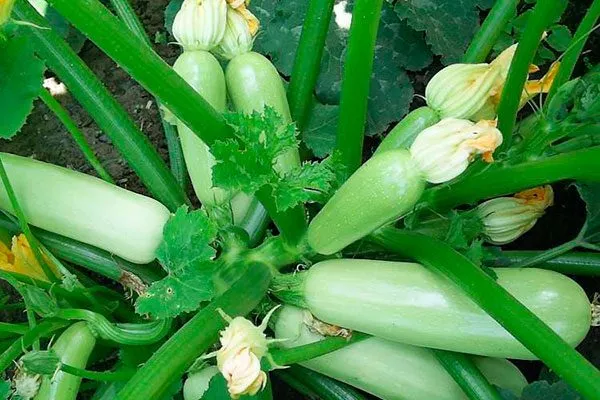
Distinctive features of the plant
This high-yielding early variety of bush squash is distinguished by the following features:
- compactness;
- semi-openness of the bush;
- powerful semi-climbing stems with short internodes;
- Foliage: medium-sized, green, dissected.
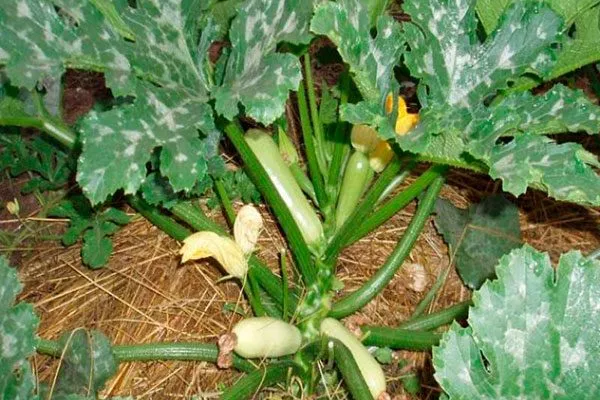
- ✓ Ability to quickly regenerate after stressful conditions.
- ✓ Alternate formation and ripening of fruits in one leaf axil.
Fruit characteristics
The squash harvest from this hybrid variety boasts high quality characteristics. Its fruits are beautiful and delicious. Many gardeners grow Aral squash for sale.
Appearance and taste
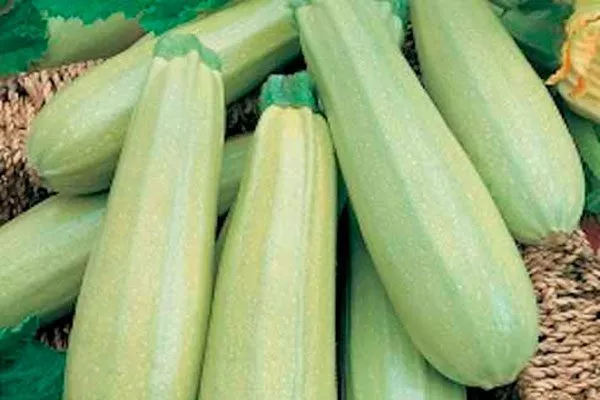
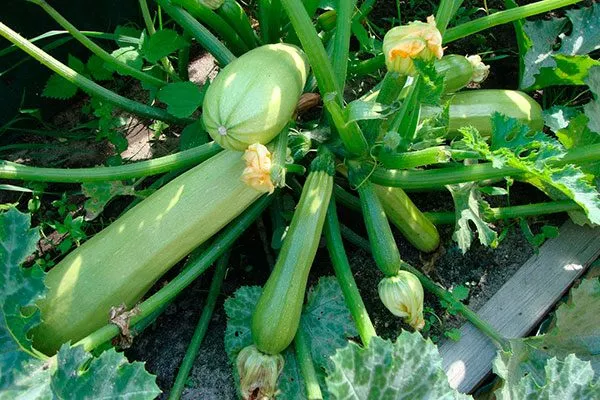
The fruits of the Japanese hybrid have the following characteristics:
- form - cylinder;
- ribbing - weakly expressed;
- length indicator - 16-20 cm;
- diameter - up to 6 cm;
- weight - varies from 300 to 800 g (average is 500 g);
- peel color - light green;
- pulp - white in color, dense.
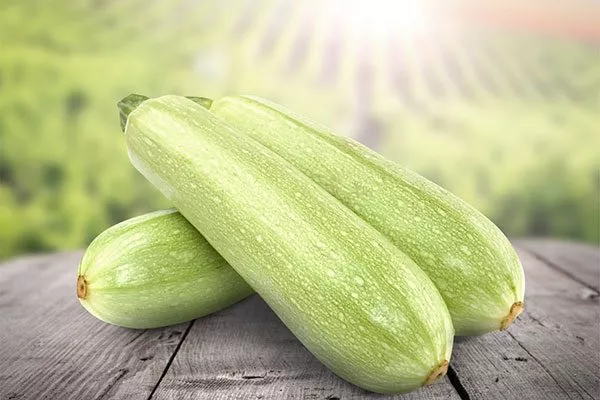
Experts highly praise the taste of this variety of zucchini. It is pleasant, fresh, and delicate.
Composition and beneficial properties
The fruits of the Aral F1 hybrid are famous not only for their marketable appearance and excellent taste, but also for the high content of vitamins (C, group B) and minerals, in particular potassium, magnesium, and iron, in the pulp.
Eating them provides the following health benefits:
- strengthening the immune system;
- prevention of diseases such as arrhythmia, arterial hypertension;
- improved blood circulation;
- increasing the oxygen content in the blood (the body becomes stronger and more resilient, and vitality increases);
- improving intestinal peristalsis, normalizing the functioning of the digestive system.
Scope of application
The vegetable crop of this hybrid is universal in its purpose:
- These zucchini are even eaten fresh, added to salads;
- canned, used for pickling;
- They prepare various dishes from them, in particular squash caviar.
Remarkably, the fruits of the Aral F1 hybrid don't become tough even when overripe. They can also be processed even when overripe, without affecting the flavor of dishes or preserves.
Yield of zucchini Aral f1, ripening, fruiting
This vegetable crop has an excellent seed germination rate (98%), high fruit set, and marketable yield. Experts consider it very productive. With strict adherence to agricultural practices, 10 kg or more of zucchini can be harvested from 1 square meter of planting.
Aral is an early-ripening hybrid. The length of its growing season depends on whether the seeds were sown in summer or spring. This period is:
- 30-35 days after the first shoots appear – summer cultivation of vegetables (sowing in May, June, July);
- 45 days - spring planting in March, April.
Zucchini harvesting occurs in June, July, August, and September. This variety of squash has a long fruiting period. The fruits ripen even at low temperatures (before frost). The harvest is uniform in quality.
Sustainability
Zucchini bushes of this hybrid variety are resistant not only to diseases but also to adverse environmental factors. They are resistant to:
- viral infections such as zucchini yellow mosaic virus (ZYMV) and watermelon mosaic virus (WMV);
- to fungal diseases such as root rot, mold;
- low temperatures (the hybrid is considered frost-resistant);
- drought.
Growing regions
This achievement of Japanese selection is suitable for cultivation in the following regions of the country:
- Central Black Earth;
- North-West;
- in the North Caucasus;
- Volga-Vyatka;
- Central.
In areas with cold and rainy summers, this vegetable is grown in greenhouses. Plastic cover is also recommended for early spring planting of this type of squash. In this case, bees ensure pollination of the plants.
Planting methods
Gardeners grow Aral F1 in two ways:
- sowing seeds in garden soil;
- seedlings.
Sow heat-loving zucchini seeds outdoors when there's no risk of frost. Start in late May. Cover the seedbeds with cut-off plastic bottles (5-liter capacity).
Sow seeds for seedlings in April or early May (in warmer regions, do this in late March or early April). Seedlings will appear in 3-7 days. The bushes will grow for 25-30 days.
Planting by seeds
The area for growing Aral zucchini in an open bed must meet the following requirements:
- be sunny to obtain strong bushes, for their quick and abundant fruiting;
- protected from drafts;
- with fertile neutral soil, loamy or sandy (if the soil is highly acidic, lime it beforehand).
- ✓ pH level should be between 6.0-7.0 for optimal growth.
- ✓ The soil must be well drained to avoid root rot.
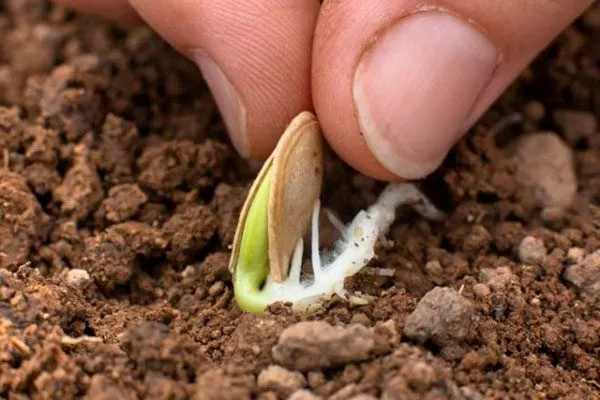
Sow seeds when the soil temperature has warmed to 12-14°C. Observe the following guidelines:
- seeding depth - 5-6 cm;
- density - no more than 1.5 bushes per 1 sq. m;
- planting pattern - 70×140 cm;
- Plant 2-3 seeds per hole.
Planting seedlings
To grow strong seedlings, prepare a light, breathable soil. Mix low-lying peat (30%) with turf (30%), humus (35%), and perlite (5%). Prepare suitable containers, each holding 400-500 ml. Make drainage holes in them.
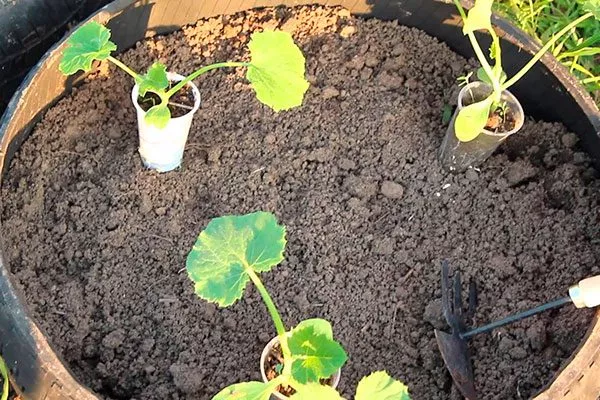
Sow Aral hybrid seeds for seedlings step by step:
- Fill the planting cups with soil mixture.
- Water it with settled water until it is completely moistened.
- Place a seed in the center of the glass at a 45-degree angle, 2 cm deep, into the soil.
- Press the soil lightly with your hand. No need to water again.
Cover the container with plastic wrap to create a greenhouse effect. Leave it in a warm room (temperature at least 25°C). Once the sprouts emerge, remove the plastic wrap. Reduce the room temperature to 22°C during the day (17-18°C at night).
Feed the seedlings twice:
- calcium nitrate (25 g per 10 l of water) - 10 days after sprouting;
- with a store-bought mineral composition intended for feeding zucchini - 10 days after the first application of fertilizer.
Plant seedling bushes like this:
- maintaining a distance of 100-150 cm between them (the distance between rows is 70-100 cm);
- dig a hole 20 cm deep under each bush;
- water the hole with Trichodermin solution to prevent fungus.
Carefully place the seedling in the hole, being careful not to damage its roots. Press the soil firmly with your hands. Water the planting and mulch it with peat. Then cover the planted plants with a thin covering material.
Caring for a hybrid
Care for your Aral squash plant by following these steps:
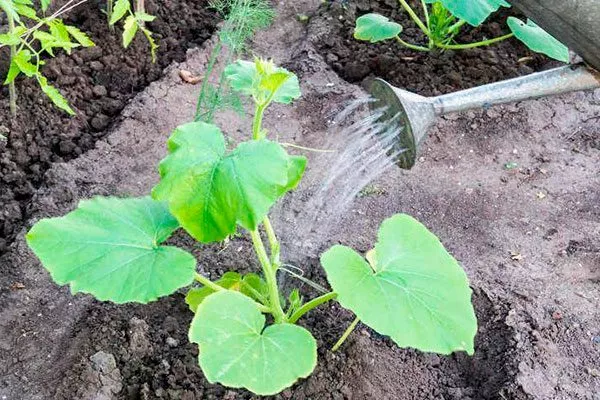
- WateringWater the soil under the bushes once a week in moderately warm weather. Use 10 liters of water per plant. The water should be warm and settled.
- Loosening the soilDo this carefully, being careful not to damage the root system. Loosen the soil after each rain and watering. Combine this procedure with weeding.
- Preventive treatment against pestsUse both folk remedies (garlic infusion, onion peel decoction) and commercial preparations (Karbofos, Keltan, Isofen, ground sulfur).
- Top dressingFertilize the bushes with calcium nitrate (15 g per 10 liters of water) after the ovaries have formed. Five days later, feed them with monopotassium phosphate (7 g per 10 liters of water). After seven days, use a mineral complex for zucchini, pumpkin, and cucumbers.
Features of cultivation and possible difficulties
The Aral hybrid has some growing peculiarities. Without understanding them, gardeners risk encountering the following complications:
- Yellowing of bushes, poor formation of ovariesThis occurs when there's a lack of sun and warmth. Resolve the problem by watering the plantings with warm water. Cover the plants with plastic wrap at night. If the ovary doesn't form due to a lack of bees, spray the zucchini with sweetened water.
- Deformed and twisted fruitsThis is a sign of potassium deficiency. A potassium fertilizer will solve the problem. If the zucchini tip is too narrow, apply a nitrogen fertilizer.
- The appearance of bitterness in the taste zucchiniThis occurs when the soil is overwatered, combined with a lack of warmth and nutrients. Fertilize the planting and adjust the watering schedule.
- Burns on bushesThis happens when watering is improper, causing moisture to end up on the green parts of the plant (stems, leaves). Water should be applied directly to the roots. It should be warm. Watering with cold water can lead to plant diseases and reduced fruit production.
- Decrease in crop yieldsThis occurs when there's a lack of warmth and sunlight. If the bushes become overgrown, remove some of the leaves. This will allow the sun to warm the soil better.
Diseases and pests
The Aral Sea is resistant not only to viruses, but also to fungal infections:
- white rot;
- powdery mildew;
- anthracnose.
To prevent your bushes from getting sick, it's important to take proper care of them. This is especially true for watering. If you water your plants with water that's below 20°C, they'll be susceptible to root rot.
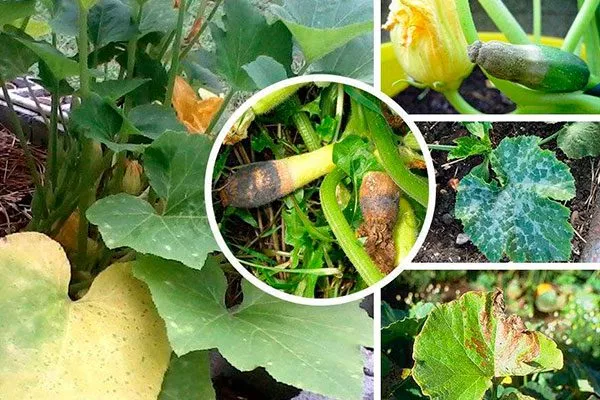
Squash plants are susceptible to attacks from spider mites, melon aphids, and sprout flies. You can protect your plants not only by using folk remedies and insecticides, but also by growing flowers nearby that repel insects with their scent:
- lavender;
- calendula;
- marigolds.
Harvesting
Harvesting of the Aral hybrid lasts all summer. The last zucchini are harvested in the fall before frost. Cut the fruit promptly to prevent any remaining pumpkins from interfering with the emergence and development of new fruit buds.
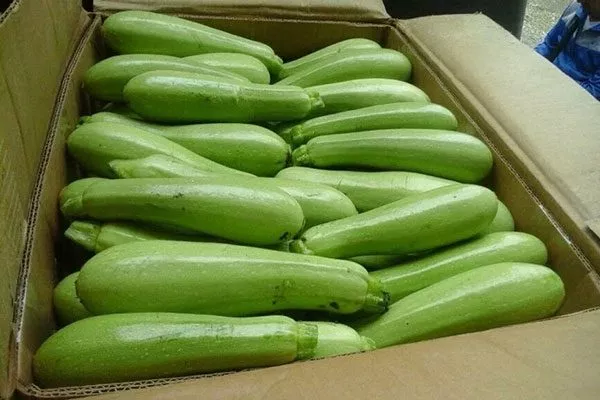
Cut the zucchini with a sharp knife or pruning shears, stem included. Store the harvested crop for up to 4 months at 2-8°C. Store healthy, undamaged zucchini in the cellar.
Advantages and disadvantages
Reviews
Aral F1 is a marvel of Japanese breeding, beloved by Russian gardeners. This hybrid has gained popularity due to its early maturity, high yield, disease resistance, high-quality fruit, and excellent flavor.