
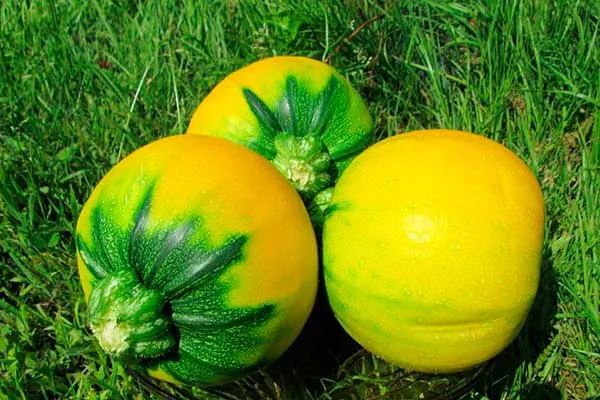
The "Apelsinka" zucchini is a delicious and unusual variety. It truly resembles popular citrus fruits—its fruits are round, small, and sunny in color. This versatile variety can be grown in both gardens and greenhouses.
Description of the variety
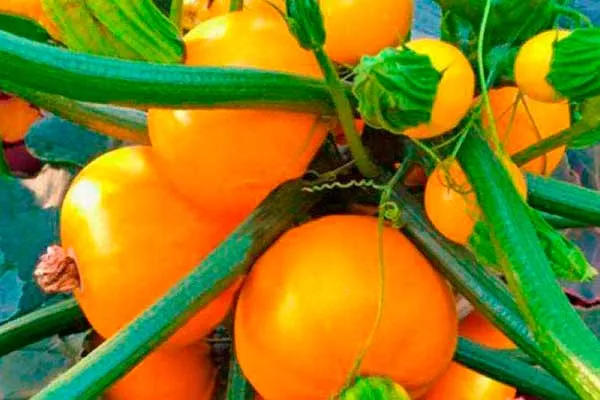
The Apelsinka F1 variety is a bush hybrid zucchini that ripens very quickly. The first fruits can be harvested 60 days after sowing. It produces vigorous and compact plants, abundantly covered with ovaries. The spotted leaves are not a symptom of disease, but a characteristic of the variety.
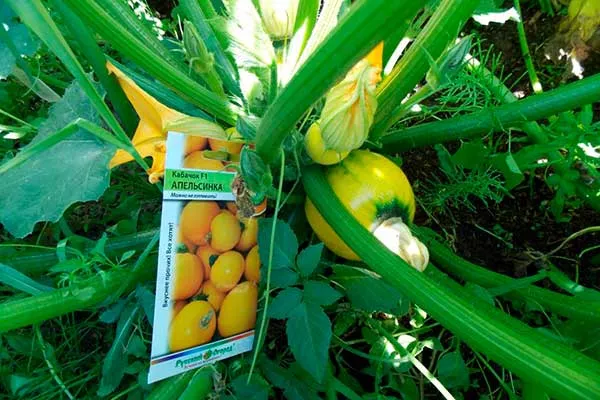
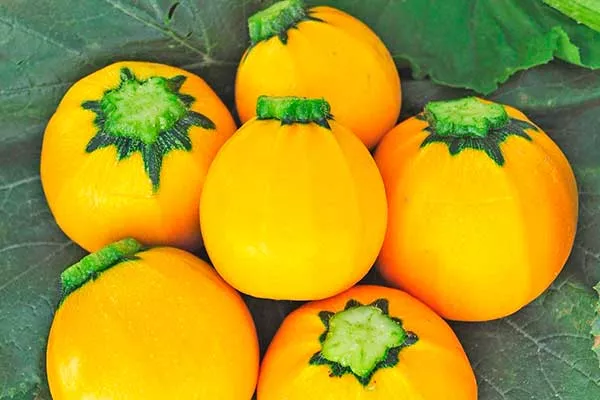
The fruits are round, 15-18 cm in diameter, and deep yellow in color. The surface is smooth, the rind is thin, and the flesh is tender and juicy, creamy in color. The maximum fruit weight is 1 kg.
Origin and growing regions
The hybrid variety "Apelsinka" was developed by Russian breeders. They aimed to create a squash that would be distinct from all known varieties in both color and shape. This variety is adapted to Russian climate conditions and is suitable for cultivation in most regions, including the Urals and Siberia.
Application
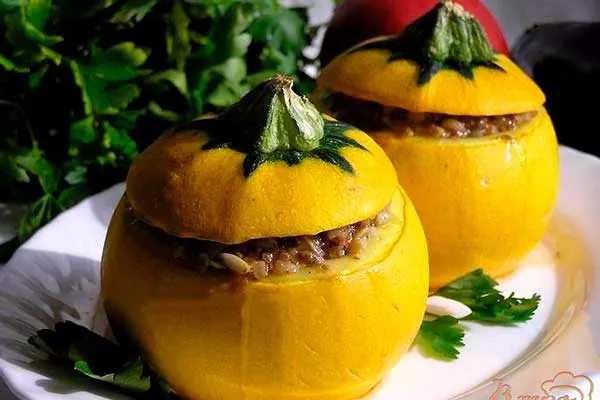
Orange zucchini can be eaten raw. The uncooked flesh is slightly sweet and has a pleasant nutty aftertaste. These spherical zucchini are also used in a variety of dishes and canned goods. Smaller zucchini can be preserved whole, while larger ones can be stuffed.
Ripening time and yield
The Apelsinka zucchini is an early-ripening hybrid variety that yields fruit 45-60 days after sowing. This variety is highly productive, with a single plant growing outdoors yielding 2-2.5 kg of zucchini, while a greenhouse yields 7.5-8.5 kg.
Pros and cons
The Orange squash is easily recognizable and virtually impossible to confuse with other varieties. Along with its distinctive appearance, this squash has other advantages worth learning about in advance.
No particular disadvantages have been found in the Orange variety.
Landing features
The Orange squash can be grown using either seedlings or direct seedlings. The latter method involves direct sowing into the ground, which is preferred in southern regions due to its speed, ease, and effectiveness. In regions with short summers and moderate climates, the seedling method can be used, as it guarantees a harvest.
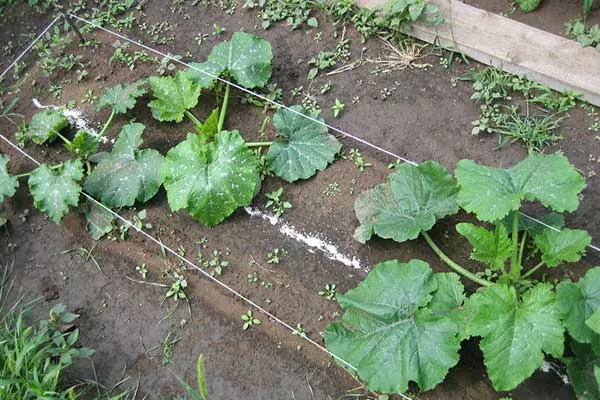
Into open ground
Sow seeds in the soil when the temperature reaches 14°C and the soil warms to 10°C to 12°C. It is recommended to drench the soil with potassium permanganate before planting, and disinfect the seeds with it as well. Hydrogen peroxide can also be used for disinfection.
- ✓ Soil pH should be between 6.0-7.5 for optimal zucchini growth.
- ✓ The soil must be well-drained to avoid waterlogging and root rot.
Prepare the soil for planting in the fall by digging and adding organic matter. Coarse sand or sawdust is added to create a loose structure. Zucchini grows best in fertile loamy soil. Choose a sunny site for planting, using a 60x60 cm planting pattern.
In regions with risky farming, it is recommended to cover crops with plastic film in case of recurrent frosts. The cover is removed as soon as warm weather sets in.
By seedling method
Zucchini seedlings are grown in peat pots or regular cups filled with nutritious potting mix, plastic cassettes, etc. The containers are treated with hydrogen peroxide before planting. The containers can be filled with "Krepysh" seedling mix or similar products.
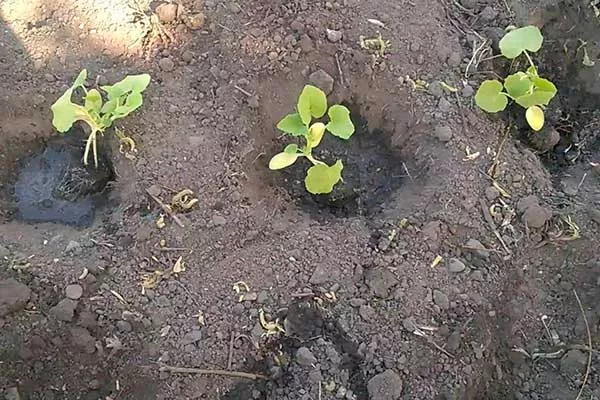
Seedlings are grown in a warm, well-lit location, watering with warm water as needed. The substrate should be kept slightly moist; avoid drying out or overwatering, which can cause blackleg.
Zucchini seedlings can be fed with bird droppings, urea, and ammonium nitrate. The growth stimulant "Kornevin" can also be used for additional nutrition.
Features of seedling transplantation:
- Planting of seedlings into the ground is carried out on a cloudy day or in the evening.
- The seedlings are watered to facilitate their removal from the planting containers. Peat pots can be placed in the soil along with the seedlings.
- Place the seedlings, complete with a ball of soil, into pre-dug holes (using the same planting pattern as for sowing). Cover the roots with soil, firm the soil, and water. The seedlings should be planted as deep as the cotyledons, with elongated specimens planted even deeper.
In the harsh climate zone, there is a risk of recurrent frosts until the 10th of June. Therefore, seedlings planted before this date should be covered with plastic film at night. You can also cover the plants with plastic bottles.
Care Features
The Apelsinka variety, like most zucchini, is low-maintenance and produces fruit under almost any conditions. However, regular care is required to ensure a large, high-quality harvest.
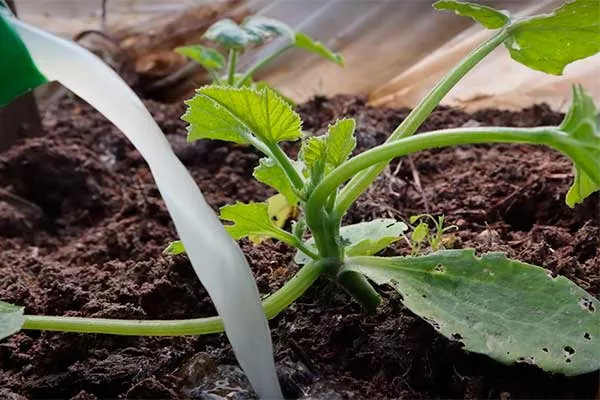
How to properly care for the Orange squash:
- This variety thrives on moisture, so it needs regular watering. To prevent root rot and other diseases, use only warm water. The frequency of watering depends on the soil condition; on average, zucchini need to be watered once a week. During dry periods, it's recommended to lay straw between the rows to retain moisture.
- Zucchini beds are periodically loosened to ensure oxygen reaches the roots. Along with loosening, weeds are removed, as they grow especially vigorously after rain.
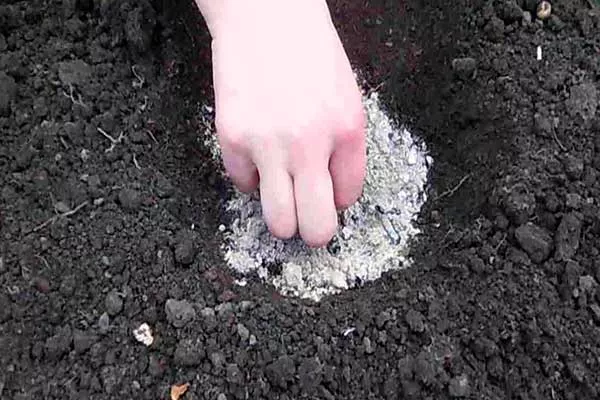
- Zucchini plants are fertilized with mineral and organic fertilizers. A mixture of manure and nitrophoska is used to strengthen the stems and leaves. To ensure good fruit set, it is recommended to add wood ash to the plants.
Experienced gardeners recommend using the growth stimulant "Energen." It's diluted with water—10 liters per 2 capsules—and watered at a rate of 2 liters per plant. This product is especially useful during the fruiting stage.
Possible difficulties
Despite the simplicity of zucchini cultivation techniques, gardeners may encounter various difficulties. One of the most common is excess nitrogen. This usually occurs due to the large amount of organic matter added, which stimulates the growth of green matter. This slows down the development and growth of the fruit.
Excess nitrogen can be detected by the plant's appearance—its leaves curl and darken. Nitrogen is applied precisely at the prescribed doses and only in the spring. In the summer, its requirement is significantly reduced.
Diseases and pests
If agricultural practices are severely violated and unfavorable factors converge, zucchini may be affected by various diseases. It's important to identify them promptly and take appropriate measures. Zucchini typically suffer from fungal diseases due to severe waterlogging and nutritional deficiencies.
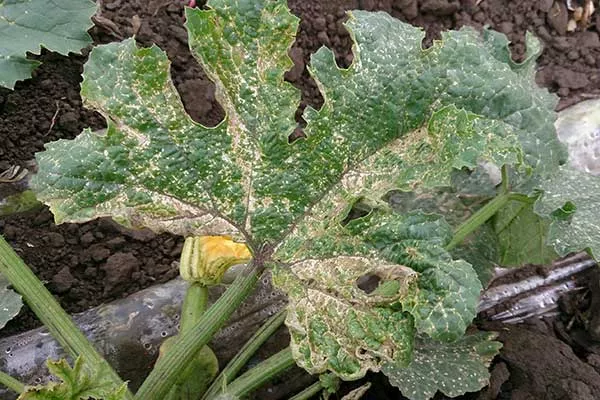
Most often, the Orange variety is affected by:
- White rot. It causes a white coating to appear all over the plant, softening the stems, and the appearance of slime. Seed disinfection and the use of wood ash as a fertilizer help prevent the disease.
- White mosaic. Yellow and green spots appear. Leaves become covered in warts and dry out. This disease is viral in nature and is practically incurable. Strict adherence to agricultural practices helps prevent it.
- Fusarium wilt. This disease affects the roots and stems of the plant, is highly contagious, and quickly spreads to neighboring plants. To prevent it, it is recommended to plant mustard and radishes near zucchini beds.
- Powdery mildew. It affects all parts of the plant and is accompanied by the appearance of a white coating. Fungicides such as Skor, Quadris, Hom, Fundazol, and their analogs help eliminate the disease.
Squash plants can also be attacked by insect pests, including melon aphids, blossom-eating beetles, and spider mites. All of these can cause yield losses and even plant death, so it's important to treat them with insecticides as soon as possible.
Harvesting and storage
The ripeness of round zucchini can be determined by touch. If you tap the zucchini, it's ripe and ready to pick. Timely harvested zucchini store well and have a more pleasant flavor than underripe or overripe ones.
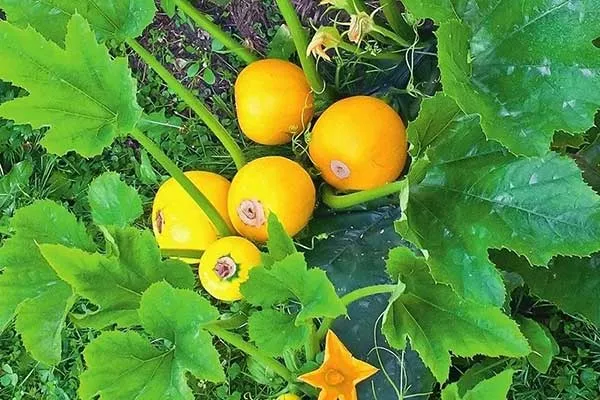
The squash is harvested every 5 days. If storing for a long time, don't wash the squash; simply wipe it with a cloth. It's best to store it in a dry, well-ventilated basement or cellar.
Reviews
The "Apelsinka" zucchini is strikingly different from the traditional variety and will definitely appeal to lovers of unusual varieties. Its round, yellow fruits are delicious and suitable for a wide variety of purposes, making them a sure-fire favorite for gardeners and homesteaders who haven't yet discovered this amazing variety.