
The Chizhik cucumber is a popular variety, attracting the attention of gardeners thanks to its early maturity, consistent productivity, and versatility. This hybrid has proven itself a reliable choice for growers seeking a high-quality harvest in a short time. It's important to follow simple farming practices.
Originators
Developed by the authors: Medvedev A. V., Medvedeva N. I., Kapustin A. A. and Medvedev A. A., at the Federal Research Center All-Russian Institute of Plant Genetic Resources named after N. I. Vavilov and was approved for use in 2003.
The hybrid prefers open ground and has a determinate growth habit, meaning it requires no support or staking. This makes it suitable for growing in small spaces and greenhouses.
External characteristics of the plant and cucumbers
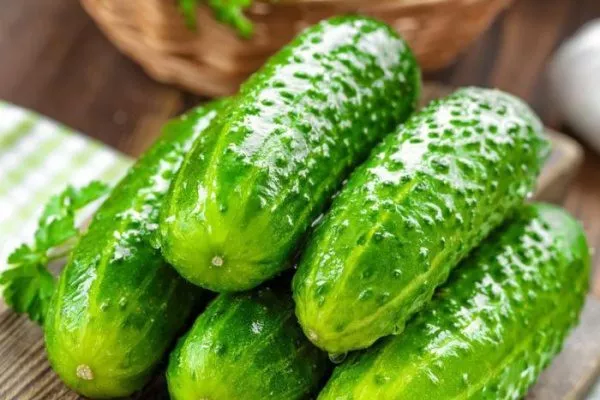
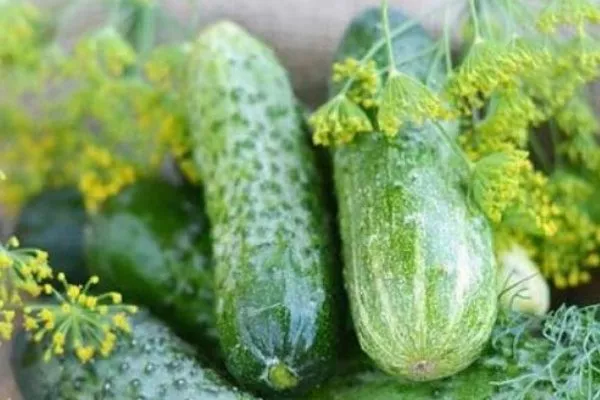 The bushes are low-growing, with medium-sized vines and medium-sized, green leaves. The cucumbers are oval-shaped, reaching 10-11 cm in length and 3.5-4 cm in diameter. Each cucumber weighs between 60 and 75 g.
Taste and purpose
These cucumbers are characterized by excellent flavor and crisp, juicy, air-tight flesh. This variety is versatile: suitable for fresh consumption, pickling, and canning.
Vegetables have a rich and balanced composition that provides significant health benefits. Key components and their benefits:
- Vitamins. Vegetables contain vitamins A, C, and B vitamins. Vitamin A supports healthy skin and vision, vitamin C strengthens the immune system and promotes wound healing, and B vitamins improve metabolism and maintain normal nervous system function.
- Minerals. The fruits are rich in calcium, magnesium, and potassium. Potassium regulates fluid levels in the body and supports cardiovascular health. Magnesium is involved in metabolism and supports muscle and nerve function, while calcium strengthens bones and teeth.
- Antioxidants. Cucumbers contain antioxidants flavonoids and tannins, which help fight oxidative stress and protect cells from free radical damage.
- Fiber. The high fiber content of cucumbers helps normalize digestion, improves intestinal motility, and maintains healthy blood sugar levels.
- Water. Cucumbers have a high water content, making them excellent for maintaining hydration. They help flush out toxins and maintain water and salt balance.
Low in calories and fat, these cucumbers are ideal for those watching their weight and looking to add light and nutritious foods to their diet.
Ripening and yield
The vegetables ripen 40-42 days after germination, ensuring uniform fruiting and a quick harvest. Yields vary by region, but average between 194 and 386 centners per hectare.
Landing rules
To achieve maximum productivity from the Chizhik variety, follow a few guidelines. It's important to germinate the seeds first, then grow the seedlings. Transplant the seedlings according to the recommended schedule.
How to germinate seeds correctly?
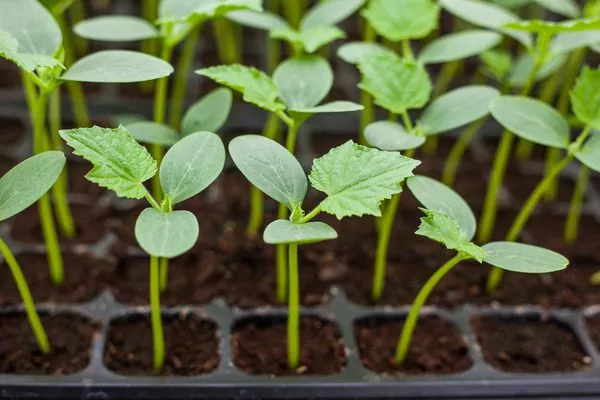
Before planting, the seeds need additional germination. To do this, soak them in a damp cloth for a couple of days. Then plant the sprouted seeds in small containers or peat cups at a depth of 1-2 cm. Sprinkle them with a thin layer of soil and moisten with warm water using a spray bottle.
- ✓ The optimal moisture content of the material for soaking seeds should be 70-75%.
- ✓ The temperature of the water for moistening the soil after planting seeds should not be lower than +25°C.
Scheme and timing of planting seedlings
Plant the plants in their permanent location in late May. When cultivating, pay attention to the root system of the seedlings. Plant 4-5 seedlings per square meter.

Care Features
To ensure your greens are tasty, beautiful, and disease-resistant, take proper care of your garden beds. Follow these simple gardening practices:
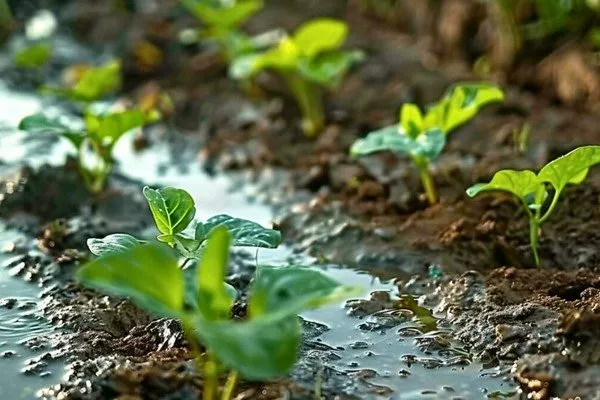
- Watering. Water the plants regularly to ensure they have the moisture they need. Applying water directly to the roots is most effective. Avoid dripping onto the leaves. Use warm, settled water, as cold water can negatively impact plant growth.
Water the seedlings 1-2 times a week, increasing the frequency in hot weather. Proper watering helps the roots receive moisture at a sufficient depth, promoting healthy growth and fertility. - Fertilizers. Fertilizing the crop plays a key role in vegetable development and fruiting. Apply the first fertilizer 2-3 weeks after planting. Use organic (mullein infusion, bird droppings) and mineral (superphosphate, potassium fertilizers) fertilizers.
Fertilize cucumbers every 10-15 days during the active growth and fruiting period. This will ensure the plants receive the nutrients they need to thrive and increase yield. - Loosening. This procedure improves root aeration and prevents the formation of a dense crust on the surface. After each watering or rain, the soil becomes compacted, which can hinder oxygen access to the roots.
Regular loosening is essential for optimal root growth. It prevents crust formation and improves soil permeability and air circulation. - Mulching. This procedure helps retain moisture, prevent weed growth, and improve soil structure. For mulching, use straw, sawdust, dry leaves, or special film.
Mulch maintains uniform moisture and protects roots from overheating and cold. Apply a 5-10 cm layer of mulch after sowing or planting and keep it in good condition throughout the growing season.
- ✓ Watering should be done early in the morning or late in the evening to minimize water evaporation.
- ✓ The watering depth should reach 20-25 cm to provide moisture to the root system.
Staking the shoots helps keep the plants upright, improves air circulation, and facilitates harvesting. Use trellises, nets, or ropes to secure the stems to the supports as they grow. This prevents the fruit from coming into contact with the ground, reducing the risk of rot and damage.
Resistance to diseases and pests
The hybrid exhibits good resistance to many diseases. However, if planted and cared for improperly, it can be affected by downy mildew and gray mold.
Downy mildew causes angular spots to appear on plants, and the undersides of the leaves become covered with a gray coating. The foliage becomes deformed, and the stems crack. To combat the disease, use Kurzat, Profit, and Ridomil Gold.
The first signs of gray mold include light brown spots on leaves and a whitish-gray coating. Affected plants begin to deform and die. Suitable products for controlling the disease include Hom, Rovral, and Bayleton.
Positive and negative qualities
Before planting a crop in your garden, carefully consider its advantages and disadvantages to avoid any potential problems. The Chizhik variety has many positive qualities:
Cons:
Reviews
Chizhik cucumbers are an excellent choice for those who value early harvests and versatility. Resistance to adverse weather conditions and comprehensive disease resistance make this variety a reliable choice for a variety of climates. A little attention and care is essential for good productivity.