
To get a bountiful harvest of garlic with large, tasty heads, gardeners choose the Gulliver variety. Its name itself speaks volumes about its impressive characteristics: massive heads, attractive appearance, and excellent flavor make this variety an ideal choice for those who appreciate a generous harvest and large garlic cloves.
Description of the variety
Gulliver is a spring garlic variety that doesn't require winter planting. It's planted in the spring, and it's fully ripe by fall. This variety produces large heads, is highly productive, and is resilient.
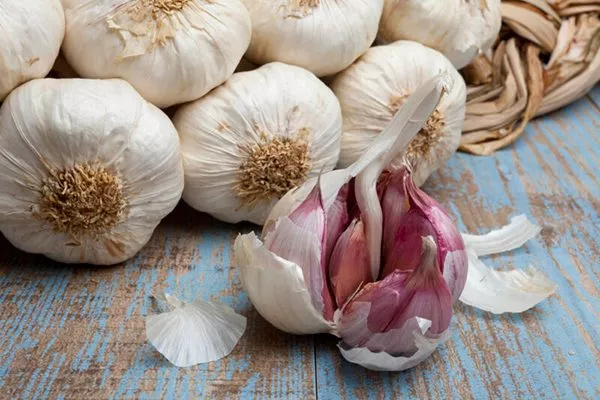
Added to the Russian Register of Breeding Achievements in 2001, Gulliver stands out as the only spring variety susceptible to bolting. Its source is the Federal Scientific Center for Vegetable Growing, located in the Moscow region.
This variety occupies a unique position in the garlic range. Although it shares many characteristics with winter varieties, Gulliver is capable of performing the functions of spring garlic.
Characteristics of the appearance of the plant and bulbs
Gulliver is a mid-late spring variety. Its growing season lasts 87-98 days, reaching a height of 50 to 70 cm. Mature plants have 8-12 dark green leaves, which can reach 55 cm in length. The leaves are covered with a distinctive waxy coating.
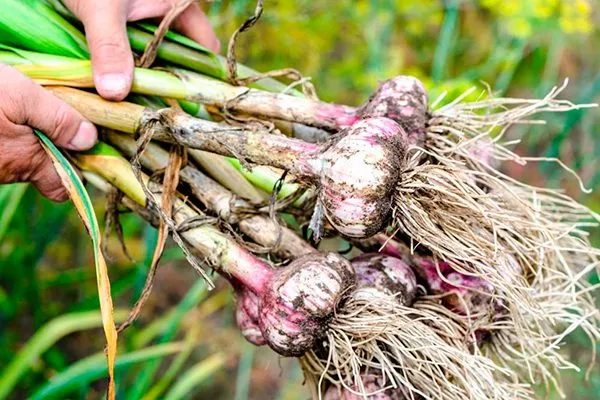
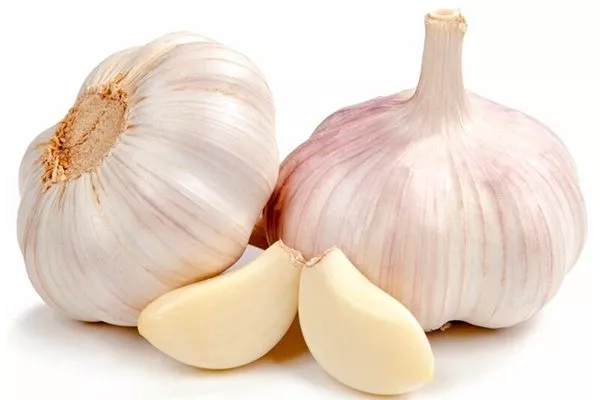
Garlic bulbs are large, flat-round, and weigh on average 90 to 120 grams, though record-breaking specimens can reach 250-300 grams. The cloves are large, with 3 to 5 in each bulb, and are dirty gray or white in color. The outer scales have a grayish tint. Garlic has a pungent flavor, and the flesh is white and dense.
- ✓ The ability to bolt, which is rare among spring varieties.
- ✓ High content of sulfur-nitrogen-containing compounds (7%) and vitamin C.
Purpose and taste
The flavor is exceptionally sharp, spicy, and rich. The cloves are juicy, creating a distinctive taste experience. This variety is versatile and ideal for fresh consumption during the winter. It retains its qualities well during storage.
Maturation
This variety is classified as mid-late, completing its ripening cycle within 87-98 days after mass emergence.
Productivity
The yield of ripe Gulliver garlic depends directly on the planting time. If you cultivate the crop as a spring crop, i.e., plant the cloves in the garden in the spring, the yield will be less significant.
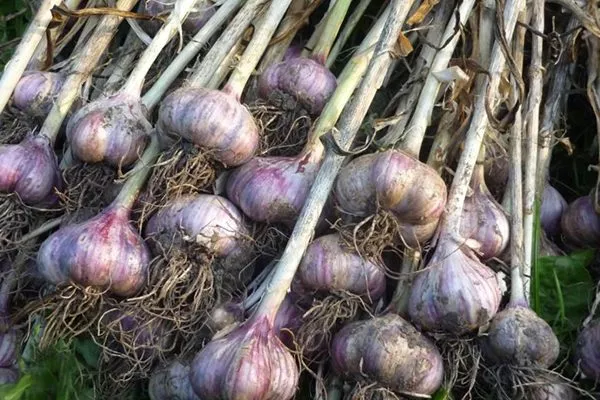
Maximum yields are achieved when growing garlic as a winter crop. In this case, up to 1.3 kg of garlic bulbs can be harvested per square meter of planting.
Growing regions
One of the main advantages of the Gulliver variety is its high adaptability to adverse weather conditions. Spring garlic exhibits well-known frost resistance and easily tolerates short-term spring cold snaps and sudden temperature changes.
Regions where cultivation of the Gulliver variety is officially recommended:
- Central Black Earth District;
- Krasnodar Krai and the North Caucasus;
- North-West region;
- Central region and the Volga region;
- southern and northern regions of the Urals;
- Western and Eastern Siberia;
- Far East.
Gulliver garlic, a high-yielding variety, thrives in a variety of climates and withstands unpredictable weather conditions. This adaptable variety is successfully grown throughout virtually all of Russia, including regions with unfavorable agricultural conditions.
Differences from other varieties
Gulliver garlic is a unique variety that combines the benefits of both spring and winter varieties. Its cloves are most often planted in the spring, making it especially convenient for gardeners who don't visit their dachas in late autumn.
Distinguishing characteristics:
- In July, Gulliver garlic already produces full-sized heads, the size of which undoubtedly exceeds that of other varieties of spring garlic.
- This variety boasts exceptional frost resistance, making it suitable for planting outdoors in the fall as a winter crop. The bulbs grown this way reach impressive sizes, weighing between 180 and 200 g.
- Garlic Gulliver is a bolting variety, which makes it possible to propagate it not only vegetatively, but also by planting aerial bulblets that form at the top of the flower stalks.
- This variety has excellent shelf life and can be used fresh until mid-spring.
Like other spring varieties, it is not demanding in terms of temperature and humidity, successfully preserving its taste qualities even in the conditions of a city apartment.
Advantages and disadvantages
Gulliver garlic boasts numerous significant advantages, making it popular among gardeners and farmers. This variety's positive characteristics contribute to its widespread popularity.
Landing
To ensure a good garlic harvest, it's essential to strictly adhere to the basic principles of cultivation. The chosen site for the garden bed should be well-lit and not overly wet.
Ideally, the previous plot was used for growing cucumbers, tomatoes, beans, cabbage, or lettuce. To ensure optimal conditions, it's recommended to relocate the garlic rows every five years.
- ✓ The optimal soil pH should be between 6.0-7.0 to prevent stunted growth.
- ✓ High soil permeability is required, avoid compacted areas.
Soil requirements
It's important to ensure excellent soil drainage. Begin preparing the soil in the fall. Dig the area to the depth of a spade, then add 5 kg of compost and 20 g of any general-purpose vegetable fertilizer per square meter.
Planting material
Garlic can be grown from cuttings or cloves, with the latter method being more common. Before planting, select the largest, undamaged cloves.
After selecting the cloves, soak them in a salt solution (20 g of salt per 2 liters of water) for 3 minutes. Then disinfect them in a weak solution of potassium permanganate. The cloves should be approximately the same size to ensure that the heads ripen simultaneously and can be harvested on the same day.
When to plant?
Gulliver is a versatile variety capable of producing an excellent harvest when planted in both fall and spring. For a more abundant harvest, plant in October-November, taking local climate conditions into account, allowing 1.5 months after planting before the first frost.
Don't allow seedlings to emerge from the soil before the onset of cold winter, as this can lead to frost damage. However, it's important to allow sufficient time for rooting to ensure the plants survive the winter and survive until spring.
Step-by-step planting instructions
Select large, defect-free cloves. Disinfect them and then dry them.
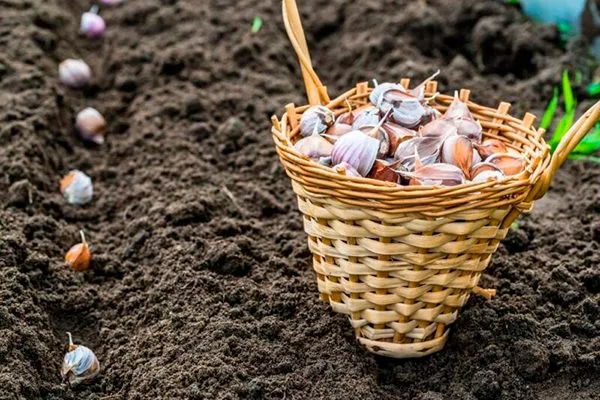
Then follow the instructions:
- Create furrows in the selected area, add wood ash to increase the potassium content.
- Place the cloves at intervals of 15 cm.
- If you plant garlic in the fall, mulch the rows with leaves, hay, sawdust, or spruce branches. Remove the mulch in the spring before the first shoots appear.
To prevent variety degeneration, plant 1/3 of the single-clove bulbs grown from air-grown bulblets each year, interspersed with the clove bulbs. This will ensure the variety is renewed and the size of the ripe bulbs is maintained.
Post-planting care
After planting, garlic requires careful and consistent care. Here are some recommendations:
- Watering. Provide regular watering during the growing season. Watering is especially important during bulb formation (spring and early summer). Maintain a moderate watering regimen, avoiding overwatering.
- Fertilizer. Fertilize your garlic according to the manufacturer's recommendations. Apply fertilizer during the period of active growth and development.
- Loosening and weeding. Loosen the soil around plants to allow air to reach the roots and improve water permeability. Weed to prevent weeds from competing for moisture and nutrients.
- Mulching. Cover the soil around the garlic with a layer of mulch. This will help retain moisture, suppress weed growth, and protect the soil from overheating.
- Cutting off arrows. When growing garlic for bulbs, it's recommended to cut off flowering stems. This allows the plant to focus its energy on developing bulbs rather than seed production.
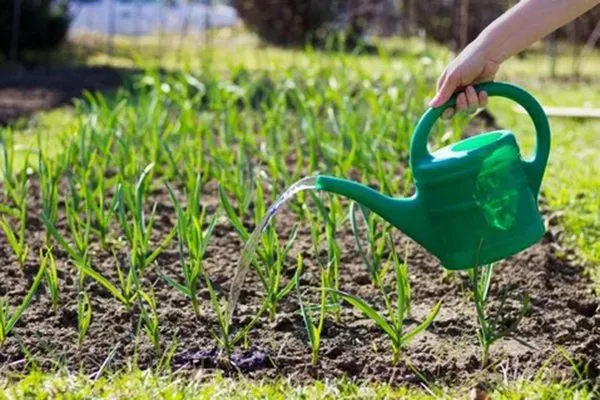
By following these guidelines, you can ensure healthy growth and a good harvest of garlic.
When and how to collect?
Harvesting of the winter Gulliver variety usually begins in mid-summer, around June in the south and a little later, one to two weeks, in central regions. As for the spring Gulliver, it is harvested from mid-July to early August.
Signs of harvest readiness include yellowing and drying of the lower leaves, easy separation of cloves from the sample head, and splitting of the capsules on the stems. It is recommended to harvest garlic a few days early to avoid breaking the heads, which can negatively impact storage.
If rain isn't expected, the garlic can be laid out to dry near the rows after harvesting. It should dry completely in about five days. After this, remove the roots and trim the stems, leaving a short stump about 3 cm long.
How to store it correctly?
After drying garlic bulbs in the garden, move them to a shelter or indoors for further drying for 1.5-2 weeks. For storage, store garlic in boxes filled with hay, jars filled with salt, or even in the refrigerator.
Regularly inspect the bulbs stored. If any are damaged, separate them into cloves and plant them in a container with herb growing soil.
Diseases and pests
Gulliver garlic exhibits high disease resistance and, with appropriate cultural practices, is rarely affected. Common pests, such as onion flies, hoverflies, thrips, root mites, and stem nematodes, may attack the plant.
Cool, damp summers can lead to powdery mildew, white rot, black mold, and other fungal infections. To prevent these diseases, fertilize garlic with ammonium sulfate in spring and midsummer.
Avoid overcrowding and, if necessary, loosen the beds in the summer. Additional preventative measures include the use of Fitosporin, Gamair-T, and Bitoxibacillin. Mixing garlic with calendula or chicory is beneficial.
Review of reviews
The Gulliver variety exhibits outstanding disease and pest resistance, significantly simplifying care and ensuring successful harvests. Garlic's ability to be stored for a long time after harvest adds to its list of advantages. Growing this crop is a promising and enjoyable pastime for gardeners.