
The Lyubasha garlic variety is one of the most popular for winter planting. It is grown throughout the country and praised for its low maintenance, high yield, drought resistance, resistance to some diseases and pests, and excellent ingredient composition.
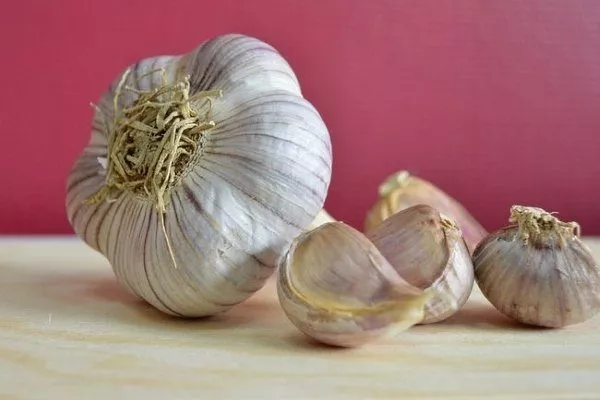
garlic variety "Lyubasha"
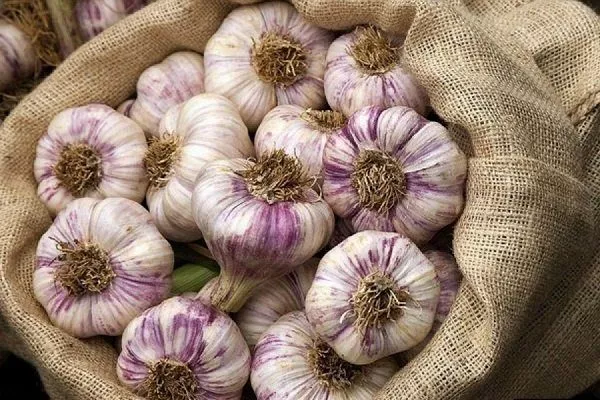
The Lyubasha variety is distinguished by its high yield
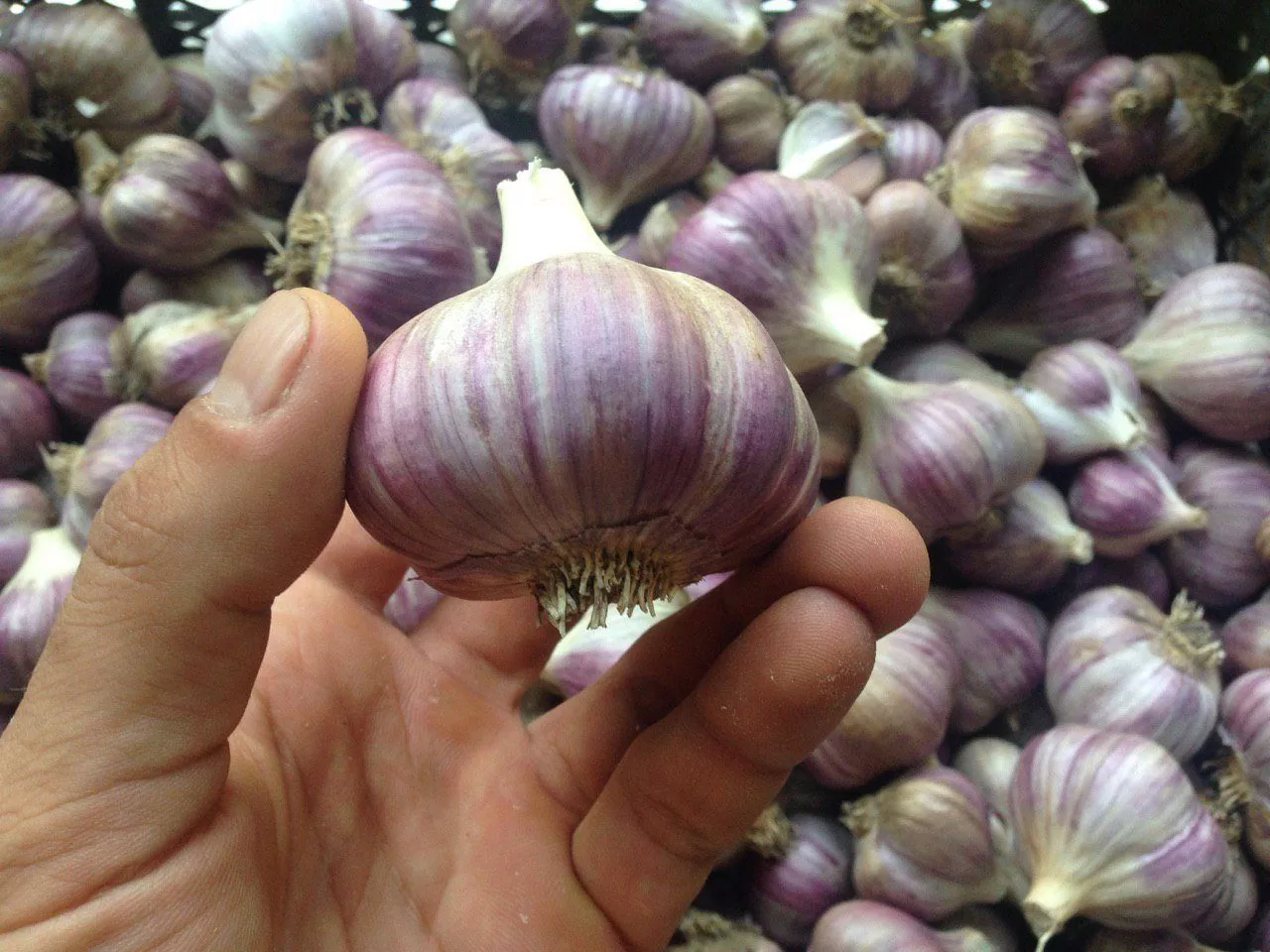
Winter garlic "Lyubasha" stores well
Origin of the variety
Lyubasha is a Ukrainian-developed winter garlic variety. Developed in the 2000s by vegetable grower Ivan Zakharenko, it was named after his mother-in-law. It has undergone the necessary testing and is zoned for cultivation in the climate zones of Ukraine, Russia, Belarus, and Moldova. Because it is undemanding to weather conditions, it has gradually spread throughout Russia.
Description and characteristics
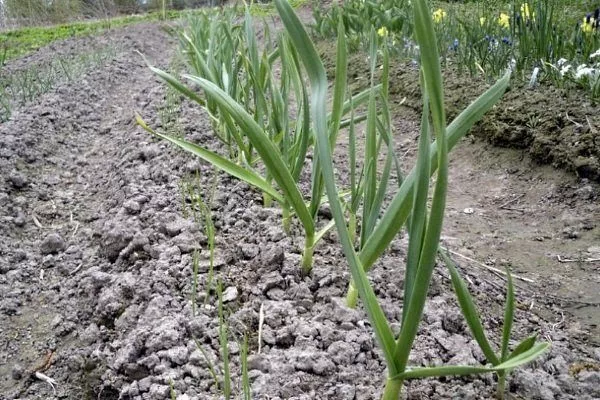
Lyubasha is a versatile variety, suitable for salads and other dishes, as well as for winter preserves. It produces a consistent harvest and is easy to grow and requires little soil. Winter garlic is frost-resistant and stores well. Lyubasha has a robust root system. The foliage is emerald with a light waxy coating. The leaves are long and closely spaced.
Characteristics of the variety:
| Indicator | Meaning |
| Head weight | 100-150 g or more |
| Bush height | 120-150 cm |
| Color of teeth | cream |
| Number of cloves | 5-10 |
| Weight of cloves | 10-20 g |
| Ripening period | 85-95 days |
| Transverse diameter of the bulb | 6-7 cm |
| Yield per hectare | 15-20 t |
Pros and cons of Lyubasha
The winter variety has a number of advantages, which make it attractive to gardeners:
- Excellent drought and frost resistance.
- The product contains high levels of vitamin C, proteins, amino acids, essential oils, selenium and other substances.
- Stable and high yield.
- Tolerance to fungal diseases and resistance to pests.
Where can I purchase planting material?
Ready-to-plant Lyubasha garlic can be purchased at any open marketplace, including online stores and private sellers. On average, garlic for planting (not commercial) costs 500 rubles per kg. Farmers sell 1 kg of bulbs for 200-300 rubles (farms in the Belgorod, Tver, and Tula regions, the Moscow region, and elsewhere).
Buying garlic bulbs for planting will cost an average of 1,000-1,500 rubles per kg. Individual bulbs are also sold individually, starting at 10 rubles for 10 (for example, in stores in the Moscow region). The price of premium products is several times higher.
Time to plant garlic
Lyubasha is planted in autumn and belongs to winter varietiesBulb seeds (air bulblets), single-clove bulbs that have grown in the second year, or mature heads are suitable for planting. The optimal planting period is October (until mid-November), a few weeks before the first frost. This will give the garlic enough time to acclimate to outdoor conditions. If planting garlic in the spring, do so before mid-April, placing the seed in soil that is moist after the snow has melted.
Lyubasha thrives in a variety of climates, both in the south and north. It's suitable for small farms in the Moscow region. It's advisable to select planting material locally.
Selecting a location and soil
The optimal location for a garlic bed is a level, sunny, wind-protected area. It should be neither elevated nor low-lying. In the former case, the bed will freeze in the winter due to a lack of snow, while in the latter case, meltwater will accumulate in the spring. Lyubasha garlic prefers loose soil. It takes root after:
- cabbage;
- pumpkins or watermelons;
- legumes;
- greenery.
Soil preparation
Lyubasha isn't picky about soil, but the gardener still needs to prepare the soil for planting garlic:
- dig up the soil thoroughly, giving it airiness;
- loosen to a depth of about 30 cm;
- remove all debris, stones, and grass from the ground in the process;
- Dig the furrows 2-3 weeks before the expected planting, add the necessary fertilizers: natural and industrial with potassium or phosphorus;
- Water the holes thoroughly 2-3 days before planting.
The planting material is also inspected for defects. Only good, unsprouted bulbs and small bulblets are selected. Garlic cloves are taken from three-lobed heads. It is recommended to soak them in potassium permanganate for 30 minutes to disinfect them.
Step-by-step planting instructions
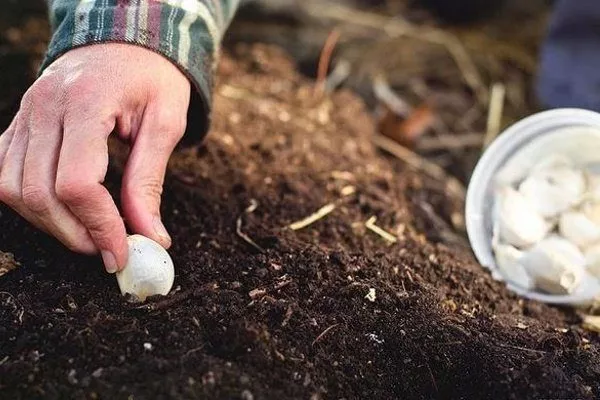
Winter garlic is sown in rows spaced 35-45 cm apart. This spacing is ideal because Lyubasha is a large garlic variety and requires a lot of space. The holes are dug 5-9 cm deep. Wood ash is typically added to the bottom of the holes, and the entire row is then filled with warm water. The planting material is then placed in the holes.
- ✓ The optimal planting depth for Lyubasha garlic cloves should be 7-9 cm to provide sufficient protection from frost.
- ✓ The distance between rows should be at least 35-45 cm to provide enough space for large bulbs to grow.
Planting pattern:
- The cloves and single cloves are deepened by 7 cm or more.
- A depth of 4-5 cm is enough for the bulblets.
The cloves planted in the holes are covered with soil. The furrows are not watered, but covered with spruce branches, straw, sawdust, peat, or thin branches (i.e., mulched). This is especially important in regions with harsh climates, otherwise the garlic may not survive the winter. The covering material is removed once the snow melts.
Caring for Lyubasha
Caring for garlic includes regular watering, weeding and fertilizing.
Regularity of watering
The frequency and amount of watering are determined by the temperature and the garlic's ripening period. From early April until the third ten days of June, when the garlic sprouts new shoots, the beds are thoroughly watered to prevent the soil from drying out. In summer, watering can be reduced to 1-2 times a week. A pale green leaf color indicates excess moisture.
Lyubasha ripens three months after the first shoots appear. Two weeks before full ripening, watering is stopped completely to allow the soil to dry out. This makes harvesting easier.
Top dressing
Lyubasha, like other garlic varieties, benefits from fertilizers to obtain all the necessary nutrients. In spring, garlic is fertilized with urea, diluting 20 g of the substance in a bucket of water and watering the beds using a sprinkler. Up to 4 liters of the product should be used per square meter of plot. If the feathers are growing slowly, bird droppings can be added to the urea (one cup per 10 liters of water).
Fertilizing is combined with watering. The frequency is as follows:
- Spring fertilization with urea.
- The second feeding is done 2-3 weeks later. Dissolve 2 tablespoons of mineral fertilizer (nitroammophoska) in 10 liters of water.
- The third is during the bulb formation period. A phosphorus fertilizer (superphosphate) is used. The consumption rate is the same.
Weeding and other manipulations
Timely digging of garlic beds is essential for healthy plants. Loose soil allows moisture and air to reach the roots and bulbs. Weeds are removed during loosening. Weeding is done after watering, making the gardener's work easier.
In addition to weeding, garlic also benefits from pruning its shoots. When shoots emerge in June and reach 9-11 cm in length, the shoots are pinched off. Farmers keep some of them to use as bulblets for planting. If you plan to leave the seeds, you must wait until they are fully ripe.
Diseases and pests
This garlic variety is resistant to many diseases, but is susceptible to fungal infection during the growing season. Preventative measures include soaking the cloves before planting, spraying the growing plants with fungicides, and removing damaged specimens. Lyubasha is resistant to fusarium wilt, but is susceptible to other pathogens and pests.
| Microorganisms | Pests |
| downy mildew | stem nematode |
| bacteriosis | hidden trunk |
| black mold | root mite |
| neck rot | onion hoverfly |
| onion fly |
| Disease | Lyubasha's resilience |
|---|---|
| Fusarium | High |
| Downy mildew | Average |
| Bacteriosis | Low |
Collection and storage
Lyubasha is harvested in July, preferably in dry, sunny weather. The lower leaves, which turn yellow en masse, indicate that the crop is ripe. How to harvest garlic:
- Use a shovel to dig up the heads, pull them out, and clean them.
- Leave in the shade for two hours.
- Hang it from the ceiling or outside under a canopy for a week.
- When the husk is completely dry, cut off the stems, leaving only the neck.
You can see the Lyubasha garlic variety and learn about its cultivation in the video below:
The harvested garlic is placed in boxes, bags, nets, or braided into braids. Storage areas should be well-ventilated, such as a basement or any other location away from direct sunlight. The ideal winter temperature is slightly below freezing. To ensure the garlic survives until spring, it is periodically inspected for disease and rot.
Reviews of Lyubasha garlic
After the first year of planting, Lyubasha garlic left only positive impressions. We harvested about 80 kg per 100 square meters of land. Most of it went for sale and winter harvesting. Lyubasha loves water. If your soil is constantly wet, I don't recommend frequent watering.
Lyubasha's distinctive feature is its pungent flavor. This garlic is used in home cooking and industrial production. Anyone can grow it in their garden and enjoy a stable harvest.