
Grigory Komarov, a gardener, says that planting garlic is a fascinating and rewarding endeavor that requires attention to detail and a love for the plant. In this article, we'll explore the key aspects of successfully growing this garlic variety, from selecting seeds to subsequent plant care.
History of selection
There is no information about Grigory Komarov, the creator of this variety. It is known that he used collection specimens of a perennial variety to develop it. The garlic was nicknamed "Komarovsky." It was grown on a farm in the Rostov region.
Description of the variety
Grigory Komarov's winter-hardy garlic grows to 1-1.2 m in height. The stems reach 2 cm in diameter, are light green, and tubular in shape.
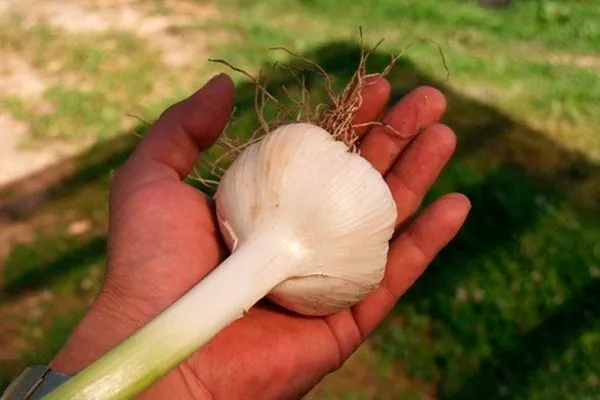
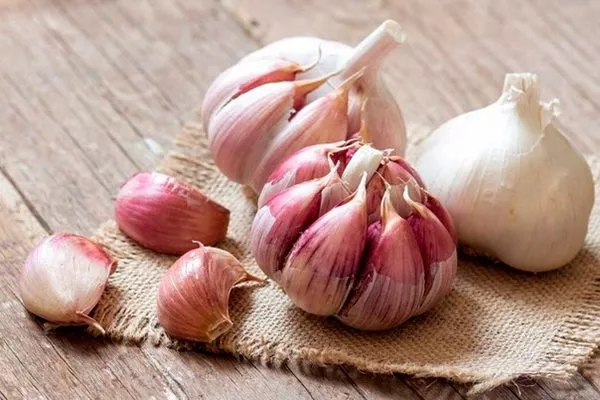
The large fruits of this crop, weighing from 80 to 120 grams (some can reach 200 grams), are characterized by approximately six large cloves. The scales are covered in dry pink shades with distinct purple veins. The flesh is creamy or white.
Purpose and taste
This type of garlic is suitable not only for fresh consumption but also for various processing purposes. It is often chopped, dried, and used as a flavorful seasoning for a variety of dishes. Komarovsky garlic is popular for canning.
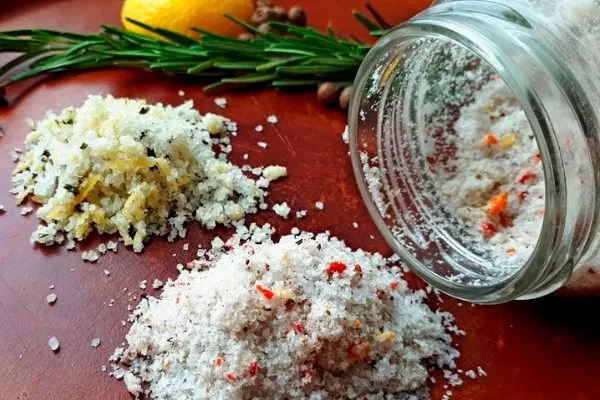
Ripe fruits have a semi-sharp flavor and a distinct, rich aroma. Due to the relatively mild flavor of the fruit, more bulbs may be needed for marinades.
Garlic Yield and Ripening by Grigory Komarov
Grigory Komarov garlic is a mid-season variety. It takes an average of 120-130 days from the first shoots to the leaves turning yellow. Experienced gardeners claim it produces a consistently high yield, virtually independent of soil quality and growing conditions.
Growing regions
The Grigory Komarov variety achieves its best yields in the Central Black Earth, Volga, and Non-Black Earth regions. Garlic cloves, properly planted at the optimal depth, successfully tolerate temperatures down to -25°C, providing favorable conditions for the vegetable's development.
In regions with harsh climates, this variety can produce good yields with a combination of winter protection, including agrofibre, spruce branches, and chopped straw. In short, cool summers, the bulbs of late-ripening garlic may not fully ripen before frost.
Advantages and disadvantages
Grigory Komarov's winter garlic is highly sought after by gardeners due to its numerous advantages:
Differences from other varieties
Grigory Komarov's garlic cloves have a mild, semi-sharp flavor, making this variety a real find for those suffering from gastrointestinal issues.
Differences between Komarovsky garlic and other varieties:
- When eaten fresh, this vegetable doesn't cause inflammation of the stomach and intestinal mucosa, and its aroma makes an excellent seasoning for a variety of dishes. However, it may not perform well in pickles and marinades, as winter preserves often lack the spiciness called for in the recipe.
- Large cloves of garlic are easy to peel, and housewives often prefer to store the root vegetable for future use by drying or freezing it.
- This variety can only be propagated vegetatively. In this case, 20-25% of the harvested crop will need to be spent on planting.
Late-ripening garlic successfully propagates using bulblets. In the first year of cultivation, these produce decent-sized single cloves, which serve as full-fledged planting material for the following season.
Grigory Komarov is a preferred choice for use in folk medicine. The cloves of this variety contain small amounts of the antioxidant allicin and sulfur compounds, which have antibacterial and disinfectant properties.
Landing
Planting garlic is a simple process that requires minimal time and effort. To ensure a bountiful harvest, it's important to follow the recommendations of experienced gardeners.
- 4 weeks before planting, dig the soil deeply to a depth of 25-30 cm.
- Add organic fertilizers (humus) at a rate of 5 kg per 1 sq.m.
- 2 weeks before planting, apply mineral fertilizers (azofoska) according to the manufacturer's instructions.
Soil requirements
The soil for planting garlic should be neutrally acidic. Fertile, light soils are ideal for this variety. A few weeks before planting the cloves, carefully dig the soil and apply fertilizer.
- ✓ The soil pH level should be strictly within 6.0-7.0 for optimal nutrient absorption.
- ✓ The soil must have good drainage to avoid water stagnation and root rot.
Plants respond well to mineral complexes. Use organic fertilizers in the form of compost or extracts. Avoid using fresh manure, as this can negatively impact the quality of the harvest, leading to smaller heads, poorer flavor, and a shorter shelf life.
Planting material
The key to ensuring a successful garlic harvest is using high-quality planting material. The cloves should be healthy and of good size. Carefully sort and inspect all material. Even the slightest imperfections, even black spots, are grounds for rejection.
The selected material requires mandatory processing, which must not be neglected. Saving time at this stage can result in a lost harvest. Place the cloves in a salt solution (20 g per 2 liters of warm water) for 15 minutes, then in a pale pink solution of potassium permanganate for 30 minutes. Dry the material before planting.
When to plant
The optimal time for planting cloves is late autumn, 30-35 days before the onset of persistent cold weather. The exact timing may vary depending on the climate in the specific region and the current weather conditions for the season, whether it's early or late autumn, or winter.
Step-by-step planting instructions
Form rows for planting. Carefully sort the cloves, leaving only large and perfectly healthy specimens. When the air temperature reaches 10-13°C and the first frost is 1.5 months away (depending on local climate conditions), begin planting:
- Plant the cloves in rows 15 cm apart.
- Cover it with earth.
- Fill the holes with soil and cover with hay, straw or fallen leaves for extra protection.
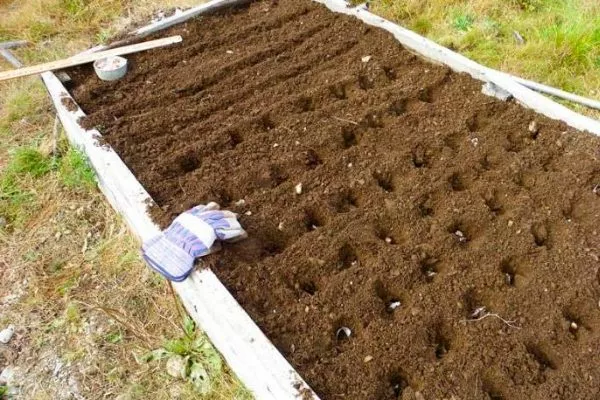
This algorithm will help ensure a successful start to the process of garlic growth and development. Grigory Komarov.
Care instructions
Grigory Komarov's garlic doesn't require much care. Water for the first time two weeks after the snow melts and the meltwater has dried. Thereafter, water at least twice a week. During dry periods, increase watering frequency to once every 3-4 days; with regular rainfall, watering once every 7-10 days is sufficient.
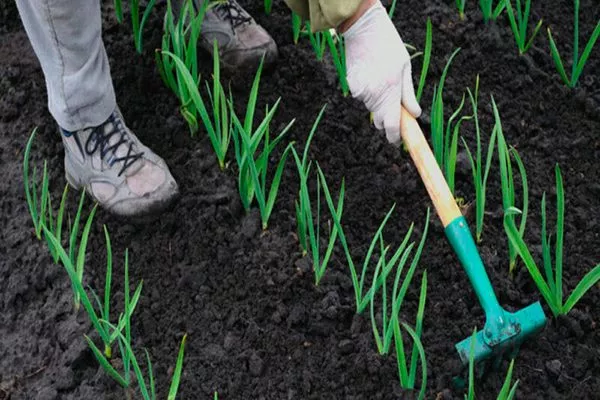
If a dry period occurs, carry out the last watering 2-3 weeks before harvesting, giving the garlic enough time to absorb nutrients, but avoiding excess moisture, which can lead to splitting of the cloves before harvesting.
Additional care includes:
- Top dressing. The variety itself doesn't require any special feeding, but to achieve a high-quality and abundant harvest, fertilizer is recommended. Apply at least 20 g of saltpeter per square meter of bed, and also use superphosphate, azophoska, and complex fertilizers.
Adjust the dosage of mineral fertilizers according to the manufacturer's recommendations. Additionally, you can use organic fertilizers in the form of compost, rotted manure, or mulch. Remember the importance of pre-rotting organic fertilizers for at least one season. - Weeding and loosening the soil. The more often this procedure is carried out, the higher the yield can be.
Hilling, which can be done either manually or with a walk-behind tractor, and mulching are also helpful. Mulch protects the soil from drying out and simultaneously prevents weed growth. Mulching the beds can be done as early as the planting stage.
Diseases and pests
Grigory Komarov exhibits high resistance to most diseases typical of this crop. Due to its natural immunity, this variety is rarely susceptible to disease when proper agricultural practices are followed.
To ensure a healthy harvest, it is recommended to carry out preventive measures at several stages:
- Proper crop rotation with annual change of vegetable crops.
- Treatment of seed material in disinfectant compounds.
- Disinfection of soil in the garden bed before planting cloves.
- Regular adherence to the watering schedule.
- Avoid dense plantings, which can provoke the development of fungal infections.
During the growing season, garlic plants can attract various pests, such as onion flies, tobacco thrips, aphids, and stem nematodes. To repel pests, use folk remedies such as infusions of celandine, wormwood, or marigold.
How to propagate?
Any type of garlic can be propagated vegetatively using individual cloves. Winter bolting garlic is propagated by aerial bulblets, which develop into a single-clove head in the first year. A full head can only be produced from these single cloves in the second year.
There are two main methods of reproduction:
- Aerial bulbs. This method allows for harvesting in two stages. In the first year, the single-clove heads are harvested and replanted to await the next harvest.

- With teeth. You can divide a head of garlic into cloves and plant them in soil for a full harvest. Garlic is planted in the fall and harvested in mid-July of the following year.
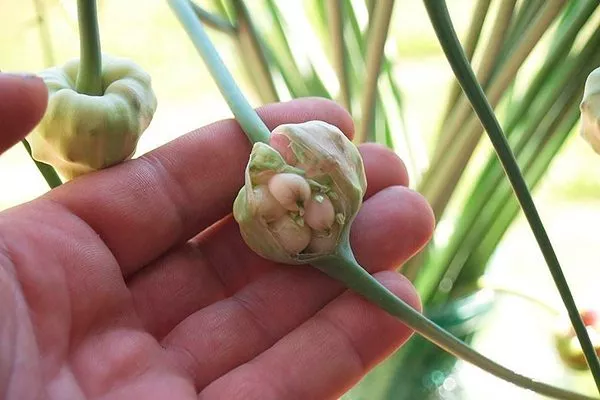
Many experienced gardeners prefer winter garlic varieties, as they provide the maximum yield. Furthermore, the bulblets produced by these varieties allow for the collection to be updated without the risk of degeneration. To achieve this, one-third of the single-clove garlic grown after the bulblets are harvested is added to the clove planting.
When and how to collect?
Garlic is harvested once it is fully ripe. Look for the following signs:
- Ripening of bulblets. Garlic bulbs should be fully ripened, acquiring their characteristic color and texture.
- Lodging of tops. When at least a third of the tops become lodged and acquire a yellowish tint, the garlic is considered ripe.
- Deadlines. Grigory Komarov is considered ready for harvesting on the 120th day after the first shoots appear.
Each of these signs, taken individually, can be misleading. The true skill of a gardener lies in the ability to consider and analyze them as a whole.
How to store it correctly?
After harvesting, begin drying the garlic, preferably outdoors or under cover. It can then be stored in containers, adding moisture absorbers or, in a pinch, using dried onion or garlic peels.
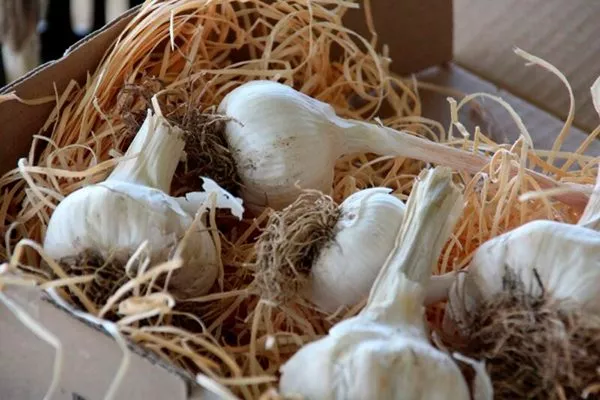
Grigory Komarov maintains its quality for eight months in storage. During this period, it may be necessary to discard any damaged heads and cloves.
Garlic Reviews by Grigory Komarov
Grigory Komarov garlic is the focus of agricultural experts, and this is not surprising given its many advantages. This variety deserves recognition for its outstanding yield, ease of care, and excellent adaptability to variable weather conditions.