
Shadeika garlic represents a significant achievement in domestic garlic cultivation. Its popularity among gardeners and farmers is due to its outstanding characteristics, such as high yield and excellent hardiness. This variety produces fruit successfully even with limited care.
History of selection
The garlic variety was developed by agricultural entrepreneur I. I. Dmitriev and Professor V. G. Suzan. In 2019, the garlic was officially registered and named after its place of origin—the village of Shadeika.
Description of the winter garlic variety Shadeika
The plant exhibits rapid growth, reaching an impressive height of 70-80 cm. The leaves, covered with a protective waxy layer, impress with their rich green hue and possess a standard sword-shaped form.
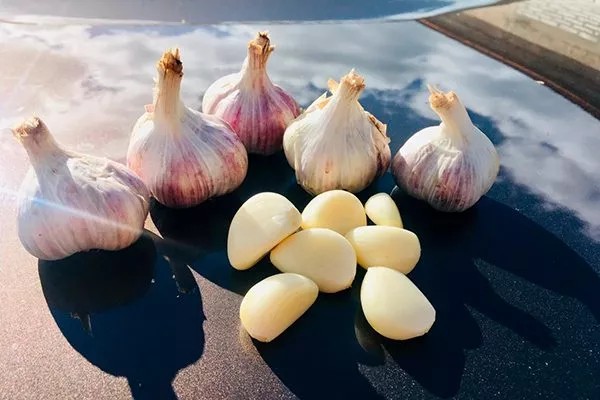
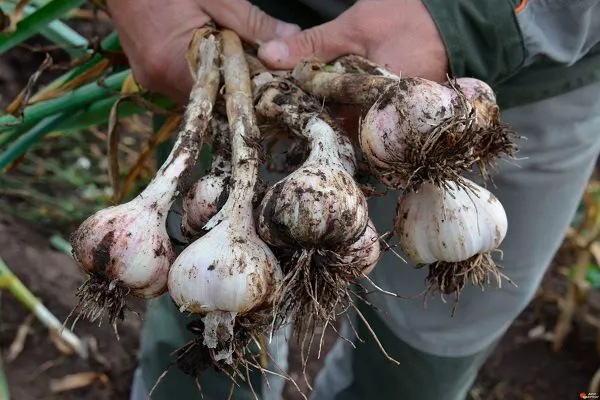
Growing garlic is accessible even to those just starting out, and propagation can be achieved using aerial bulblets. This garlic variety is distinguished by its majestic size and considerable weight. Mature bulbs weigh over 100 g, with the largest reaching an impressive 146 g.
The bulb's flesh is almost white, and the cloves have a delicate beige hue. Typically, a bulb consists of 6-8 cloves, although some varieties with 4 cloves are occasionally found.
- ✓ The bulbs have a dense structure, which ensures high transportability.
- ✓ The variety is highly resistant to sudden temperature changes.
Characteristics
Before purchasing planting material, it's important to familiarize yourself with its characteristics. Shadeika garlic is a winter-hardy variety and is considered a mid-season variety.
Other characteristics of the variety:
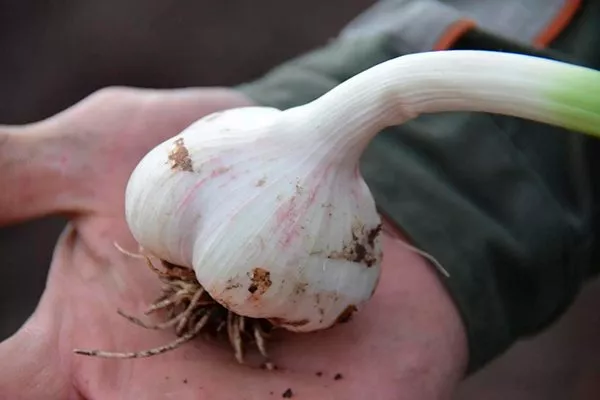
- Bulbs. They have a round, slightly flattened shape with a head diameter of 5-6 cm.
- Frost resistance. High. Garlic is frost-resistant and can withstand temperatures down to -38°C.
Due to its cold tolerance, this variety is recommended for cultivation in various regions of Russia, including the Central, Volga-Vyatka, Ural and others. - Safety. Its height ensures easy transportation without losing its marketable appearance. This factor makes the variety suitable for commercial cultivation.
This is a versatile variety that perfectly complements a variety of dishes.
Purpose and taste
Shadeika has a semi-sharp and refined flavor, adding a unique piquancy to dishes. Garlic cloves are widely used in cooking, adding them to a variety of salads or using them for frying main courses.
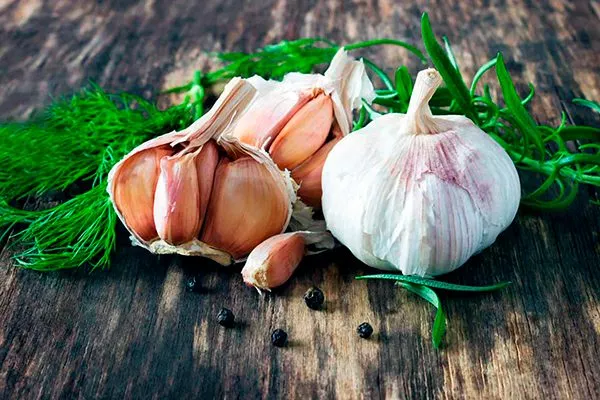
This garlic is often used in canning and preserving. Some prefer to dry the bulbs for long-term storage.
Ripening and yield
Shadeika ripens in midsummer, placing it among the mid-season varieties. There is no exact ripening date yet from the breeders. Compared to other varieties in this group, Shadeika ripens approximately 97-106 days after sprouting.
Disease resistance
Rust is the most common disease gardeners encounter, while powdery mildew poses virtually no threat to this plant. While gardeners believe garlic is rarely affected by diseases, some acknowledge that poor agricultural practices can lead to the development of these diseases:
- Root rot. Another name for this disease is Fusarium wilt. Symptoms include yellowing of the leaves, loss of firmness in the cloves, and a softness of the flesh when pressed with a finger.
- Downy mildew. The main symptom is multi-colored spots covering the leaves, which later dry out and curl up.
- Rust. It is characterized by an orange rash on the above-ground part, which quickly spreads to neighboring plants, which, if not treated in time, can lead to their death.
Specialized medications are used to treat the above-mentioned diseases, although some gardeners prefer folk remedies. However, the latter are significantly less effective than fungicides. Using untested folk remedies risks losing time and crops.
Among the pests that can attack garlic, the following are known:
- Aphid. The insect is active between April and June. It is recommended to search for pests on the undersides of leaves. Control involves the use of fungicides.
- Onion moth. It appears in spring, appearing as dark stripes along the leaf blades. A popular control method is using a tobacco or red pepper solution.
- Root mite. Although it prefers onions, this pest can attack garlic, destroying the bulbs. Acaricides are used to control it.
Growing regions
Shadeika can be successfully grown in any conditions. Thanks to its winter hardiness and undemanding growing conditions, this variety adapts well to various regions of the country, including even the coldest ones.
Differences from other varieties
Shadeika garlic attracts attention with its outstanding characteristics. These are especially relevant for growing in risky farming conditions in Russia:
- Unique winter hardiness. Cloves planted in the fall at the optimal depth are able to withstand cold winters.
- Endurance. Garlic seedlings regularly produce abundant harvests, even in cool, rainy summers with sudden temperature fluctuations, without requiring minimal care.
- Long shelf life. The heads of this variety can be used until the next season.
Furthermore, the tops of Shadeika garlic are rich in ascorbic acid. The green parts of the plant are often eaten in the spring, helping combat vitamin deficiency.
Advantages and disadvantages
Despite its recent appearance, Shadeika garlic has quickly gained popularity throughout Russia due to its low maintenance, high yield, and a number of other attractive characteristics.
Landing rules
The optimal time for growing Shadeika garlic is winter, although the exact month may vary depending on climate. In northern regions, planting is recommended in September, while in southern regions, it's best to do it in late November.
- ✓ Soil pH should be between 6.0-7.0 for optimal garlic growth.
- ✓ The soil must be well-drained to avoid water stagnation and rotting of the bulbs.
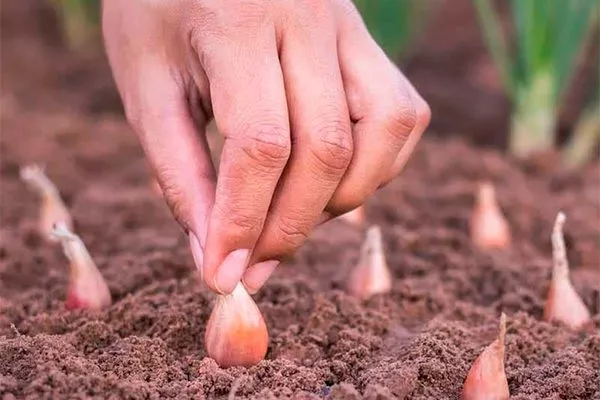
Choose well-lit areas with fertile soil. Maintain an optimal distance between plants (about 10-15 cm) and plant the bulbs at an optimal depth (2-5 cm).
Dig the soil for planting ahead of time, preparing furrows. Maintain a distance of 20 cm between individual plants. Place the seedlings into the soil to a depth of 8 cm, then cover them with a layer of soil. To protect the Shadeika garlic from future frosts, cover them with mulch.
Care instructions
Effective garlic care is key to ensuring healthy growth and a bountiful harvest. Here are some garlic care tips:
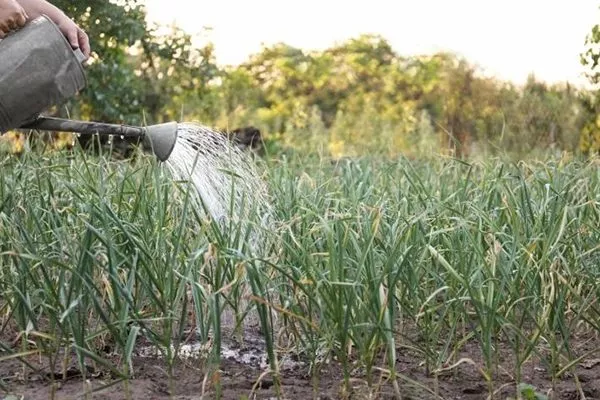
- Watering. Water the plants regularly during the growing season, especially during drought. Avoid overwatering to prevent root rot. Regular soil moisture is essential for a good garlic harvest, and experts recommend watering at least five times a week.
In summer, moisture levels are maintained with less frequent watering, approximately 3-4 times. Watering is stopped three weeks before harvest. - Fertilizer. Apply organic and mineral fertilizers before planting and during the growing season. Maintain a balanced balance of nitrogen, phosphorus, and potassium to support healthy growth. Some gardeners prefer to use potassium nitrate and wood ash as fertilizers.
- Mulching. Cover the soil with a layer of mulch (straw, peat, sawdust) to maintain moisture and suppress weeds.
- Trimming. Remove flower stalks to direct the plant's energy toward bulb formation. Trim yellow or dead leaves to prevent the spread of disease.
Storing Shadeika garlic in winter
Shadeika garlic cloves can be stored for up to 11 months, provided they are kept away from drafts and moisture. This will preserve the product's flavor, appearance, and nutritional properties.
Reviews of Shadeika garlic
The Shadeika garlic variety is a new addition to domestic selection, already a favorite among gardeners growing garlic commercially. This variety combines high yields with excellent hardiness, producing fruit successfully even with infrequent care.