
Eggplants are a demanding vegetable crop that requires specific conditions for growth and fruiting. Poor agricultural practices, diseases, and adverse weather conditions—these and other factors can cause wilting of eggplant leaves.
Causes of leaf wilting
Wilting leaves are an alarming symptom, indicating problems in 90% of cases. Some can be corrected, while others spell doom for the plant. The key is to identify the cause of the wilting promptly and take appropriate measures.
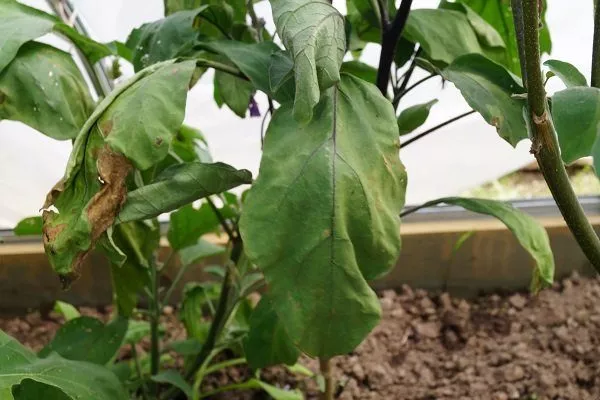
Acidic soil
Eggplants are very sensitive to soil conditions, and wilting leaves are a common reaction to poor soil quality. The plant requires loose, nutritious soil with a slightly acidic or neutral pH.
Eggplant seedlings Plant in store-bought substrate or a homemade potting mix. To ensure good seedling growth and disease prevention, prepare the soil using equal parts of the following ingredients. The potting mix should consist of:
- peat;
- humus;
- turf soil;
- river sand (vermiculite).
- ✓ Soil pH should be between 6.0-7.0 for optimal eggplant growth.
- ✓ The soil must contain a high level of organic matter (at least 4%).
Acidity is a common problem when growing eggplant outdoors. To reduce soil acidity:
- Loosen the space between rows regularly;
- Spread dolomite flour - 300 g per 1 sq. m.
Deoxidizing the soil not only promotes normal growth of eggplants, but also prevents the development of mold and rot.
Temperature changes
The problem of sudden temperature changes usually arises when seedlings are transplanted into their permanent location too early. If you rush, the difference between day and night temperatures will be too great for the normal growth of heat-loving crops.
Temperature fluctuations cause wilting—leaves lose their elasticity, and if there is frost at night, the eggplants die.
- ✓ Minimum soil temperature for planting seedlings is +15°C, air temperature +18°C.
- ✓ Use of mulching to stabilize soil temperature.
How to prevent eggplants from wilting due to temperature problems:
- If you are unsure about the temperatures, be sure to cover the plantings at night with film or agrofibre.
- Plant seedlings promptly. Transplant only when the weather is consistently warm. The soil should warm to at least 15°C.
- For normal growth and development, provide eggplants with the following temperature regime: minimum daytime temperature at +22…+26°C, and nighttime temperature of at least +13°C.
Too much sunlight
Eggplants are sensitive to light. Not only is a lack of sunlight harmful, but so is too much. Direct sunlight can cause the leaves to turn yellow and wilt.
To avoid this problem, plant eggplants in places where the beds receive direct sunlight only in the morning and evening.
In closed greenhouses Eggplants, on the other hand, can suffer from a lack of light. Grow lights are often required. These compensate for the lack of sunlight, but if placed too close, they can cause leaf burn, causing them to wilt.
Eggplants should not be planted in areas previously planted with nightshade crops. The soil should take at least three years to recover. Eggplants grow best after cabbage, cucumbers, legumes, and perennial grasses.
Cold ground
In plants, moisture from the soil rises from the roots to the above-ground parts. If the soil isn't warm enough, the moisture supply is disrupted. As a result, the plants become dehydrated despite adequate watering. Eggplants are heat-loving and react extremely negatively to cold, including ground cold.
If the soil in the greenhouse is cooling, determine the cause. It may be cooling due to drafts bringing in cold air from outside. It's important to regularly measure the air and soil temperatures.
Incorrect watering
A lack of moisture has a negative impact on eggplants—the plant mobilizes all its energy to the roots, stems, and flowers. The leaves, however, are forced to "save" on moisture, and, deprived of moisture, they turn yellow and wilt.
Wilting can also be caused by overwatering. Excessive watering can cause root rot. Cold water can also damage the root system.
Nutritional deficiencies
Eggplants often respond to nutrient deficiencies by wilting leaves. It's difficult to pinpoint the exact nutrient deficiency. Most commonly, wilted eggplant leaves indicate a deficiency of the following elements:
- Nitrogen. The lower leaves deteriorate first. Plants depend on nitrogen for their nutrient supply, and a deficiency disrupts their metabolism. This causes the leaves to wilt, deprived of adequate nutrition.
- Potassium. Eggplants react to a lack of this element with poor flowering, drying out of leaves at the edges, and the appearance of spots on the fruit.
- Magnesium. The leaves at the bottom of the bush become light and turn yellow, but the veins remain dark green.
- Manganese. A deficiency of this element exactly replicates the symptoms of mosaic disease: leaves become covered with mosaic yellow-green spots that differ from each other in the intensity of their color.
- ✓ Nitrogen deficiency: yellowing of lower leaves, slow growth.
- ✓ Potassium deficiency: marginal leaf burn, weak flowering.
Failed transplant
Transplanting seedlings into open ground is always stressful for the plant. Afterward, the leaves may turn yellow and droop. Plants need time to adapt. Most often, after transplanting, eggplants lose their lower leaves—the oldest ones.
How to avoid stress during transplantation:
- carry out work in cloudy weather, in the morning or evening - when there is no sun;
- Grow seedlings in self-decomposing peat pots;
- When growing seedlings in regular containers, water the soil generously before planting and remove the seedlings with large clods of soil, which will minimize the risk of root damage.
Diseases
Diseases often cause wilting of leaves or the entire plant. The most common causes of this plant are various fungal diseases.
Fusarium wilt
The disease is caused by a fungus. It occurs especially frequently in conditions of high humidity, high temperatures, and acidic soil. Lower leaves are primarily affected. The disease attacks blood vessels, disrupts normal nutrition, and causes toxicity.

Uproot and destroy diseased bushes to save healthy plants. Some affected plants may survive and even produce a few small fruits. Treat the soil and healthy plantings with Fitosporin-M, Trichodermin, Fundazol, and their equivalents.
Verticillium wilt
This fungal disease typically affects the crop during the fruit formation stage. Its symptoms and treatment are the same as those of fusarium wilt. A distinctive feature of the disease is that leaves gradually wilt, from the edges to the center.
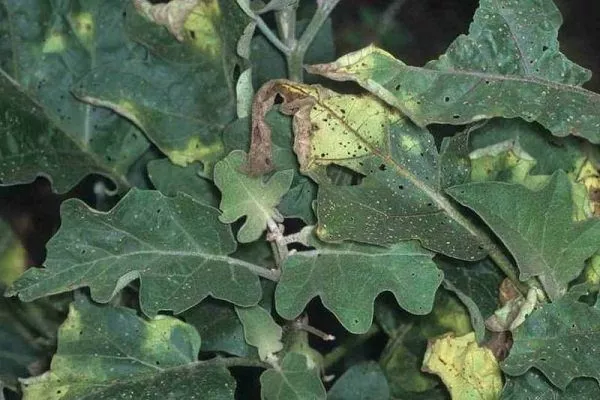
Factors that provoke verticillium wilt:
- excess nitrogen in the soil;
- water shortage and temperatures at +16…+20°C.
The best preparations for treatment are Fundazol, Previkur, Topsin-M, Trichodermin.
Blackleg
One of the most common diseases of vegetable seedlings, including eggplants. It also affects mature plants. Characteristic symptoms include a dark constriction at the base of the stem and rot at the root collar.
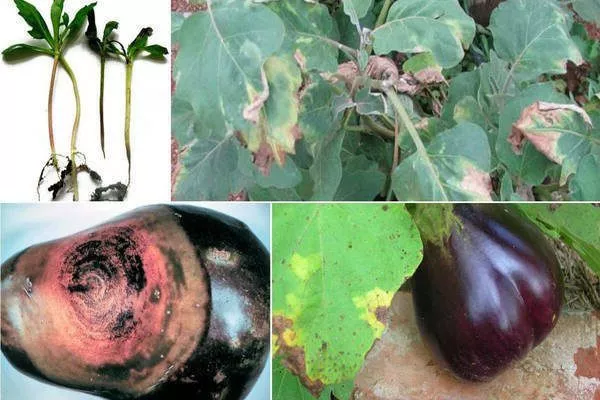
Black leg is provoked by the following factors:
- lack of light;
- waterlogging of soil and air;
- sudden changes in temperature.
Seedlings affected by the disease weaken and wither, and when the fungus reaches the roots, the plants die. Sometimes, blackleg attacks all seedlings at once, causing them to die rapidly and en masse.
How to combat black leg:
- remove and destroy affected specimens;
- water the soil with a solution of potassium permanganate, and if the seedlings are sick, completely replace the soil;
- water and spray plants with Planriz and Previcur;
- Before planting, treat the seeds with potassium permanganate (1 g per 1 liter of water);
- spray the seedlings with Fitolavin;
- Dust the beds with ash.
Tobacco mosaic
This is a viral disease that particularly often affects eggplants grown indoors. It is triggered by low light and cold temperatures. Leaves affected by the disease become covered in dark and light green spots, which later turn yellow.
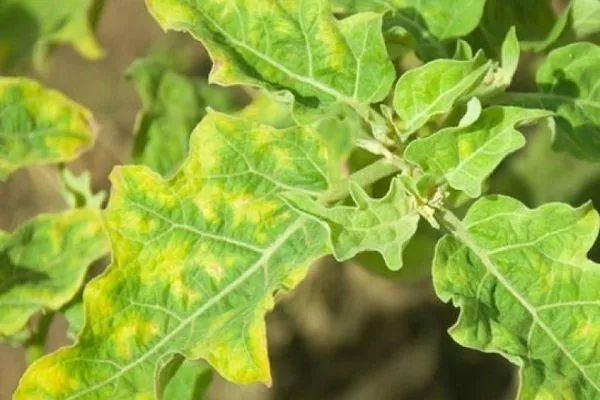
As a result of mosaic, fruit growth stops, and ripe eggplants become completely inedible—their flesh is hard and woody. There are no effective treatments. Preventing the disease involves following proper agricultural practices and using preventative fungicide sprays.
White spot
This fungal disease, also known as septoria leaf spot, causes small, off-white spots. The disease requires complete isolation of the affected beds and cessation of watering.
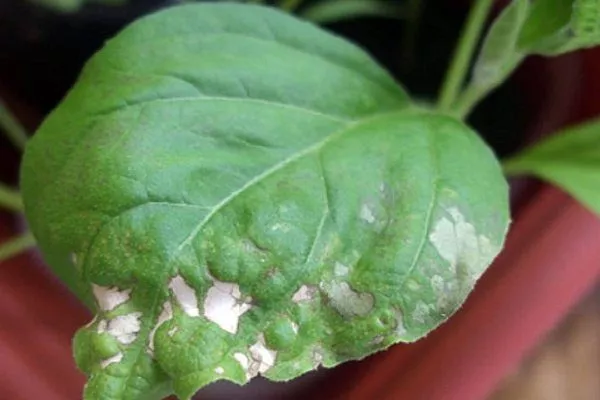
Once the soil dries out, treat the plants with fungicides, such as Thanos. If there's no improvement and the plants continue to wilt, remove them to prevent the disease from spreading to healthy plants.
Bacterial cancer
The disease is caused by aerobic bacteria and is incurable. It is accompanied by the appearance of ulcers on the petioles and cracks on the stems. The leaves do not fall off, but dry out, curling on one side. The fruits become covered with small, hard spots.
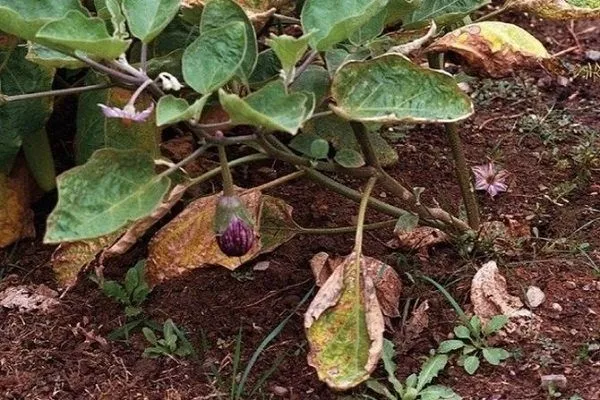
Dig up and destroy bushes affected by bacterial canker. Treat all healthy plants with a 1% Bordeaux mixture solution as a preventative measure.
Pest infestation
Eggplants have many enemies that want to feast on their soft, juicy leaves, drink their juices, or nibble on their stems. Wilting of the plant is most often caused by spider mites and mole crickets.
Spider mite
This is a small, sucking parasite, no more than 0.5 mm long, that causes yellowing and wilting of leaves. They look like dust accumulated on the underside of the leaves. Over time, the leaves become covered in a fine web, then lighten in color, curl, turn yellow, and wilt.
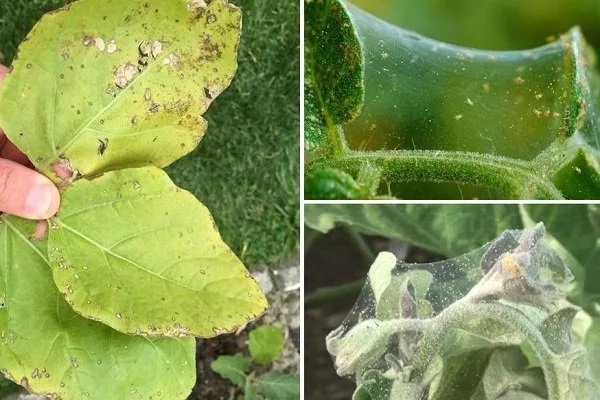
Mites feed on sap, move quickly through woven webs, and can infest all plants within their reach. Mites dislike moisture and typically infest greenhouses with dry air.
How to fight:
- Spray greenhouse plants with water, but not in sunny weather in open ground;
- Spread natural enemies - predatory mites, which can be purchased at garden stores;
- wipe the leaves with soap suds (from laundry soap);
- In case of severe tick infestations, spray the bushes with insectoacaricides (antitick preparations) - Actellic, Fitoverm or their analogues.
In greenhouses, after harvesting fruits, disinfect them with a solution of bleach (150 g per 10 l of water).
Mole cricket
The mole cricket is a large insect (6 to 8 cm long) with a hard, chitinous shell that lives underground. It has powerful jaws that it uses to gnaw through the roots of plants, causing them to wither and die. It is impossible to save plants damaged by the mole cricket.
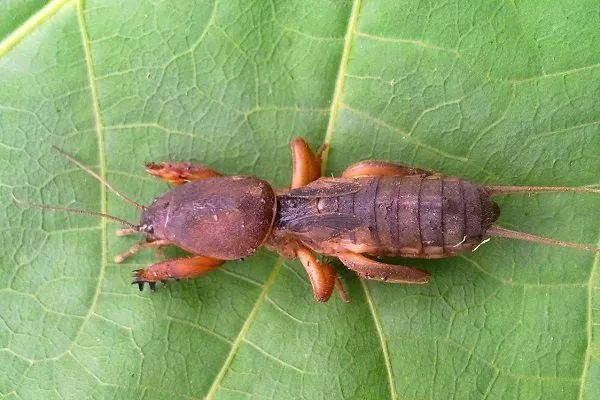
How to fight a mole cricket:
- scatter bait made from crushed eggshells mixed with sunflower oil;
- pour beer, a solution of washing powder or kerosene (150 ml per 10 liters of water) into the holes;
- Fill burrows, manure piles and mole cricket habitats with granules of the drug Fenaxin Plus.
Mechanical damage to plants
Mechanical damage is dangerous even for trees, let alone vegetable crops. Even minor impacts can lead to their death.
What mechanical damage causes wilting:
- Breakage of branches. Carefully tear off/cut off the broken branch and sprinkle the broken area with crushed activated carbon to prevent infection from penetrating through the wound.
- Stem fracture. There is practically no chance of saving the plant; it is better to remove it immediately.
- Trimming roots during loosening. The condition and fate of the eggplant depends on the extent of damage.
The main cause of mechanical damage is careless handling of eggplant plants. They are fragile, and a branch or even a plant can break during harvesting. When performing any work, especially weeding and loosening the soil, it is important to exercise extreme caution.
Why do the lower leaves of eggplants wilt?
If only the lower leaves of your eggplants have turned yellow, while the rest are fine, this is most likely due to natural biological processes. Causes of wilting lower leaves include:
- Leaves often turn yellow and wilt on seedlings after transplanting—this is a stress response. After transplanting, the plants spend all their energy maintaining the tops of their plants, leaving them with little energy for the lower leaves.
- Wilting is caused by aging. The lower leaves are unable to photosynthesize, and the plant tries to shed them. The gardener should carefully remove these wilted leaves.
- Lower leaves often wither after roots are damaged by pests or rot.
Why do seedlings wither?
Growing eggplant seedlings is a responsible task, requiring maximum attention and care from the gardener. One mistake, and the seedlings begin to become ill, weaken, and may even die. One of the most common reactions is wilting.
Reasons for seedling wilting:
- A natural process. If the leaves wilt during the day when the sun is shining brightly, but nothing similar happens in the morning, then the wilting is a natural reaction to light. Don't do anything.
If a similar phenomenon is observed at any time of the day, then look for another reason. - It's cool in the room/greenhouse. Eggplants are very heat-loving, and their seedlings are even more so. A slight cold snap is enough to make the seedlings "wilt." Moreover, wilting can be triggered by cooling of both the air and the soil.
Eliminate drafts and block cold air flows from the street. - Moisture deficiency. If seedlings don't get enough water, their leaves become limp, thin, and droop. The growing medium should always be slightly moist, but not soggy. As soon as the soil becomes dry, water the eggplants immediately.
- Picking. Repotting often causes cotyledon leaves to wilt, and this is considered normal. The plants are simply adapting to the new conditions. To reduce stress, repot the seedlings in a substrate that is 100% identical in composition to the one they were grown in.
- Fungus. In the early stages, fungal diseases often cause seedlings to wilt. To be on the safe side, spray the seedlings with fungicides (as a preventative measure).
How to find the cause of seedling wilting and correct the situation:
- Check if the seedlings have a musty smell and if the root system is rotting.
- Remove a couple of seedlings along with the root ball. Healthy seedlings have white, fluffy roots. If they change color, reduce watering.
- If plants are wilting due to differences in air and container temperature, balance them. To do this, raise the pots 20 cm. Any stand will do.
- If wilting is caused by insufficient air flow to the roots, the solution is to loosen the soil, enlarge the drainage holes, and reduce watering. Adding wood ash (if the plants are potassium deficient) can often help.
What to do if eggplants are wilting?
Most problems that cause leaf wilting are reversible and can be addressed with minimal impact on eggplants. What to do if your eggplants are wilting:
- Optimize your care. Analyze all agricultural practices to ensure they are carried out with sufficient quality.
Check the water temperature for irrigation, maintain proper watering, monitor temperature and humidity, spray the bushes on time, and do not neglect preventative measures. - Feed the plants. Wilting bushes are often caused by a nutrient deficiency. If you can't tell from external signs which element is missing, apply a complete fertilizer—it contains everything vegetable crops need.
- Treat diseases. At the slightest sign of disease, treat plants with appropriate products. If the disease is incurable and contagious, immediately uproot and destroy affected plants.
- Fight pests. Inspect your plants regularly for insect damage. The earlier they are detected, the less damage they cause, and the more effective their control.
Today, all the necessary means of insect control are available for sale, both those with a narrow target (for example, specifically for ticks) and those that are universal.
Preventive measures
The main preventative measure against eggplant leaf wilting is good care and strict adherence to agricultural practices. How to prevent eggplant wilting:
- Transplant seedlings into open ground only when optimal growing conditions are created. The soil should be well-warmed. Add all necessary mineral and organic fertilizers in advance.
- Follow the regime strictly top dressing and watering. Use warm, settled water. Using cold water for watering eggplants is strictly prohibited. Closely monitor the soil, preventing it from drying out or becoming waterlogged.
- Before transplanting outdoors, harden off the seedlings for two weeks. Take them outside daily, gradually increasing the amount of time spent outdoors.
- As a preventative measure, spray plants with a mixture of soap and copper sulfate: mix 2 tablespoons and 1 teaspoon, respectively, with 10 liters of water. Grate the soap on a coarse grater beforehand.
Helpful Tips
Growing eggplants is fraught with challenges, but experience and knowledge of agricultural techniques can help avoid them. The fewer mistakes you make, the greater your chances of a good harvest.
Tips from experienced gardeners:
- Eggplants are demanding of soil conditions and produce best in loamy and sandy loam soils. In other soils, the crop grows slowly, produces a more modest yield, and requires more careful care.
- Eggplants don't grow well in peat pots. It's better to use disposable cups for growing seedlings. Experienced gardeners say eggplant seedlings are more likely to wilt in self-decomposing containers.
- In open ground, plant the plants so that the beds are not too dense. This leads to foliage wilting and reduced yields.
- It is important to thoroughly disinfect instruments and containers.
Wilted leaves are common on eggplants. This problem is most often associated with care errors and the fussiness of the plant itself. By following proper agricultural practices, you can minimize the risk of eggplant wilting.