
The Vitalik eggplant variety has gained popularity among gardeners due to its excellent flavor and tolerance to adverse growing conditions. Growing this hybrid is a challenging process that requires care and attention, but it will help you grow strong plants and a bountiful harvest.
Main characteristics
The hybrid was developed by Vasily Ivanovich Blokin-Mechtalin and approved for use in 2022. The variety is characterized by high yield and is suitable for freezing, canning, and home cooking.
Bush
The vegetable thrives both in open ground and under plastic covers, in both professional heated and conventional greenhouses. Fruit sets well even in long-daylight conditions.
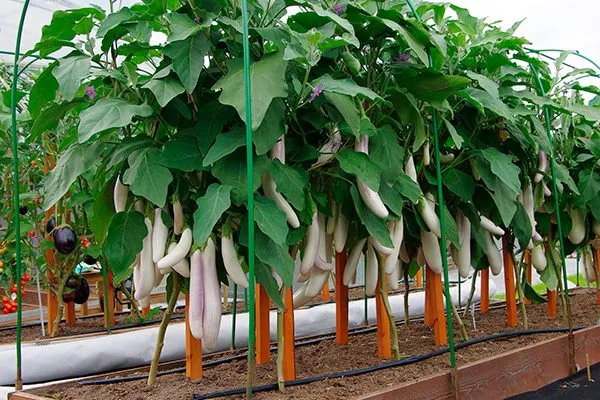
The plants reach a height of 70 to 90 cm. They are characterized by medium vigor and a semi-spreading habit. The bushes are covered with medium-sized, unwrinkled leaves. The foliage is green.
Fruit
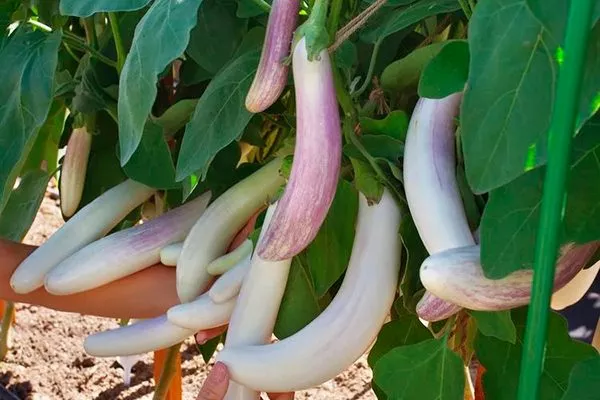
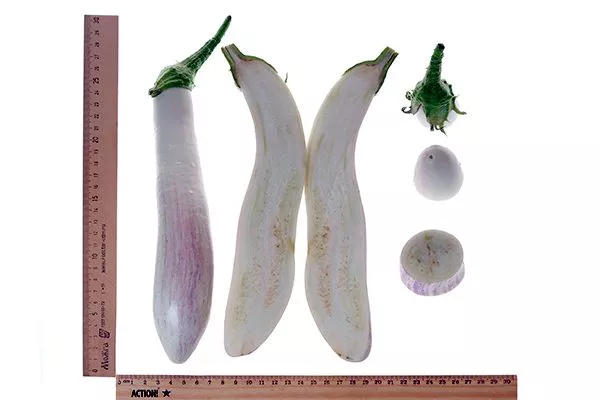
The fruits are cylindrical, elongated, glossy, and beautifully colored: white with blurred longitudinal purple stripes. The eggplants are uniform in shape and size, ranging from 25 to 30 cm in length, approximately 7 cm in diameter, and weighing 150 to 250 g.
Maturation
The fruits reach maturity in July, August, and September. The period from germination to harvest is approximately 60-65 days, from the time 60-70-day-old seedlings are planted until technical maturity is reached.
The fruiting period is long, allowing for a long harvest and fresh blueberries to be enjoyed throughout the season. The average yield is 8.5 kg per square meter, making it attractive to gardeners.
Features of cultivation
Planting and growing eggplant seedlings is an important step in ensuring successful growth and development. The key steps for planting and caring for the crop are:
- Choose quality seeds from trusted suppliers.
- Sow seeds for seedlings 6-8 weeks before the expected last frost date. Sow seeds in light, fertile soil to a depth of about 0.5-1 cm.
- Warmth is required for successful seed germination. The optimal temperature is 25-30°C.
- Once the seedlings emerge, thin out the seedlings, leaving the strongest plants. Ensure the plants receive adequate light.
- When the seedlings reach 10 cm in height and the first true leaves appear, begin picking them out and transplant them into separate pots or boxes for further growth.
- Before planting seedlings in open ground, harden them off so that they gradually get used to colder conditions.
- When the seedlings reach a certain size and the right time has come (after persistent frosts), plant the seedlings in open ground at a distance of about 60 cm from each other.
- ✓ Check the seeds for germination by placing them in water: good seeds will sink to the bottom.
- ✓ To prepare the soil, use a mixture of peat, humus and sand in a ratio of 2:1:1.
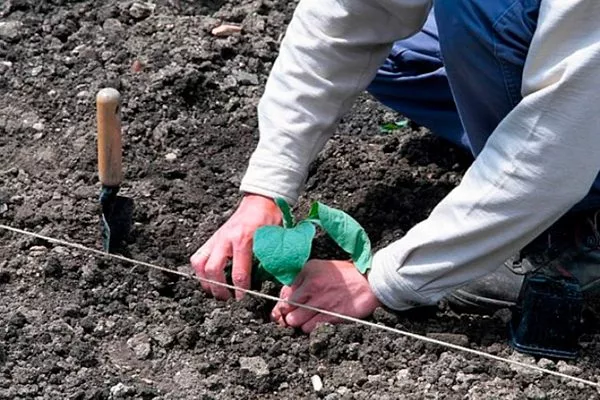
Crop care includes a number of important aspects that will help ensure healthy growth and a good harvest. Follow these agronomic practices:
- Watering. The plant requires regular watering. Keep the soil moist, but avoid standing water to prevent root rot. Water in the morning or evening to prevent evaporation.
- Fertilizer. Regularly fertilize the soil with organic or mineral fertilizers to ensure good plant growth and development. Add fertilizers rich in nitrogen, phosphorus, and potassium.
- Support. Use stakes, supports, or other devices to support the plants, especially when fruit begins to form. This will help prevent the stems from bending or breaking.
- Weeding and mulching. Weed your garden beds regularly to prevent weeds from competing for nutrients. Mulch the soil around your plants to retain moisture and suppress weed growth.
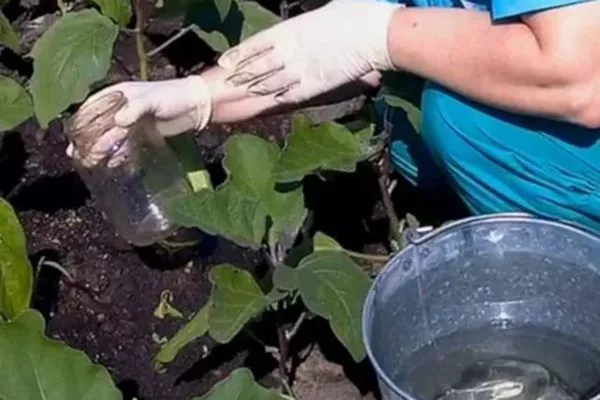
| Method | Efficiency | Period of validity |
|---|---|---|
| Organic remedies | Average | 2-3 weeks |
| Chemicals | High | 4-6 weeks |
Storage
Harvest the vegetables when they reach the desired size and color. Trim them carefully to avoid damaging the stems. Regular harvesting encourages further fruiting. Store the blueberries at a temperature of 10°C to 12°C, such as in a cellar, basement, or refrigerator.
Thanks to its unique properties and excellent flavor, the Vitalik variety is considered a favorite among gardeners. Growing eggplants can be a fascinating hobby that brings pleasure and rewards with bountiful harvests.