
Eggplants are a valuable source of nutrients. They are often the target of numerous pests, among which thrips are particularly prominent. These small but extremely voracious insects can cause serious damage to crops by sucking the juices from leaves, flowers, and fruits. Effective control is the key to maintaining healthy plants and a bountiful harvest.
What are thrips and why are they dangerous?
Thrips are small insect pests that pose a serious threat to a wide range of agricultural crops, including eggplant. Their danger stems from their feeding method: the parasites pierce plant cells and suck out the sap, causing deformed leaves, flowers, and fruits. This, in turn, reduces yields and impairs the marketability of the produce.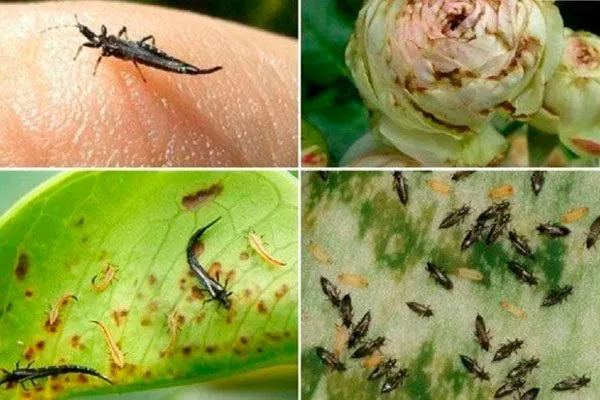
In addition to causing direct damage, thrips are carriers of dangerous viral diseases. When moving from an infected plant to a healthy one, they spread viruses, which can lead to widespread disease and significant crop losses.
Causes and signs of thrips
Pests pose the greatest threat during periods of drought and heat, when their populations multiply rapidly. Under these conditions, plants are weakened and more vulnerable to damage.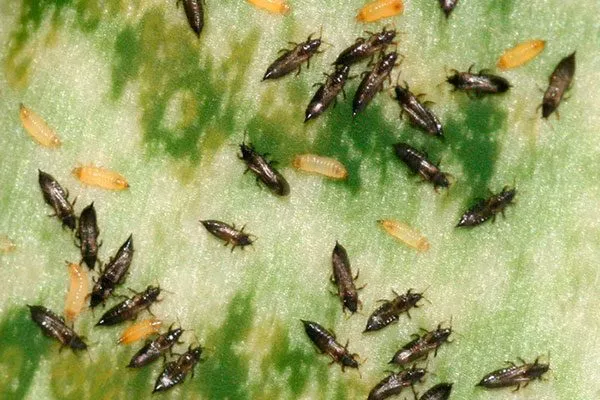
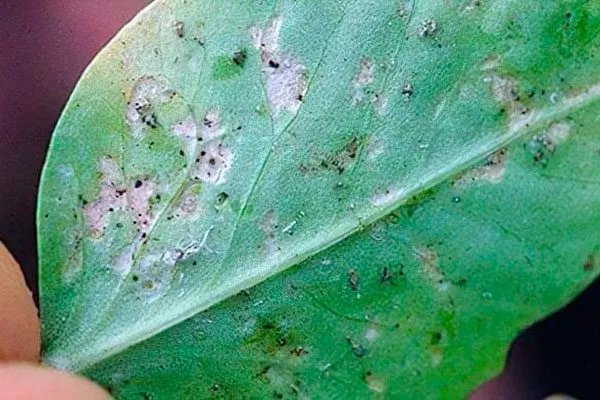
Signs of thrips infestation include:
- the appearance of silvery or whitish spots on the leaves;

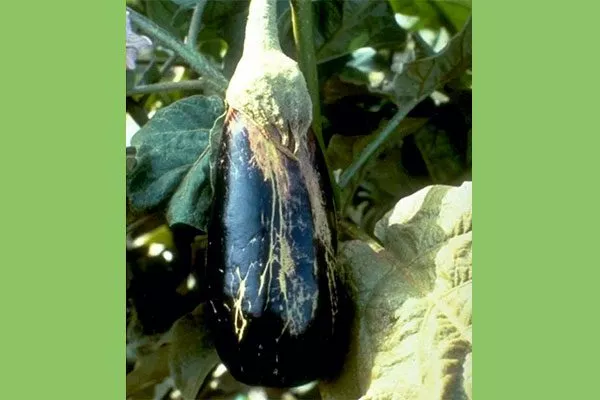
- deformation of flowers and fruits;
- delayed growth and development of plants.
Methods of controlling thrips on eggplants
A wide range of methods are used to control thrips in eggplant beds, but chemical treatments are considered the most effective. However, many gardeners prefer to resort to tried-and-true folk remedies and various types of traps.
Traps and natural “predators”
An integrated approach combining the use of traps and the use of natural enemies is an effective and environmentally friendly method of controlling thrips populations.
Place traps on the territory:
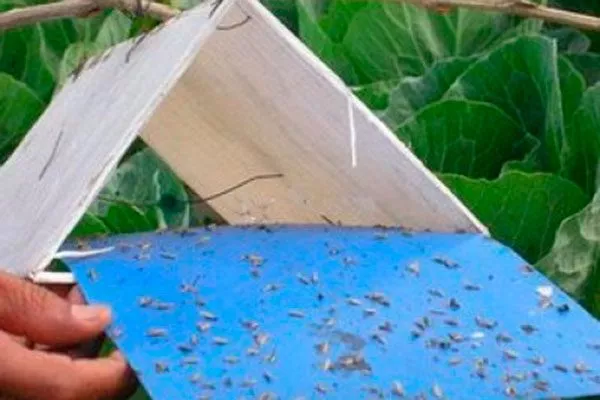
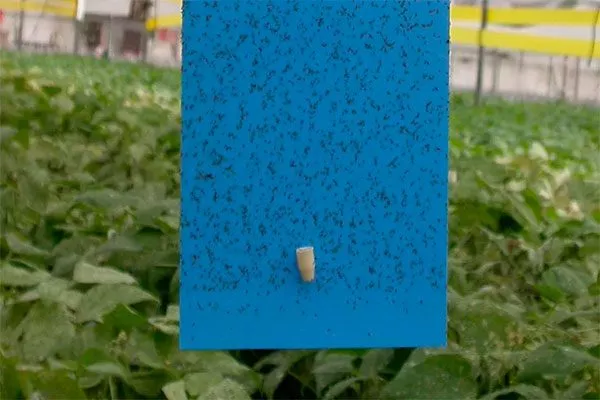
- Sticky. Yellow or blue sticky traps attract insects, which adhere to surfaces. They are placed above plants and replaced regularly as they fill up. They allow you to monitor pest numbers and reduce their population.
- Pheromone. Use pheromones that mimic the scent of female thrips to attract males. These are effective for monitoring and determining the optimal time for other control measures.
Natural predators will help:
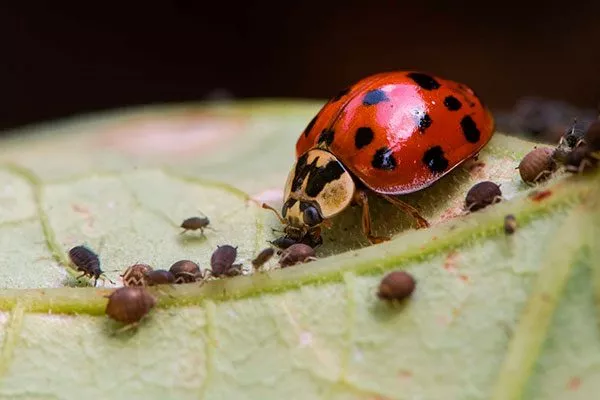
- Ladybugs. Ladybug larvae and adults actively feed on thrips. To attract them, create favorable conditions, such as planting nectar-producing plants.
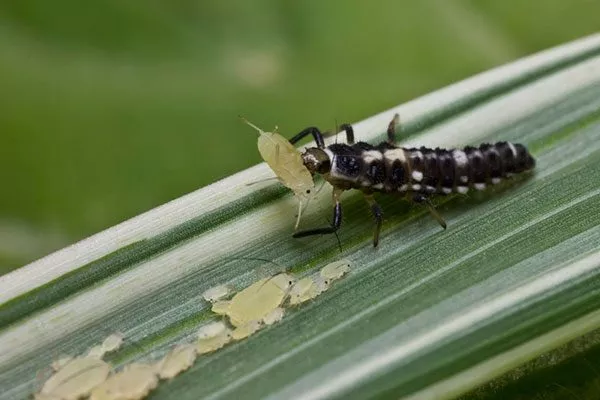
- Lacewings. The larvae are voracious predators that feed on thrips, aphids and other small pests.
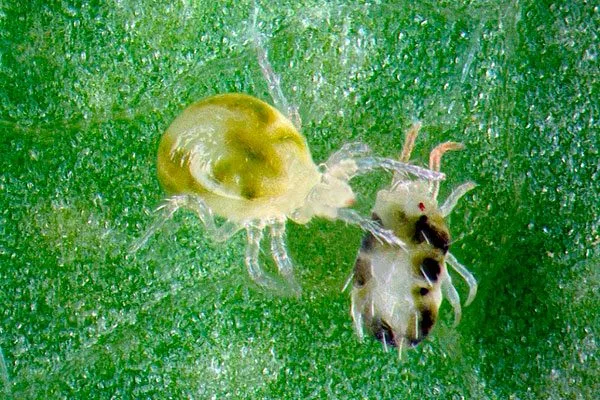
- Predatory mites. Some mite species, such as Amblyseius swirskii, are effective biological control agents for thrips. They actively consume the larvae, keeping their numbers under control.
Fumigation checkers
To combat thrips in greenhouses, use tobacco smoke bombs. The nicotine-infused smoke they release effectively kills both adults and larvae. This treatment is not only safe for plants but also stimulates their development.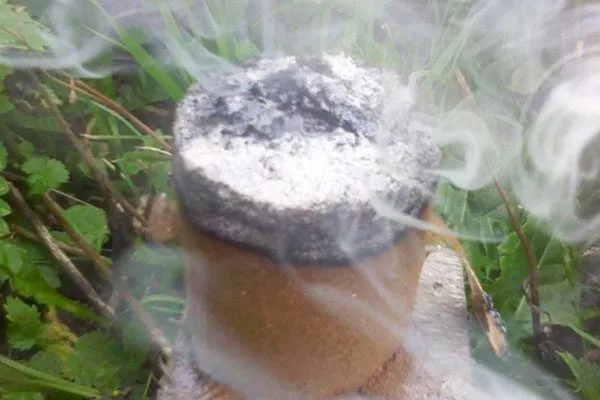
Fumigation does not affect thrips eggs, so to completely eradicate the pests, it is recommended to repeat the procedure seven days later. This will kill any larvae that hatched from the eggs after the first treatment.
Treatment with biological preparations
Biopreparations are a safer alternative to chemical pesticides for plants, animals, and humans. They are typically based on compounds isolated from bacteria or microorganisms.
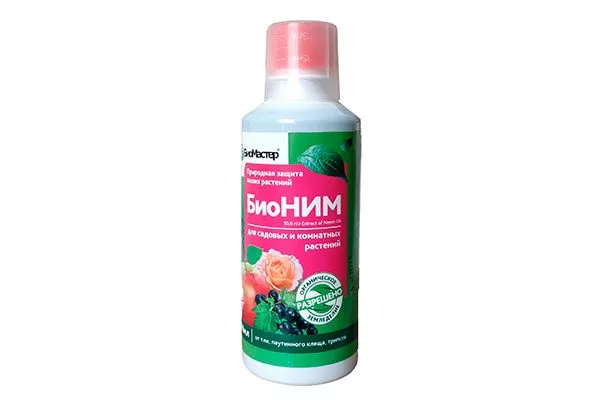
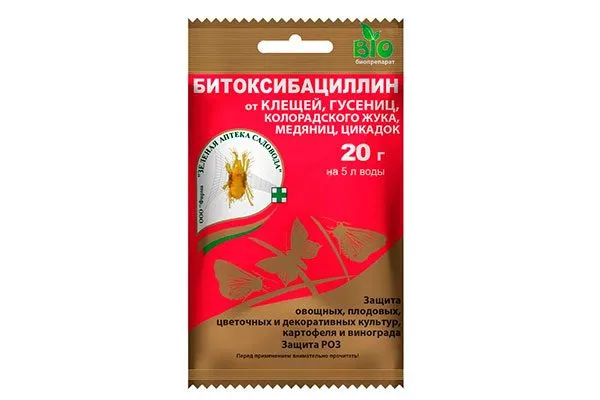
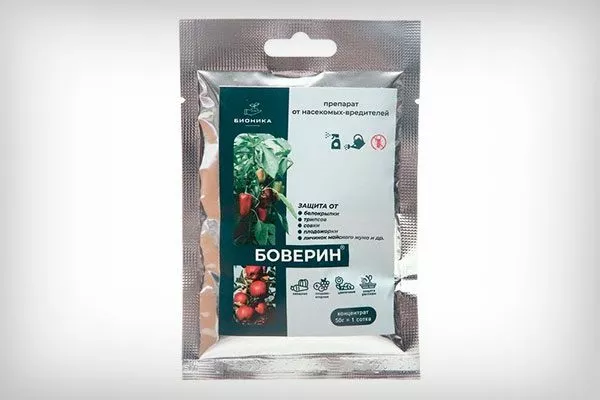
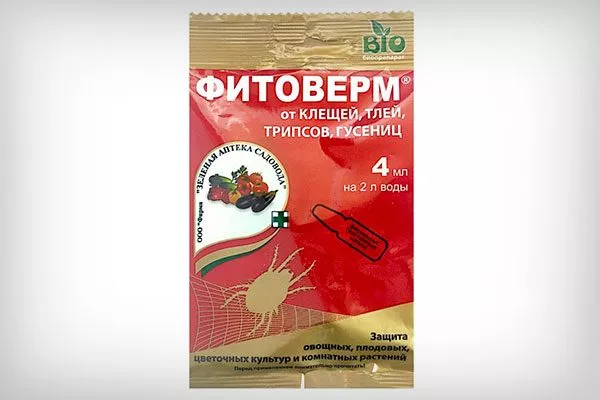
Treatment with biological products requires more frequent application and consideration of their compatibility with other protective agents. Popular products include:
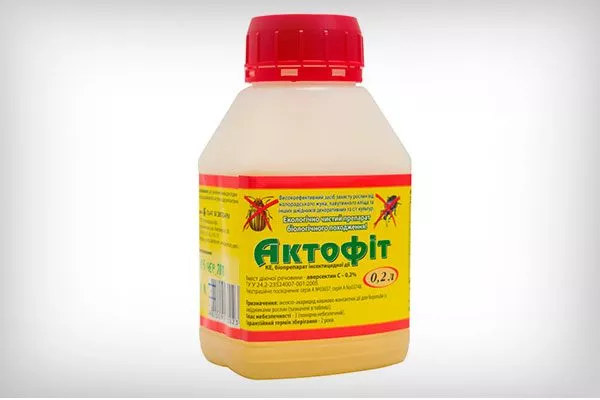
- Actofit;
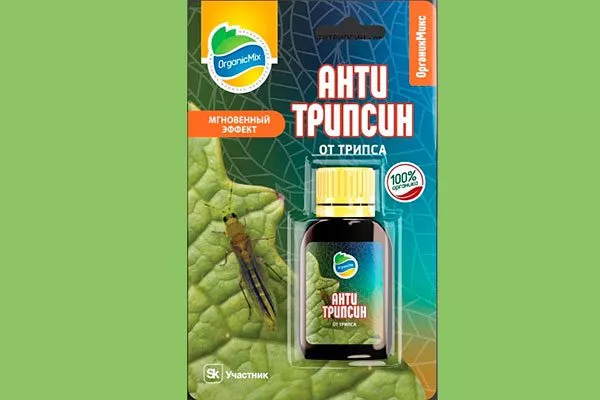
- Antithrips;
- Bionym;
- Bitoxybacillin;
- Boverin;
- Fitoverm.
Chemicals
Chemical insecticides are more effective in controlling thrips. When preparing solutions, strictly follow the instructions and wear personal protective equipment (PPE), such as a mask and gloves.
Among the most effective chemical agents, the following can be distinguished:
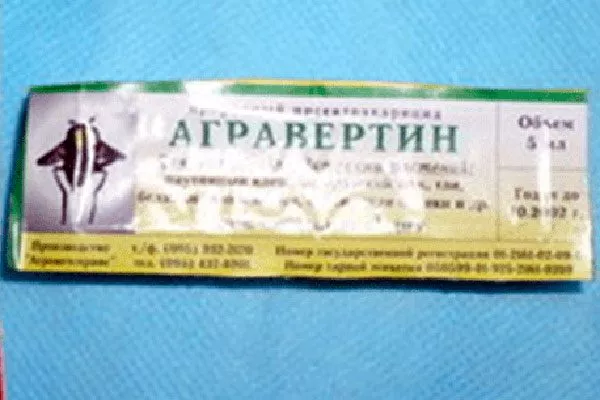
- Agravertin. The product kills pests on contact, acting quickly. Recommended concentration: 5 ml per 500 ml of water.
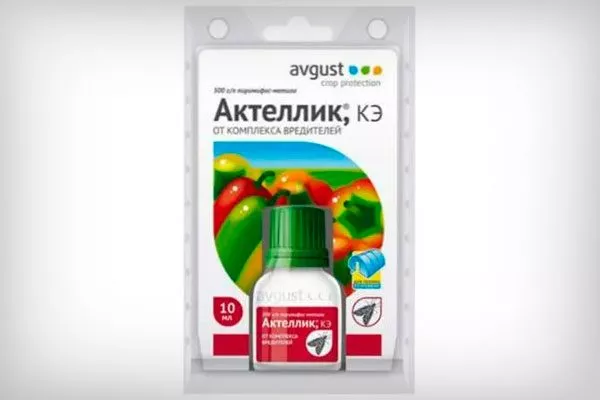
- Actellic. A broad-spectrum insecticide. Effective against many pests, including thrips. It acts on the insects' digestive system upon contact. To prepare a solution, add one ampoule to 1 liter of water and spray the plants.
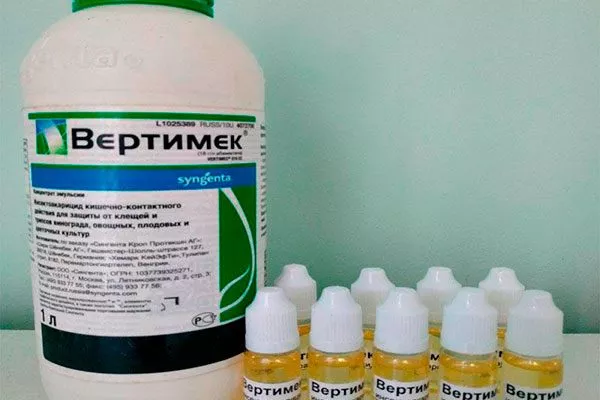
- Vertimek. An insecticide with intestinal and contact action. It effectively controls parasites. It has proven particularly effective in greenhouse conditions. Recommended dosage: 2.5 ml per 10 liters of water.
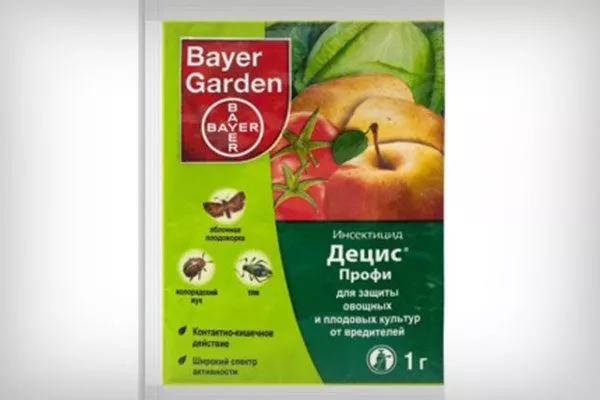
- Decis. A contact chemical product designed to destroy thrips on eggplants at any stage of development.
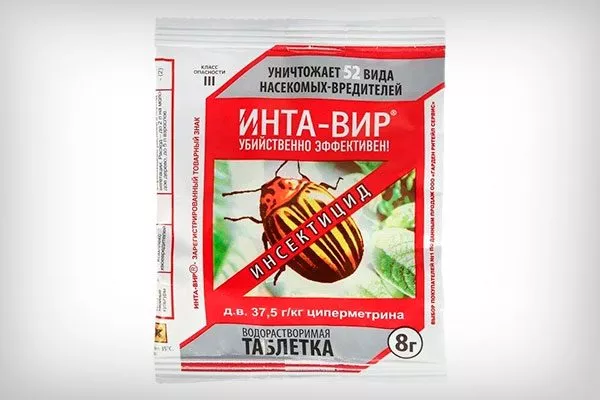
- Inta-Vir. A versatile product, effective both outdoors and indoors. Safe for humans and animals. To prepare, dissolve 1 tablet in 2 liters of water.
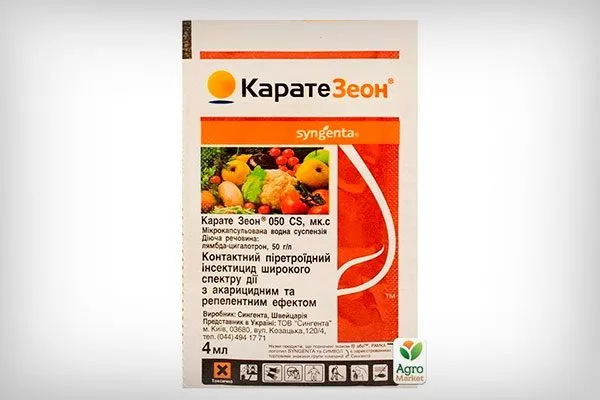
- Karate. A contact insecticide that quickly and effectively eliminates thrips on eggplants. Use 2 ml per 10 liters of water.
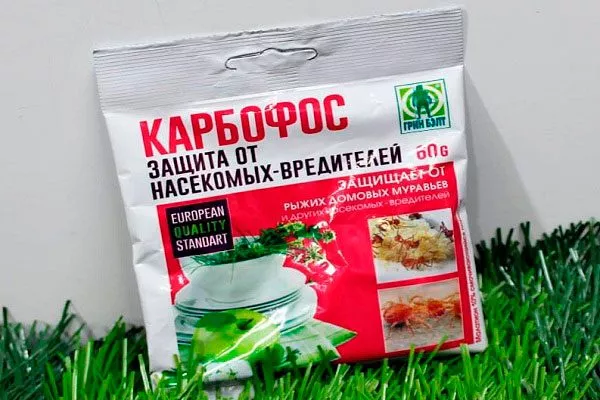
- Karbofos. This product is moderately toxic and requires caution when using. Add 75 g of the product to 10 liters of water.
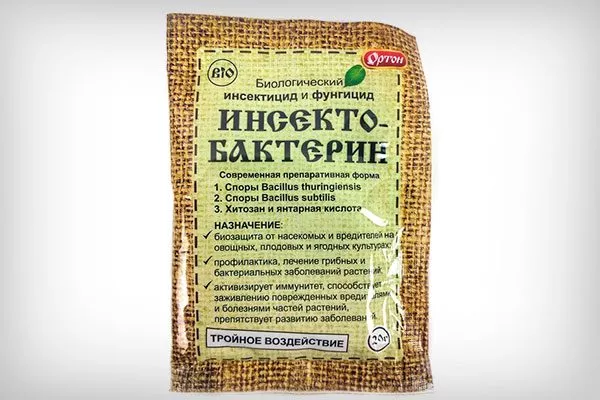
- Insectobacterin. A biologically safe product that helps combat not only pests but also diseases. Suitable for preventative purposes.
Folk methods
If thrips are detected on eggplants, home remedies can be used to control them. Although they are not as effective as professional insecticides, they are recommended for use at the onset of an infestation or as a preventative measure.
Popular infusions:
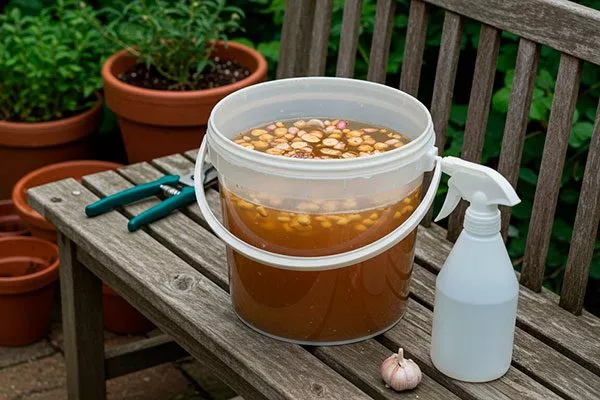
- Garlic. Pour 1 liter of water over 5 crushed garlic cloves. Let it steep for several hours, strain, and spray on your plants.
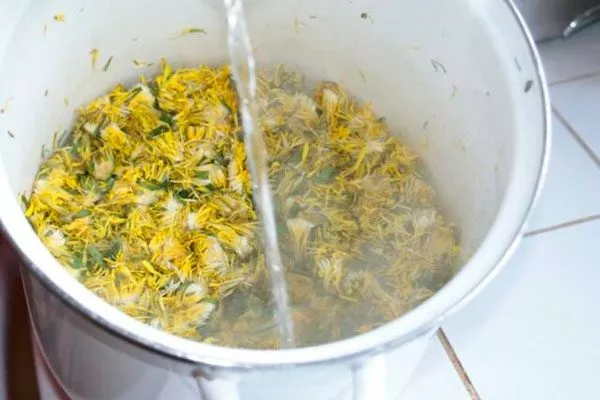
- Dandelion. For 50 g of dandelion leaves or roots, you'll need 1 liter of warm water. Let the mixture steep for 3 hours, strain, and use on infected plants.
- Chamomile. Cover 100 g of dried chamomile with 1 liter of water and leave for 24 hours. After straining, add another 1 liter of water and use to control thrips.
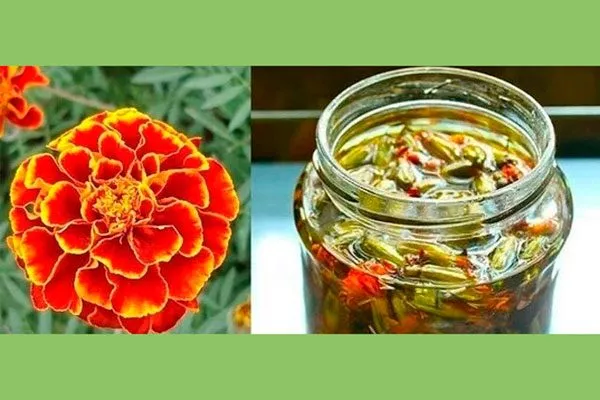
- Marigold. Pour 1 liter of water over 500 g of marigold flowers and leave for two days. Then strain and apply to the bushes.
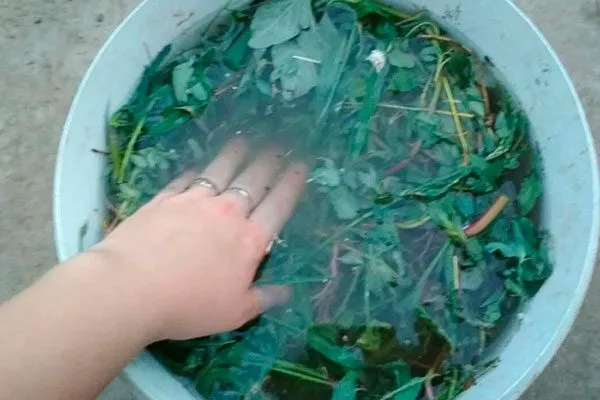
- Infusion of tomato tops. Combine 50 g of chopped tomato tops with 1 liter of water. Let it steep for 2-3 hours. After this time, you can begin fighting the parasites.

It is important to begin the event at the first sign of parasites, as they pose a serious threat.
Preventive measures
Thrips are small pests that can cause significant damage to eggplant crops. To avoid these problems, follow simple yet effective preventative measures:
- Carefully inspect your eggplants for pests and their larvae. Look for small dark spots on the leaves and flowers, as well as any leaf deformations.
- Remove weeds regularly around your eggplant beds, as they can serve as a haven for insects.
- Maintain cleanliness and order in greenhouses, promptly remove plant debris and fallen leaves.
- Ensure good ventilation in greenhouses to reduce humidity, which is favorable for the development of thrips.
- Place yellow or blue sticky traps near plants to catch adult pests.
- Don't plant eggplants in the same spot year after year. Practice crop rotation, alternating crops.
- If necessary, spray plants prophylactically with biological or chemical insecticides. Use products strictly according to the instructions.
- Provide your eggplants with balanced nutrition and optimal watering to strengthen their immunity and increase their resistance to insects.
Thrips control on eggplants is a complex process that requires attention and consistency. Regular plant inspection, trapping, and insecticide application will help preserve the harvest and protect vegetables from this dangerous pest. Early detection and prompt action are the keys to successful pest control.