
Before planting eggplant, it's important to carefully examine the chosen variety, as each has distinct appearance, flavor, and ripening times. This article describes the characteristics of popular eggplant species and varieties.
Early varieties
Early-ripening eggplant varieties are those that are ready for consumption 70-100 days after the first shoots appear.
| Name | Ripening period (days) | Bush height (cm) | Fruit weight (g) |
|---|---|---|---|
| Czech early | 70-100 | 60 | 600 |
| Vakula | 95-100 | 120 | 100-500 |
| Joker | 85-100 | 60-70 | 140 |
| Negus | 80 | 50 | 150-300 |
| Japanese dwarf | 75 | 40 | 500 |
| Faith | 95-110 | 75 | 200 |
| Dwarf early | 80-85 | 50 | 150 |
| Teddy Bear | 130-145 | 50 | 900 |
Czech early
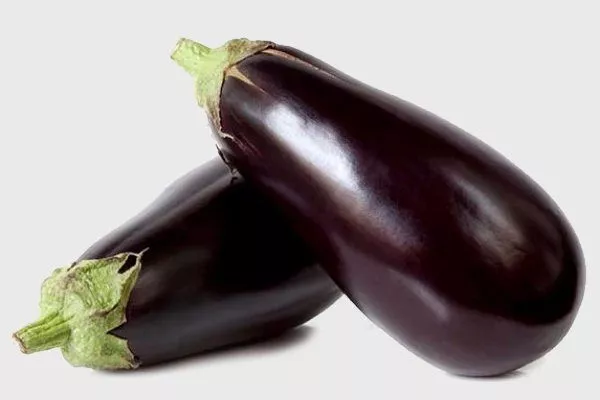
This variety is prized by many gardeners for its compact bushes, reaching a height of no more than 60 cm. The fruits are predominantly ovoid and quite large. A single eggplant can weigh up to 600 g. The flesh is greenish-white. It lacks a bitter taste and has an excellent aroma. The dense flesh makes it ideal for preparing main courses and canning. The skin is dark purple.
Seeds are sown under plastic in mid-March for planting between May 25 and June 10. Seedlings are transplanted between May 15 and 20. The harvest is in August and September. 4-5 kg of fruit are harvested per square meter.
Vakula
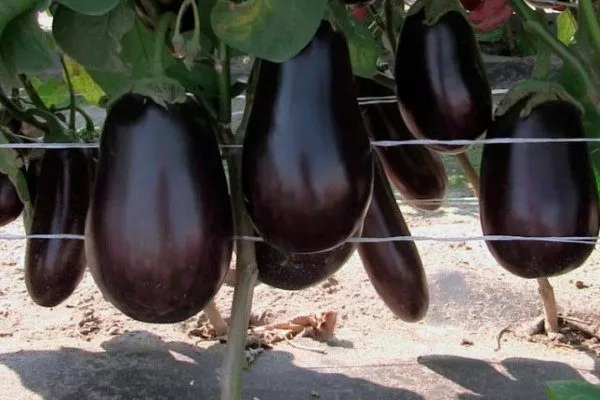
The bush can reach 1.2 m in height. Its spreading habit requires staking. The fruits are elliptical in shape. Each fruit weighs between 100 and 500 g. The skin is dark purple and shiny. The flesh is white and has a good flavor.
Vakula eggplants are easy to care for. They require regular watering and fertilizing. Staking and other maintenance are also necessary. Sowing occurs in late spring. The harvest is 95-100 days after the first shoots emerge. A yield of 7 to 12 kg per square meter is obtained.
Joker
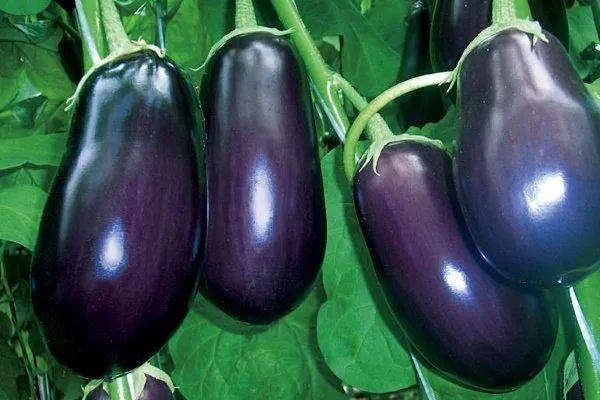
The fruits are elongated. Clusters form simultaneously with the fruits, with 3-6 pieces. Each eggplant weighs no more than 140 g. The flesh is white and not bitter. Seedlings are planted at 60-70 days of age, weather permitting. Planting begins in early summer, with seeds sown in mid-March.
For planting, select sites with light, loose, well-drained sandy or sandy loam soil. Regular watering, pinching, and fertilizing are required. Harvesting begins when the fruits ripen, turning a deep purple and reaching the desired length. This typically occurs 85-100 days after planting. 1 square meter yields 6.8-7.2 kg of fruit.
Negus
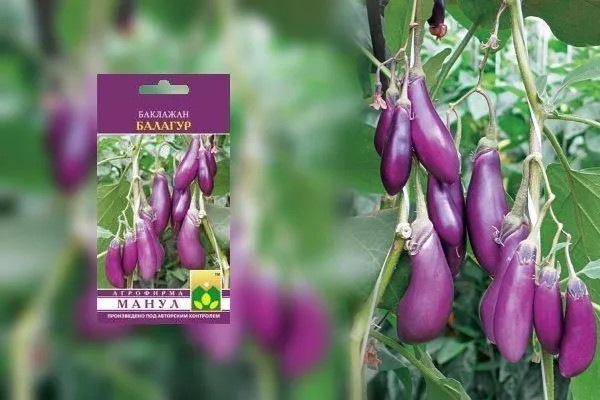
A low-growing variety, reaching no more than half a meter in height. No staking is required. Harvesting begins in just 80 days after planting. The barrel-shaped fruits weigh 150-300 g each. With proper care, the plants will continue to produce fruit throughout the season.
The skin is a deep purple. The light-white flesh is firm, yet has a delicate, pleasant flavor. Eggplants are grown from seedlings. Seeds are sown from late February to mid-March. Approximately 7-8 kg of eggplants are harvested per square meter. They transport well and can be stored for a long time.

Japanese dwarf
A variety with an attractive compact size. The bush grows to a maximum height of 40 cm. The pear-shaped eggplants weigh approximately 500 g. They can be increased in size by covering the plants overnight. The fruit has purple skin. The white flesh is not bitter.
It's recommended to plant eggplants in a well-lit area; the variety does not tolerate shade well. Choose a site with fertile, loose soil. It's important to water the plants regularly and remember to fertilize them. The harvest is 75 days after planting. Store in a cool, dark place, such as a basement or cellar.
Faith
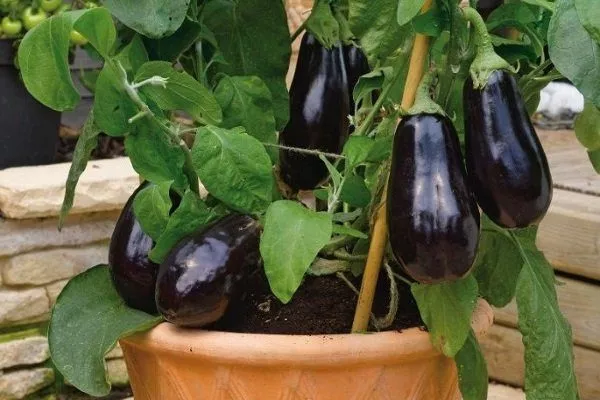
Vera eggplant is an early-ripening variety, perfect for those who don't want to wait long for the fruit to ripen. The bushes are compact, reaching a height of no more than 75 cm. The pear-shaped fruits have thin, purple skin and firm, white flesh. Each fruit can weigh up to 200 g. Seeds can be sown from February, but planting in May is recommended. This is when the first spring frosts have passed.
Eggplants are grown from seeds or transplants. Seeds are sown directly into the soil only in warm climates. Vera eggplants are easy to grow. However, they require watering, regular fertilizing, and occasional staking. The harvest is 95-110 days after planting. A single plant yields approximately 7-10 kg of eggplant. This variety is resistant to pests.

Dwarf early
An early-ripening variety, ripening 80-85 days after planting. The plant is branching but low-growing, reaching a height of no more than 50 cm. The fruits are oval, sometimes round-pear-shaped. The skin is dark purple. They weigh up to 150 g. The flesh is white, tender, and firm. The flavor is excellent.
The plants require careful care: fertilizing, watering, and weeding. A single bush can yield 6-7 kg of fruit.
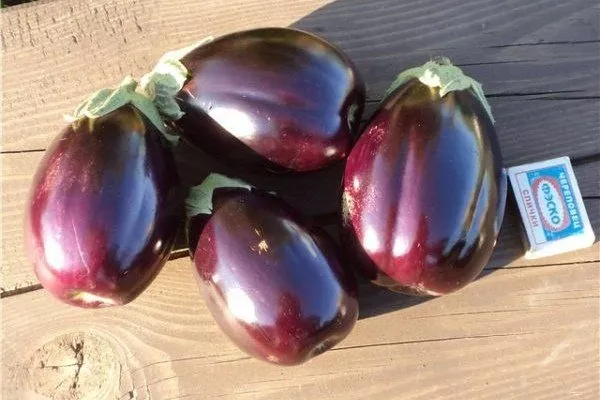
Teddy Bear
An early-ripening, high-yielding variety. The fruits can be harvested 130-145 days after the first shoots appear. The shape of the vegetable is elongated and pear-shaped. The skin is dark purple, almost black. A single fruit can weigh up to 900 g. Seeds are sown for seedlings in late February-early March. Seedlings are planted in open ground in early June and in a greenhouse in late May.
This variety is easy to care for. It requires frequent and abundant watering, pruning of leaves and small fruits, loosening of the soil, and fertilizing. After harvesting, the fruits should be stored in well-ventilated areas.

Hybrids
Modern eggplant hybrids vary in their excellent taste and productivity. A single plant can produce a sufficient number of ripe fruits per season, ready for consumption, transportation, and storage.
Mileda F1
This hybrid is characterized by a long fruiting period, right up until the first frost. It has excellent flavor. The bush grows up to 1 m tall. The skin is dark purple, the fruit reaches 25 cm in length and weighs 200-250 g. The flesh is white, creamy, juicy, and tender.
Seedlings are planted in open soil with a clod of soil. This promotes better establishment. Seedlings should be planted after they have five true leaves. Plant care includes loosening the soil, fertilizing, hilling, and watering. The harvest is 80 days after planting.
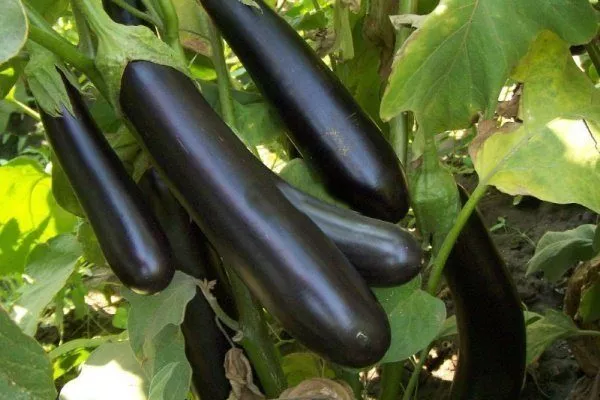
Anet F1
This hybrid is characterized by a strong, medium-sized bush. The eggplant ripens 60-70 days after planting. This variety ripens early. Its advantages include high yields and beautiful, glossy, cylindrical fruits. The skin is dark purple. The flesh is light, almost white, with a delicate flavor. Eggplants weigh up to 200, sometimes 400 g.
Seeds for seedlings are sown in the second half of February or the first half of March. Plants are planted in a greenhouse or in the ground under plastic in the second half of May. The variety bears fruit until frost.

Fabina F1
The fruits are elongated and cylindrical. The skin is dark purple. As they mature, they acquire a characteristic glossy sheen. The fruits are uniform in size, reaching 22 cm in length and approximately 6 cm in diameter. The flesh is greenish and non-bitter. The bushes are compact, no more than 55 cm tall.
Fruit will appear within 70 days of planting the seedlings in the ground. Plant care includes loosening the soil, watering, fertilizing (at least three times per season), weeding, and hilling. Harvest time begins approximately one month after the plants finish flowering.

Bourgeois F1
This early-ripening hybrid produces fruit 100-110 days after germination. The bushes reach a height of up to one and a half meters. No staking or tying is required. The fruits are large and round, up to 13 cm in diameter. Each fruit weighs up to 350 g. The skin is a dark purple with a glossy finish. The flesh is white with a greenish tint, firm, and non-bitter.
Eggplant can be planted both indoors and outdoors. It grows well in either type of cultivation. The fruits ripen gradually over a period of 1-1.5 months, rather than all at once. Up to 4.7 kg of yield can be harvested per square meter. For best ripening, water the plants twice a week and remove excess fruit.

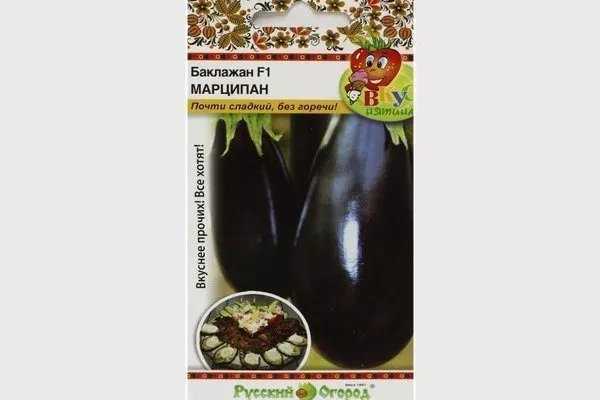
Marzipan F1
A mid-season hybrid eggplant. Ripens 130 days after planting. This variety prefers warmer climates, so it is recommended to plant it in a greenhouse. It grows well outdoors in the southern regions of Russia. The bush grows up to 1 m tall. The fruits are large and fleshy. Each eggplant is up to 15 cm long and 8 cm wide. The skin is dark purple, and the flesh is pale cream. Each eggplant weighs approximately 600 g. It has a good flavor.
The stem is stable, but due to its heavy weight, the plant requires staking. It is recommended to sow the seeds in the second half of March, after preparing them before sowing. Plant care includes watering, fertilizing, and staking.
King of the North F1
The King of the North hybrid is a good choice for cold climates. The harvest begins 90 days after planting. The fruits are large, weighing up to 200 g. The eggplants are elongated, almost cylindrical, and slightly curved, reaching up to 30 cm in length. The skin is dark purple, almost black, and glossy. The flesh is white and not bitter.
Seedlings are ready for planting in the ground at 60-70 days. Beds are formed in advance, enriched with humus or ash, and mineral fertilizers. Plant care includes watering, loosening the soil, and shaping the bushes.
In this video, the blogger will show and talk about the King of the North F1 eggplant variety:
Behemoth F1
A mid-season eggplant hybrid characterized by high yields. The bushes are quite tall – 75-145 cm. The fruits ripen 100-112 days after the first shoots emerge. The fruit is pear-shaped, with a deep purple skin color and a glossy surface. The fruit length reaches 14-18 cm, weighing 250-350 g. The flesh is yellowish-white, firm, and almost not bitter.
Because Begemot is a mid-season hybrid, the seeds are sown in late February. It's believed that eggplants don't need staking, as their stems are quite strong. However, tall plants can easily break when the fruit ripens, so it's best to tie the stems to tall stakes. The yield per square meter is 2.5-6 kg.

Clorinda F1
A very early-ripening variety, ripening in just 67 days after planting. It is characterized by increased resistance to adverse weather conditions and a long fruiting period. The bush reaches a height of up to one meter. The fruits are oval, 22 cm long and 11 cm in diameter. Each fruit weighs 350 g. The skin is a rich purple-black color, the flesh is white, firm, without bitterness, and contains minimal seeds.
Planting begins in late February or March. Eggplants require regular care, including watering and fertilizing. They respond well to the addition of mineral and organic matter. Firm flesh and dark skin indicate ripeness. Up to 5.8-6 kg of yield can be harvested per square meter.
- ✓ Disease resistance: Choose varieties that are resistant to the most common eggplant diseases in your region.
- ✓ Soil requirements: Consider the type of soil in your area and choose varieties that are best adapted to these conditions.
- ✓ Climate conditions: give preference to varieties that tolerate temperature fluctuations and humidity in your region well.
Mid-season eggplant varieties
There are many mid-season eggplant varieties, over 20 in total. Below are the best varieties that are best suited for outdoor planting.
Diamond
A mid-season variety. From germination to full ripening, the fruit takes 110-150 days. Excellent taste, long shelf life, and durability during long-distance transport are the variety's main advantages. Almaz is resistant to some diseases and viruses. The correct sowing date for a given region is calculated as follows: count 50-70 days before the day when eggplant can be planted in a greenhouse or open ground.
The bush is compact, reaching a height of up to 55 cm. The fruits are elongated, reaching 15-17 cm, and weigh between 100-180 g. The skin is dark purple, almost black. The flesh is slightly greenish. Plant care involves weeding, watering, loosening the soil, and regular fertilizing. Approximately 8 kg of eggplants are harvested per square meter.
You can see what the Almaz eggplant variety looks like in the video below:
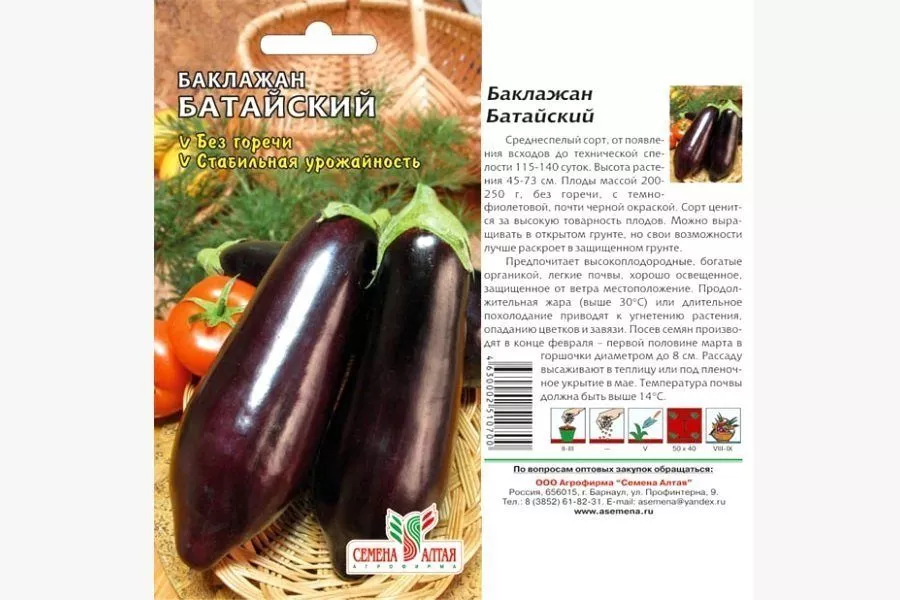
Bataysky
A mid-season variety, ripening 100-110 days after planting. Valued by gardeners for its record-breaking yields. This variety prefers a mild, warm climate and is suitable for outdoor planting.
The bushes are compact, reaching a height of up to 70 cm. The fruits are small and cylindrical. The skin is dark purple, almost black. The flesh is light, almost white. Each fruit weighs 200 g. Regular watering, fertilizing, and loosening the soil are the main requirements for plant care.
Black beauty
The Black Beauty eggplant is a mid-season variety suitable for both open and protected cultivation. The period from germination to fruiting is 120-140 days. This eggplant variety is valued for its resistance to numerous diseases. The fruits are elliptical in shape with a dark purple, glossy skin. The length of the vegetable reaches 13-15 cm, and the diameter is 11-12 cm. The eggplant has a creamy, tasty flesh. There is no bitterness.
This variety is grown from seedlings. Seeds are sown from February to April. Bush formation is a mandatory procedure. Subsequently, watering, hilling, and loosening of the soil are required. With proper care, up to 12 kg of yield can be harvested per square meter.

Sancho Panza
A mid-season variety that begins bearing fruit 120-130 days after ripening. The bush reaches 80-150 cm in height. It has increased resistance to spider mites and tobacco mosaic. The fruits are round, up to 15 cm in diameter, weighing 500-700 g each. The skin is dark purple, and the flesh is white and non-bitter.
This variety is planted using seedlings, both in open beds and heated greenhouses. It has excellent flavor. Regular fertilization is required to increase yield.

Late-ripening varieties
Gardeners value late-ripening varieties less because they are not suitable for planting in open ground and do not have time to ripen before the onset of frost.
Albatross
Albatross is a late-ripening variety, ripening 135 days after the first shoots emerge. It has excellent flavor and an attractive appearance. It has a long shelf life and tolerates transportation well. Gardeners value this variety for its resistance to numerous diseases.
The fruits are elongated, reaching up to 20 cm in length. Each eggplant weighs 200-250 g. The skin is dark purple, and the flesh is slightly greenish. The bushes are tall and dense, reaching up to 70 cm. Care requires fertilizing, loosening the soil, weeding, and watering. This variety is demanding of soil conditions—plant in loose, moderately moist soil in a well-lit area. A yield of 6-8 kg per square meter is obtained.
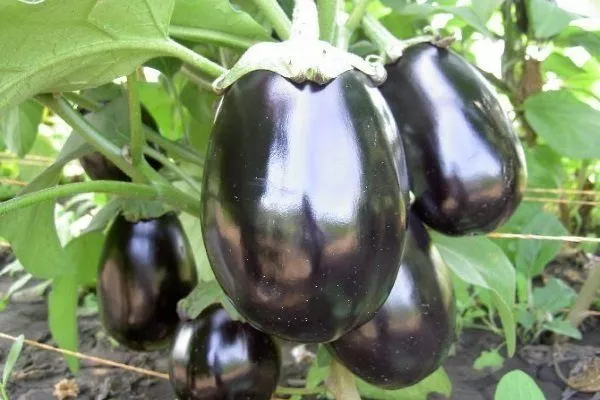
Bull's forehead
The Bychiy Forehead eggplant is a late-ripening variety. The bushes are spreading and low. The fruits are predominantly pear-shaped, up to 20 cm long, and weigh up to 1 kg. The eggplants ripen 140-150 days after planting. The skin is purple-brown, and the flesh is white and not bitter.
Seeds for seedlings are sown from late February to early March. Plants can be grown outdoors or in greenhouses. After sowing, care must be taken with fertilizer, weeding, and loosening the soil.

Varieties for greenhouses
In the central zone, growing this southern vegetable is difficult due to the climate, so in this case, you need to choose special varieties of eggplant.
Bull's Heart F1
The bushes are tall, reaching 70-80 cm in height. The fruits ripen within 100-110 days after the first shoots emerge. This mid-season giant, with fruits weighing between 500 g and 1 kg, is rounded and tapered at the end, resembling a heart. The skin is dark purple, the flesh is white, non-bitter, and has no aftertaste.
Seeds are sown in the ground under plastic in mid-March for planting between May 25 and June 10. Up to 5 kg of ripe eggplants can be harvested per square meter.

Sofia
A late-ripening variety boasting large, pear-shaped fruits with black-purple skin and firm, white flesh without bitterness. The fruits weigh 700-900 g. The bush is tall and spreading, reaching half a meter in height. The eggplants ripen 135-150 days after planting.
The vegetables transport well without deteriorating their appearance or taste. 7.4-7.7 kg of fruit are harvested per square meter.

Black Moon
A mid-season variety that bears fruit 125 days after planting. The fruit has a pear-shaped, shortened form. The skin is glossy and dark purple. The bushes are compact. A ripe fruit can weigh 250-350 g. The flesh is light green, without bitterness or voids.
This variety tolerates temperature fluctuations and is resistant to tobacco mosaic virus. It is prized for its excellent flavor. Up to 5 kg of eggplants can be harvested per square meter.

The Nutcracker F1
A high-yielding, early-ripening hybrid. In a greenhouse, the bush can reach a height of over one and a half meters. The semi-spreading plant produces numerous ovaries, prolonging the fruiting period. The fruits are spherical and pear-shaped, 14-15 cm long, with a glossy surface. Each eggplant weighs up to 250 g. The flesh is white and not bitter.
It tolerates long transportation and has a long shelf life. A single bush yields 5-8 kg of fruit, and up to 20 kg per square meter.
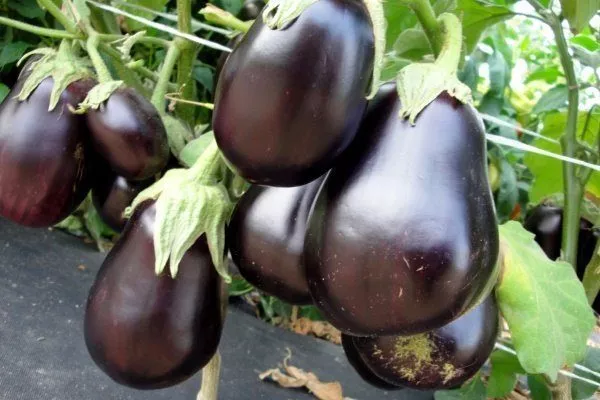
Bagheera F1
A high-yielding, early-ripening hybrid recommended for greenhouse cultivation. The fruits are prized for their delicate flavor. Suitable for canning, pickling, making caviar, and salads. Eggplants ripen 95-105 days after the first shoots emerge.
The bushes are tall, reaching up to 1.2 m. The fruits are oval, 5-8 cm in diameter, 12-20 cm long, and weigh 250-300 g. The skin is dark purple with a glossy surface. The flesh is white-greenish and non-bitter. Their main characteristic is good growth and fruiting only in warm, humid conditions. They prefer black soil or light loam.

Namesake
A mid-season variety, ripening 120-130 days after germination. The bushes are medium-sized and semi-spreading, reaching a height of up to 140 cm. The fruits are large, weighing 500-900 g. The skin is a delicate pink with a lilac hue. The flesh is white, firm, and not bitter.
A disadvantage of this variety is its tendency to develop thorns. However, the advantage is that the bush is highly resistant to disease and rot. Up to 10 kg of ripe eggplants can be harvested per square meter.

Robin Hood
An early-ripening variety, the fruit sets within 90 days of sowing. It can grow in any soil. The fruits reach up to 20 cm in length and 8-9 cm in diameter. They look like barrels with a shiny lilac-purple skin. Each vegetable weighs up to 300 g. The flesh is tender, without bitterness, and contains virtually no seeds.
This variety requires training but is short, reaching up to 60 cm. The plant has thorns. These eggplants are suitable for all types of canning and cooking. They store well.

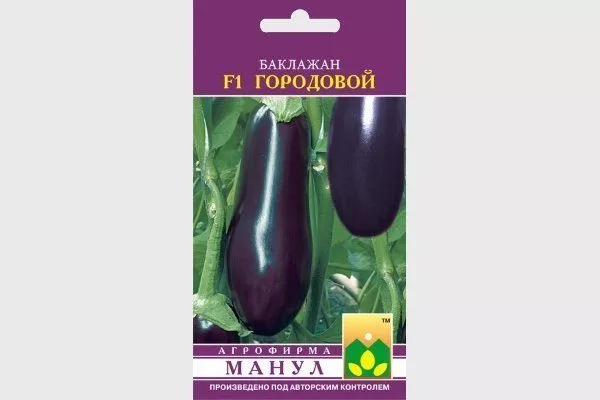
City Policeman F1
A mature bush is vigorous, dense, and semi-spreading, reaching a height of 180-300 cm. The fruits ripen 120 days after planting, reaching 20-35 cm in length. The bush requires training. A ripe eggplant can weigh up to 500 g. The eggplants are cylindrical and elongated. The skin is dark purple with a glossy sheen. The flesh is firm and greenish.
The bush has increased resistance to the tobacco mosaic virus. Fresh fruits can be stored for up to 2.5 months.
Brush eggplants
Clustered varieties are vegetables that grow differently than many are accustomed to. The fruits are arranged in clusters of several. Several such varieties exist, and some gardeners prefer them.
Samurai
An early-ripening variety. Fruit appears 95-100 days after planting. The fruits are attractively elongated, weighing no more than 230 g each. The skin is dark purple, and the flesh is white and non-bitter.
Seed sowing usually begins around March 10th to 20th. A single harvest can yield up to 6 kg of fruit per square meter. Plant care involves timely watering, soil loosening, fertilization, disease prevention, and pest control.

Prado F1
An early-ripening hybrid. Fruits are predominantly pear-shaped rather than elongated. The flavor is excellent. Each fruit weighs no more than 200 g. Suitable for both open-field and greenhouse cultivation. The eggplant skin is dark purple and firm. The flesh is creamy white, fleshy, and without bitterness.
Seedling cultivation begins as early as February. This hybrid prefers light, well-drained soils. Cultivation in loam is acceptable. The first fruits should be picked promptly. To preserve the vegetable for the winter, it is frozen. Unripe eggplants are sour and hard, while overripe ones will taste bitter. Up to 6 kg of fruit can be harvested per square meter.
Unusual eggplants for the garden
Many people associate eggplant with an elongated shape and purple skin, but there are interesting, rare varieties that can be grown outdoors. These fruits have unusual colors, sizes, and sometimes even flavors.
The taste of mushrooms
This mid-season variety ripens in 95-105 days. The fruits are cylindrical and have a snow-white skin. Each fruit weighs up to 180 g. The white flesh has a mushroom flavor, but is not bitter.
When growing vegetables, water them with warm water, plant them in open, sunny areas, and select fertile, loose soil. Up to 6 kg of ripe fruit can be harvested per square meter.

Icicle
This mid-season variety bears fruit in 110-116 days. The bushes grow up to 65 cm in height. The fruit is predominantly elongated. The skin is white, and the flesh is white, juicy, tender, and without bitterness. Each fruit weighs no more than 200 g.
This variety is suitable for growing in both unheated and heated greenhouses. It is noted for its consistent fruiting and the ability to maintain its quality during long-distance transport.

Iceberg
A mid-season variety, ripening in 115-125 days. The bush is spreading and compact, reaching 45-60 cm in height. The white-skinned fruits resemble a slightly elongated pear in shape. Eggplants reach up to 20 cm in length and weigh up to 250 g. The white flesh is non-bitter. This variety is heat-resistant and resistant to viral diseases.
When growing, it is necessary to provide the plants with regular watering, fertilizing, and loosening the soil.

Ping-Pong F1
The bushes reach 80 cm in height. This is a hybrid developed for greenhouse cultivation. Its main characteristic is its spherical shape, which makes them resemble tomatoes. The skin is white and glossy. The flesh is white, dense, and not bitter. The fruits ripen in 116-117 days.
Seedlings are recommended to be planted in fertile, well-drained soils with adequate sun exposure. Sandy, super-sandy, and humus-rich soils are favorable for eggplant growth.
White eggplants
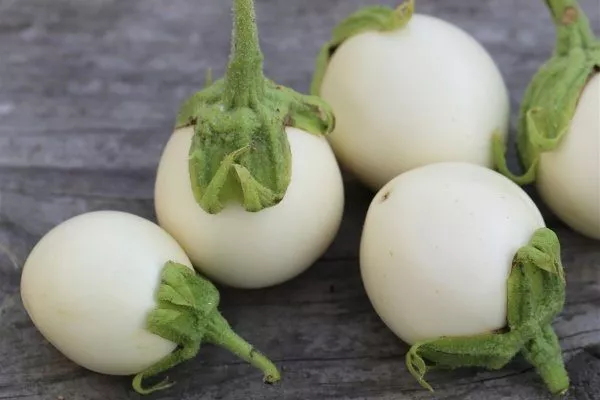
White eggplants come in several varieties, differing in fruit shape, size, and taste.
Stork
An early-ripening variety. Eggplants are attractively shaped like eggs and weigh no more than 100 g. A distinctive feature is that the skin begins to darken and take on a yellowish tint as they ripen. It's best to harvest the fruits no later than 90 days after germination, otherwise they will be tough. Harvest the vegetables when they become creamy.
The flesh is juicy and tender. The eggplants have an excellent flavor and soft, firm flesh. Up to 7 kg of yield can be harvested from one square meter.
Bibo F1
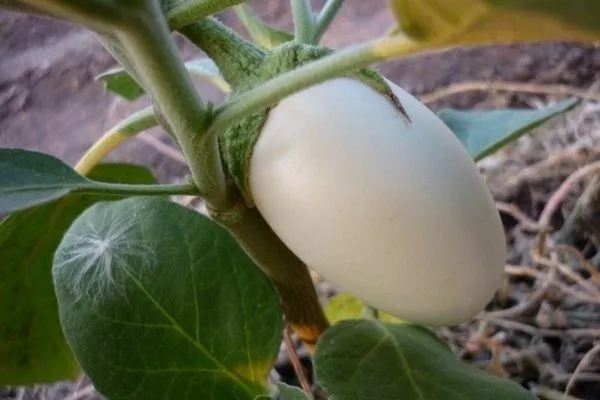
This eggplant hybrid is characterized by rapid growth and the ability to set fruit in extreme conditions. It's an early-ripening crop. The roots, with snow-white skin, weigh no more than 150 g. The flesh is virtually non-bitter, very tender, and delicious.
Gardeners can harvest up to 12 eggplants from one bush.

White Night
This variety produces teardrop-shaped, white-skinned fruits. The bush grows up to 80 cm tall. Each eggplant weighs 500-600 g. Ripe fruits are harvested as early as 105-110 days. A single plant yields up to 6-9 fruits. The eggplant flesh is soft, juicy, and tender. There is no bitterness.
If grown in a greenhouse and watered regularly, the fruits will reach full ripeness 10-15 days earlier. This variety is suitable for long-term storage and transportation.
Swan
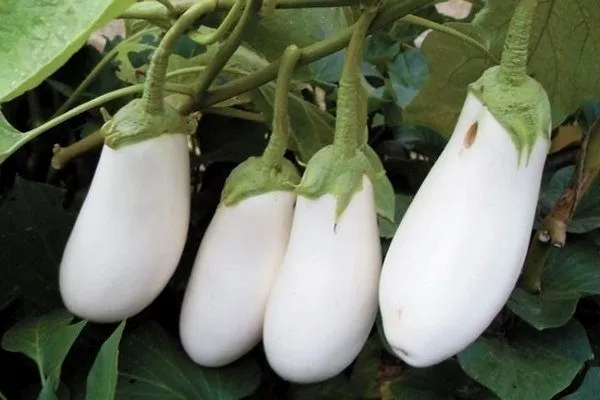
Considered one of the best white eggplant varieties, it features white skin and flesh. Suitable for both open-field and greenhouse cultivation, the plants reach a height of up to 70 cm. Each eggplant weighs up to 250 g. A single plant yields up to 6 kg of fruit in 85-100 days.
Regular watering and fertilizing, loosening the soil, and good care are required to ensure high yields. This variety stores well and has a long shelf life.

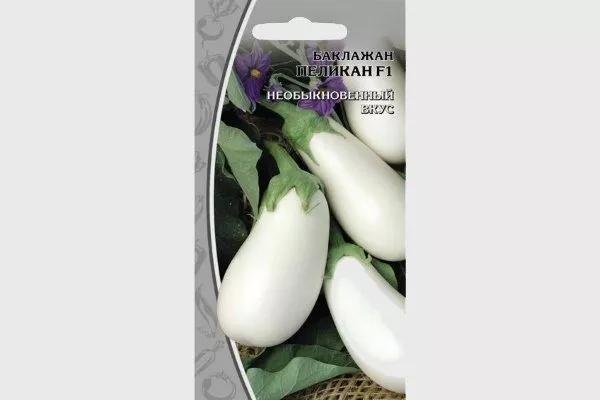
Pelican F1
This is a white hybrid eggplant suitable for plastic cover. The growing season is 115-120 days. The bush is compact, reaching a height of up to 180 cm. The fruits are cylindrical, 13 cm long, and 5.3 cm in diameter. The flesh is white, firm, and without bitterness. The fruit weighs up to 150 g.
This variety is suitable for growing outdoors, indoors, and in greenhouses. Seeds for seedlings are sown in late February, and the seedlings are planted in the ground in early June. The harvest yields up to 8 kg of ripe fruit per square meter.
Lilac-pink varieties
Below we look at interesting eggplant varieties with attractive lilac-pink skin.
Sailor boy
A distinctive feature of this variety is that it does not contain alkaloids. Ripe fruits have a distinctive lilac-pink skin with white stripes. The fruits are pear-shaped. Each eggplant weighs up to 400 g. The flesh is tender and slightly sweet.
Planting takes place in late February to early March. Seeds germinate within 7 days. Seedlings are transplanted into the ground or greenhouse in late spring after the weather has warmed. Water the plants twice a week with warm water.

Pink flamingo
Flamingo eggplant is a mid-season variety that begins bearing fruit in 125-135 days. The bush grows to a height of 80-120 cm. The fruits are elongated, cylindrical, and slightly curved. Each fruit weighs 250-450 g. The skin is purple, and the flesh is white and non-bitter.
A single plant can produce 2 to 6 eggs. The eggplants ripen evenly. This variety is easy to care for. It is suitable for both protected soil in greenhouses and for planting outdoors.

Lilac
An early-ripening variety distinguished by its excellent flavor. The bush grows up to 60 cm tall. Eggplants are prized for their increased resistance to wilting. A distinctive feature is the lilac-colored skin. The vegetable has an elongated, cylindrical shape. Each eggplant weighs 100-300 g. It takes 90-100 days from germination to full maturity.
It is recommended to grow vegetables outdoors. Seeds sown in March are covered with plastic wrap. Seedlings are planted at the end of May.

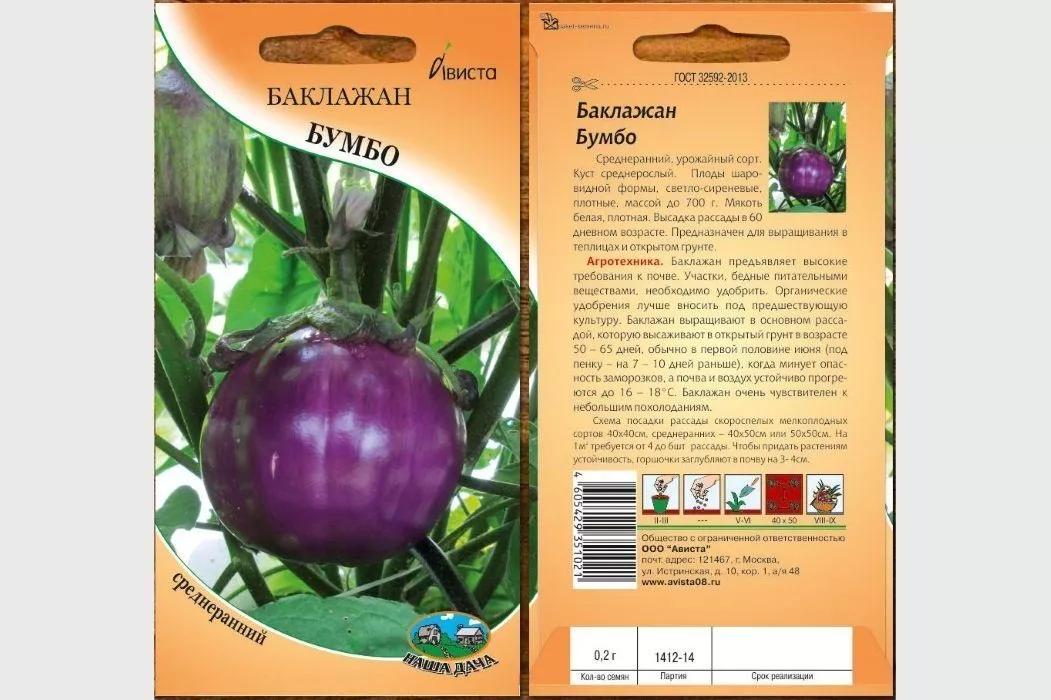
Bumbo
Fruits ripen in 120-130 days. These eggplants are attractive for their large size, white-purple skin, and soft, non-bitter flesh. This variety is suitable for growing outdoors or in a greenhouse.
The harvested crop withstands long-distance transportation well without losing its marketability or flavor. Up to 7 kg of ripe eggplants can be harvested per square meter.
Romantic F1
A high-yielding hybrid whose fruits ripen 120-125 days after planting. The fruits have pinkish-purple skin and white, tender flesh. Each fruit weighs up to 300 g.
The bushes are tall, 140-150 cm. The stems must be tied up.

Green varieties
There are unique varieties of eggplant that have green skin when ripe. This makes them visually appealing, but the skin color doesn't detract from their flavor.
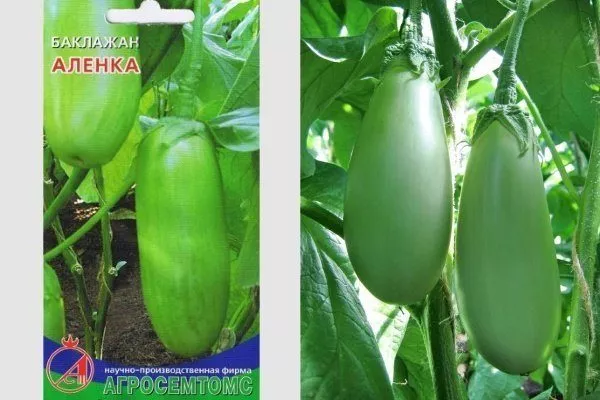
Alenka
An early-ripening, popular variety. It takes only 105 days for the fruit to fully ripen. Gardeners recommend sowing it in a greenhouse from February to March. Fruiting will begin in late August or early September.
The bushes are low and compact, growing up to 60-70 cm in height. The eggplant is characterized by a teardrop shape. It weighs up to 300-400 g. The skin and flesh are green. Up to 8 kg of ripe fruit can be harvested per square meter.
Green F1
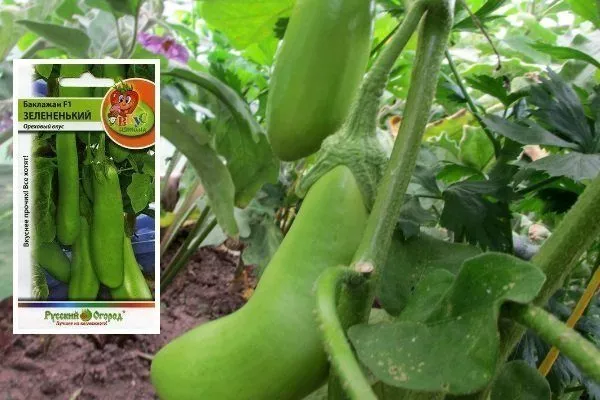
This hybrid has a beautiful and unique skin color. It's an early variety, ripening in 110 days. The bush grows vigorously, reaching 80 cm in height. The fruits are cylindrical, 23 cm long, and weigh an average of 170-200 g each. The flesh is tender, tasty, and not bitter. When cut, the flesh is snow-white and does not darken.
Growing this hybrid is in many ways similar to caring for tomatoes. About 7 kg of ripe eggplants are harvested per square meter.
Yoga
The fruits ripen in 110-115 days. Under plastic, the bush can grow up to 1 m tall; in open ground, the height does not exceed 70 cm. Ripe eggplants have a slightly curved cylinder shape. The skin is light green. A ripe eggplant weighs 190-220 g. The fruits are very tasty and not bitter.
This variety requires no additional training or staking. It can be grown in both unheated and heated greenhouses. Approximately 7-8 kg of fruit are harvested per square meter.

Emerald F1
The bushes are low and compact, reaching a height of no more than 70 cm. The cylindrical, elongated fruits with light green skin have soft, juicy flesh without bitterness. From germination to full maturity, it takes 105-110 days. A ripe eggplant weighs up to 400 g.
The bushes don't require additional training or staking. This variety is suitable for greenhouse cultivation or planting in open ground. 8-9 kg of ripe green eggplants are harvested per square meter.

Louisiana
The plant is compact and not sprawling. This variety is the result of American breeding. Its advantages include high yields, with a single bush yielding up to 3 kg of fruit weighing approximately 200 g.
Eggplants have an elongated cylindrical shape, reaching up to 15-20 cm in length. The fruit ripens in 110 days.
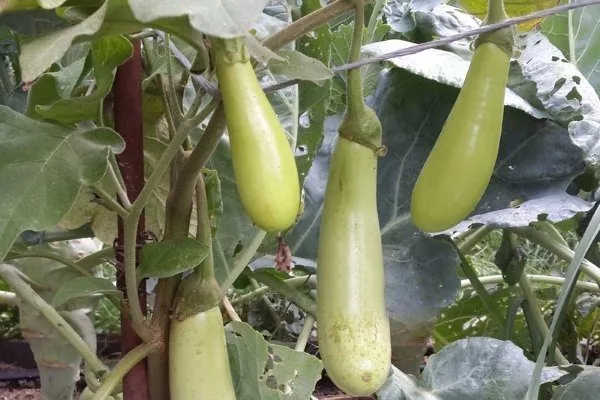
Thai green
Thai green eggplant is ready to eat in 80 days. To ensure the plant blooms and produces a high yield, it's recommended to create specific greenhouse conditions. Gardeners will need to put in extra effort to ensure proper plant care.
The fruits are long, with bright green skin. This variety requires regular watering and constant fertilizing. If you buy Thai green eggplants at the market, you'll be particularly surprised by their price—they're expensive.

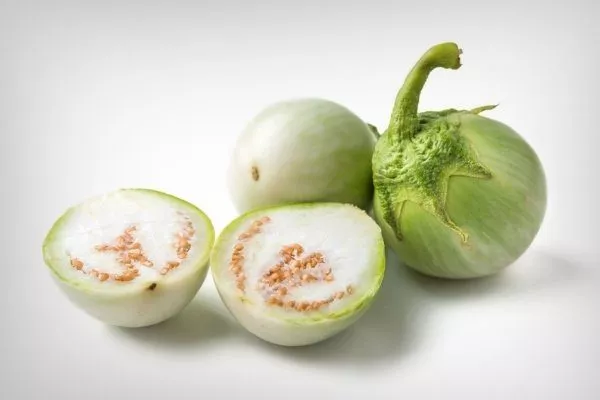
Thai
This variety is especially valuable among gardeners, as it is particularly resistant to various diseases and is able to adapt to regions with variable climates.
The bushes are spreading and compact. The fruits are round, green with white stripes on the surface. The skin is thin, the flesh is sweet. Each vegetable weighs up to 100 g.
Yellow, orange, red eggplants
It's more common to buy purple and blue eggplants at the market. But there are also varieties that are a delight to the eye—eggplants with yellow and orange-red skin.
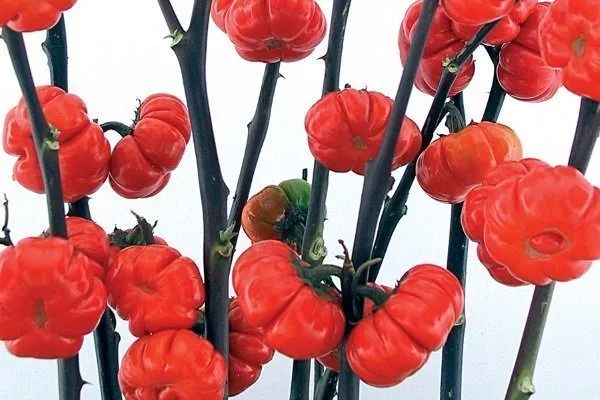
Chinese lantern
This is an ornamental variety that blooms with large white flowers. These are later replaced by round, bright orange and red fruits that grow directly from the stem. In the garden, it is sown in late May or early June. Sowing earlier is not recommended, as the plant is susceptible to frost damage.
This variety prefers sunny sites with nutritious, well-cultivated sandy loam or loamy soil. It responds well to fertilizer.
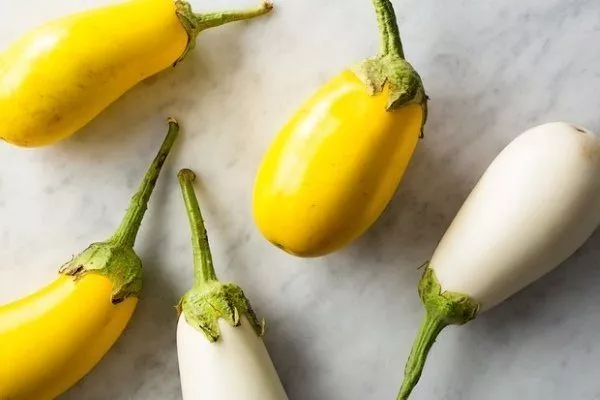
Golden eggs
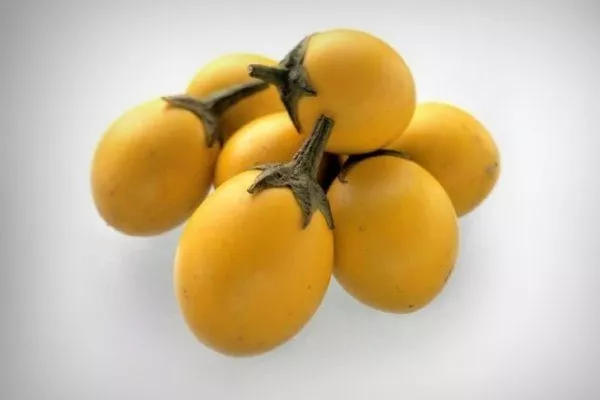
These yellow eggplants originate from Holland. They gained popularity due to their high carotene content. The fruits are oval in shape and have a pleasant flavor. They are neither bitter nor spicy. The bushes are low, prefer sunny areas, and require very little watering.
This eggplant variety boasts a unique shape and is about the size of a goose egg. Its thin skin and firm flesh also give it a unique flavor. This variety is often used as a decorative garnish and for preserves.
Golden boy
An early-ripening variety that thrives exclusively at temperatures above 15 degrees Celsius. The bushes reach a height of about half a meter.
The oval, yellow-skinned fruits are particularly eye-catching. Each eggplant weighs no more than 250 g. The vegetable is tasty and not bitter.
Turkish orange
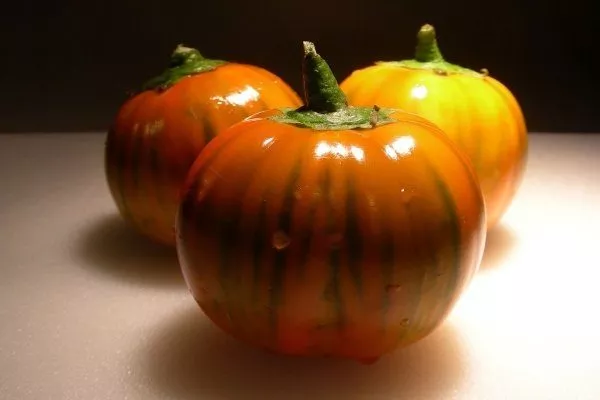
This medium-sized, very early variety ripens in 80 days, around mid-July. The eggplants are small, round, and weigh no more than 100 g. They are 6-8 cm in diameter.
The fruit's color changes as it ripens, from light green with dark stripes early on to orange and then turning completely red when fully ripe. Unripe fruits with orange skin are eaten.
Red Ruffled
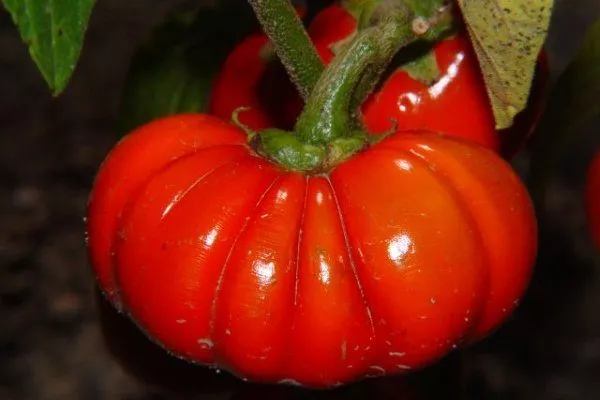
This mid-late variety produces fruit in 120-145 days. The bush is compact, 40-50 cm tall. The stems are thornless. This self-pollinating variety produces bisexual flowers, the same size as a tomato. Flowers are located in the leaf axils, gathered in clusters of 6-7, with new flowers continually appearing.
The round fruits have light green skin with dark stripes early on, turning orange and completely red when ripe. The skin is smooth and glossy. The flesh has a delicate flavor, without bitterness.
Mantle
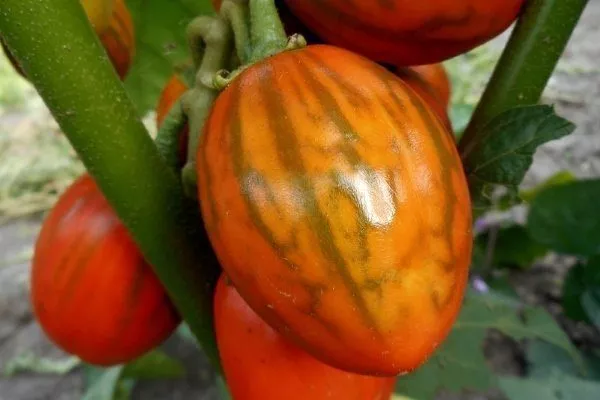
Another interesting variety with attractive appearance. It grows well initially on windowsills, when the seeds are sown in February-March, and then in open ground. It belongs to the cluster eggplants – a single cluster produces about 6-7 small, striped fruits with orange skin when ripe.
Although this is an ornamental variety, it is still eaten. It ripens in 115 days. Up to 5 kg of ripe fruit can be harvested from one square meter.
Such a wide variety of varieties can be overwhelming, especially if you want to profit from selling ripe fruit. Only by studying the care requirements of each variety, as well as its planting and ripening times, will you be able to choose one or more.