
Northern Indigo is a variety that is quickly gaining popularity among gardeners thanks to its excellent characteristics and impressive yield. This eggplant combines the best qualities of its parent varieties with modern agronomic advances. It's important to carefully study the hybrid's growing requirements and provide it with comprehensive care.
History of selection
Developed by V. I. Blokin-Mechtalin, the variety was included in the State Register and approved for use in 2020, although active development had begun somewhat earlier.
Description of the plant
The bush is vigorous, reaching a height of 50 to 60 cm when grown outdoors. In protected conditions, such as a greenhouse or under plastic cover, the plant can grow up to 1 m. Its vegetative capacity is quite good, which is reflected in its semi-spreading crown.
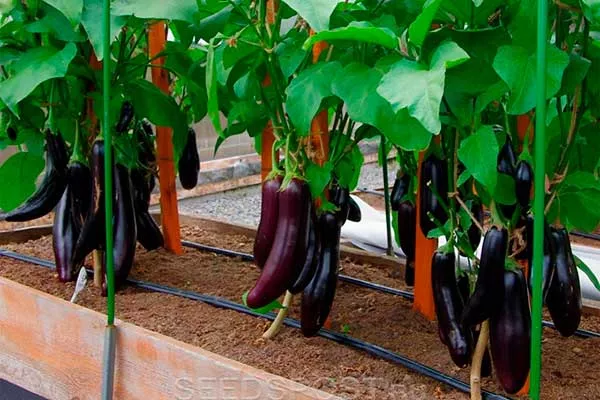
The stem has a vibrant anthocyanin coloration and noticeable pubescence. The leaves are medium-sized, rich green, slightly wrinkled, and have wavy edges. Spines on the calyx are rare and sometimes absent entirely.
Fruits, their taste and purpose
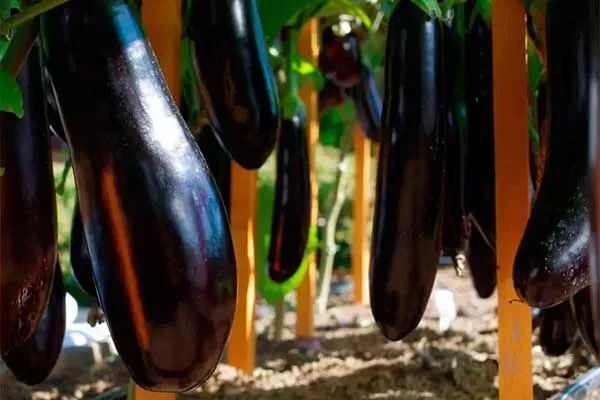
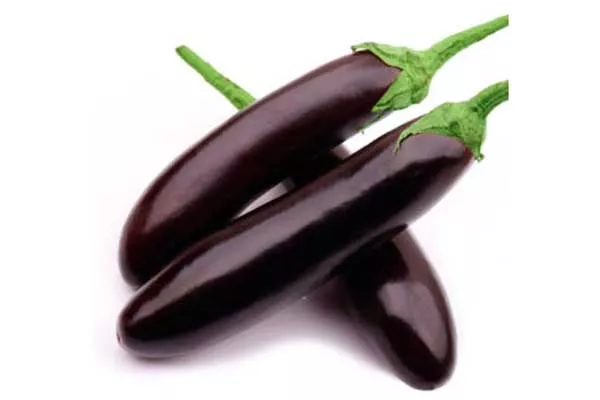
The vegetables are large, cylindrical, slightly curved, and 20-25 cm long. Other distinctive characteristics of the fruits:
- Weight - 250 g
- Peel – dark purple in color, with a glossy surface.
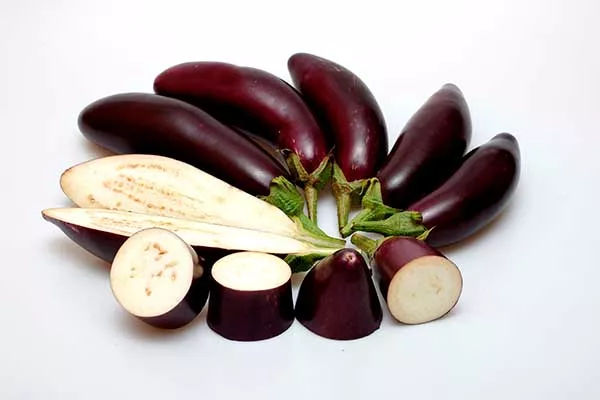
- Pulp – dense, light, without seeds.
- Taste - moderately juicy, without voids, bitterness or wateriness.
The fruits contain many beneficial substances that are preserved even when cooked. They are often frozen and stored until winter. This variety is excellent for culinary purposes, making it suitable for a variety of dishes and appetizers. Eggplants are ideal for preserves, marinated or eaten fresh.
Ripening and yield
This is a mid-season variety, taking approximately 105-110 days from germination to harvest. The plant produces fruit for a long time, as it can withstand autumn cool temperatures without harm.
Good vegetative capacity guarantees excellent productivity – 10.5-12 kg per 1 sq. m.
Growing regions
The Northern Indigo eggplant variety thrives in a variety of climates. Gardeners cultivate this variety in the following regions:
- Central;
- Volga-Vyatka;
- Northwestern;
- North Caucasian;
- Middle Volga.
The bushes grow and develop well in the Lower Volga, Ural, West Siberian, East Siberian, Far Eastern and Central Black Earth regions.
Subtleties of agricultural technology
Start by preparing your seedlings. Follow these tips for successful plant growth:
- Sow seeds 60-70 days before planting in open ground or a greenhouse. Ensure a temperature of 25-28°C for good germination.
- Pre-soak the planting material in warm water or treat it with a growth stimulator.
- The soil mixture for seedlings should be nutritious and light, preferably a mixture of peat, humus and garden soil.
- When the seedlings form 2-3 true leaves, transplant them into separate containers.
- Transplant to a permanent location when the weather becomes consistently warm and the soil warms to 15-18°C. When planting outdoors, harden off the seedlings, gradually acclimating them to the outdoor conditions.
- ✓ Optimum soil temperature for planting seedlings: not lower than +15°C.
- ✓ Distance between bushes when planting: 40-50 cm to ensure sufficient ventilation and lighting.
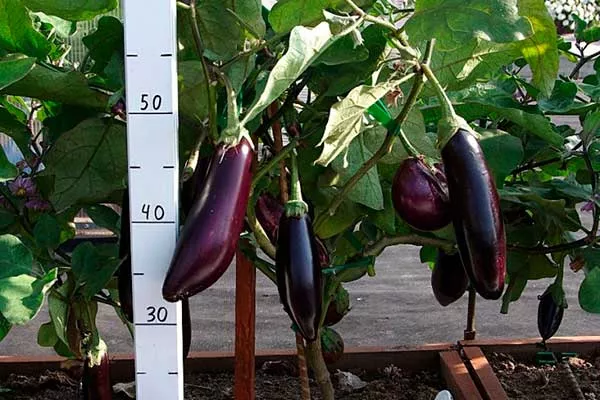
To ensure high-quality vegetables and abundant harvests, provide your plants with comprehensive care. Follow standard agricultural practices:
- Watering. The plant requires moisture, especially during flowering and fruit formation. Water the bushes regularly, using warm, settled water at the roots to avoid dripping onto the green foliage.
- Fertilizers. Apply several fertilizers throughout the season. The first application is two weeks after planting, using a complex mineral fertilizer. Then, during flowering and fruiting, apply potassium and phosphorus fertilizers.
- Pinching out stepsons. To form a strong bush and improve yield, remove excess shoots and lower leaves. Leave 3-4 strong shoots to prevent the plant from becoming overloaded.
- Mulching. To retain soil moisture and protect against weeds, mulch the beds with straw or peat. This helps prevent roots from overheating on hot days.
This variety is resistant to cold, but for better development, maintain the temperature in the greenhouse around +24-26°C during the day and not lower than +18°C at night.
Potential diseases and pests of eggplants in a greenhouse
The crop is resistant to various problems, but when grown under plastic cover, it can be susceptible to insect attacks and disease. It's important to begin treatment promptly:
- Tobacco mosaic - The most common virus. It causes spots on leaves and changes their shape. Treating the virus is difficult; prevention is easier. To prevent it, soak the seeds for 30 minutes in a 20% hydrochloric acid solution.
- Stolbur (phytoplasmosis) - Transmitted by cicadas, it causes leaves to turn burgundy-purple and become brittle. To protect plants, eliminate cicadas and remove weeds.
- Strick - A virus brought into greenhouses by humans. It covers the plants with dark spots, and the leaves become smaller. Prevention is the same as for tobacco mosaic.
- Gray rot - It manifests itself as dark, water-soaked spots on the surface of the foliage, which then become covered with a gray coating. To control it, use fungicides such as colloidal sulfur and copper sulfate. After harvesting, disinfect and replace the soil, and burn plant debris.
- Late blight - Affects plants at any stage. Signs of the disease include rusty spots on leaves and stems, and rotting in high humidity. For treatment, use copper sulfate or a garlic infusion (300 g of garlic per 1 liter of water, steep for 3-4 days).
- White rot – Occurs with high humidity and low temperatures. A white coating appears on the stems, preventing the plant from absorbing nutrients, and the vegetables become watery and soft. Ash or chalk are effective; destroy the affected parts of the plant.
| Disease | The Stability of Northern Indigo | Preventive measures |
|---|---|---|
| Tobacco mosaic | Average | Soaking seeds in a 20% hydrochloric acid solution |
| Gray mold | Low | Use of fungicides: colloidal sulfur and copper sulfate |
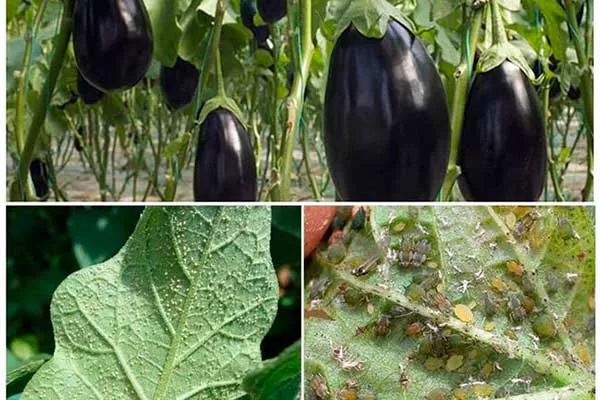
Bacterial infection causes black spots with a yellow or orange border, which eventually develop into ulcers. The disease is incurable. Completely destroy affected plants to prevent seed contamination.
Positive and negative qualities
Before growing a crop in your garden, carefully consider the advantages and disadvantages to avoid any negative consequences in the future. Advantages of the Northern Indigo variety:
Some gardeners note the hybrid's disadvantages include the need for bush formation and tying, its need for regular fertilizing, potential difficulties when growing in southern regions due to heat, and difficulty fighting viral infections.
Reviews
The Northern Indigo eggplant is an excellent choice for those seeking delicious and flavorful vegetables with minimal care. Its tolerance to adverse conditions, ease of care, and excellent flavor make it indispensable in cooking. By following proper cultivation practices, you can grow robust plants that will produce bountiful harvests.