
Previously, agronomists rarely grew various eggplant varieties in their gardens due to their fussiness and heat-loving nature. The Shchelkunchik hybrid was developed relatively recently and has already gained popularity among both novice and experienced gardeners, who have appreciated its positive characteristics.
History of the variety's creation
The Nutcracker is a variety developed through the efforts of scientists at the Russkiy-Ogorod-NK agricultural firm in 1998. After successfully completing three years of testing, it was included in the State Register of Approved Vegetables in 2001.
It was specifically developed for cultivation in the northern and central regions. It is grown both in open ground and under plastic cover, and it thrives in professional heated greenhouses.
Description of the variety
A hybrid with high yields and strong resistance to diseases and pests. It reaches maturity in 40-50 days after planting from seedlings. It requires little care and is easy to grow.
Distinctive features
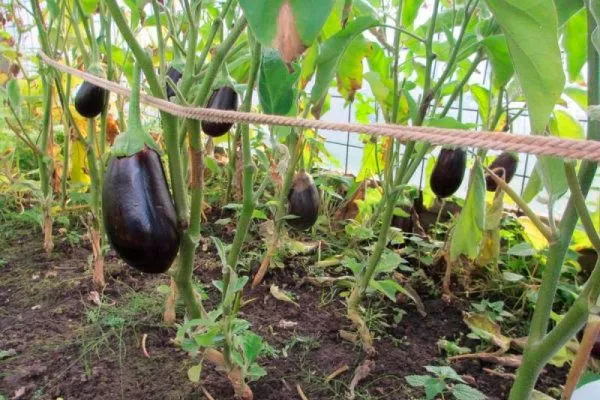
The height of the bush depends on growing conditions. In open ground, it reaches approximately 1 m, while in a greenhouse, it grows to about 1.5 m.
The plants have a semi-spreading habit, are covered in green leaves, and have a regular, rounded shape. They are frost- and drought-resistant.
Fruit characteristics and yield
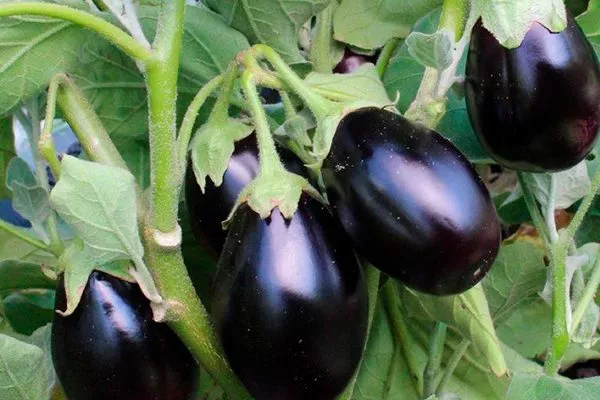
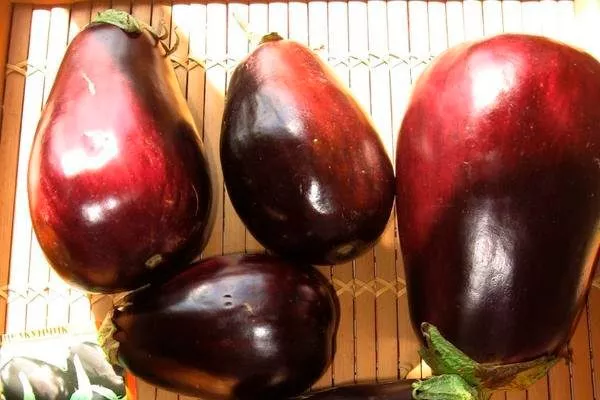
They are spherical, reminiscent of a pear, and weigh approximately 500 g. Their surface is glossy and deep purple. The flesh is white and non-bitter. They range in length from 13 to 17 cm. Approximately 20 kg of harvest can be obtained from one square meter of plot.
How to grow Nutcracker eggplants yourself?
Grow the variety from seedlings. This method allows the crop to more easily adapt to various regional climates and minimizes the risk of disease.
- ✓ The optimal soil temperature for seed germination should not be below +25°C.
- ✓ The air humidity level in the greenhouse should not exceed 60% to prevent fungal diseases.
Helpful tips:
- When to plant eggplant seedlings. When the seedlings reach 65 days, transplant them to their permanent location. Therefore, base your calculations on these parameters. They prefer bright light and warmth. The air temperature should not drop below 20°C, as this can lead to poor flower production and underdeveloped fruits.
- Seeds. For sowing, select high-quality seeds. Soak them in room-temperature water for 3-5 days. Select only the seeds that fall to the bottom, wrap them in damp cheesecloth, and keep the cheesecloth moist until sprouts appear.
If desired, use growth stimulants: Zircon, Epin, potassium humate to speed up the germination process. - Priming. Prepare fertile soil. Purchase it from specialized gardening stores or make your own by mixing humus, turf, and river sand in a ratio of 4:2:1. Disinfect the soil mixture by baking it in the oven or freezing it, then watering it with a potassium permanganate solution. This is necessary to protect the seedlings from diseases and pests.
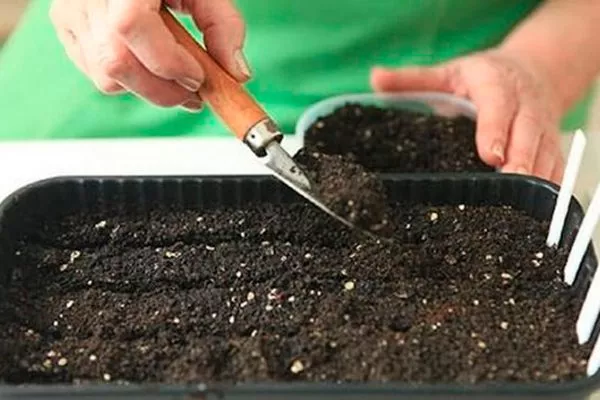
Before sowing, wash the container with a solution of potassium permanganate, then, after drying, fill it with prepared soil, placing a drainage layer on the bottom. - Sowing seeds. Fill the containers with soil and water thoroughly with warm water. Dig holes, place one seed in each, and cover them with soil. Cover the containers and place them in a warm, sunny location. The optimal room temperature should be no lower than 25°C and no higher than 28°C.
- How many days does it take for seeds to germinate? Seeds typically germinate 7-14 days after sowing. Germination time may vary depending on growing conditions, including soil temperature, humidity, light, and quality.
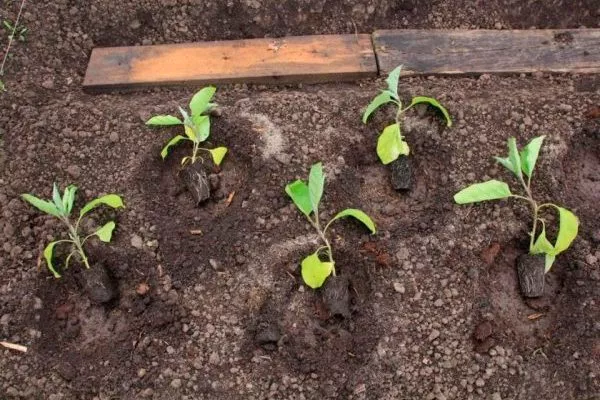
- When and at what distance to plant in the ground. Maintain a distance of about 40-50 cm between plants to ensure sufficient space for growth and development.
- Caring for seedlings. Use a spray bottle to moisten the seedlings to avoid overwatering. Pay special attention to the seedlings' lighting. If there's insufficient light, use special grow lights, as insufficient light can cause the seedlings to become elongated and underdeveloped.
For additional nutrition, use balanced fertilizers. Kristalon Special is recognized as an excellent growth promoter; apply it every 10 days. Use mineral fertilizers high in phosphorus. - Transplantation into open ground. Choose sunny, wind-protected areas. When digging the beds in the fall, add peat and humus to the soil. In the spring, add river sand or sawdust to ensure natural drainage. If the soil is loamy, add more sand.
Further care
The Nutcracker hybrid produces good yields with standard care. Provide it with the following:
- Shaping and garter. Tie the stems to sturdy supports to prevent them from sagging under the weight of the fruit. If space is limited in the greenhouse, train the plant into a single shoot. This method allows you to increase the size of the fruit per bush and maintain a high yield.
- Watering and fertilizing. When growing indoors, water the plants 2-3 times a week, and during hot periods, water them once every two days. Maintain optimal humidity levels—up to 60% of the air in the room and up to 73% of the soil.
During active growth of vegetative mass, apply fertilizers with a high nitrogen content, such as urea, under the bushes.
At the beginning of flowering, phosphorus and potassium are needed, so add liquid fertilizers containing these elements to the soil at intervals of 10-12 days.
Features of cultivation and possible difficulties
Pay attention to certain aspects that will help avoid problems and improve yields. Follow these recommendations:
- Water your plants only in the evening to avoid moisture evaporation under the sun's rays and to ensure direct penetration of moisture into the soil.
- When growing in a greenhouse, ventilate it regularly to provide optimal conditions for plant growth.
- Mulch your garden beds regularly to conserve moisture and reduce the risk of weeds.
- When the plant reaches a height of 30 cm, pinch off the top, leaving two fruits on each side shoot. When branching the side shoots, keep only the strongest one, pinching off the others. This will prevent excessive growth of unwanted shoots, which could drain the energy from the developing fruits.
Diseases and pests
Nutcracker varieties are susceptible to various diseases, classified as viral, fungal, and bacterial. Helpful tips:
- Fungal diseases: Late blight, white and black leg, and root rot. Fungi appear due to improper care and high humidity. Fungal spores can penetrate the stem through the stomata and spread throughout the plant via water.
To combat this, use professional products: Quadris, Fitosporin, HOM. - Viral diseases: Tobacco mosaic and phytoplasmosis. These can cause fruit deformation and leaf discoloration.
It is almost impossible to cure a plant of viral diseases, so take preventative measures using products such as Aktara and Condifor. - Bacterial diseases Caused by low temperatures and high humidity, spotting appears as water-soaked spots on eggplants, turning the leaves dry and black. If infected, remove and destroy the plant immediately.
| Pest | Method of struggle | Period of activity |
|---|---|---|
| Colorado beetle | Hand-picked or Colorado, Bicol preparations | May-July |
| Whitefly | Soap solution | June-August |
Harvesting and use of the crop
Harvest when the skin is a rich purple and the flesh is firm. Avoid overripening the fruit, as this can lead to bitter flesh and thin skin. When harvesting, leave a 3 cm stem end.
To extend their shelf life, wipe the vegetables with a dry cloth and store them in a cool, dark place. Fruits keep for no more than two months, so it's best to preserve them. You can dry them, cut them, and freeze them.
Eggplants are perfect for a variety of dishes, from spicy rolls to the famous fried vegetables with tomatoes and juicy lasagna. Eggplant's neutral flavor pairs beautifully with most ingredients, and its attractive appearance can enhance any dish.
Advantages and disadvantages of the variety
The hybrid does not tolerate adverse weather conditions very well, so in regions where the climate is not so mild, it is recommended to grow it in a greenhouse or under a film cover.
Advantages:
- early ripening;
- high productivity;
- long fruiting period;
- commercial qualities;
- excellent taste without bitterness;
- long-term storage and transportability.
No significant disadvantages were found, except for the presence of numerous thorns, the impossibility of growing in open beds in all regions, and the lack of opportunity to collect planting material.
Reviews
The Nutcracker eggplant is very popular among gardeners and is widely used in cooking. It's rich in calcium, fiber, and phosphorus. Even a beginner can easily grow this variety. The key is to ensure proper care to ensure good and regular harvests.