
When and how to harvest eggplants? The answer to this question largely depends on the ripening time of the chosen variety. You should also pay special attention to the signs of technical and biological maturity of the vegetables. You will learn about this, as well as about the proper storage of harvested fruits, in this article.
Eggplant ripening times
The variety of a crop greatly influences its growing season. Below are examples of the most popular varieties of each type.
Early ripening
| Name | Ripening period (days) | Disease resistance | Soil requirements |
|---|---|---|---|
| Giselle F1 | 100 | High | Average |
| Robin Hood | 90 | Average | Low |
| Bibo F1 | 60 | High | Tall |
| Nadir | 75 | Average | Average |
| Diamond | 70-80 | High | Tall |
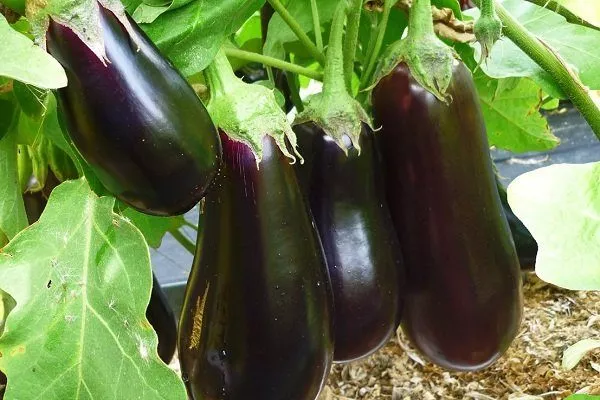
Vegetables can be harvested no later than 100 days after emergence.
These include:
- Giselle F1. It takes 100 days.

- Robin Hood. You need to wait 3 months.
- Bibo F1. Ripens in just 60 days.
- Nadir. The growing season lasts on average 75 days.
- Diamond. Eggplant Diamond harvested 70-80 days after planting.
Mid-season
| Name | Ripening period (days) | Disease resistance | Soil requirements |
|---|---|---|---|
| Alekseevsky | 115 | High | Average |
| Namesake | 125 | Average | Low |
| Bull's heart | 110 | High | Tall |
| White Night | 115 | Average | Average |
| Sancho Panza | 130 | High | Tall |
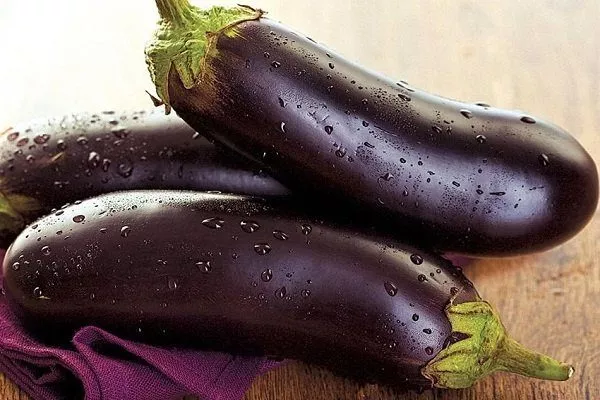
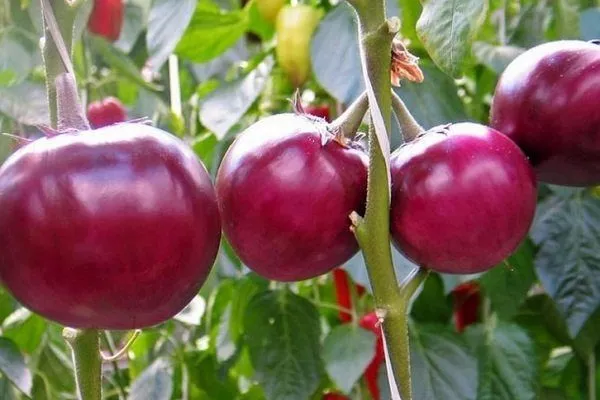
The fruits of this variety take 100 to 130 days to fully ripen.
Examples of varieties:
- Alekseevsky. The harvest is ready in just 115 days.
- Namesake. You need to wait about 125 days.
- Bull's heart. Suitable for consumption 110 days after emergence.
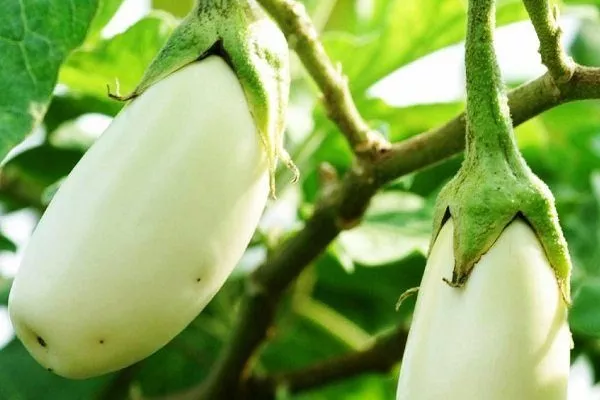
- White night. Waiting time up to 115 days.
- Sancho Panza. The growing season lasts up to 130 days.
Late
| Name | Ripening period (days) | Disease resistance | Soil requirements |
|---|---|---|---|
| Black beauty | 140 | High | Average |
| Bull's forehead | 150 | Average | Low |
| Sofia | 145 | High | Tall |
Eggplants fully ripen in 130-150 days.
What can be planted:
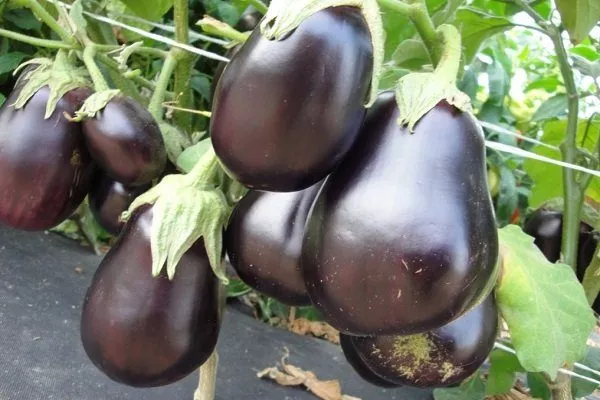
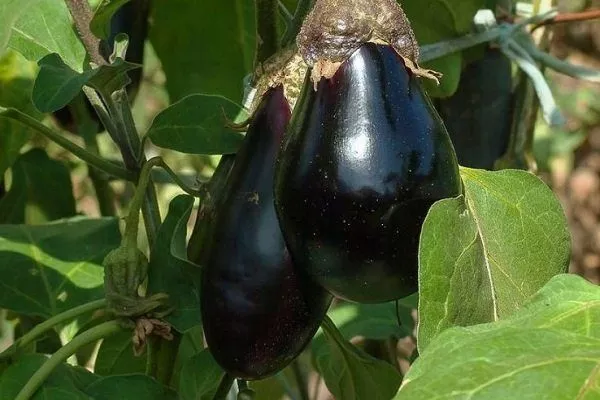
- Black beauty. It takes 140 days from germination to harvest.
- Bull's forehead. It will take up to 150 days.
- Sofia. Ripens in an average of 145 days.

Signs of ripeness
There are criteria that indicate eggplant readiness for harvest. Below are the characteristics of two main parameters.
Fruits of technical maturity
Technical maturity indicates the actual readiness of the fruit for consumption. This does not always coincide with the dates indicated on the seed packaging and depends on the growing conditions. growing eggplants.
What to look out for:
- Size. Corresponds to the declared value for the variety.
- Pulp. It's dense in texture and light in color. If it has a bitter taste, it's overripe.
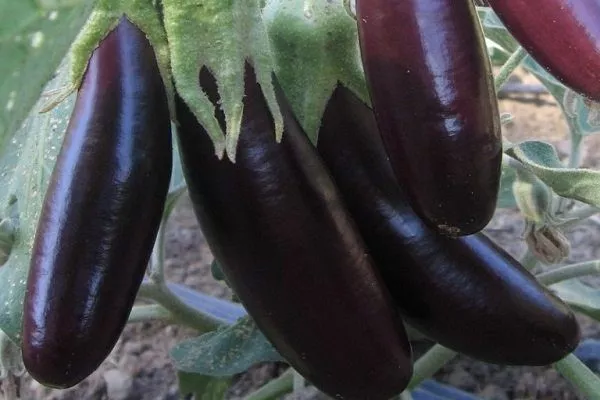
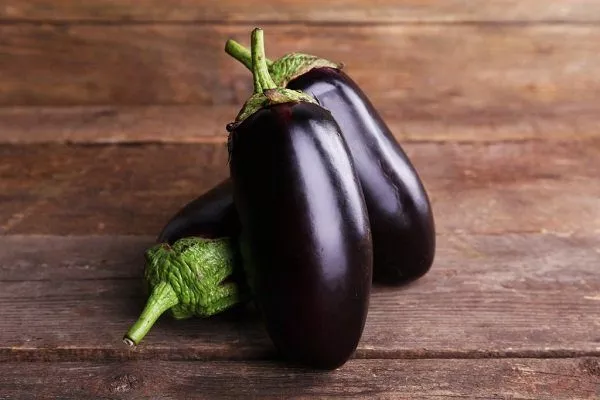
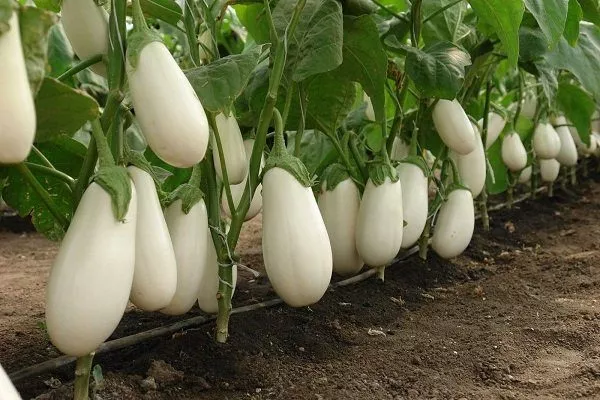
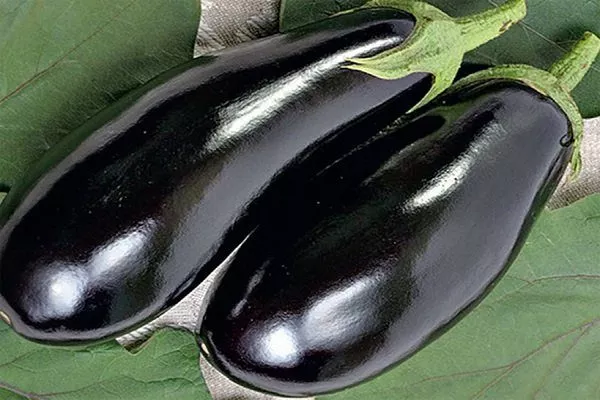
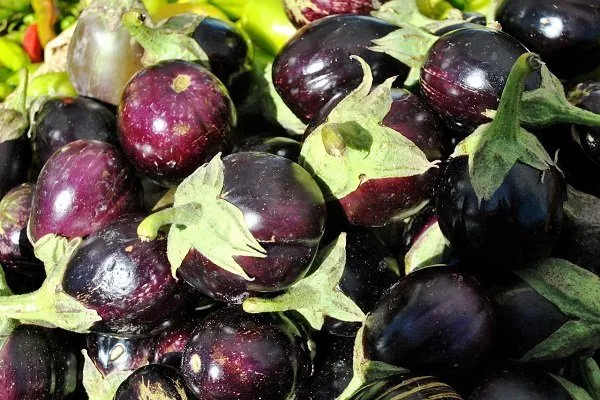
- Skin. Purple or dark blue, almost black. Some varieties have light or greenish skin, so pay close attention to the description. The surface should be smooth and undamaged.
Technically, eggplant ripens 2-3 weeks after flowering.
Biological maturity
This sign can be used to determine when vegetables are ready to produce seeds.
How is it determined:
- Skin. Acquires a light brown or yellowish tint.
- Pulp. Loose, after pressing on the vegetable, a dent remains.
- Seeds. They appear dark brown or even black.
To obtain seeds, the most beautiful and largest fruits are left in the garden bed until the skins dry slightly. Then they are picked and stored in a cool place for 1-2 weeks, until the seeds are fully ripe.
When to harvest eggplants in a greenhouse and in open ground?
Harvesting occurs after technical maturity has been reached.
Please pay attention to the rules:
- Collection procedure. Start with the bottom fruits, as they take the shortest time to cook. Then move on to the top ones.
- Periodicity. Between harvests, take breaks of up to 5 days to allow the remaining vegetables to fully ripen.
- Deadlines. The harvest must be collected within a month after reaching technical maturity, otherwise the fruits will only be suitable for obtaining seeds.
Eggplants must be harvested from open beds before frost sets in.
How to harvest eggplants correctly?
Among the main recommendations:
- Weather. Harvesting takes place in dry and sunny weather.
- Tools. Use a sharp knife or pruning shears. Picking the fruit is not recommended.
- Way. You should leave about 3-5 cm from the stalk.
- Accuracy. Try not to damage the eggplants when removing them from the area.
In this video, you can see the proper process for harvesting eggplants and learn gardener's tips on storing them:
Storage of the harvest
For winter storage, it is recommended to plant late-ripening varieties, which are harvested from the garden just before the onset of cold weather.
- ✓ Resistance to fungal diseases, especially in conditions of high humidity.
- ✓ Peel thickness: the thicker the better for long-term storage.
- ✓ Fruit size: medium and large eggplants store better than small ones.
Preparation for lying down consists of the following:
- Sorting. Select technically ripe fruits without damage or signs of disease.
- Drying. Vegetables are left in the open air for 2-3 days, while being protected from the sun.
- Cleaning. There's no need to wash the eggplants. Just scrape off any dirt that's stuck to them.
Conditions to be observed during storage:
- Temperature. Ideally, it should be between 3 and 5 degrees. A temperature of no more than 10 degrees is acceptable.
- Humidity. Within 75-85%.
- Premises. Dry and dark.
There are several options for preserving eggplant freshness. Below are the specifics of each.
In the basement or cellar
Vegetables retain their external characteristics and taste for 4-5 months.
You can store it in the following ways:
- On the floor. Cover the surface with a layer of straw. Place the eggplants on top of each other, stem side down. Cover with bags. After two weeks, sort the vegetables and remove any spoiled ones. Wrap each one in paper and arrange them in rows.
- In boxes. Wrap the eggplants in paper, then place them in boxes with ventilation holes. Fill the spaces between them with straw or sawdust.
- ✓ The appearance of soft areas on the fruit.
- ✓ Change in skin color to brown or yellow.
- ✓ The appearance of mold or unpleasant odor.
In the apartment
You can store vegetables for 1-3 months.
Options:
- Pantry. Store the fruit in boxes, wrapped in 2-3 layers of paper. Eggplants are good for consumption for 75 days. Alternatively, place the fruit in wooden boxes and cover with ash. They will stay fresh for up to 3 months.
- Balcony. A glazed balcony is ideal. Lay the harvest out in a single layer on netting and secure it above the floor. At the optimal temperature, eggplants will keep for about 1.5 months.
In the refrigerator
The fruits can only stay on the shelves for 2 weeks.
What to do:
- wrap the blue ones in paper or put them in a bag without tying it;
- put it in the vegetable drawer.
If you want to preserve freshness using the freezer, it is best to pre-cook the eggplants.
Fry. Way:
- cut into circles up to 2 cm thick;
- boil in salted water for 5 minutes;
- dry on a napkin;
- fry on both sides;
- let it cool;
- place in a bag or container;
- Freeze.
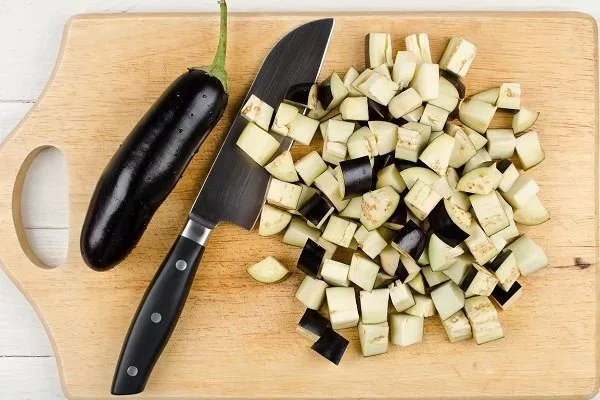
Cook. How to do:
- cut into cubes;
- soak in salt for 30 minutes;
- boil for 5 minutes in boiling water;
- spread on a board in 1 layer;
- put it in the refrigerator;
- wait until it freezes;
- place in a bag;
- transfer to the freezer.
The harvest can remain fit for consumption for up to 1 year.
Other methods
How else can you save:
- Drying. Eggplants can be stored for about 1 year.
- Conservation. Allows you to extend the terms up to 2 years.
Eggplants are harvested before the first frost. The fruits are cleaned of soil, dried, and stored in a basement, pantry, or refrigerator. Under good conditions, the vegetables can retain their flavor for about a year.