
The Roma eggplant variety has gained popularity among agronomists due to its disease resistance and ease of cultivation. This crop attracts attention with its beautiful, juicy fruits, which become an essential part of many dishes. Proper care is essential for strong immunity and abundant harvests.
Eggplant Roma F1: Description of the Variety
This is an early-ripening hybrid—it takes about 1.5 months from transplanting the seedlings to harvesting the ripe vegetables. The bushes grow strong and tall, reaching 1-1.2 m in height. They are compact due to the average number of lateral shoots and upright, medium-leafed shoots, approximately 70 cm in diameter.
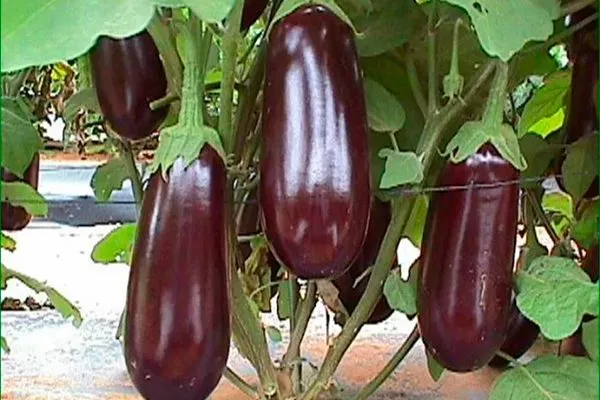
Ripe fruits are uniform in size, up to 25 cm long and weighing approximately 300 g; lower specimens can weigh around 500 g. The skin is thin, smooth, shiny, and dark purple. The flesh is light and tender, with small, soft seeds, and does not darken after cutting. The flavor is delicate, without bitterness.
Breeding history
Scientists and breeders from Sakata Vegetables Europe SA S have developed a new vegetable variety. The hybrid is designed for cultivation in both harsh and moderate climates.
The crossbreeding of various species continued for several years, and in 2010, specialists announced the completion of this process. Three years later, in 2013, the variety was entered into the State Register and added to the list of cultivated subspecies.
Main characteristics of the Roma eggplant variety
Suitable for growing in open-ground beds, greenhouses, and plastic greenhouses, the yield remains approximately the same whether grown in the garden or under cover.
Ripening and yield
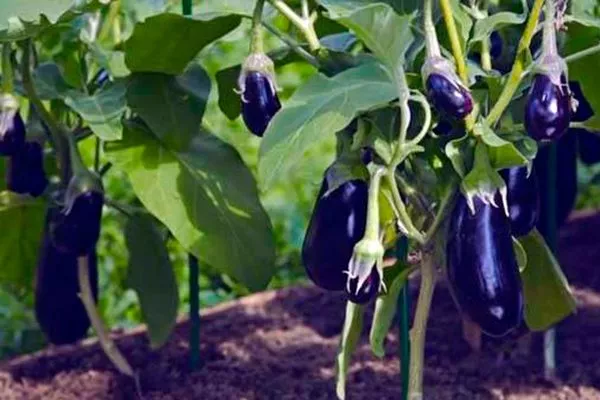
It's a mid-season hybrid. It takes about four months, or approximately 110-120 days, from the moment the shoots emerge to the first fruits ripening on the bushes. Ripe fruits emerge gradually, ensuring a long fruiting period.
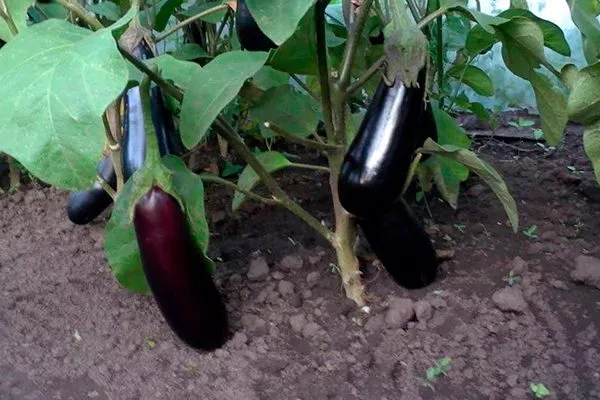
Harvesting begins in late July. The highest yield is usually achieved in August-September, but in southern regions, the crop can bear fruit until frost.
Productivity
The yield is good. With proper care, each bush can produce up to 1.5 kg of fruit. On average, 1 square meter of planting area yields 4.8 to 10 kg of delicious vegetables.
Purpose and taste
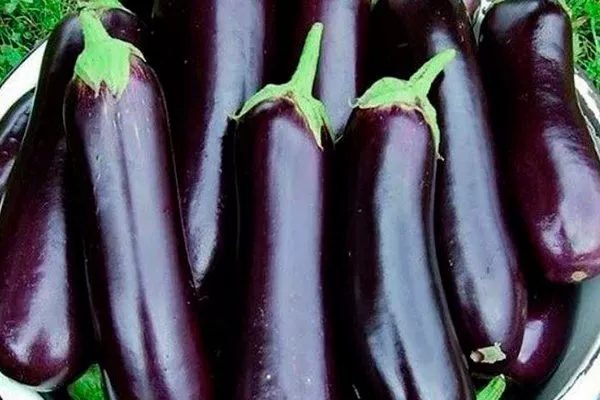
Blue Roma grapes have an excellent flavor. Their off-white flesh is tender, meaty, and firm. The flavor is pleasant, without bitterness, and contains few seeds. This makes them an excellent choice for a variety of dishes, as they can be used in a wide variety of culinary recipes.
The harvested fruits are used in a variety of dishes. They are stewed, fried, used in appetizers, preserved for the winter, used to make caviar, and used to make pickles and marinades. They can also be sliced and frozen for later use.
Advantages and disadvantages
The main advantage is high yield and good drought and frost resistance. The vegetables ripen simultaneously on the bushes, allowing for three to four harvests per season. Other advantages:
Gardeners did not find any significant shortcomings.
Features of growing and planting Roma eggplants
Use the seedling method for growing. Sow seeds in late February or early March, then transplant the grown seedlings into open ground in early June. With this approach, the first harvest of ripe fruit can be expected in the early third ten days of July.
Seed preparation and further planting
The seeds require no pre-treatment, including germination. You can purchase planting soil from a store or prepare it yourself: mix equal parts turf and compost, adding a little sand.
Helpful tips:
- Before distributing the prepared nutrient substrate into containers, treat it with a weak solution of potassium permanganate for disinfection.
- Place the seeds in moist, nutritious soil to a depth of 1.5 cm.
- Cover with glass and place in a warm room with a temperature of about +24-25°C.
- ✓ The optimal soil temperature for seed germination should not be below +24°C, which is critical for their germination.
- ✓ To prevent seedlings from stretching, it is necessary to provide uniform lighting from all sides by using reflectors or turning the containers.
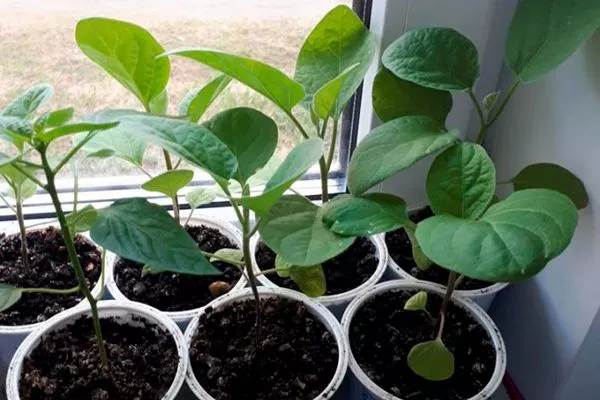
Germination takes some time—up to 2 weeks. Once uniform seedlings emerge, remove the glass from the containers and move them to windowsills for more light.
Further care of seedlings
After moving the containers with the seedlings closer to the light source, reduce the room temperature to 18°C to promote active root development. After 6-8 days, return the temperature to 25°C. The nighttime temperature should be around 14°C.
Important events:
- The plant does not tolerate transplanting well due to the risk of damaging its delicate root system. Therefore, sow the seeds directly into individual pots to avoid transplanting later.
- If you have sown seeds in large containers and need to pick them out at the stage of several permanent leaves, carry out this procedure carefully, transferring the plants to a new location along with the soil.
- To ensure healthy seedlings, keep the soil in the containers regularly moist using room temperature water.
- After watering, carefully loosen the soil to remove any crust that may have formed on the surface.
- Seedlings require good lighting—at least 12 hours of daylight. If natural light is insufficient, use grow lights for supplemental illumination.
In about two months, the seedlings will be ready for planting. Ten to twelve days before transplanting, begin hardening off the seedlings by placing them outside and gradually increasing their time spent outdoors. Initially, keep them outside for 1-1.5 hours.
Tips for growing eggplant seedlings
When it's time to transplant to a permanent location, the seedlings should have strong, branched roots and about 10 permanent leaves on the shoot.
Transplantation to a permanent location
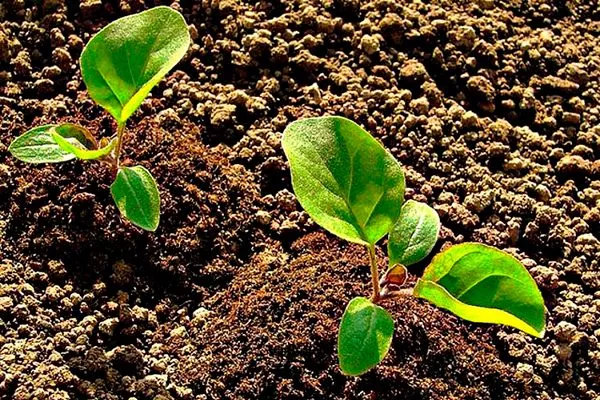
Transplant seedlings into open ground only after the threat of spring frosts has passed, which is usually in the second half of May or early June. When transplanting, maintain a distance of at least 50 cm between adjacent plants and a row spacing of approximately 70 cm.
Further care of Roma eggplants in their permanent growing location
To ensure healthy growth and development, ensure regular watering and periodic fertilization. Take care of your plants:
- How to water eggplants correctly. Water regularly, at least 2-3 times a week. The main indicator of watering needs is the top layer of soil. Increase the frequency of watering during hot and dry periods. Insufficient moisture can lead to ovary drop and deformed fruits.
- Plant care. After watering, loosen the soil around the bushes, simultaneously hilling them to stimulate additional root growth. Regularly remove weeds and carefully inspect the bushes to promptly identify pests and signs of disease.
To prevent diseases, treat with fungicidal solutions. - How can you feed eggplants? A few weeks after transplanting into the garden beds, apply the first nitrogen fertilizer. Subsequent applications should be done at 12-14 day intervals, alternating organic and mineral fertilizers.
- Two weeks after transplanting, apply a complex mineral fertilizer with a high phosphorus content to stimulate root formation.
- During the flowering period, use potassium fertilizers to improve fruit set.
- During fruiting, apply organic fertilizers such as compost or humus to maintain soil fertility.
Take care of your plants' health so that they have strong immunity and will delight you with a stable and abundant harvest.
The video provides useful recommendations on crop fertilization:
Diseases and pests
The hybrid is disease-resistant, but if improperly cared for, it can be susceptible to gray mold or late blight. The main threat to the plant is the Colorado potato beetle, which can quickly destroy the bushes. Take action immediately.
To combat Colorado potato beetles, use insecticides and folk remedies, and also collect them by hand. Destroy the larvae and adults. Planting plants with a strong aroma, such as basil, calendula, or marigolds, nearby is an effective method; this can help repel the pests.
Feedback from those who planted
The Roma eggplant has become popular among both novice and experienced gardeners because it's easy to care for and doesn't take much time. You can always find a few minutes to water and fertilize the plants, ensuring the plant receives nutrients and produces a bountiful harvest throughout the season.