
Spider mites are a dangerous pest for eggplants, especially in greenhouses. They reproduce quickly and feed on plant sap, weakening the plant and reducing yield. Chemical treatments provide a quick response, but their use is not recommended during fruiting. However, there are safe control methods that do not harm either humans or the environment.
Spider mites: what they are and signs of their appearance
Detecting spider mites without magnifying equipment is extremely difficult due to their microscopic size—usually less than 1 mm in length. Often, all you can see on infested plants is a fine web and moving colored dots: brown, dark green, yellow, or red.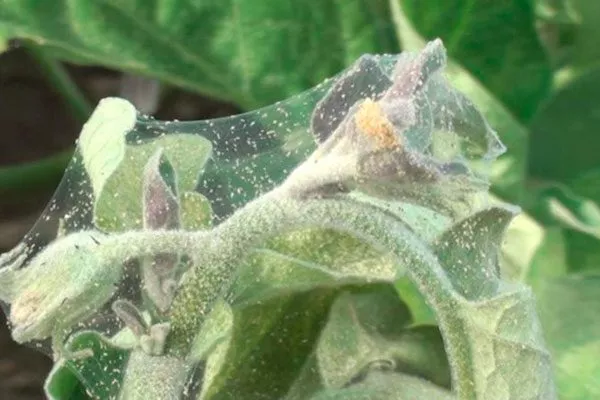
The most common pest is the common spider mite, and in southern regions, the red fruit mite. Early detection is the key to effective pest control. The first signs are small, light-colored spots on the upper side of the leaves. Small parasites, approximately 0.5 mm in size, are visible on the underside of the leaf.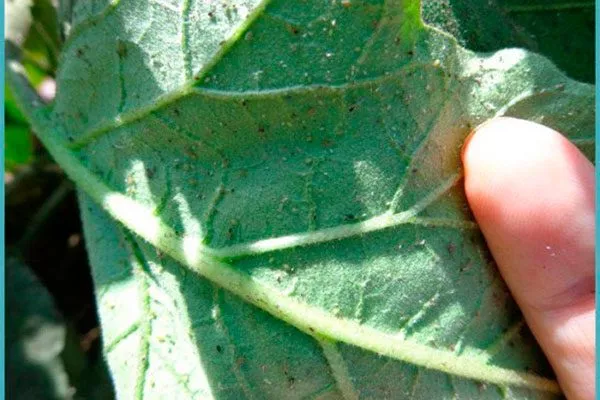
Symptoms of infection:
- the leaves are covered with a thin web;
- leaf tissues turn yellow and dry out;
- plant growth slows down;
- the flowers are falling off.

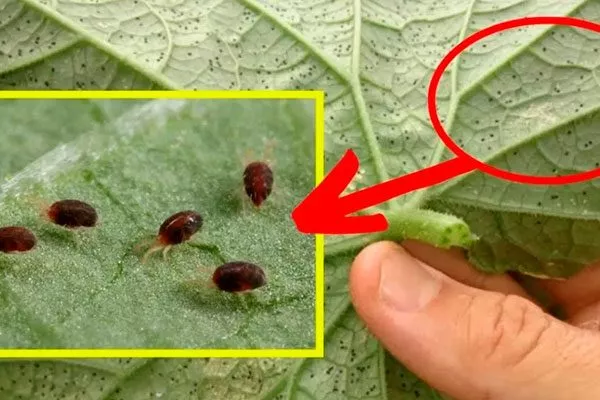
At temperatures above 30°C, mite reproduction accelerates significantly. Research shows that under favorable conditions, the pest population can double every 5-7 days.
Diseases that develop during an attack and other harm
When spider mites attack eggplants, the plant's overall health is weakened, making it vulnerable to a number of diseases. The insect itself does not transmit viruses, but it creates favorable conditions for the development of the following diseases:
- Gray rot. It develops on weakened plant tissue. Brownish-gray spots appear, quickly becoming covered with a gray coating (fungal spores). The disease is especially active in high humidity and high temperatures.
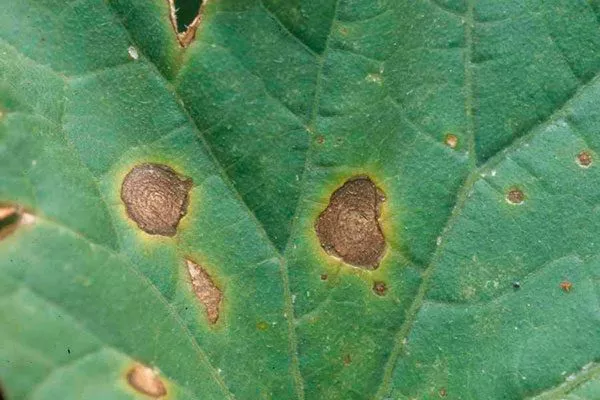
- Alternaria. Characterized by dry, rounded spots with concentric rings, it most often affects weakened leaves punctured by mites. It spreads in warm, dry weather.
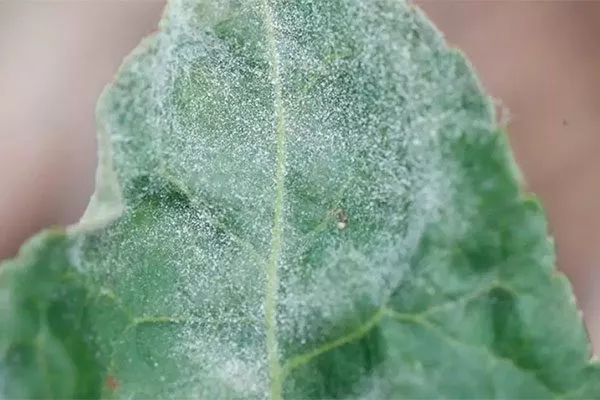
- Powdery mildew. A whitish coating appears on the upper side of the leaves, which then turn yellow and curl. This occurs during temperature fluctuations and high humidity.
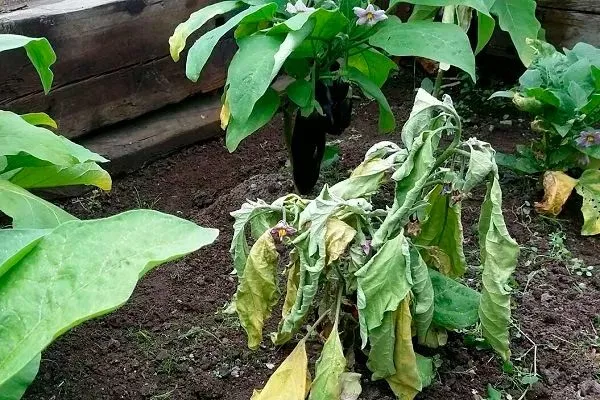
- Fusarium wilt. The mite damages the leaf's vascular system, which exacerbates the development of fusarium. The leaves turn yellow, wilt, and the plant dies. The disease is often irreversible.
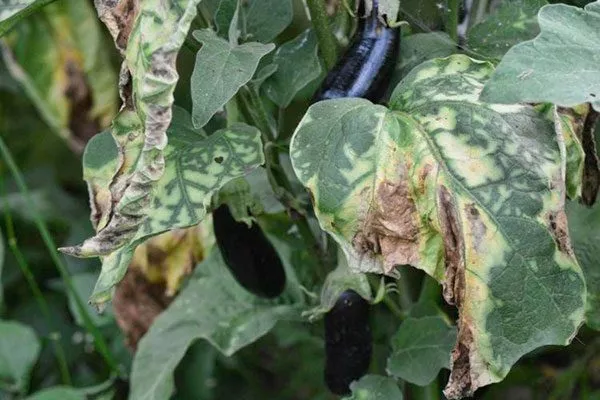
- Bacteriosis. Bacterial pathogens can penetrate through micro-damages left by the mite. These appear as watery or brown spots with rot.
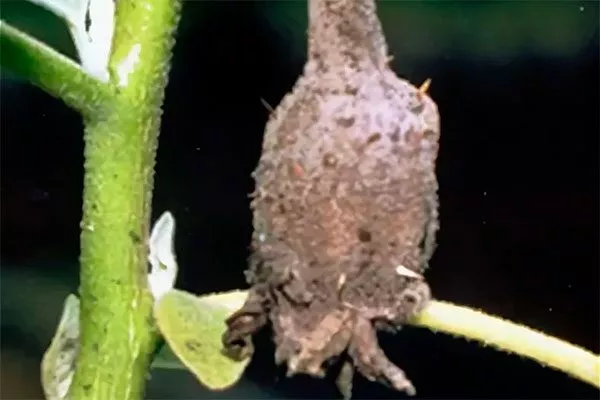
Spider mites cause the following damage to eggplants:
- the bushes gradually wither and die;
- the fruits that have set dry up before they have time to ripen;
- weakened plants become vulnerable to infections and fungal diseases;
- The pest quickly spreads to neighboring crops.
How do spider mites get onto eggplants?
Spider mites are extremely common pests, making eggplant infestations highly likely. The pest can enter a greenhouse in a variety of ways. Gardeners can accidentally bring in spider mites on clothing or shoes. Tools can also carry the mite.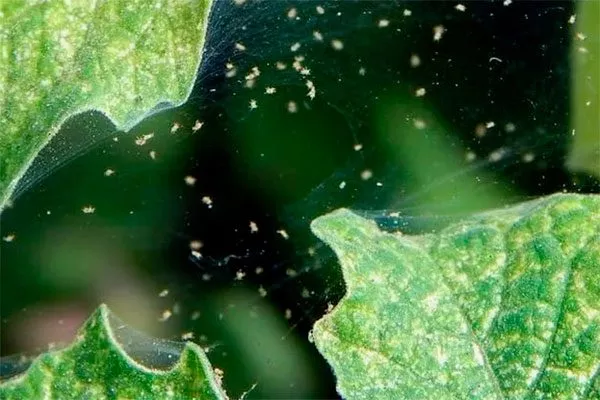
Pets, such as cats or dogs, can introduce the pest. Furthermore, mites can overwinter in hidden places within the greenhouse. Seedlings can become infected even before they are planted.
Due to their tiny size (just over 1 mm) and habitation on the underside of leaves, colonies of the parasite often go unnoticed in the early stages of infestation.
Optimal conditions for the existence of a tick
As spring temperatures rise to +5°C, pests become more active. Their growth and reproduction accelerate with further warming. When temperatures reach +12°C, the parasites migrate to uninfected plants, as their previous food sources are depleted.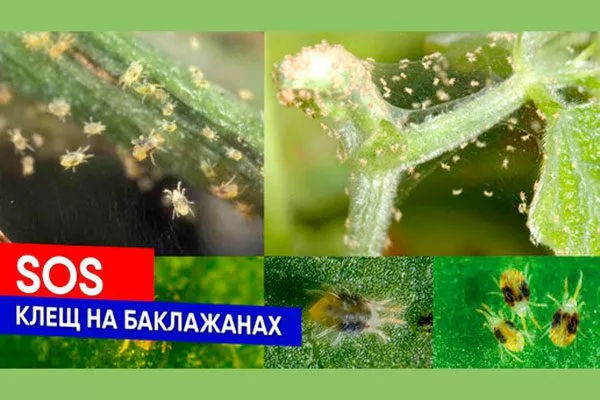
Spider mites are most active in spring and summer. In autumn, until November, they continue to facilitate the emergence of new generations.
How to treat plants in greenhouses?
Greenhouse conditions, while favorable for seedling growth, are also ideal for pests, which contributes to their rapid reproduction and potential damage to plants.
If you discover a spider mite, take immediate action:
- Increase humidity as much as possible. Spider mites cannot tolerate humidity levels above 60%, and any further increase can kill them.
- Remove all damaged plant parts. Burn collected leaves and branches.
- Carefully remove any webbing that protects egg clutches from insecticides. After spraying, temporarily cover the plants with plastic wrap to enhance the effect with increased humidity.
How to cultivate eggplants in open ground?
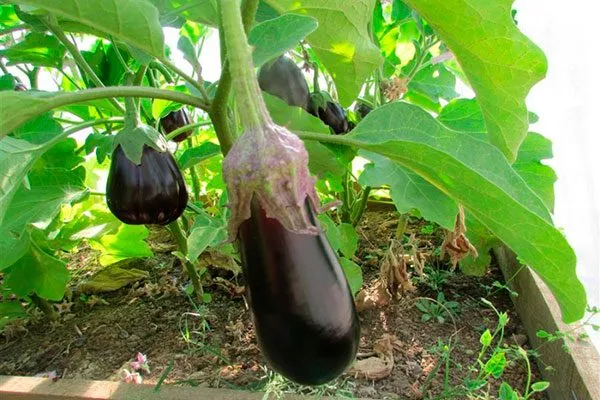
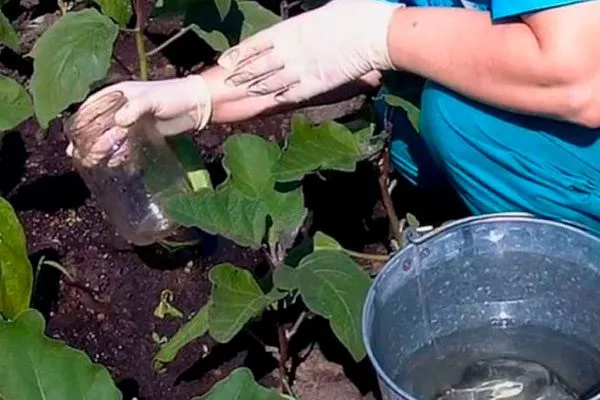
In garden beds, regular watering is an effective way to prevent spider mite infestations on eggplants. However, if the pests do infest the plants, they may attempt to establish themselves and then escape. In this case, it's recommended to wash off the mites with a strong stream of water from a hose.
If these measures fail, use chemicals. Conventional insecticides designed for controlling eggplant insects will be ineffective in this case. An alternative is biological products, which are considered safer for humans, plants, and soil.
Methods for controlling spider mites on eggplants
There are several effective ways to combat this pest. Gardeners use various products and folk remedies to combat spider mites.
Agricultural practices
Care measures will help plants in open ground and in greenhouses, but if the pest has spread widely, they may not be effective enough, so other control methods will be required.
Follow these recommendations:
- If you find spider mites, dig up the soil as the pests may be hiding in it.
- Ensure proper watering, avoiding overdrying of the soil, as the parasite prefers a dry environment.
- Water young plants twice a week, mature plants once a week, and fruiting plants 2-3 times a week. After watering, loosen the soil, remove weeds, and apply mulch.
- Wash the affected leaves, removing the cobwebs, which interfere with photosynthesis and negatively affect the condition of the plant.
Insecticides
In advanced cases of spider mite infestation, chemical treatments are often used, despite their drawbacks. Popular and effective acaricides include:
- Sunmite. Universal against various types of mites. The effect is noticeable within an hour of treatment, providing protection for up to 6 weeks. Washable. Recommended for use after flowering.
- Floromite. Effective against larval and adult ticks. Maximum effect is achieved within two days and provides protection for up to three weeks. Two applications per season are permitted.
- Nissan. Effective against larval and adult ticks. Results become noticeable approximately one and a half weeks after application.
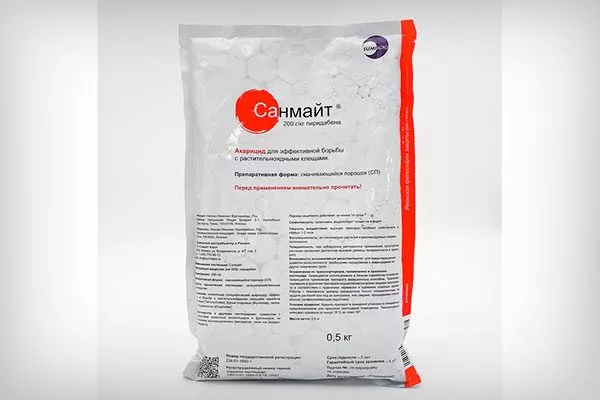
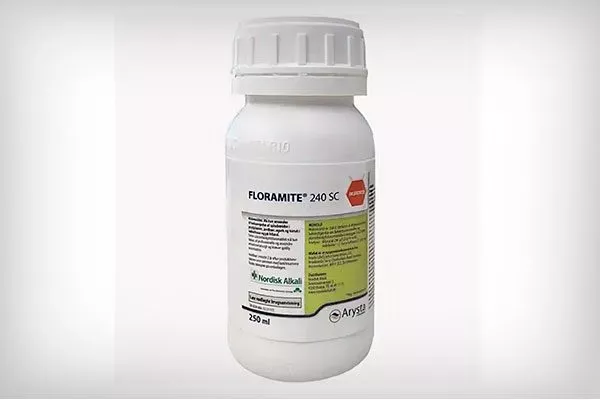
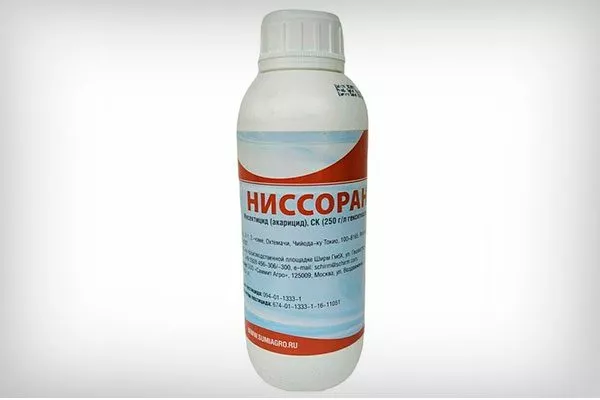
In situations where other methods are ineffective, such preparations are often the only way to save the plant.
Biological drugs
An alternative method of controlling spider mites is the use of biological agents. This typically requires soil treatment to disinfect it. This approach not only eliminates the pests but also destroys fungal spores, which are often present in the soil.
Fitoverm
The product targets the pests' nervous system after entering their gastrointestinal tract. Mass death of ticks is observed 7-10 days after spraying.
The product is effective only against adult insects, so repeat treatment is recommended after 10 days to destroy the new generation.
Bitoxybacillin
Available in powder form at gardening stores, effective control of the pest is achieved by spraying eggplant bushes with a solution prepared from 100 g diluted in 10 liters of water.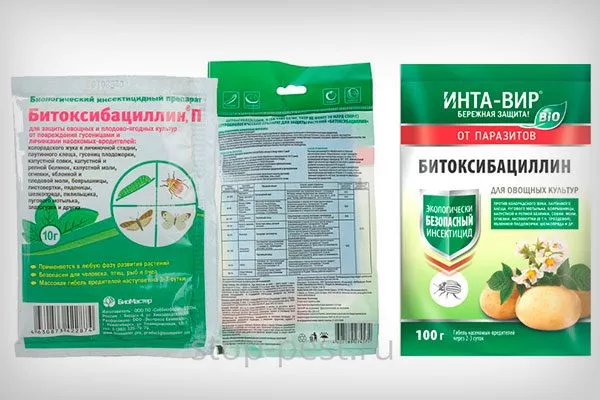
Spray before or during flowering. Stop spraying one week before harvest.
Akarin
This is a soil-based fungal solution used to control pests. The first results are visible within 48 hours, and complete eradication of the insect population occurs within a week.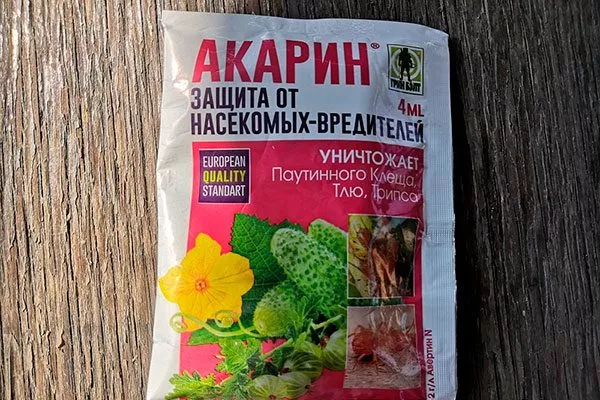
The product has a fast and effective effect on pests thanks to its live fungal composition. Visible effects are visible as early as the second day after treatment, and by the end of the week, the pest problem is completely resolved.
Actofit
This product paralyzes the nervous system of ticks. Its use is only permissible in dry weather, as moisture causes its decomposition. Due to its high toxicity to bees, its use during flowering periods is strictly prohibited.
Vermitek
A stomach-and-contact acaricide developed for the control of spider mites on various agricultural crops. It contains avermectin, a natural compound derived from the soil bacterium Streptomyces avermitilis.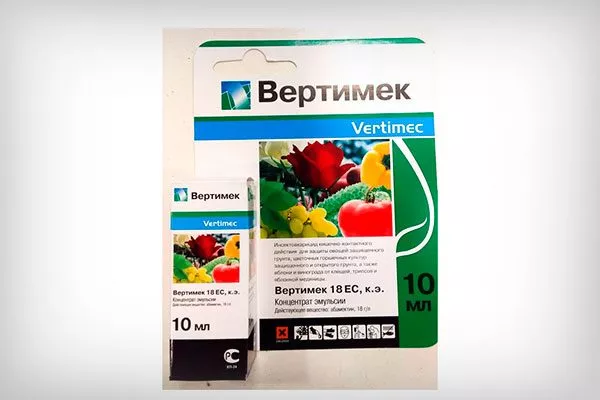
Mechanism of action:
- It affects the nervous system of the tick, causing paralysis and, ultimately, the death of the pest.
- Quickly penetrates plant tissue, providing protection against mites feeding on treated leaves.
Vermitek is applied by spraying plants. The dosage and number of treatments depend on the severity of the infestation. It is important to strictly follow the package instructions.
Fitosporin-M
A biofungicide based on the bacterium Bacillus subtilis is widely used to protect plants from fungal and bacterial diseases. It stimulates the plant's immune system, making them more resilient to various stresses, including pest infestations.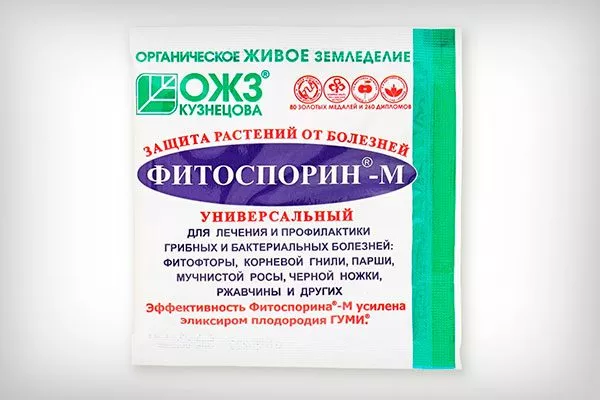
Traditional methods
If spider mites have infested your eggplant garden, you can try home remedies. These methods are generally safe for both plants and humans, so they can be used even during harvest.
Soap solution
This method is simple and accessible. The main thing is to thoroughly dissolve the soap and let the solution steep. The solution is very easy to prepare:
- Dissolve 200 g of grated laundry soap in 10 liters of warm water.
- Let it brew for three hours.
- Spray the plants with the resulting composition.
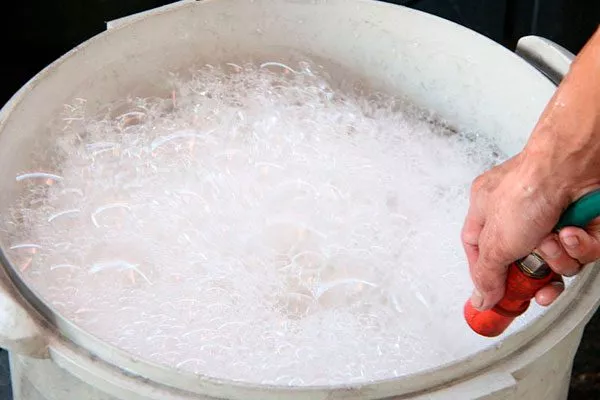
Spraying in windless weather will ensure even coverage of the plants. Dry weather is important to prevent the solution from being washed away by rain.
Herbal infusion
In addition to chemical treatments, herbal infusions are widely used to combat spider mites. They are environmentally friendly and affordable. Their use minimizes the negative impact on the environment while maintaining the health of the crop.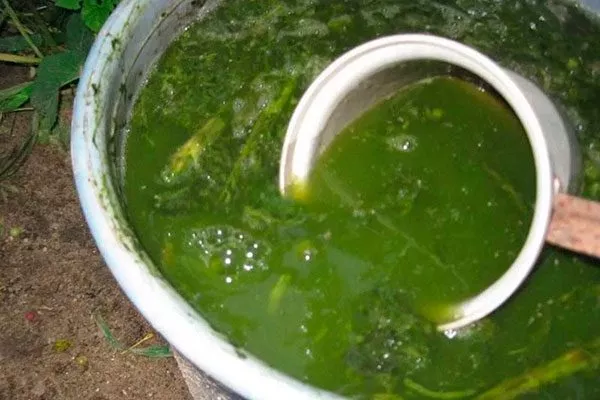
How to cook:
- Pour 1 liter of water over 300 g of fresh grass or 100 g of dry wormwood.
- Boil for 15 minutes.
- Cool and strain.
To enhance the effectiveness of the infusion, it is advisable to add a soap solution (1 teaspoon of liquid soap per 1 liter of infusion) – this improves the adhesion of the product to the leaves. Apply 2-3 times at intervals of 4-5 days in cloudy weather or in the evening.
Tobacco infusion
To treat eggplants for pests, prepare a solution: pour 45 g of dried tobacco into 1 liter of just-boiled water. Let the mixture sit for 2-3 hours, then dilute it with water in a 1:1 ratio. Thoroughly spray the eggplants with the resulting solution.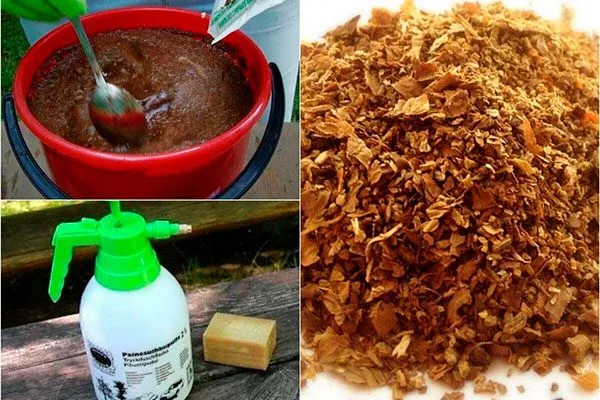
Ethanol
Ethyl alcohol, whether denatured or medicinal, can be used to combat spider mites, but caution and understanding of how it works is required. It acts as a contact insecticide, drying out the mite's body upon direct contact.
A 70% ethyl alcohol solution is most effective. It can be applied directly to the infected areas of the plant with a cotton pad or sprayed with a spray bottle. It's important to thoroughly treat all parts of the plant, especially the undersides of the leaves.
Garlic
Garlic infusion is effective for controlling spider mites. Preparation:
- First, crush the garlic with a grater or garlic press and mix with 1 liter of water.
- Let the mixture sit for about two days.
- Dilute the concentrate with water in a 1:1 ratio.
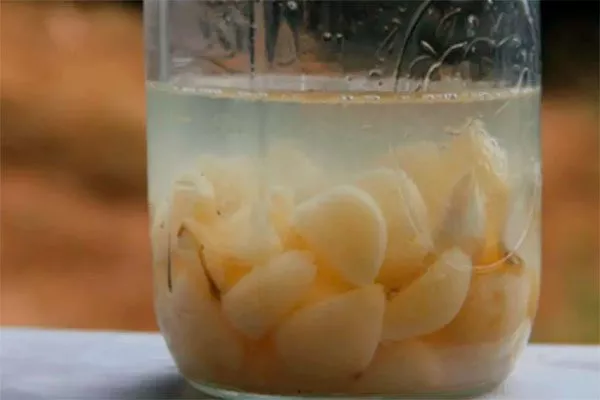
Use the resulting solution to treat not only the leaves and stems of the eggplants, but also the soil around them to achieve maximum effect.
Onion peel
To combat pests, use an onion peel infusion made by steeping 200 grams of peel in boiling water. Let the mixture steep for five days, stirring regularly. Strain the liquid and spray it on the affected plants.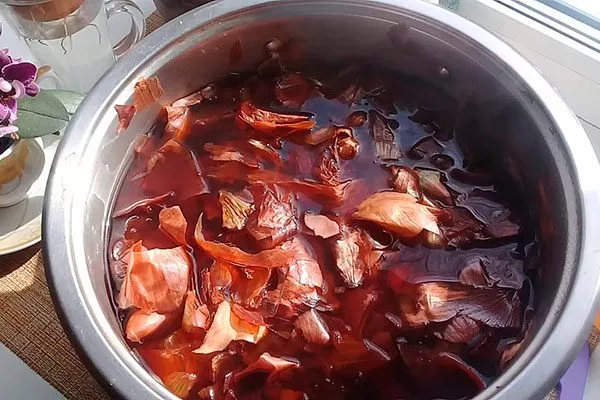
Used onion peels can also be effectively used as mulch.
Mustard
Mustard, thanks to its composition, can serve as an effective and environmentally friendly remedy for spider mites. The active ingredients in mustard powder irritate the pest, repelling it and disrupting its vital functions.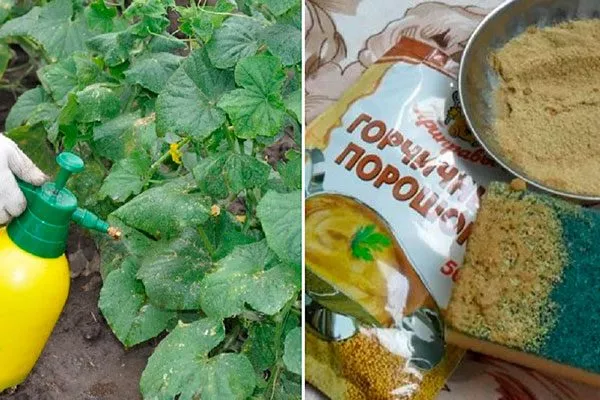
The mechanism of action is based on the phytoncides and glycosides found in mustard. These substances, when applied to the tick's body, cause discomfort and reduce its activity and ability to reproduce. Mustard doesn't kill the ticks directly, but creates unfavorable conditions for them, forcing them to leave the plant.
The use of mustard in the fight against spider mites comes down to the preparation of an aqueous infusion:
- Dissolve 50-100 g of mustard powder in 10 liters of warm water.
- Let the solution sit for 2-3 hours, then strain and use to spray affected plants.
Carry out treatment regularly, every 5-7 days, especially during periods of active tick reproduction.
Alder leaves
The main mechanism of action is believed to be the tannins and phytoncides found in alder leaves. These components have repellent properties and can create an unfavorable environment for spider mite development.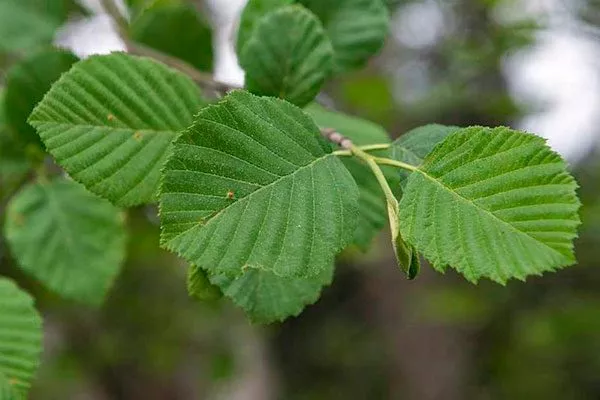
To prepare the infusion:
- Use fresh or dried alder leaves. Pour 10 liters of boiling water over 1 kg of leaves and let steep for 12-24 hours.
- Strain the resulting infusion and use it to spray the affected plants.
Carry out treatment regularly, at intervals of 5-7 days, especially during periods of high spider mite activity.
Dandelion
To prepare a plant spray, pour 20 g of dandelion roots into 1 liter of warm water. Let the resulting solution steep for two hours.
Tobacco dust and ash
A popular folk remedy for spider mites is tobacco, thanks to its nicotine content (about 1%). To prepare, take 200 grams of ash and tobacco dust. Pour 1 liter of hot water over the mixture and let it steep for 24 hours.
Green soap
This is a potassium salt of fatty acids derived from vegetable oils. It has insecticidal and acaricidal properties, effectively killing spider mites at various stages of development. The soapy solution coats the pest's body, disrupting its respiration and causing death.
To prepare the solution, dilute green soap in water according to the package instructions (usually 20-40 ml per 1 liter of water). Thoroughly spray the solution onto all parts of the plant, especially the undersides of the leaves. For maximum effectiveness, perform 2-3 treatments at intervals of 7-10 days.
Ammonia
Use a 10% ammonia solution. To prepare a safe solution, dilute the ammonia in water at a ratio of 1-2 tablespoons per 10 liters of water. The concentration of the solution varies depending on the plant type.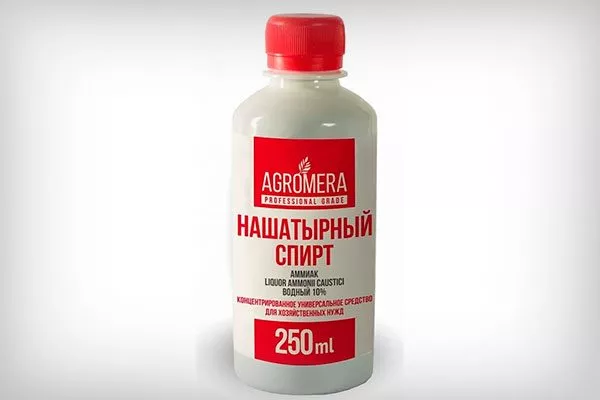
Washing powder
Spray affected areas or add soap to herbal infusions to improve foliar adhesion. A mixture of alcohol and soap is effective against larvae.
To prepare the solution, grate 200 g of soap into 10 liters of warm water and let it sit for three hours. Repeat once a week, thoroughly spraying the stems and leaves. Rinse with warm water after three hours.
Preventive measures
To completely get rid of spider mites, a comprehensive approach is necessary. Follow these recommendations:
- In closed greenhouses growing eggplants, regular ventilation and maintaining a temperature no higher than 26°C are essential. It's important to monitor soil moisture, preventing it from drying out.
Regular spraying of plants in a greenhouse is a must, but in open ground it is not recommended due to the risk of leaf burns. - After harvesting, disinfect the soil and greenhouse with a bleach solution (250 g per 10 liters of water). Loosening the soil once a week and deep digging after harvesting are also important for prevention.
Mistakes in the fight against spider mites
Even the most effective treatments may not produce the expected results if used incorrectly. As a result, the pest quickly recovers, becomes resistant to the chemicals, and the crop is at risk. To prevent this, it's important to know the common mistakes and avoid them.
Common pitfalls:
Promising developments in the fight against spider mites
Modern scientific advances are opening up new possibilities in the fight against spider mites. In particular, specialists are developing biopreparations based on entomopathogenic fungi that can effectively kill the pest without harming plants, humans, or the environment.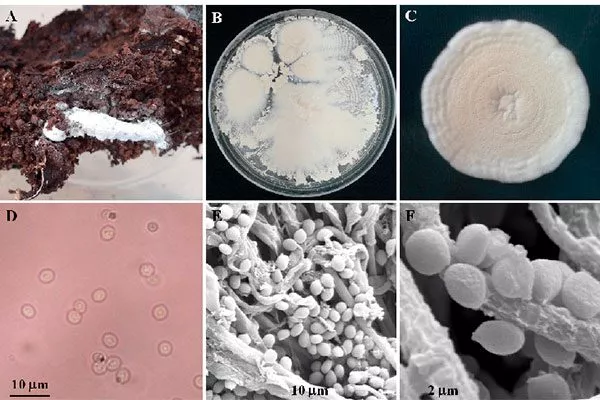
One of the most promising methods is considered to be the use of the fungus Beauveria bassiana, which infects and kills ticks at all stages of development.
Pest-resistant varieties
To reduce the risk of spider mite infestation, it is recommended to plant eggplant varieties with increased resistance to this pest. These varieties include:
- Samurai sword;
- Caliph;
- Roma.


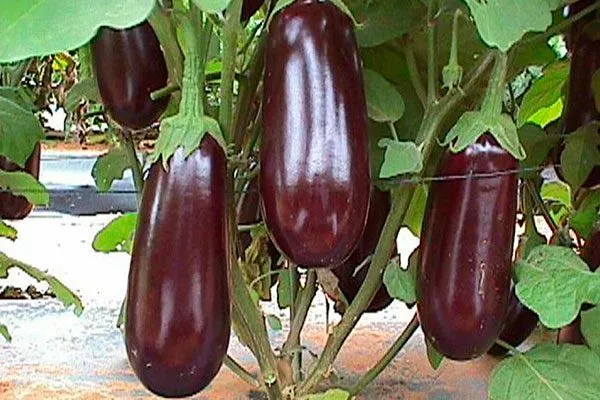
You can get rid of spider mites on eggplants without using harsh chemicals. Regular use of safe products helps control pest infestations and maintain healthy plants. The key is to act promptly, apply treatments regularly, and carefully inspect the plants.