
Growing eggplants is a fascinating process for gardeners. Among the many varieties and hybrids, the Motya variety deserves special attention. It has gained popularity due to its high yield, excellent flavor, and relative ease of care. With proper care, the fruits will be juicy and large.
Description
The Motya eggplant is distinguished by its versatility. This hybrid variety is successfully grown both in open fields and under plastic covers or greenhouses.
- ✓ Resistant to temperature fluctuations, making it suitable for various climatic conditions.
- ✓ High yield even with minimal care, which distinguishes it from other varieties.
Characteristics of the appearance of the plant and fruits
It is characterized by a medium-sized growth habit, reaching a height of up to 70 cm. The bush is semi-erect, providing reliable protection for the vegetables from damage. The plant is covered with small, emerald-colored leaves.
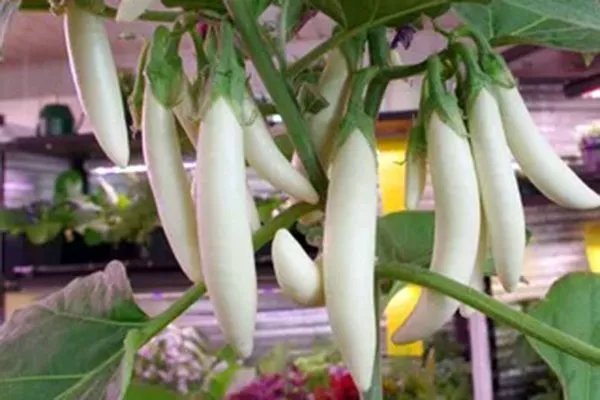
The fruits are small and cylindrical. They reach 10-11 cm in length and up to 2 cm in diameter. A single "blue" fruit weighs approximately 20-25 g. The skin is white and lacks shine. The flesh is firm yet tender, with a white hue.
Purpose and taste
The versatility of the fruits is one of the characteristics of this variety. The vegetables are used for preparing a variety of dishes, as well as for canning and eating fresh.
Ripening time
The hybrid is characterized by rapid ripening. Typically, the period from sowing to harvest is about 100 days.
Growing and care
To successfully grow the Motya eggplant, it's important to consider certain factors. Follow these planting recommendations:
- Selecting a site. Choose a sunny location protected from drafts. Eggplants love warmth and light, so the area should be well-lit.
- Soil. The soil should be fertile, well-drained, and moist. Prepare the soil first by adding compost or humus to enrich it.
- Timing of sowing seeds. Sowing is usually done in early spring, after the danger of frost has passed. For seedlings, sow seeds 8-10 weeks before the expected last frost date.
- ✓ Soil pH should be between 6.0-6.5 for optimal eggplant growth.
- ✓ The soil should contain a high level of organic matter, at least 3-4%.
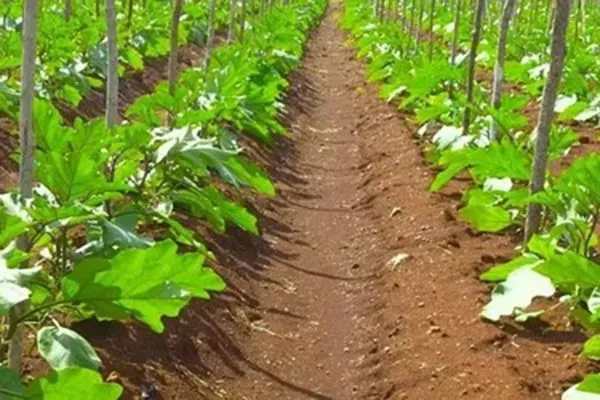
Instructions for growing the crop:
- Sow seeds in pots or containers with fertilized soil to a depth of about 1 cm.
- When seedlings emerge, provide the seedlings with bright light.
- Before planting seedlings in open ground, harden them off by gradually increasing the time they spend outdoors.
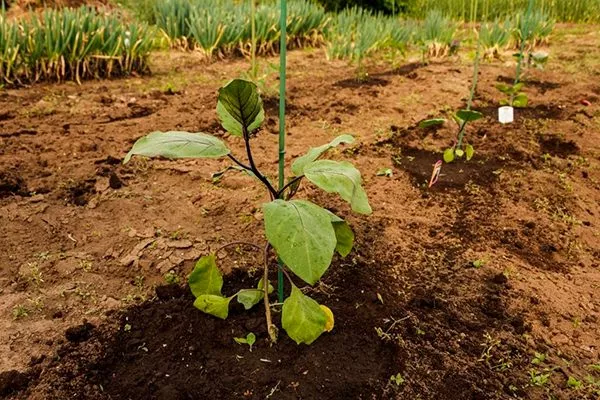
- Plant seedlings in beds or pots after the threat of frost has passed and the soil has warmed up to +15-20°C.
- The distance between bushes should be about 40-50 cm to provide enough space for growth.
Care plays a vital role in the successful growth and development of plants. To ensure a good harvest, follow these agricultural practices:
- Watering. Provide regular watering. Keep the soil moderately moist, avoiding overwatering. It's best to water in the morning or evening to reduce water evaporation.
- Fertilizer. Fertilize your bushes regularly to ensure good growth and development. Use a general-purpose mineral or organic fertilizer, such as compost or humus.
- Weeding and mulching. Maintain the garden bed and remove weeds to prevent them from competing with the blueberries for nutrients. Mulching will help retain moisture, reduce weed growth, and maintain healthy soil.
- Plant support. Due to the weight of the fruit, support may be necessary. Use supports or trellises to prevent stem damage and facilitate harvesting.
- Protection from pests and diseases. Regularly inspect plants for pests and signs of disease. Apply control measures, such as mechanical removal of insects or the use of non-aggressive pesticides.
- Trimming. Prune side shoots to encourage fruit growth and improve air circulation within the plant.
- Harvesting. Eggplants are ready to harvest when their skin is shiny and doesn't spring back when pressed with a finger. Use sharp garden shears or a knife. Carefully trim off the "blue" parts, leaving a short stem end.
Store the fruit at 10-13°C in a cool, dry place. Avoid refrigeration, as cold temperatures can damage them. Use baskets or boxes with ventilation holes for storage to ensure air circulation and prevent rotting.
Reviews
Attention to culture and proper agricultural practices are the key to successful cultivation of Motya eggplants. Positive reviews and excellent characteristics make this variety one of the best options for planting in your own garden.