
Growing eggplants in your garden is no easy task, as the crop is demanding in terms of heat, conditions, and care. Breeders have been developing new varieties and hybrids for many years, striving to improve their characteristics. One of the best hybrids is Samurai's Sword. It boasts high yields and excellent flavor.
Who developed the variety and when?
It was created by breeders V. V. Ognev and N. V. Geraskina in 2015 with the aim of obtaining a high-yielding variety capable of thriving in a temperate climate.
Necessary climatic conditions
The developed hybrid has adapted well not only to southern latitudes but also to the northern regions of the country. It can be successfully cultivated in the Urals, Siberia, the Far East, and the North Caucasus.
Features, pros and cons
Before planting a crop in your garden or homestead, consider its pros and cons. This variety has many advantages:
Description of the plant
It is characterized by bushes up to 60 cm tall. They are compact and covered with medium-sized, dark green leaves. The foliage is smooth and has slightly wavy edges. The stem lacks anthocyanin coloration and is slightly pubescent. The shoots are strong, so staking is not necessary.
- ✓ Drought and heat tolerance, making it ideal for growing in southern regions.
- ✓ Long fruiting period, allowing you to harvest before the first frost.
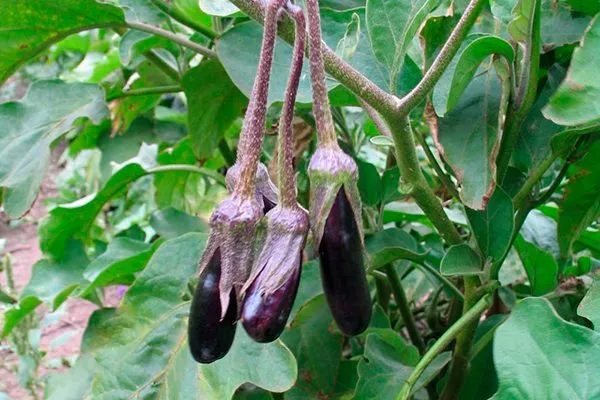
Fruits, their taste and purpose
The elongated fruits average 20-22 cm in length and up to 7 cm in diameter. A ripe fruit can weigh up to 200 g. The skin is glossy and a beautiful dark purple. The flesh is light-colored, with a few seeds.
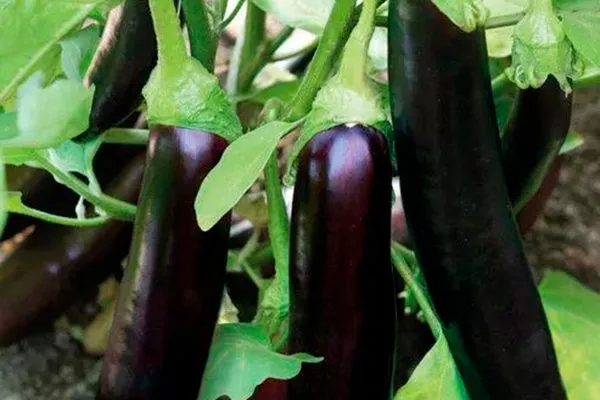
The flavor is pleasant, without bitterness. It's perfect for preparing various hot dishes, including roulades, and pairs perfectly with meat and other vegetables.
Ripening and yield
This is a mid-season variety. It takes approximately 110-120 days from germination to harvest. It is characterized by a long fruiting period, which can continue until the first frost.
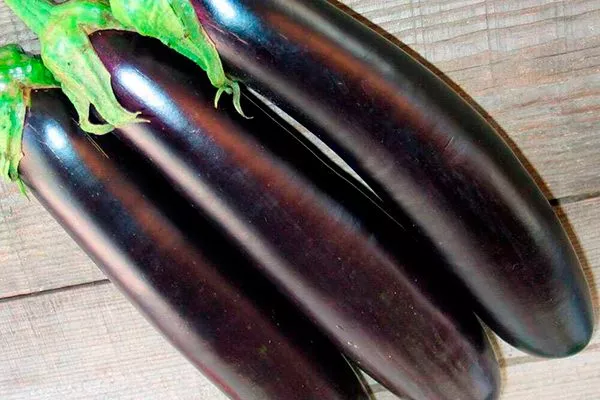
The crop is high-yielding. When grown under plastic, an average yield of 4.3 kg of fruit per square meter can be obtained. With proper agricultural practices, the yield can be increased severalfold.
Planting eggplants
Growing eggplants is a fun activity that requires attention to detail and certain skills. Follow these guidelines:
- Planting date. Plant seedlings outdoors only after the soil warms to 18°C. The plants should be 8-10 weeks old after germination. By this time, the seedlings will be 16 to 25 cm tall. The best time for this is early June.
- Soil composition for planting. The plant thrives in sandy or loamy soil, but can thrive in heavier soils if properly prepared. Before planting, amend the soil with humus and peat (15 kg per square meter), sawdust, or coarse river sand.
- Size of the planting hole. Dig planting holes in the plot. Space them 30-40 cm apart, and make sure their depth is 20-30 mm greater than the height of the container containing the seedlings. The width between rows should be approximately 60 cm.
- Landing site. Choose well-lit areas protected from strong winds. Plant seedlings in soil previously occupied by cabbage, cucumbers, carrots, onions, garlic, zucchini, beans, or peas. Avoid areas previously occupied by peppers, tomatillos, potatoes, tomatoes, or eggplants.
- Required soil. Prepare the soil in advance, in the fall, approximately six months before planting the seedlings, adding fertilizer while digging to the depth of a spade. For improvement, use manure: add fresh manure in the fall and rotted manure in the spring.
In case of poor soil, use fertilizers: add 5 g of urea, 40 g of wood ash, 20 g of potassium sulfate and 20 g of superphosphate per 1 square meter of area. - Preparing and sowing seeds. Sow the seeds in mid-March. Use individual small containers. Before sowing, disinfect the seeds with a potassium permanganate solution. Then, spread them out on a damp cloth. You'll see sprouts appear within a few days.
- ✓ Soil pH should be between 6.0-6.5 for optimal eggplant growth.
- ✓ The soil must be well-drained to avoid waterlogging and root rot.
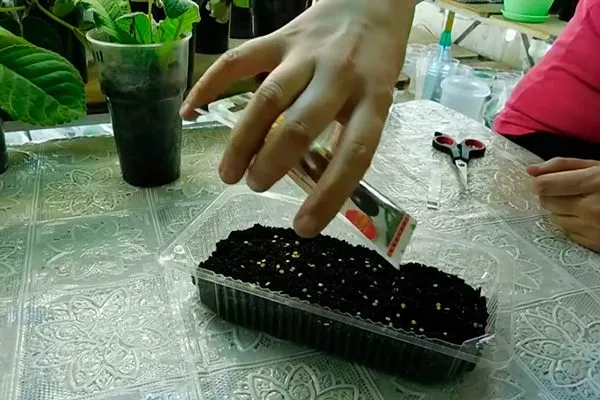
Place the sprouted seeds into the soil to a depth of 1 cm. Initially, place the seedling containers in a cool place to stimulate root development. Then, move them to a warmer location to encourage the development of the green mass, providing additional lighting with special lamps if necessary.
Features of growing Samurai f1 eggplants
The Samurai Sword eggplant is easy to grow, highly tolerant of drought, heat, and extreme weather conditions. Cultivating it in a garden is straightforward, but to ensure a bountiful harvest, consider the following:
- In greenhouse conditions. Prepare the soil. Clear it of plant debris, treat it with a copper sulfate solution, and fertilize with organic and mineral fertilizers. Make sure the soil is well-warmed before planting.
Maintain optimal spacing between plants, water and fertilize them regularly. During fruiting, ensure adequate soil and air humidity in the greenhouse. Monitor the temperature in the greenhouse.

- In open ground. If you're growing seedlings in open beds, transplant them in late May or early June. Choose a well-lit location and provide the same care as in a greenhouse.
- Rules for growing seedlings. Sow seeds in late February or early March. Create optimal conditions for germination by maintaining the correct temperature and soil moisture. After germination, move the seedlings to a well-lit area and continue caring for them, monitoring humidity and temperature.
When two full leaves have formed, transplant the plants into separate pots.
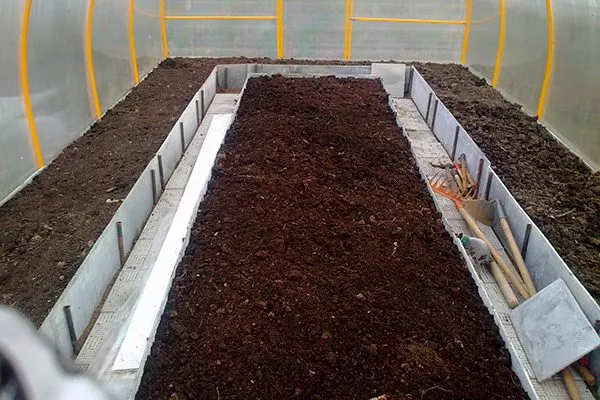
By following these recommendations, you can successfully grow the crop and obtain a bountiful and high-quality harvest.
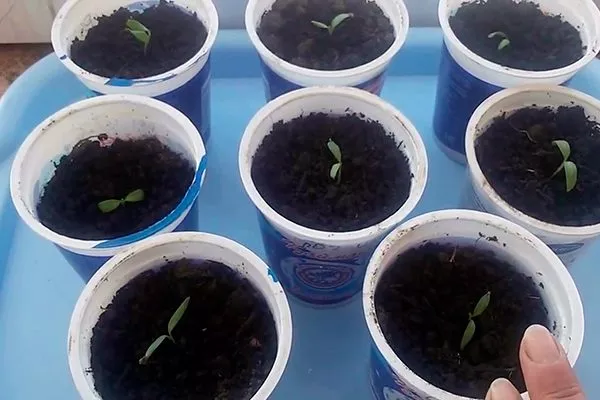
Subtleties of agricultural technology
For successful cultivation, it's important to follow certain care recommendations. Follow these guidelines:
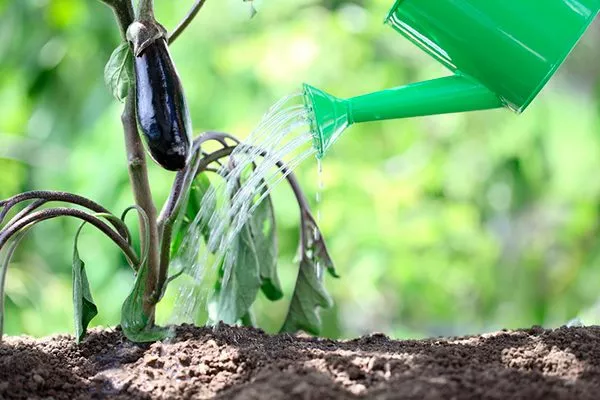
- Watering. After planting, begin watering after 3 days. This variety is resistant to heat and drought, but a lack of moisture can negatively impact yield. Moisten the soil once a week, and during fruiting, increase the frequency to once every 4 days. Avoid overwatering.
- Fertilizers. Apply the first fertilizer at planting, using organic fertilizer. After that, take a two-week break. If the foliage isn't vibrant enough, enrich the soil with nitrogen, such as nitrophoska or ammonium nitrate.
At the beginning of fruit setting, spray the bushes with a solution of boric acid, and during the flowering and fruiting period, feed them with phosphorus-potassium preparations.
Diseases and pests
Eggplants are heat-sensitive, so growing them in temperate climates can be challenging. Poor agricultural practices and unfavorable conditions can lead to stunted plant growth and disease.
The crop can be affected by the following diseases and pests:
- Late blight. It manifests itself as brown spots on leaves, stems, and fruits. These become covered with a white coating. Treat the bushes with copper-based fungicides or copper-based preparations.
- Powdery mildew. A white powdery coating appears on the leaves and stems. The leaves become deformed. For treatment, use sulfur-based fungicides or other active ingredients.
- AphidThese are small insects that live on the underside of leaves. They cause the foliage to curl and become deformed. Use natural or synthetic insecticides.
- Ticks. Small spots appear on the leaves, causing them to turn yellow and fall off. The plants are covered in webbing. Use acaricides or oil solutions to kill the insects.
For effective treatment, it is important to correctly identify the disease or pest and select the appropriate control method.
Reviews
The Samurai Sword variety is an excellent choice for vegetable growers who cultivate eggplants for winter storage or subsequent sale. If certain guidelines are followed, the crop will reward with a bountiful harvest.