
The Matrosik variety of eggplant has become very popular; farmers call it "striped" due to its unusual coloring. The plant boasts excellent agricultural qualities and a unique flavor. However, this variety requires a tailored approach.
Description of the plant and fruits
The Matrosik eggplant is one of the compact varieties of the semi-spreading group. The plant's distinctive features are as follows:
- a small bush, about 80 cm in height, up to 75 cm in diameter;
- the stem is strong;
- leaves are notched, rounded, medium-sized;
- bell-shaped flowers, small, purple hue;
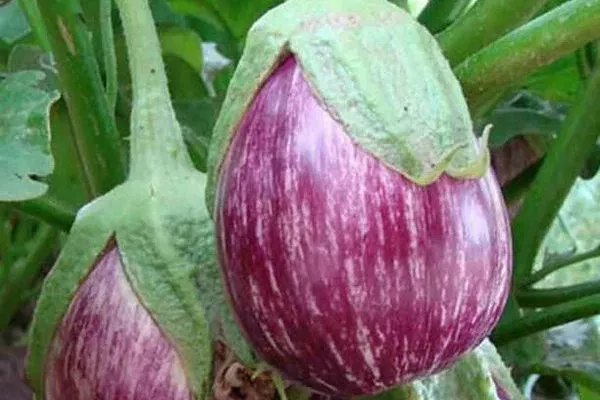
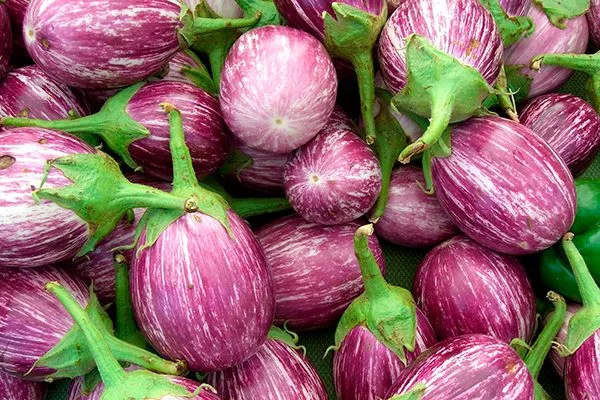
- the fruit is pear-shaped or oval, weighing up to 250 g;
- the color of the fruit is purple with white stripes;
- the stem system is developed and quite strong;
- the pulp is dense, without bitterness.
- ✓ Resistance to short-term temperature drops down to +5°C.
- ✓ High lighting requirements: the minimum daylight hours should be 12 hours.
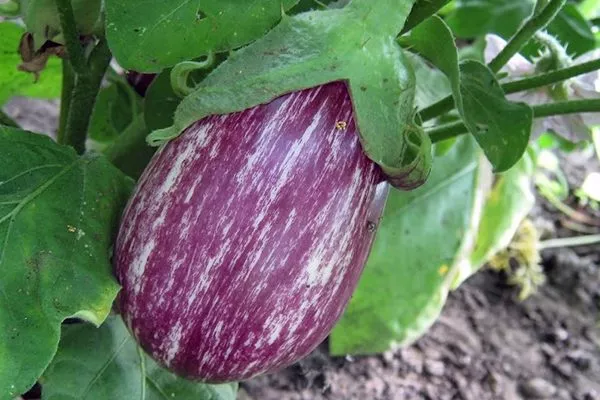
This species is considered one of the most common in agricultural activities, so it is gaining momentum in popularity.
Characteristics of the variety
The variety was bred and approved for use in 2000; its creators were Yu. I. Avdeev, L. M. Ivanova, and O. P. Kigashpaeva.
Productivity and growing conditions
Matrosik is a special variety that has a high yield percentage, is unpretentious and adapts to various climatic conditions.
Technical and agronomic characteristics of the Matrosik variety:
- Productivity. Amounts to 10 kilograms per 1 sq.m.
- Thermophilic. The most comfortable temperature for the plant (for accelerated growth and development) should range from 20 to 30 degrees Celsius. However, it's important to remember that temperature fluctuations can adversely affect the vegetable.
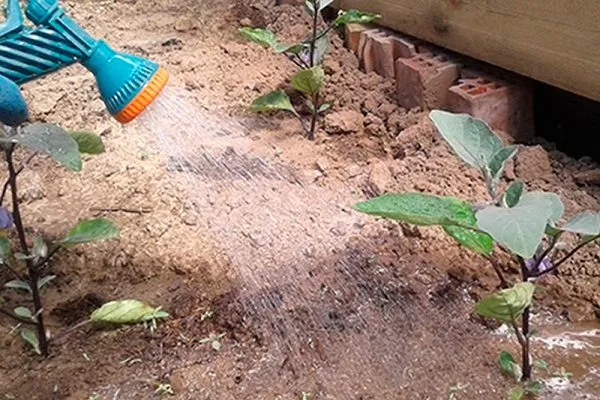
- Humidity. To ensure a good harvest, eggplant should be watered generously; otherwise, if there is insufficient moisture, the flowers and ovaries will begin to dry out and become susceptible to disease.

- Neighborhood. Annuals don't get along well with tomatoes, as tomatoes prefer sun, while eggplants thrive in shade. Potatoes are also considered unfavorable for tomatoes, as they are susceptible to attacks from the Colorado potato beetle, which can destroy the entire harvest.
Purpose and taste
The fruit of the "striped" variety is prized for its lack of bitterness. It can be eaten raw without any heat treatment, as the flesh is quite tender. It is excellent for preserving and in first and second courses.
Ripening time
Eggplant ripens quite early in greenhouse conditions, in about 80-90 days. If grown outdoors, the fruit begins to develop in 100-105 days.
Resistance to diseases and pests
This variety is distinguished by its strong immune system. With proper care, Matrosik exhibits good resistance to various diseases and harmful insects.
But don't leave eggplants unattended until they're fully ripe. Preventative treatments should be carried out using the necessary products, which can be purchased at any gardening store.
Soil requirements
The soil for growing should be as fertile as possible. Well-drained sandy or loamy soil containing plenty of organic matter (manure, compost, and humus) is ideal.
You should know:
- after digging the bed, fertilize with 6 kg of humus and 1 kg of wood ash per 1 sq. m;
- the soil should not be waterlogged;
- Before planting the plant, the soil should be covered with film to warm it up;
- the soil should not have increased acidity, normal pH values are 6.5-7.2;
- loosen the soil before planting;
- The sowing site should not be too sunny and windless.
What are the advantages and disadvantages of the variety?
"Striped" is distinguished by its unique taste and appearance. The plant's skin is glossy and striped. It is undemanding to climate conditions.
Features of cultivation
Matrosik is resistant to temperature fluctuations, but gardeners recommend using seedlings rather than planting seeds in open ground.
- ✓ The optimal soil temperature for planting seeds should not be below 15°C.
- ✓ To prevent fungal diseases, pre-sowing treatment of seeds with biofungicides is recommended.
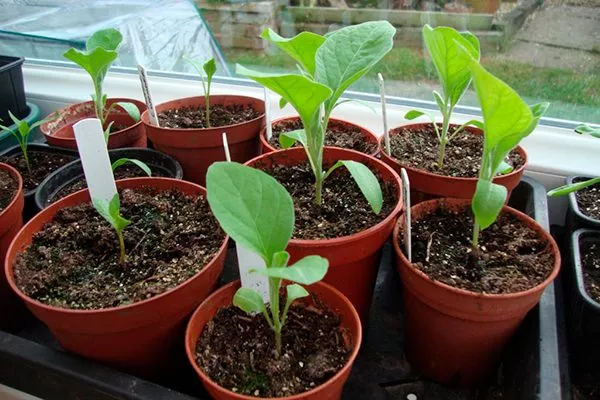
It is better to grow the seed temporarily at home, since there is a risk of frost returning and the planting material may not sprout.
The growing process is as follows:
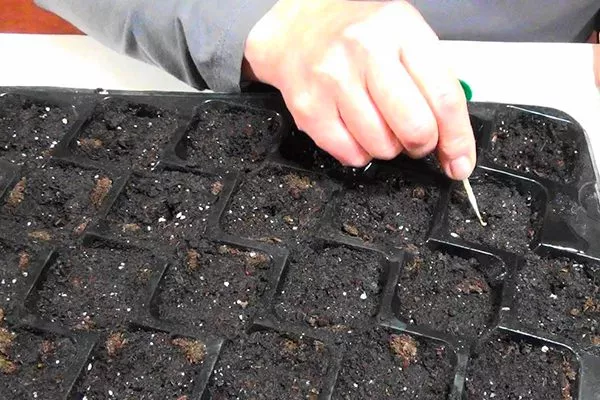
- Selection. For a good harvest, whole, large seeds are best. To do this, you can pour the seeds into a glass of water and let them sit for 24 hours. The empty seeds will float to the surface.
- Disinfection. Before planting, seeds must be soaked in a low concentration manganese-containing solution.
- Processing. The seeds can also be treated with fertilizers that stimulate rapid ripening. These products are available at gardening stores.
Certain rules must be followed:
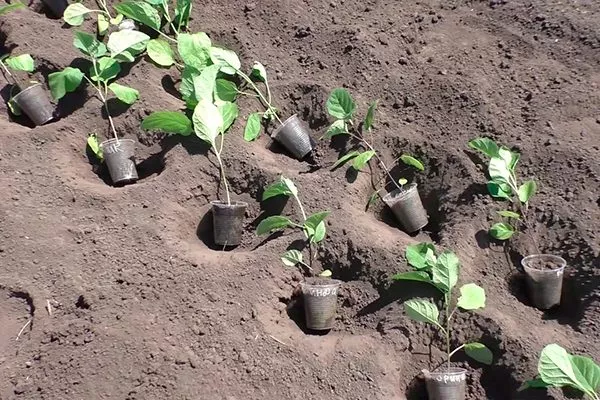
- add water to the dug holes and lightly sprinkle with soil;
- carefully place the plant and bury it, then water it again;
- the distance between seedlings is no more than 40 cm;
- the distance between rows is about 70 cm;
- the depth should not exceed 6-7 cm.
How to care for eggplant?
It's quite challenging for shoots to establish themselves in a new environment. They require special care. Young seedlings are quite vulnerable to the changes of transplantation.
What you should know:
- Pinching. To achieve a shoot height of 30 cm, trim the upper leaves and trunk. Leave five dormant buds on the sides, and remove the rest.
- Weeding. It's important to frequently remove excess weeds from the area around eggplants, as the plant dislikes being planted next to other crops. Furthermore, weeds can promote disease and attract harmful insects.
- Watering. Water with warm water at least twice a week until flowers appear. After the plant flowers and produces fruit, deepen the soil around the trunk a little, then shade the area to prevent new shoots from being exposed to direct sunlight.
- Loosening. This procedure should be performed frequently to prevent lumps from forming. This will ensure oxygen supply to the root system.
- Top dressing. Before planting young shoots, add humus to the hole. Wood ash and nitrophoska are also suitable. After the ovaries appear, feed the eggplant with Agricola. During fruit formation, use minerals and natural organic matter.
Bush formation
Once the bush reaches 30 cm, pinch the top and remove excess branches and leaves. This should be done every 2-3 weeks.
Diseases and pests
Eggplant bushes are often infested by harmful insects, which can destroy the plant within days.
Dangerous pests are:
- Colorado beetle. Chemicals and wormwood infusion will help to cope; treatment is carried out by spraying.
- Spider mite. The plant is treated with dandelion or onion infusion. The solution should be applied to the underside of the leaves and the stem.
- Bug. A mixture of insecticidal soap and neem oil works well. Spray the leaves only in the evenings (when the insects are most active).
How and when to harvest?
To determine the ripeness of a vegetable, consider the growing season of the variety. You can check the ripeness of an eggplant as follows:
- Press your finger on the fruit - if there is an indentation on the skin, then it is ready to be picked;
- the size must correspond to the selected variety;
- the skin acquires the desired color.
Further storage
Following proper storage guidelines will extend the shelf life of eggplant. To do this:
- select only healthy and large fruits that are free from damage (spots, rot, cracks);
- Place only in wooden containers, as they are more environmentally friendly;
- Place straw inside each layer of vegetables;
- Store in a cool place.
Review of reviews
The Matrosik eggplant is gaining popularity in agriculture due to its easy care, high yields, and unique flavor. It has a long shelf life under appropriate conditions, is easy to transport, and has good disease resistance.