
Eggplants are a crop that prefers warmth and regular watering when growing. There are varieties that don't meet these generally accepted criteria. Agronomists highlight the popular hybrid "King of the North," which is cold-hardy and requires little attention.
Who developed the variety and when?
The creator of this hybrid is not mentioned in any available sources. The variety is relatively young and has not yet been entered into the State Register, meaning it lacks official zoning.
Description of eggplant
King of the North is a significant breeding achievement, appreciated by thousands of gardeners. The variety boasts numerous unique characteristics:
- Pleases with a large number of beautiful shiny fruits with tender flesh.
- Due to its hybrid origin, it is more resistant to diseases than its varietal relatives.
- It is considered one of the earliest species.
- It thrives both in open ground and in greenhouse conditions, providing equally good yields.
- It does not require excessive attention and care, which makes it possible to devote time to more capricious plants.
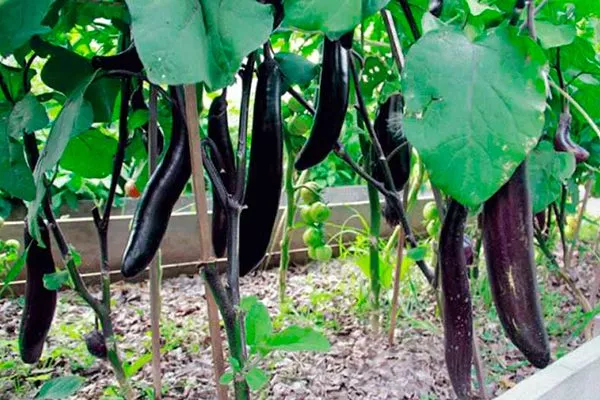
When growing, keep in mind only two negative aspects: the vegetables have a long shape, which sometimes leads to them falling to the ground and becoming contaminated, and due to their hybrid origin, it is impossible to collect seeds.
Distinctive features
It was specifically developed for cultivation in regions with unpredictable agricultural conditions. It is successfully grown in various regions of the country. It is highly cold-resistant. Excessively hot climates negatively affect the crop. Drought and high temperatures significantly complicate cultivation.
It prefers cool climates and is ideal for growing in central Russia and the north. It is successfully cultivated in the Urals, Siberia, Central Russia, and the Northwest region.
Characteristics
The King of the North attracts attention with his outward appearance. He possesses the following characteristics:
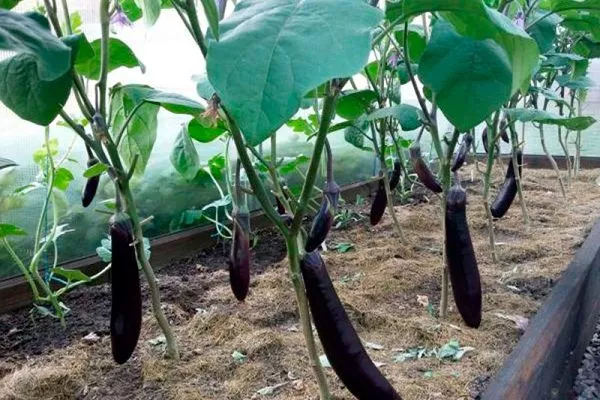
- The average height of the bushes is approximately 50 cm. The branches and stems are strong and thick. In open ground, they require no staking or additional care, but in greenhouses they can grow in width and height, so it's best to tie them up to prevent deformation due to heavy loads.
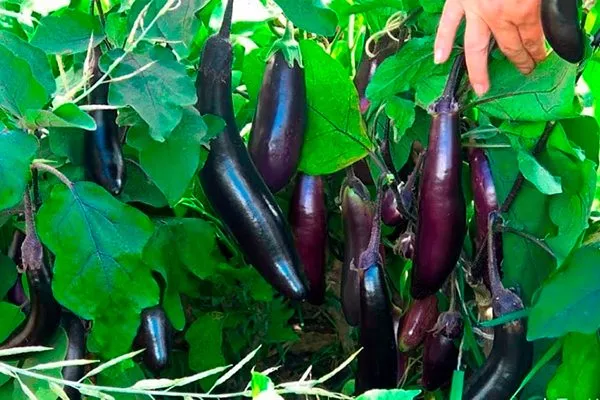
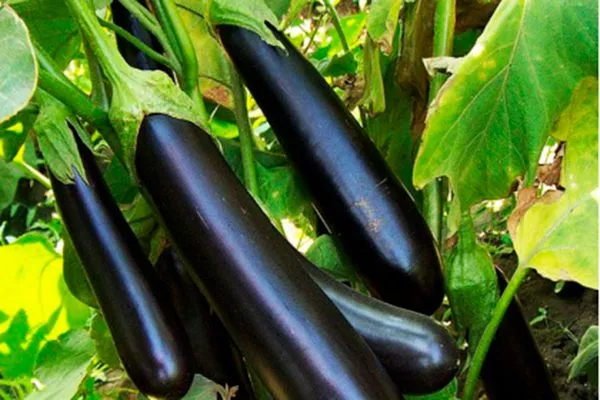
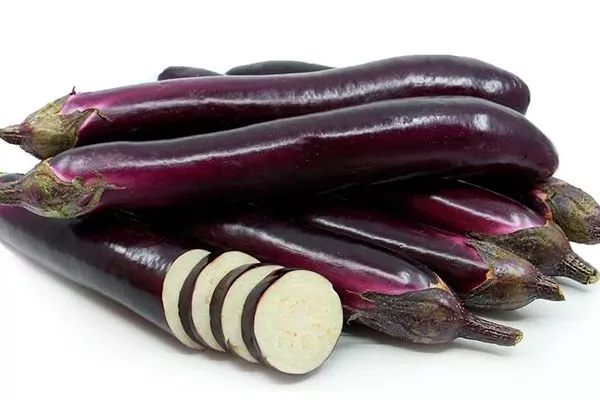
- The fruits have purple skin and are fairly long (up to 30-40 cm) but narrow. Due to the short stature of the bushes, the "blue ones" often touch the ground. The average weight is about 300 g.
- The flesh is white and juicy, with a mild, non-bitter flavor. The vegetables do not require pre-soaking.
How to grow it yourself?
Proper seed preparation, proper planting, fertilization, and disease prevention are essential for ensuring high-quality seedlings and a bountiful harvest. Advice from experienced agronomists will help you successfully grow your crop.
Preparing seeds and growing seedlings
The seeds are characterized by high germination rates, reaching an average of 70%. To further increase this rate, perform a special seed treatment:
- Start preparation by warming them up by placing them in cheesecloth and immersing them in warm water (up to +40°C) to avoid overheating.
- Disinfect with a weak solution of potassium permanganate, then rinse them under running water and dry at room temperature on paper napkins or towels.
- To harden the planting material, place it in the refrigerator overnight.
- Move to a warm place for a week.
- Wrap the processed material in a wet, warm cloth and wait until the grains sprout, placing the cloth on a saucer next to the radiator.
- Sow the seeds in peat pots or boxes filled with special soil, either homemade or store-bought. Mix 2 parts compost, 2 parts peat, 1 part sand, and 1 part soil. To prevent disease, add crushed activated charcoal, ash, and chalk.
- Heat the soil mixture in the oven, freeze it, or steam it. Moisten the soil moderately before sowing.
- Spread the seeds over the surface of the soil without digging them in deep, and cover with soil. Cover the seed trays with plastic wrap and place them in a warm place, preferably with under-heating.
Transfer
Carry out the procedure at 60-65 days of age, when the soil warms up to 15°C. Beforehand, dig and loosen the soil. In northern regions, to improve growing conditions, the beds can be "insulated" by adding humus or creating an additional layer of sawdust or straw above the soil.
- ✓ The optimal soil temperature for transplanting seedlings should be no lower than +15°C, which is critical for avoiding stress in plants.
- ✓ The distance between bushes when planting should be at least 50 cm to ensure sufficient space for growth and development.
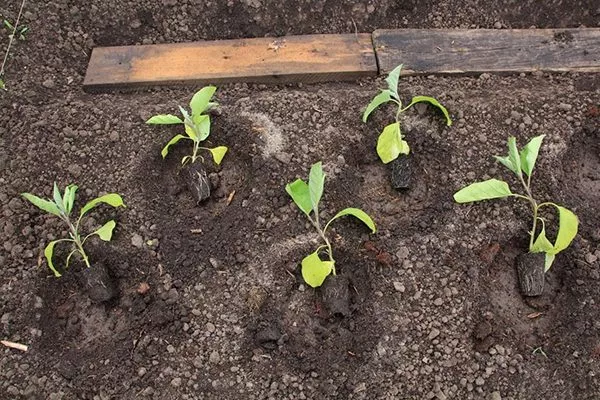
Choose a wind-protected location for planting, as this plant does not tolerate excessive moisture or drafts. Due to the compact nature of the plants, space them approximately 50 cm apart. This will help them thrive and receive enough light and nutrients for successful growth and harvest.
Further care
After planting, ensure proper care for the plants. This includes the following:
- Watering. Regular, moderate watering is essential. Bushes need moisture, especially during dry periods. Water them in the morning or evening, avoiding contact with the leaves to prevent fungal diseases.
Monitor soil moisture and respond to changes by adjusting your watering schedule based on weather conditions. - Mulching. This procedure will help retain soil moisture, reduce weed growth, and protect plant roots from overheating. Use straw, sawdust, peat, compost, or specialized organic materials as mulch.
- Top dressing. Regular fertilization will help the plants develop and produce a high-quality harvest. Fertilize throughout the growing season, starting from the moment they are planted. Use complex mineral or organic fertilizers, such as humus or compost.
By following care recommendations after planting, you can ensure optimal conditions for strong immunity and regular fruiting.
Features of cultivation and possible difficulties
Long "blue" stems often reach the ground, which can lead to contamination and rotting. To prevent this, mulch the beds and add boards. To ensure a bountiful harvest in infertile areas, fertilize the crop with phosphates and potassium sulfates every two weeks.
After fertilizing, water the bushes to avoid burning the roots. Instead of using complex fertilizers, you can use cow manure or bird droppings diluted in water.
Typical diseases and pests
It is resistant to major crop diseases thanks to its hybrid qualities and pre-plant seed treatment. If there is frequent rainfall, additionally treat the plants with wood ash and crushed chalk, and apply fungicides to protect against diseases.
With excess moisture and extreme heat, the bushes will be susceptible to the following diseases:
- black bacterial spot;
- tobacco mosaic;
- late blight;
- gray rot.
Eggplants can be attacked by various pests, including aphids, slugs, mole crickets, and spider mites. If insect infestations are severe, treat the plants with chemicals such as Malathion, Strela, or Fitoverm.
Harvesting and use of the crop
Eggplants are flavorful and low-calorie vegetables. Thanks to the high yields of hybrid varieties, just a few plants can provide the entire family with nutritious fruit throughout the summer and a winter supply.
In summer, vegetables are prepared by stewing or frying. They are served as a stand-alone dish with herbs and sauces, or with side dishes of grains and other vegetables. They are especially delicious paired with grilled meat or added to salads. For dietary purposes, blue cauliflower is often used boiled.
In winter, vegetables are pickled and stewed. They are used to make caviar, sauté, salads, and are added to adjika and other preserves. Fresh eggplants can be stored for up to a month in a cool place. Chopped vegetables are frozen and stored in the freezer throughout the winter.
Advantages and disadvantages
Before planting a new variety in your garden, consider its pros and cons. King of the North has many advantages:
Reviews
Growing eggplants in the central part of Russia can be challenging. The crop requires optimal temperatures, fertile soil, and careful care to ripen. Thanks to selective breeding, the King of the North variety has been developed, capable of producing a good harvest even in previously difficult conditions.