
The "King of the Market" eggplant is an easy-to-grow hybrid variety that is resistant to diseases and temperature fluctuations. It is popular with gardeners who value their hard work and strive for a high-quality harvest. Proper care will ensure a pleasant and rewarding growing experience.
Who developed the variety and when?
A hybrid resulting from crossing the Mechta and Prince varieties, it inherits the best qualities of its parents: disease resistance and good tolerance to cold climates. The hybrid was developed by specialists from the agronomic company "NK Russkiy Gorod."
Where is it grown?
It's easy to grow, making it an ideal choice for gardeners anywhere in Russia. It's suitable for both greenhouse and open-ground cultivation.
Description of the plant
Many agronomists have already appreciated the variety's merits and regularly grow it in their plots. The hybrid boasts large, full-ripening fruits.
What does the bush look like?
It grows as low, sturdy bushes with strong stems. In greenhouses, they reach a height of 65-75 cm, while in open ground, shoots grow up to 50 cm. The crown is semi-spreading and compact, allowing for close spacing between plants.
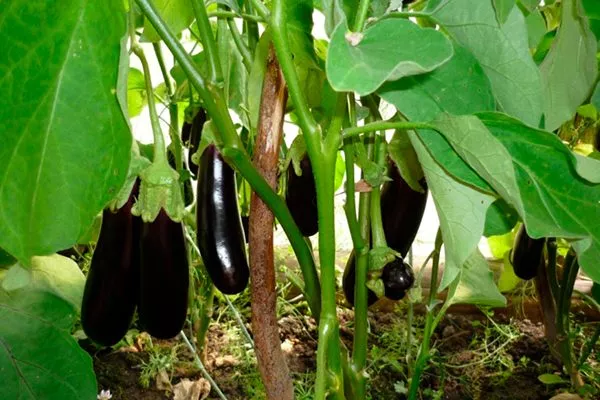
The medium-sized leaves have a purple tint along the veins. The stems are hairy but thornless, making them easy to harvest with a knife.
- ✓ The presence of a purple tint in the veins of the leaves is a unique characteristic of the variety.
- ✓ The absence of thorns on the stems makes harvesting easier.
Fruits, their taste and purpose
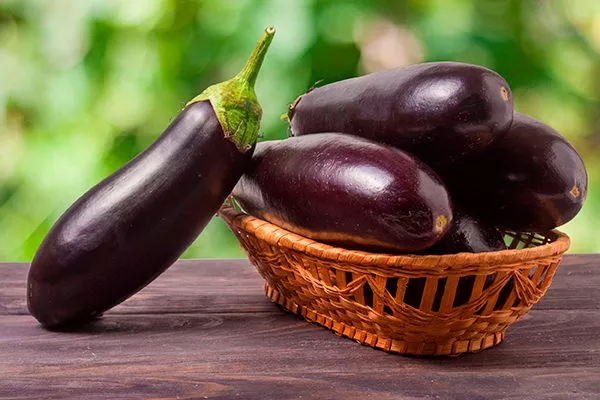
The cultivar is distinguished by its large, cylindrical fruits, which have a dark purple hue and a smooth, shiny surface. The average weight is 200 g, with a maximum of 500 g. The length varies between 20-24 cm.
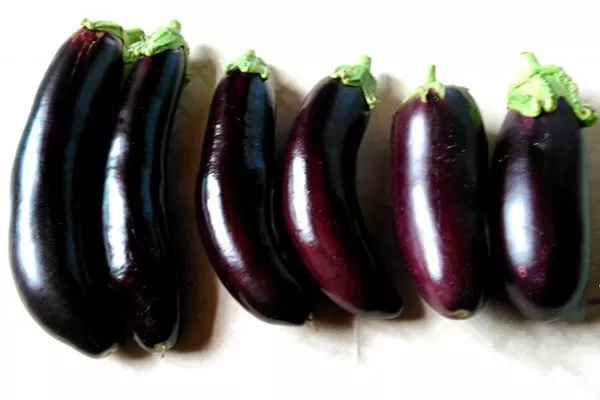
The flesh is firm but has an excellent flavor. Market King vegetables retain their freshness for a long time when stored properly.
Ripening and yield
It's considered an early variety, maturing 100-110 days after planting. The average yield is up to 10 kg per square meter.
Resistance to diseases and pests
The variety has good resistance to most diseases, but eggplants are often attacked by aphids and the Colorado potato beetle. Therefore, it is important to constantly monitor the plants' health.
Varietal advantages and disadvantages
The hybrid is popular among gardeners due to its numerous advantages. Its positive qualities include:
Features of cultivation
Growing "blue" peas consists of two main stages: sowing seeds for seedlings and planting the seedlings in the ground or a greenhouse. Residents of southern regions can sow seeds directly into the soil. In other regions, seedlings must be grown starting in late February.
Growing seedlings
The best way to plant seeds is in individual cups, which will significantly simplify subsequent transplanting of the seedlings into the soil. Peat pellets are also acceptable. Prepare the soil using the following ratio: one part compost to two parts turf, adding a small amount of peat.
- ✓ Soil pH should be between 6.0-6.5 for optimal seedling growth.
- ✓ The soil temperature for sowing seeds should not be below +22°C.
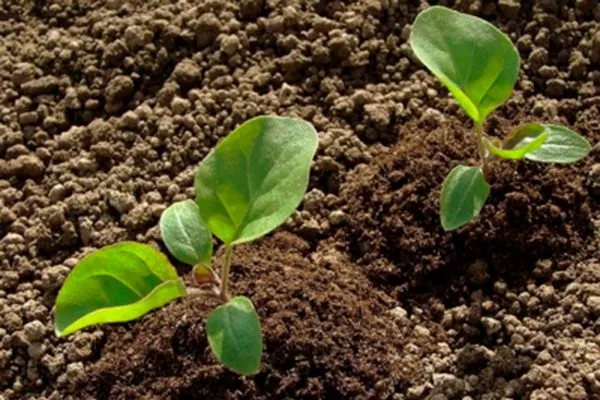
The plant prefers loose soil, so the use of peat is essential. Before planting, test the seeds for germination by placing them in a container of warm water – good seeds should sink to the bottom. To disinfect them, treat them with a special growth stimulant.
After this, follow the standard scheme:
- If there is insufficient light, use additional lighting.
- Provide warm temperatures during the day and cooler temperatures at night.
- Water regularly with warm water, avoiding cold water.
Place the seeds 1 cm deep and cover with plastic wrap or glass to maintain the required humidity. Expect the first shoots to appear within a week.
Moving to open ground
Blue jasmine are extremely sensitive to heat, so transplant them outdoors only in June, when the soil has warmed up sufficiently. When choosing a location for a future garden bed, consider several criteria:
- In the last 1-2 years, potatoes, eggplants, tomatoes or other representatives of the nightshade family should not be grown in the selected area.
- The location should be well lit, but protected from direct sunlight.
- As closed as possible from drafts.
- Located at least 1.5 m above the groundwater level.
- The soil should be loose and fertilized.
If planted too close together, the harvest may suffer because the plants won't receive enough sunlight. To improve the soil, enrich it with ash and mineral supplements.
How to care for it in open ground?
To ensure successful seedling adaptation, water them generously immediately after transplanting and cover them with plastic film to create a greenhouse effect. Signs of moisture stress may include drooping leaves and yellowing of the "blue" leaves.
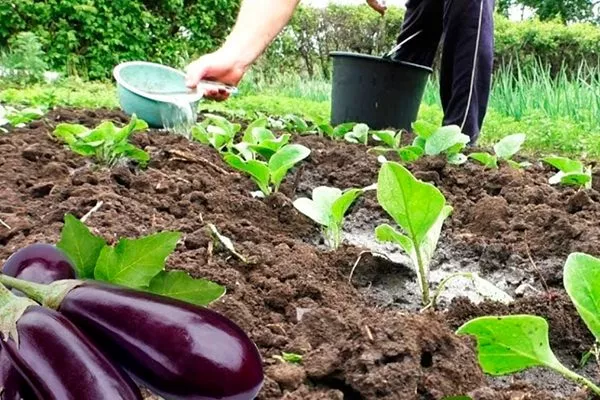
Helpful care tips:
- Water with warm water, carefully at the roots, avoiding contact with the leaves.
- During the season, apply 3-4 applications of complex fertilizer containing microelements and minerals. Be careful not to overdo it, as too much organic matter can negatively impact the quality of the future harvest.
- As the shoots grow, tie them up to prevent them from breaking under the weight of the harvest. Agronomists recommend weeding, carefully loosening the soil around the bushes, and regularly inspecting the plants for diseases and pests.
Vegetables can be quite long and touch the ground, so line the bed with straw or a special material to prevent possible rot and preserve the harvest.
Diseases and pests: control and prevention
Despite the Market King's resistance to diseases and pests, there is a risk of their occurrence. Eggplants are susceptible to the following diseases:
- Blackleg.It manifests itself as darkening and destruction of the root collar. Remove affected plants from the garden bed immediately, loosen the soil around the planting site, and sprinkle it with ash.
- Late blight.Characterized by the appearance of dark spots on the lower leaves, fruits, and inflorescences. For treatment, use copper-containing products.
Among the pests that threaten crops, the following are distinguished:
- aphids;
- Colorado potato beetle;
- naked slug.
When to harvest?
Ripening occurs over the course of 2.5-3 months. This is a gradual process, so pick ripe fruits selectively every 3-4 days to encourage new fruit set. When harvesting, trim the fruits with a knife, leaving a 3-5 cm stem.
Storage and use
To store blueberries, choose a dark, cool place with high humidity. Under these conditions, the fruits can be stored for up to two months. If left in a room with humidity below 80%, their skin will wrinkle and the flesh will lose its juiciness.
Purple fruits are versatile in cooking. They can be fried, stewed, added to vegetable stews, and canned. They are also used to make delicious caviar, salads, and appetizers. Eggplants can be frozen, preserving their nutritional value throughout the winter. This variety is highly prized by both amateur gardeners and large greenhouse owners.
Reviews
The King of the Market eggplant is a variety with numerous advantages. General care includes careful watering, fertilizing, staking, and regular weeding. Meticulous attention to detail will ensure a bountiful harvest of delicious and healthy vegetables.