
Properly managed eggplant watering not only maintains plant health but also significantly increases yield. Maintaining a consistent watering schedule, using warm water, watering precisely at the roots, and taking weather conditions into account all contribute to proper fruit development. It's important to adjust the watering schedule as needed.
What should you consider when watering eggplants?
When watering crops, it's important to consider key aspects. The key rule is to tailor irrigation to specific conditions: consider the crop's characteristics, weather conditions, and soil structure and moisture.
The main factors influencing the frequency of watering eggplants
Plant health, fruit set, and overall yield depend on regular and proper irrigation. However, the frequency cannot be the same in all conditions; it must be adjusted to the specific situation.
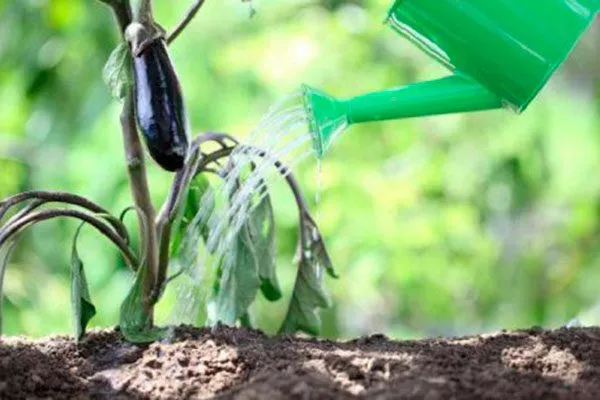
What factors influence the frequency of watering eggplants:
- Weather conditions. On hot and dry days, plants need more frequent watering—sometimes every other day or even daily. In cloudy and cool weather, increase the interval between waterings to avoid overwatering.
- Plant growth phase. During the seedling stage, water the eggplants moderately, avoiding stagnant water. During flowering and fruit formation, water requirements increase – this is the most moisture-requiring period.
- Soil type and structure. Light, sandy soils lose moisture quickly and therefore require more frequent watering. Heavy clay and loamy soils retain water longer, so less frequent watering is necessary.
- Growing conditions. In a greenhouse, humidity is higher and evaporation is slower. Watering can be done less frequently, but it's important to regulate the process to prevent disease. Eggplants lose moisture more quickly in the open ground.
- Age of the plant. Young seedlings are particularly sensitive to moisture stress and require regular but moderate watering. Mature plants have a more developed root system and can better tolerate short periods of drought.
- Condition of plant and soil. If the soil cracks or the leaves wilt, this is a sign that the plant needs watering. However, if the soil is too wet, the leaves will turn yellow and may fall off, indicating overwatering. Water application should be targeted and based on observation.
What kind of water should I use for watering?
When watering eggplants, it's important to use only warm water, preferably sun-warmed. Ideally, rainwater or well-settled water with a temperature of around 25–30°C is best.
Watering with cold water, especially directly from a hose, is strictly prohibited. Sudden temperature changes can stress plants, causing them to drop flowers and ovaries, slow growth, and, in severe cases, damage the root system, even leading to root rot.
The best time for the procedure
Weather conditions vary significantly across the country. While the European part of Russia remains cool, temperatures in Siberia can reach 27–30°C. Therefore, eggplant watering schedules should be tailored individually, taking into account the temperature, humidity, and precipitation in your region.
Basic rules:
- During the rainy season You don't have to add water to the beds at all - excess moisture will only do harm.
- During heat and drought Eggplants require more frequent watering, especially during the flowering and fruiting phases.
One deep, thorough watering is much more beneficial than several shallow soakings. The moisture should penetrate the soil to a depth of 20-25 cm, where the plant's main roots are located.
Also consider the type of soil on the site:
- sandy – quickly loses moisture, requires more frequent but moderate watering;
- clayey – retains moisture longer, so watering is needed less frequently to avoid over-watering.
Optimal watering regime for eggplants
Eggplant watering should be tailored to the plant's physiological needs. Mistakes early on slow rooting, while excess moisture during the fruiting period can cause fruit rot and reduce yield.
Main periods:
- Seedling stage. At this stage, moderate and careful watering is essential. The soil should remain slightly moist, but not stagnant. Water the seedlings every 4-5 days, early in the morning, at the roots, using warm water (20…22°C). Excessive moisture can lead to blackleg disease and the death of young plants.

- Rooting period after planting. For the first 5-7 days after transplanting into open ground or a greenhouse, keep watering to a minimum. Add water only when the soil begins to dry out.
When new leaves appear, indicating establishment, gradually increase the watering amount. During this time, it's especially important not to overwater the root system to avoid disrupting its development. - Stage of active growth and flowering. Plants become sensitive to drying out. Water regularly – every 2-3 days, 1.5-2 liters per plant. Sudden fluctuations in humidity are unacceptable, as they can cause flower drop and reduce fruit set.
- Fruiting period. At this time, moisture requirements are at their highest. Water more frequently—every other day or daily in hot weather—but avoid overwatering. Excessive watering can cause fungal diseases and fruit cracking.
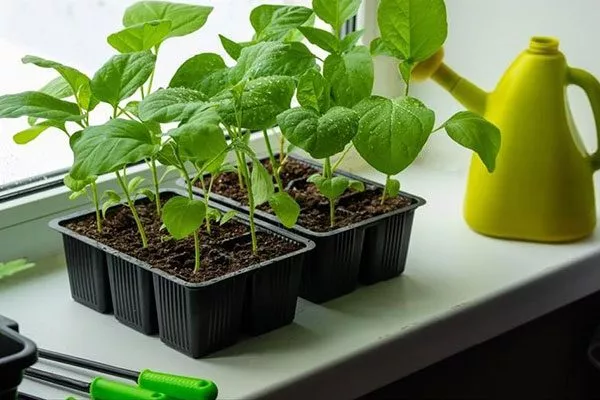
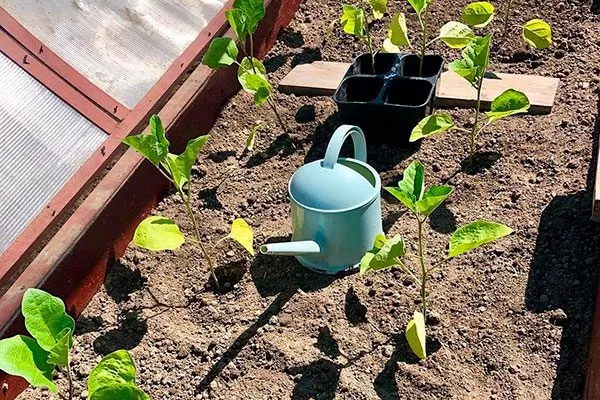
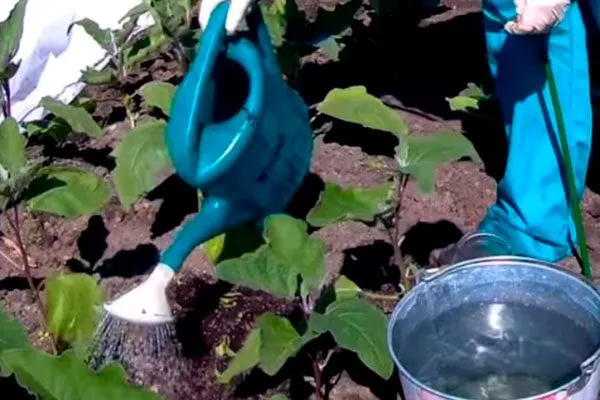
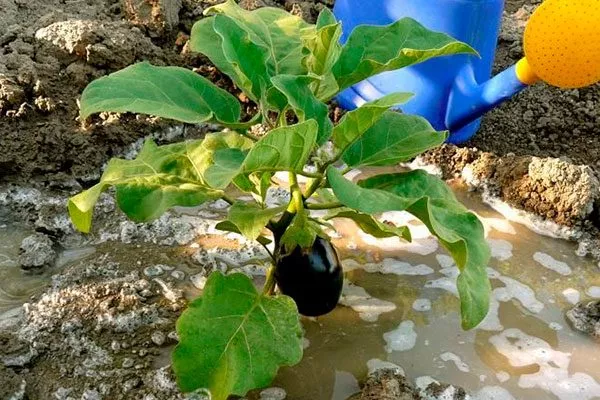
Please consider the following recommendations:
- water strictly at the roots, without wetting the leaves;
- do not water in the evening – the moisture should have time to be absorbed before nightfall;
- When mulching the soil, you can reduce the frequency of watering, as moisture is retained longer.
Proper irrigation not only protects eggplants from disease but also promotes the formation of smooth, fleshy fruits. Moisture balance is a key factor in growing this crop.
How to check the condition of the soil?
The soil may appear dry, but this doesn't always reflect its actual condition. To accurately determine your eggplant's watering needs, check the soil moisture at depth: simply insert your finger 2-3 cm into the soil. If it's dry, it's time to water.
A few hours after watering, be sure to loosen the soil around the bushes. This not only improves oxygen access to the root system but also reduces the risk of cutworms, a pest that damages stems and can spoil the fruit.
Watering methods
Eggplants are moisture-loving plants, so they require regular watering. There are several watering methods, and each can be convenient for gardeners.
Manual watering
This method is especially convenient for watering small beds. For manual irrigation, watering cans or buckets with a capacity of about 10 liters are typically used—this amount is enough to moisten 1 square meter.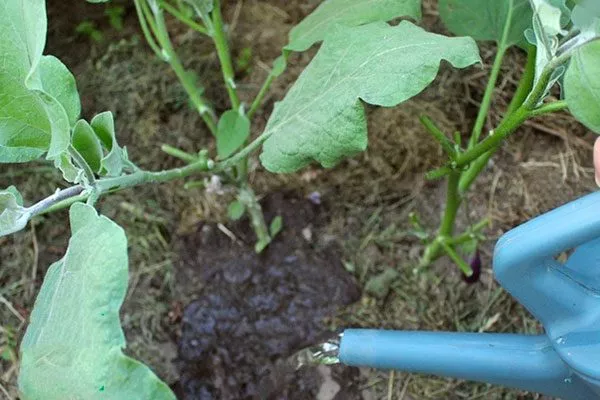
In addition, manual watering is convenient when applying liquid fertilizers, as it allows you to accurately dose the composition and direct it directly to the roots.
From the hose
Irrigating with a hose significantly simplifies garden maintenance and allows for quick and even soil moistening. However, it's important to keep in mind that tap or well water is usually cold, especially early in the season.
Using such water can:
- cause stress to eggplants;
- weaken the immunity of plants;
- provoke the development of diseases.
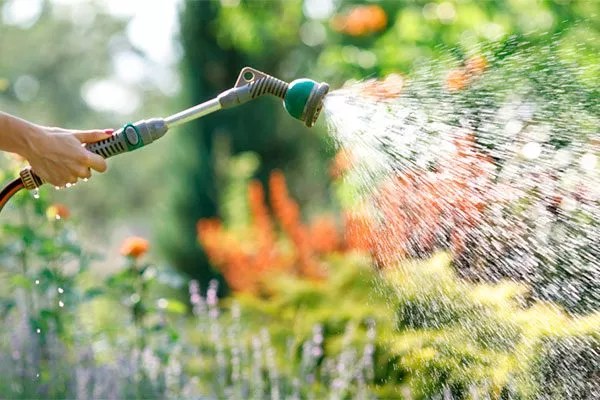
Therefore, before watering, it is advisable to let the water settle and warm it up to a comfortable temperature.
Drip irrigation
One of the most effective ways to irrigate eggplants is using a drip system. Specialty stores offer a wide selection of special tapes that ensure uniform water flow to each plant.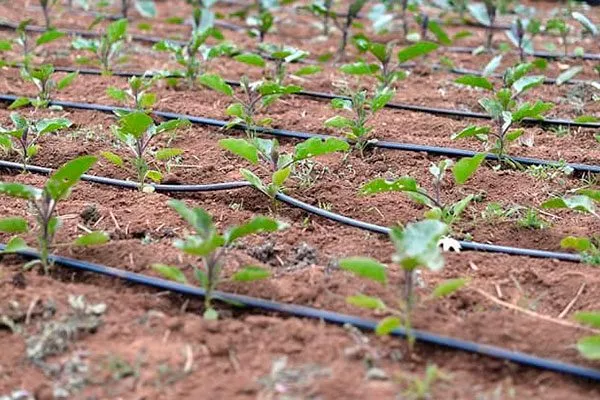
The main advantage of this method is precise water distribution, ensuring each plant receives an equal amount of water. Although the systems themselves are relatively inexpensive, their installation requires a certain amount of effort and time. Drip tapes can be connected to both the water supply and large water tanks.
Step-by-step instructions for watering eggplants
To achieve the best results when irrigating crops, it is recommended to follow a specific procedure. Helpful tips:
- Check the soil moisture – Use a moisture meter or simply stick your finger into the soil to determine the moisture level.
- Prepare water – The optimal temperature for watering is about +20-22°C.
- Water evenly - Moisten the soil around the entire perimeter of the root system so that the liquid reaches all the roots.
- Control the volume of water – Adult plants require approximately 5-10 liters per 1 sq. m.
- Take weather conditions into account – During rain or high humidity, reduce the frequency of watering to avoid over-watering.
How often should eggplants be watered depending on their growth stage?
The frequency and volume of eggplant irrigation depend on their developmental stage. Young plants require moderate and infrequent watering, while as the fruit sets, watering becomes more intensive and regular.
When the first shoots appear
Once sprouts appear, avoid overwatering the soil. Excess moisture can lead to the development of blackleg, a disease that can destroy young plants in just a few days.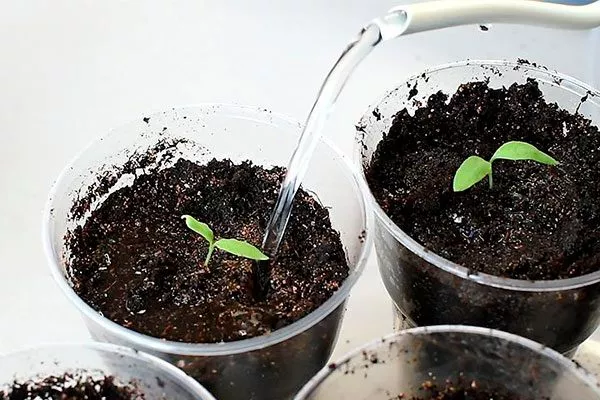
From the moment the seedlings emerge until two full leaves have formed, adhere to the following rules:
- irrigate carefully, mainly between rows and at the roots;
- Make sure that water does not come into contact with the leaves and stems;
- Humidification should be moderate – avoid the formation of dirt and stagnation of moisture;
- Make sure the top layer of soil is dry before watering.
If you want to reduce the frequency of watering, cover the seedlings with plastic film to create a greenhouse effect. Remove the film every two days to allow air to circulate.
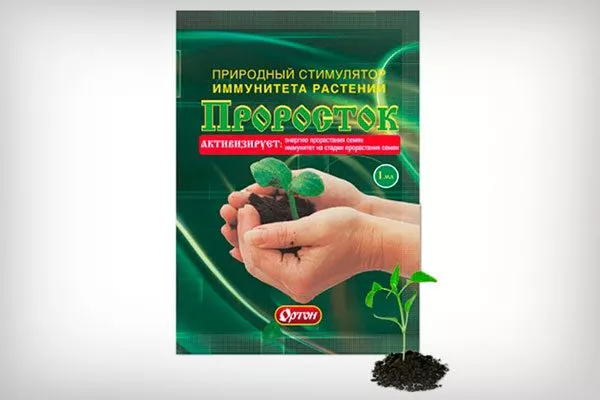
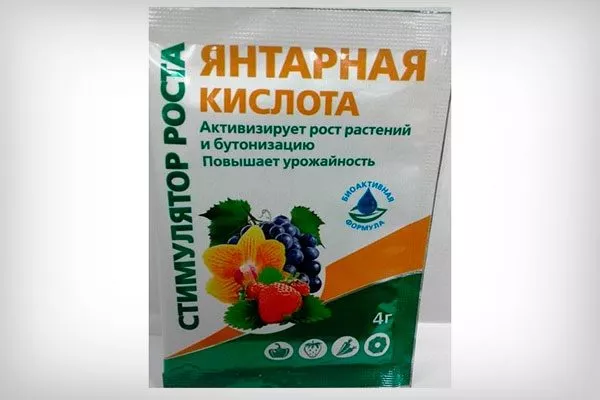
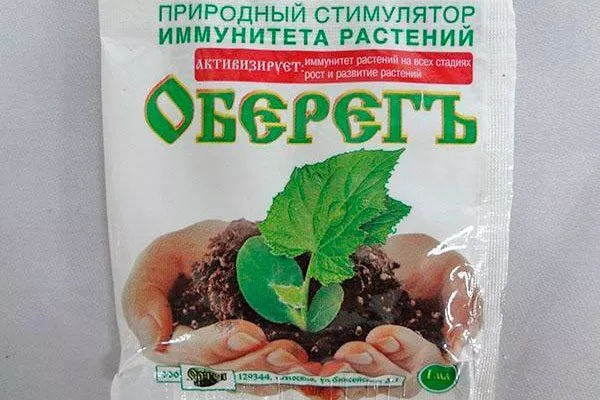
To improve the immunity of seedlings, it is recommended to soak the seeds in the following preparations before planting:
- Sprout;
- succinic acid;
- Amulet.
After transplanting into open ground or a greenhouse
After transplanting eggplant seedlings to their permanent location, it's important to carefully monitor the soil. The soil should remain constantly moist until the plants fully acclimate to the new conditions. Water as soon as the top layer of soil begins to dry out.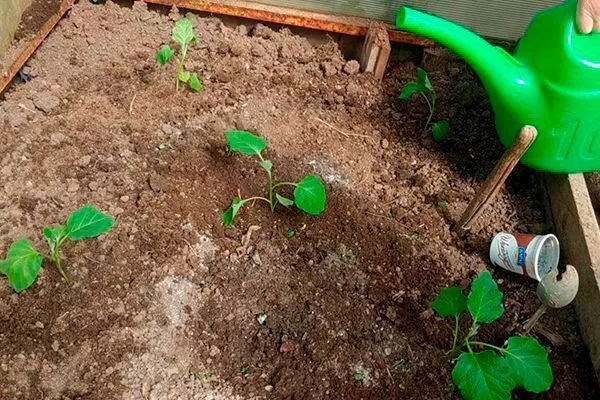
Successful establishment is indicated by the emergence of new shoots and active growth of foliage. To accelerate adaptation and reduce stress on the plants, it is recommended to treat the seedlings with Zhiva.
During flowering
Don't water eggplants directly on the foliage. Apply water only at the roots. During the flowering period, water the plants every 3 days.
In extreme heat, you can moisten the soil daily, using about 2 liters of water for each bush.
During the period of fruit formation
In July, eggplants begin to produce ovaries and vegetables, so it's recommended to reduce watering frequency to twice a week. Maintain this schedule throughout the season—in July and August. At the end of summer, reduce watering frequency to once a week.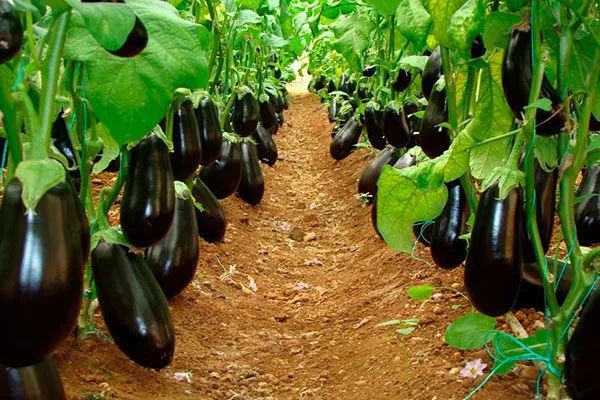
During flowering and fruiting, plants require additional feeding. Organic fertilizers such as cow manure and bird droppings are good choices. To stimulate fruit formation, treat the crop with the biological product Zavyaz (Ovary), which improves fruit set and increases yield.
Common mistakes when watering eggplants
Many gardeners face various challenges that negatively impact their harvest. The main problems are:
- watering with cold water causes stress in plants and slows down the development of the root system;
- Watering the leaves increases the risk of fungal diseases;
- Irregular watering leads to cracking of fruits and deterioration of their quality;
- Excessive watering can cause root rot and the development of root rot.
Modern irrigation technologies
Modern solutions for automated eggplant irrigation are available on the market today. One popular innovation is the "Smart Irrigation" system, which uses soil moisture sensors and software control.
This system allows:
- automatically regulate the volume of water supplied;
- take into account the weather forecast to optimize irrigation;
- control air humidity;
- collect data for subsequent analysis and improvement of care.
Frequently Asked Questions
Below are answers to the most common questions gardeners have about growing eggplants. This information will help you understand the nuances of caring for, watering, and protecting your plants, as well as avoid common mistakes.
How often should soil moisture be checked?
It's important to check these indicators regularly, especially during periods of active growth and fruiting. The frequency depends on weather conditions, soil type, and plant age.
In hot, dry weather, water daily; on cool days, water every 2-3 days. Check the top layer of soil: it should be slightly damp to the touch.
What are the signs of lack of moisture?
A lack of water manifests itself through several signs. You can identify it by the following symptoms:
- wilting of leaves;
- loss of turgor;
- growth retardation;
- falling of buds and flowers.
Leaves may curl, and fruits may become smaller and acquire a bitter taste.
How do you know if your garden beds are overwatered?
Overwatering leads to root rot, mold on the soil surface, and yellowing of leaves. Plants become weak and susceptible to disease.
Is it possible to water eggplants in the evening?
Watering plants in the evening is acceptable, but morning is preferable. Watering in the evening increases the risk of fungal diseases due to increased humidity at night.
How does water composition affect eggplant growth?
It has a significant impact on eggplant growth. Hard water with high salt content can lead to soil salinization and impaired nutrient absorption.
Can rainwater be used for irrigation?
Rainwater is an excellent choice for watering eggplants. It's soft, free of chlorine and salts, and beneficial for plant growth and development. It's important to collect it in clean containers and avoid contaminants.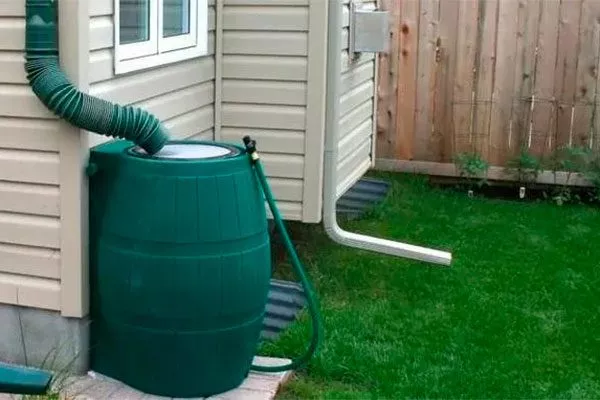
Watering eggplants is one of the key factors for successful cultivation, so it must be done correctly. This crop loves moisture, but is sensitive to overwatering and fluctuations in humidity. The frequency and volume of irrigation depend on the plant's development stage, weather conditions, soil type, and whether it's grown outdoors or in a greenhouse.