
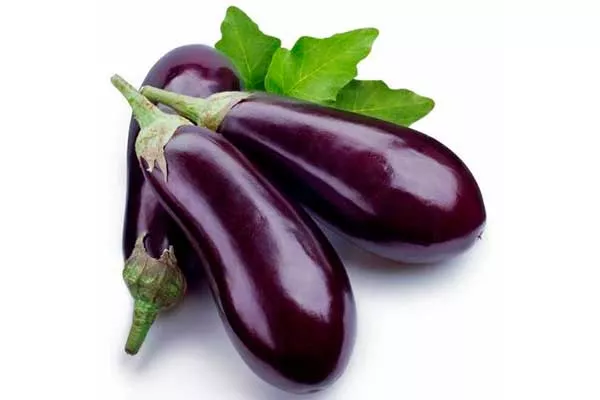
The Ilya Muromets eggplant is a variety with excellent taste and marketability. Combining disease resistance and good productivity, it is an excellent choice for both experienced and novice gardeners. Proper care is essential to ensure consistent harvests throughout the season.
History of selection
Developed by specialists from the Gavrish breeding firm, the variety successfully passed trials and was added to the State Register of Breeding Achievements of the Russian Federation in 2015. Its development was carried out by a group of scientists, including V. M. Verba, R. N. Kapustina, and S. F. Gavrish.
Description of the plant
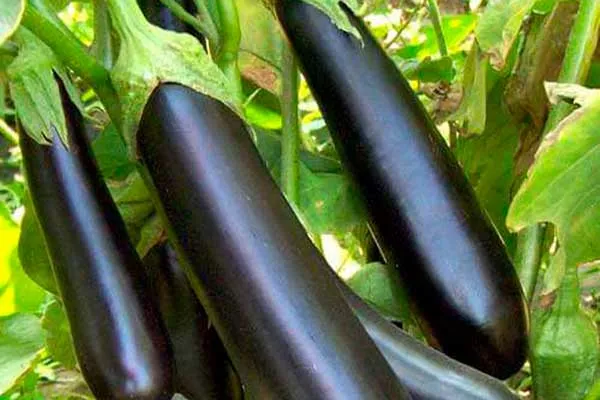
The bushes are medium-sized and vigorous, with heights ranging from 70 cm to 1 m. The plants have semi-spreading branches, an upright, thick central stem, and moderately dense, medium-sized, bright green leaves with slight wrinkles and undulations.
Characteristic features include anthocyanin-colored stems, sparse hairs, and a smattering of spines on the calyxes. During flowering, large, snow-white flowers with purple edges emerge. Each plant produces and ripens between 3 and 5-6 eggplants over the course of the season.
Fruits, their taste and purpose
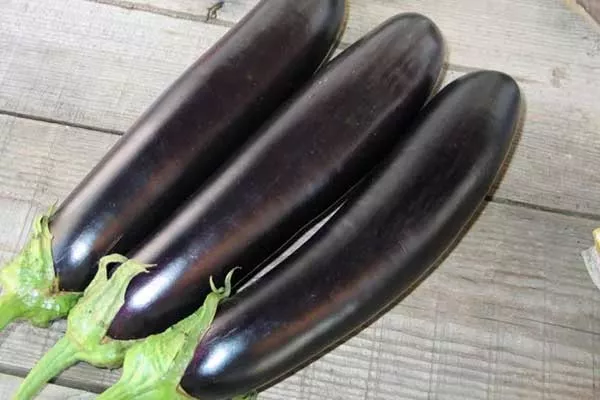
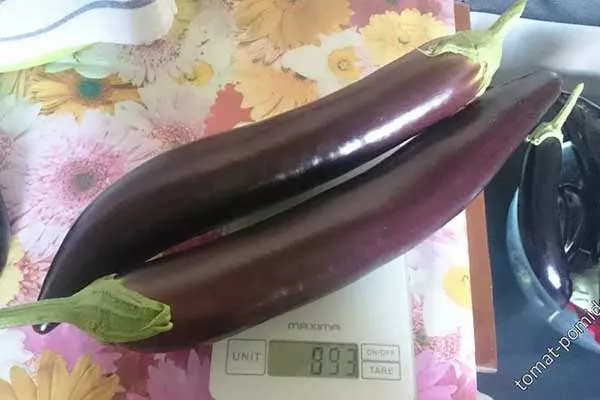
The vegetables are very large, weighing between 500 and 550 grams, about 40 cm in length, and up to 10 cm in diameter. They have a standard cylindrical shape and a perfectly smooth surface. The skin is thin but strong and elastic, with a distinct shine, free of bumps and other defects.
Other distinctive features:
- At the stage of technical maturity, they are covered with a pink-burgundy skin, and ripe fruits become dark purple.
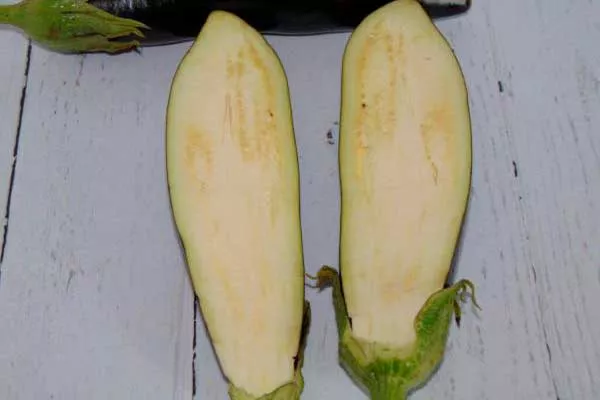
- Inside is a creamy, virtually seedless pulp with a fleshy and dense structure.
- The flavor is pleasant, without bitterness or wateriness. After cooking, they acquire a delicate, buttery texture and a slight mushroom flavor.
This variety is renowned for its versatility. Vegetables can be stewed, fried, baked, canned, marinated, and frozen. Ilya Muromets eggplants are especially good for making caviar.
Ripening and yield
This variety is considered a mid-season variety. It takes 110-115 days from mass germination to the production of substantial fruits. The first ripe specimens begin to appear in early August. The fruiting period is quite long, allowing for harvesting before the first frost.
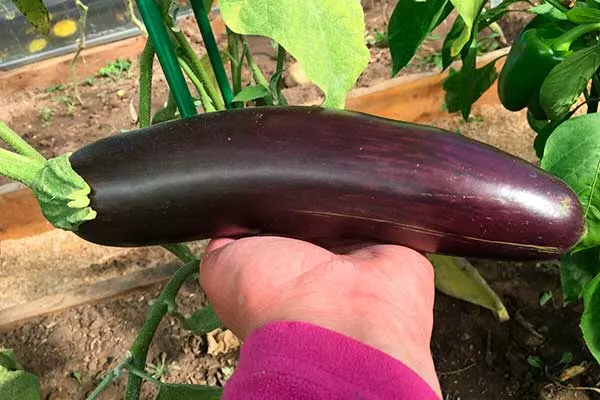
The variety's yield is quite high. On average, when grown under plastic, you can harvest about 6 kg per square meter per season. With proper care, this yield can increase to 10 kg per square meter. The resulting eggplants handle handling and transportation well and have a long shelf life.
Growing regions
The Ilya Muromets variety is grown in a wide range of regions. It can be found in the Far East, Northern, East Siberian, Ural, Northwestern, West Siberian, Central Black Earth, Volga-Vyatka, Middle Volga, Central, and Lower Volga regions of Russia.
How to grow it yourself?
Growing the crop is not a difficult task, but it does require attention. It's important to follow certain guidelines to ensure plants grow well and produce fruit.
Requirements
Before sowing, treat the seeds with potassium permanganate; the solution should be light pink. Place the seeds in water at 50°C for 15 minutes or in a growth stimulator for 2 hours.
- ✓ The optimal soil temperature for sowing seeds should be at least 22°C.
- ✓ To prevent seedlings from stretching, it is necessary to provide additional lighting for 12-14 hours a day.
Sow at the end of March using peat or garden soil mixed with compost in a 1:1 ratio. A specially prepared soil mixture of humus, topsoil, and sand (2:1:1) can also be used, adding 60 g of superphosphate and 40 g of wood ash per 10 kg of the mixture.
Growing seedlings
This simple event requires following a few rules. Follow these recommendations:
- Sow the seeds in a common container, deepening them by 1.5-2 cm and leaving a distance of 5 cm between them, or in individual cups.
- Cover with soil and water with warm water (25°C).
- Cover the containers with film and place in a warm, dark place.
- Once the seedlings emerge, remove the film and protect the seedlings from direct sunlight.
- After 3 weeks, transplant the plants into separate cups and water as needed.
- After a week, place the sprouts in open ground.
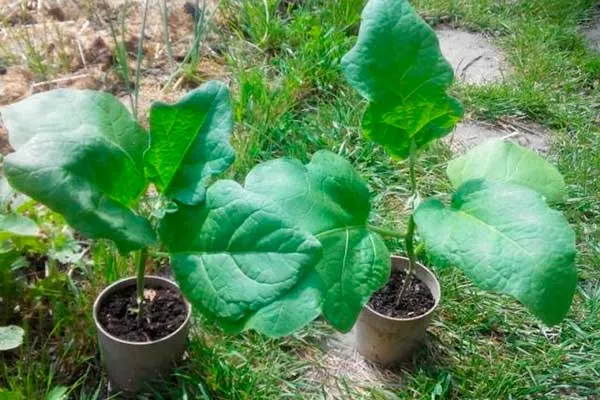
You can harvest your own seeds. They will retain all the qualities of the variety, ensure good germination, and can be stored for up to 5 years.
Transfer
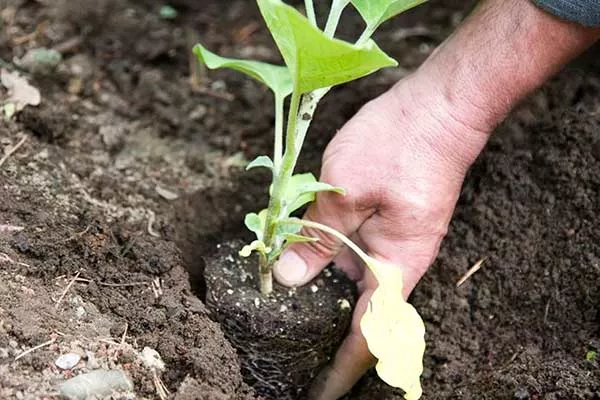
Plant seedlings in a hotbed or greenhouse in mid-May, and in open ground in early June, once the weather has become consistently warm. The planting pattern is the same for any soil type: space rows 60-70 cm apart, and space plants 50 cm apart.
Helpful tips:
- The site should not be in the shade, in a low-lying area with high humidity, or in direct sunlight. Ideally, choose a south-facing location behind a building or along the walls of a greenhouse.
- Avoid planting eggplants in areas previously occupied by other nightshade crops. The best predecessors for eggplants are cabbage, cucumbers, legumes, carrots, pumpkins, and squash.
- Before planting, weed the soil, loosen it, and fertilize it with organic fertilizer at a rate of 2.5 kg per square meter. Then dig holes according to the standard pattern and thoroughly moisten them with warm water. Drive a stake into each hole.
Plant seedlings grown in peat pots along with their containers, carefully cutting open the plastic cups to remove the plants and their root ball. After planting, cover the seedlings with soil, tie them to a support, and mulch with dry straw and peat.
Further care
Caring for the crop is crucial, so to ensure bountiful harvests, it's important to follow simple agricultural practices. The irrigation schedule for this variety is as follows:
- Watering 3-4 days after transplantation.
- Before flowering – once a week.
- During flowering and fruiting – once every 4 days.
Apply the first fertilizer three weeks after replanting, applying organic fertilizer to the roots. Two weeks later, apply phosphorus-containing fertilizers. During fruit set and harvest, use liquid mineral fertilizers.
- Three weeks after transplanting, apply organic fertilizer at a rate of 2.5 kg per 1 sq. m.
- Two weeks after the first feeding, use phosphorus fertilizers to stimulate the root system.
- During the fruit setting period, apply liquid mineral compositions every 2 weeks.
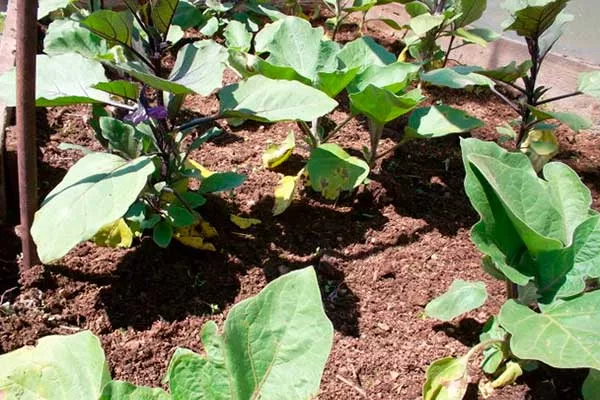
After flowering, remove all leaves up to the first fork and remove small flowers from the lower branches. To prevent the bush from becoming overly sprawling, train it properly: leave only the three strongest shoots, removing any side shoots longer than 3 cm. Remove any foliage that shades the blooms.
Diseases and pests typical for the variety
The crop is resistant to fungal and viral diseases, including late blight and powdery mildew. However, if improperly cared for, the plants can be susceptible to various problems:
| Disease/Pest | Symptoms | Methods of struggle |
| Mosaic virus | Yellowing and mosaic pattern on leaves. | Removal of diseased plants, disinfection of instruments. |
| Aphid | Curvature and yellowing of leaves. | Insecticide treatment, use of natural enemies (ladybugs). |
| Leaf roller | Bending and curling of leaves, appearance of passages. | Removal of affected parts, application of insecticides. |
Root rot and blackleg are most often caused by care errors, especially in greenhouses. Remove affected plants promptly, stop watering, and allow the soil to dry completely. Then, adjust the temperature and humidity in the greenhouse.
Harvesting and storage
Harvest eggplants 35-40 days after flowering begins. Carefully cut the fruit with a knife, leaving a 3 cm stalk and calyx. Store the harvest in a dry, dark place. At a temperature of 10°C and 90% humidity, the vegetables will remain fresh and retain their appearance for up to 1 month.
Positive and negative qualities
Before you begin growing this crop, carefully consider its advantages and disadvantages. Ilya Muromets eggplants have many advantages:
Among the variety's shortcomings, some gardeners note its high demands on light and heat, intolerance to hot weather, and the need for bush shaping.
Reviews
The Ilya Muromets eggplant pleasantly surprises with its excellent taste, high yield, and disease resistance. These qualities make it an ideal choice for a variety of climates. Proper care and adherence to agronomic recommendations will ensure fresh vegetables throughout the season.