
The Hooligan eggplant is a hybrid that will delight both experienced farmers and gardening enthusiasts. Its versatility allows it to be successfully grown in open ground and greenhouses, and its good disease resistance makes it an excellent choice for a variety of climates. It's important to understand its agronomic properties and ensure proper care.
History of selection
The variety was developed by breeder V. I. Blokhin-Mechtalin. It was added to the State Register of Russia in 2022.
Characteristics of the appearance of the plant and fruits
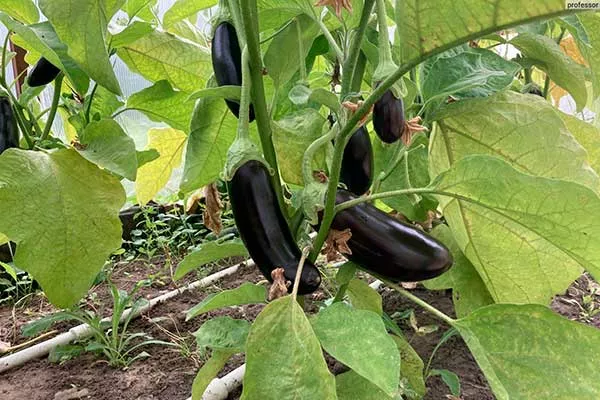
The bush is medium-sized – its height varies from 70 to 90 cm. Distinguishing features:
- The plant has a semi-standard, semi-spreading configuration.
- The rosette consists of medium-sized leaves with a smooth surface and a green hue.
- The stem has a weak anthocyanin coloration and slight pubescence.
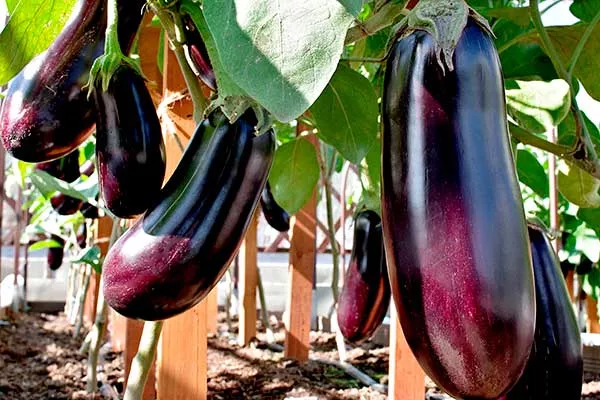
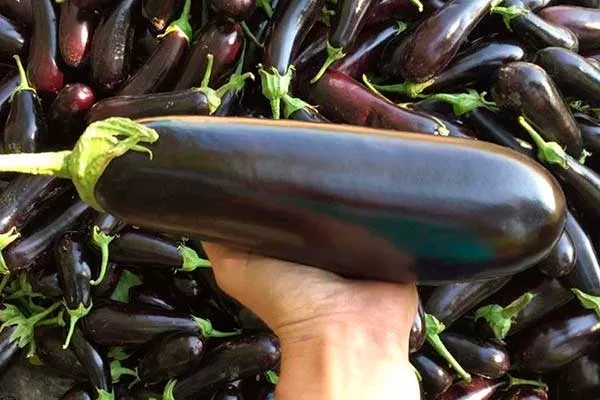
- Eggplants are large, reaching 20-25 cm in length and weighing 200-250 g. They have a club-shaped or cylindrical shape.
- The pulp is dense, white, and practically seedless.
Purpose and taste
This versatile variety is suitable for a variety of culinary purposes. The pulp has an excellent flavor and is free of bitterness. Due to its shape and size, the fruits are often used for frying, baking, and making fillings.
Ripening time, productivity
This early-ripening variety takes 115-120 days from germination to harvest. It is characterized by excellent fruit set, ensuring a good harvest.
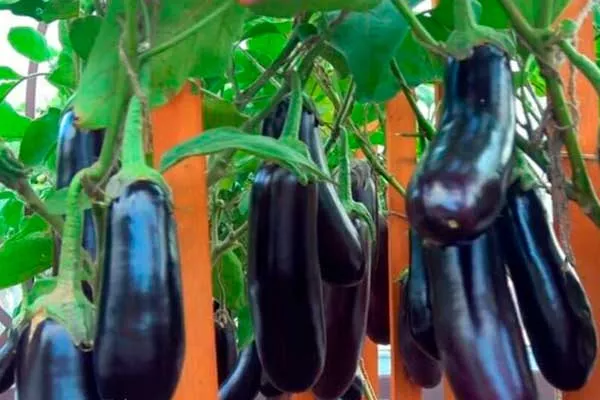
On average, 1 square meter yields approximately 7.5 kg. The vegetables withstand long-distance transportation without losing quality.
Disease resistance and ease of harvesting
The hybrid has a strong immune system, making cultivation much easier. It resists dangerous diseases such as late blight, verticillium wilt, and tobacco mosaic. This reduces the need for chemical treatments and minimizes the risk of crop loss.
The stems are easy to cut, and the sepals separate without much effort. The stalks are virtually thornless, allowing for safe handling and saving time. Together, these features make this variety ideal for cultivation on both large farms and small plots.
Growing and care
The hybrid prefers warmth and light, so choose a well-lit, sunny location for planting. The site should be protected from cold winds.
Follow these recommendations:
- Avoid planting eggplants where nightshade crops (tomatoes, potatoes, or peppers) were previously grown. Ideally, plant them in areas previously occupied by onions, carrots, cucumbers, or legumes.
- Light, fertile soils with a neutral or slightly acidic pH (6-7) are best. Improve heavy soil by adding sand and organic matter. To increase fertility, fertilize the soil in the fall with humus or compost.
- To prevent disease, disinfect the planting material by soaking it in a 1% potassium permanganate solution for 20-30 minutes, then rinsing with clean water. You can pre-germinate the seeds: place them between damp cotton pads or gauze and leave them in a warm place (25-28°C) for 3-5 days.
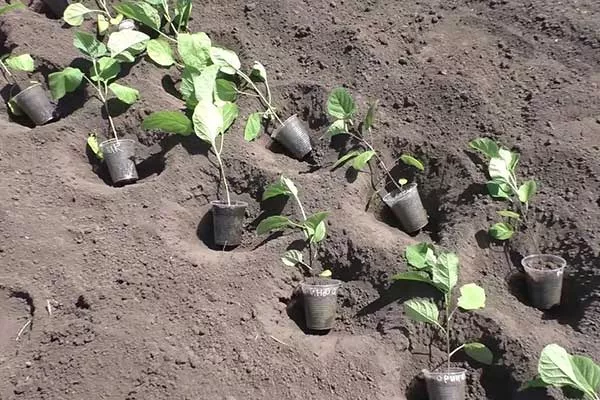
- Grow eggplants using seedlings, as they have a long growing season (60-70 days before transplanting into the ground).
- Use seed trays, peat cups, or pots 8-10 cm deep. Add the soil mixture and plant the seeds 1-1.5 cm deep. Lightly cover the seeds with soil and gently moisten.
- Cover the containers with plastic wrap or glass and place them in a warm place (25-28°C) until seedlings emerge. Then reduce the temperature to 20-22°C.
- Water when the top layer of soil dries out. Provide plants with adequate light (supplemental lighting 12-14 hours per day).
- Ten to fourteen days before planting in their permanent location, begin hardening off the seedlings by placing them outside or opening the windows. Gradually increase the time spent outdoors, starting with just a few hours.
- Transplant the seedlings when the danger of frost has passed and the soil has warmed to 15°C. The optimal distance between plants is 40-50 cm, and between rows – 60-70 cm.
- ✓ The soil pH level should be strictly within 6-7; for accurate measurement, use a pH meter.
- ✓ The organic matter content in the soil should be at least 4% to ensure sufficient fertility.
Taking care of your plants will strengthen their immune system and increase yields. Follow standard agricultural practices:
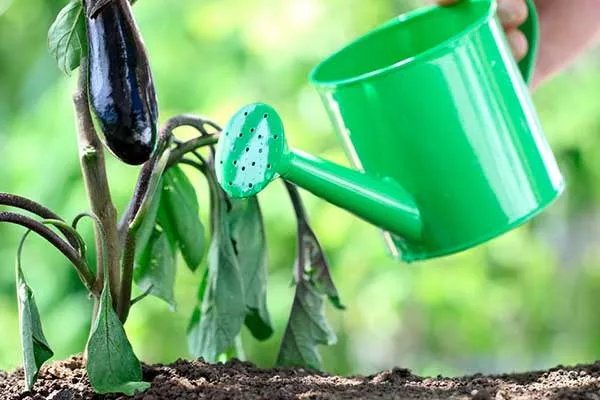
- Watering. Eggplants thrive in moisture but don't tolerate overwatering. Water 1-2 times a week, depending on the weather. During dry periods, water more frequently, monitoring the soil. Reduce watering during ripening to prevent cracking.

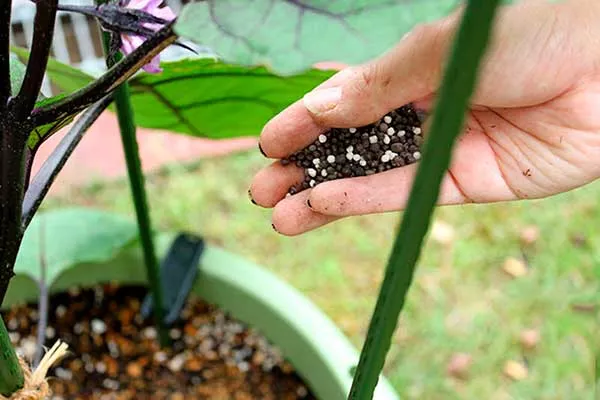
- Top dressing. Apply fertilizer several times per season to maintain plant health and promote fruiting. Two to three weeks after planting seedlings outdoors, apply complex mineral fertilizers (nitrophoska, ammophos). The recommended dosage is 20 g per 10 liters of water.
During flowering, apply phosphorus-potassium fertilizers (superphosphate, potassium sulfate) to promote active vegetable growth. Potassium-rich wood ash (100 g per 10 liters of water) is also suitable.
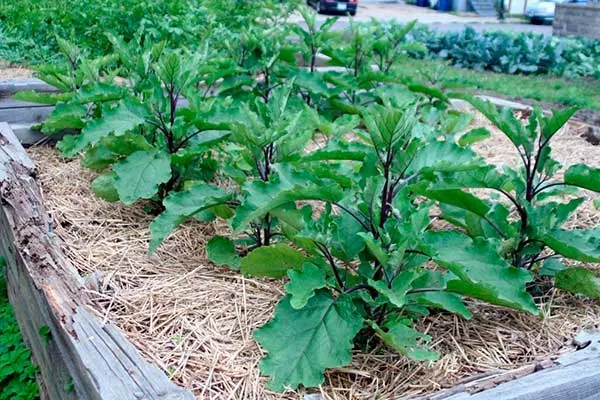
At the beginning of fruiting, use organic components, for example, a solution of chicken manure (1:10) or an infusion of mullein (1:5). - Mulching. This procedure helps retain soil moisture, prevents crust formation, and protects the root system from overheating. Straw, grass clippings, peat, or compost are all suitable as mulch.
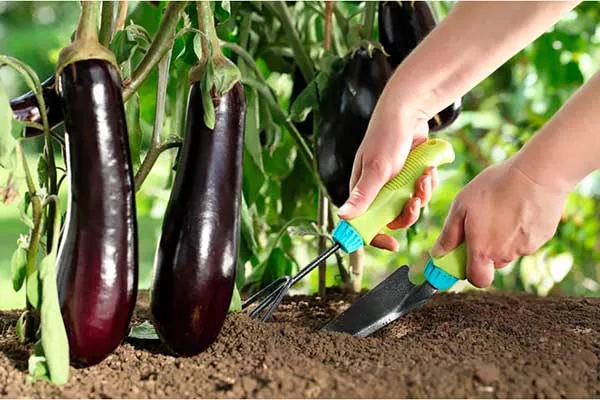
- Loosening and weeding. Loosen the soil after each watering or rain to improve root aeration. Timely weeding helps eliminate weeds, which rob the plants of moisture and nutrients.
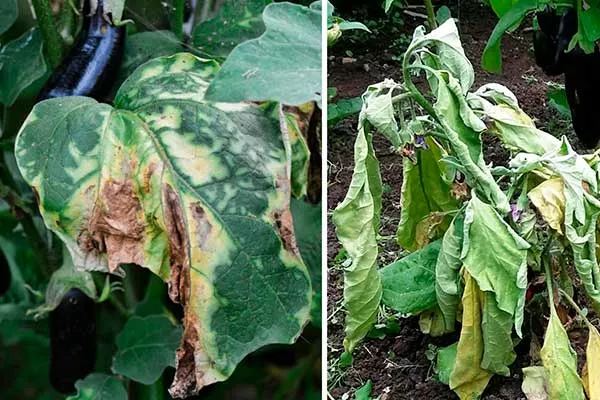
- Pest and disease control. The hybrid's main pests are aphids, Colorado potato beetles, and spider mites. To control them, use folk remedies (garlic and tobacco infusions) or bioinsecticides (Actofit, Fitoverm).
| Fertilizer type | Period of contribution | Efficiency |
|---|---|---|
| Nitrophoska | 2-3 weeks after planting | High |
| Wood ash | During flowering | Average |
| Chicken manure | The beginning of fruiting | Very high |
Reviews
The Hooligan eggplant is renowned for its excellent taste, high yields, and strong immunity. Its numerous positive qualities make it an ideal choice for a wide variety of culinary purposes. With proper and timely care, you can harvest large, tasty fruits throughout the season.