
The Epic F1 eggplant is an early Dutch hybrid. It boasts excellent adaptability, making it widely grown in a wide range of climates. Let's learn what makes Epic so appealing to gardeners, how to plant it, and how to care for it.
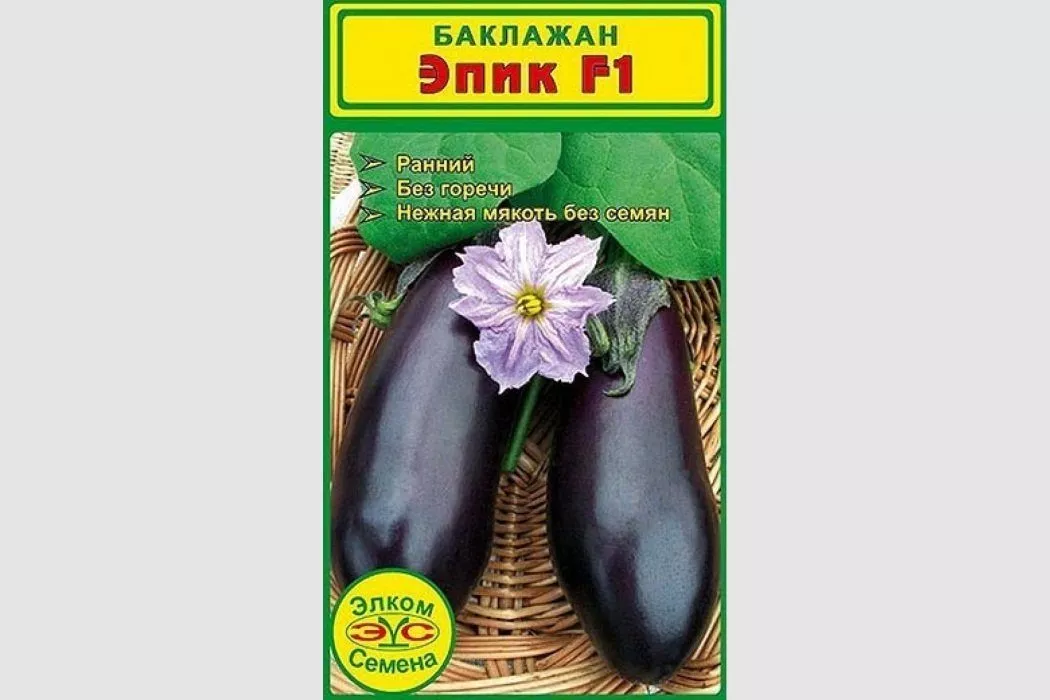
Eggplant Epic F1
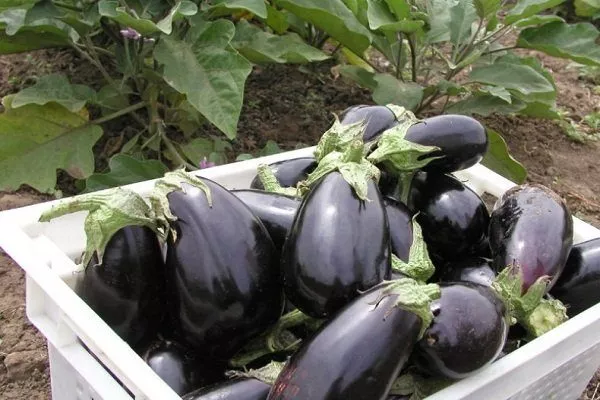
Eggplant Epic has a good yield
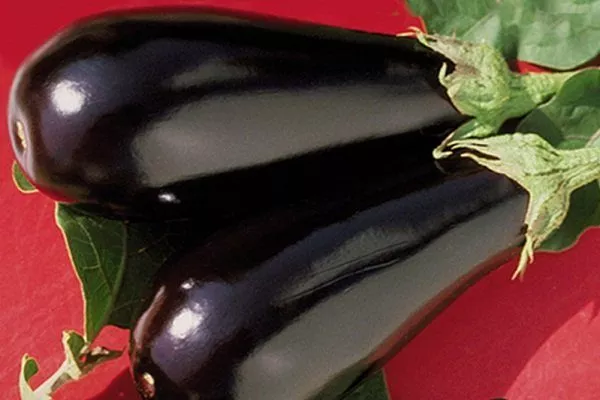
Eggplant Epic has no bitterness
Characteristics and description of the variety
In appearance, the Epic hybrid is a classic eggplant. The plant is vigorous, boasts excellent yields, and is resilient to a variety of adverse environmental conditions.
Bushes
'Epic' grows tall and vigorous, with moderately spreading bushes reaching 90-100 cm in height. The green-purple stem is slightly pubescent. The leaves are medium-sized, oval, and green.
Fruit
Main characteristics:
- The fruits are teardrop-shaped.
- The standard color is dark purple.
- The skin is smooth and glossy.
- The cup has sparse thorns.
- ✓ Resistance to sudden temperature changes, which is not typical for most eggplant varieties.
- ✓ No bitterness in fruits even with insufficient watering.
Fruit sizes:
- length – 20-22 cm;
- diameter – 9.5-10 cm.
Fruit pulp:
- cream or white;
- dense consistency;
- contains virtually no seeds;
- does not taste bitter.
The fruits are large and weighty, so no more than 6-7 are left on one plant - the rest are prudently removed at the ovary stage.
Productivity
The hybrid is distinguished by its high yield. 5-6 kg or more of fruit can be harvested per square meter. Under favorable conditions, a single eggplant can yield 250-300 g.
The first eggplants are harvested 60-65 days after planting the seedlings in the ground or greenhouse. Under unfavorable conditions, fruiting can take up to 80 days.
The largest eggplants are those that ripen first. The last ones to ripen are small, and their skin is somewhat tough.
What region is this variety suitable for?
The copyright holder for Epic F1 is the Dutch company Monsanto. At its request, the hybrid was undergoing variety trials in Russia since 2005. After successfully passing the trials, Epic was included in the State Register in 2008. Furthermore, its cultivation is recommended for all regions of the Russian Federation.
In southern regions, it can be grown in open ground and under cover, but in areas with a harsher climate, it can only be grown in greenhouses.
Use of fruits
Epika fruits have excellent flavor. When cooked, they have a rich flavor and distinctive aroma, yet lack the characteristic "eggplant" bitterness.
How to use Epic:
- Hot dishes and snacks are prepared. The fruits are fried, boiled, stewed, and baked. They are used as a main ingredient and in various dishes.
- They make blanks. The fruits are salted, pickled, and preserved. They make excellent winter snacks, such as "caviar," and all kinds of salads.
- They freeze. Place them in plastic bags and place them in freezers.
The advantages and disadvantages of the Epic eggplant
Most summer residents and gardeners who have had the chance to appreciate the Epic hybrid are convinced of its numerous advantages, which allow them to overlook a couple of minor shortcomings.
Pros:
- High immunity to most diseases.
- Practically does not suffer from tobacco mosaic virus.
- Resistant to temperature fluctuations.
- Excellent taste.
- High yield.
- Easy to care for.
Cons:
- Low cold resistance.
- Cultivation is done using seedlings. In most regions (except the southern ones), "Epic" is grown under cover.
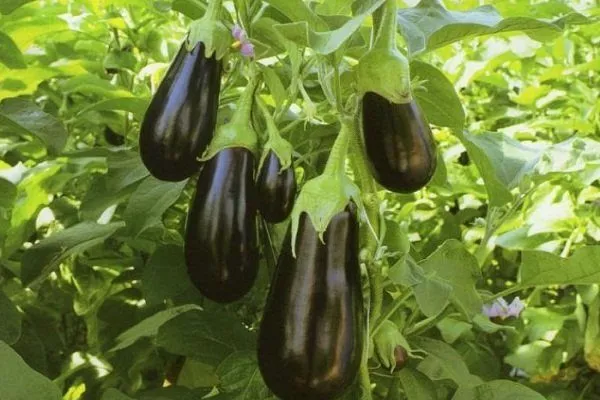
Preparing and planting seedlings
The Epic eggplant is grown using standard agricultural techniques: seedlings are grown first, and then transplanted into open ground or a greenhouse.
Planting dates
Seeds are sown from early to mid-February. Depending on the region, sowing times may vary by several weeks.
When choosing the sowing time, you need to consider the duration of seedling cultivation – it is 60-75 days, and the planting time – it depends on the climate in a particular region.
Seed preparation
It is recommended to treat seeds before sowing. Dip them in a disinfectant solution to prevent various diseases.
Processing methods:
- Potassium permanganate.Dissolve 4 g of the preparation in a glass of water. Soak the seeds in the potassium permanganate solution for 20 minutes. After soaking, rinse the seeds under running water and dry them by laying them out on a cotton cloth. Avoid placing the seeds on paper—they will stick.
- Hydrogen peroxide.Dissolve 6 ml of peroxide in 200 ml of water and heat the solution to 40 °C.
Processing is necessary if the packaging doesn't say "processed seeds." Manufacturers typically supply seedlings ready for planting. Unnecessary processing will only damage these seeds, as it will damage their protective coating.
Scheme of sowing seeds for seedlings
Seedlings are grown in individual cups or trays. If you sow seeds in containers, you'll need to transplant the seedlings. The root system of eggplant seedlings is very fragile, and unnecessary transplanting can cause significant stress to the plant.
The containers are filled with purchased substrate or the soil mixture is prepared independently by mixing 1:1:1:
- soil from the garden;
- humus;
- peat.
- ✓ Soil pH should be in the range of 6.0-6.5 for optimal nutrient absorption.
- ✓ The soil mixture should contain at least 30% organic matter to ensure good structure and water retention.
Add 1 cup of wood ash to each bucket of potting soil. It's best to disinfect the mixture by heating it in the oven or pouring boiling water over it.
Sowing order:
- Moisten the containers with soil with warm water.
- Place 1-2 seeds in a glass at a depth of 1.5 cm. When planting seeds in rows, keep a gap of 2 cm between them.
- Cover the seeds with plastic wrap or glass and place them in a warm, well-lit area. Seeds are best kept at a temperature of +25°C.
Caring for seedlings
When the seedlings appear – after 7-10 days, the film or glass with which the crops were covered is removed.
Features of caring for eggplant seedlings:
- Temperature conditions. After seedlings emerge, maintain the temperature at 16 to 18°C. After a few days, increase it again to 23 to 25°C. Nighttime temperatures should be 13 to 15°C.
- Watering. Keep the soil moist regularly. It's important to avoid letting it dry out or become overwatered.
- Top dressing. A week after germination, apply phosphorus-containing fertilizer. Then, every week, apply nitrogen-containing fertilizer to stimulate foliage growth.
- Backlight. Seedlings are usually placed in the brightest spot. However, if there's still not enough light, install grow lights or fluorescent lamps. Seedlings should receive at least 12 hours of daylight. Place the light source 0.5 m from the seedlings.
- Hardening. Move the seedlings to cooler locations from time to time. This will help them acclimate to the garden more quickly.
The seedlings are transplanted when their height reaches 20 cm and the number of leaves reaches 4-6 pieces.
Growing Epic eggplant in open ground
Planting in open ground is only possible when the weather is consistently warm. Daytime temperatures should be around 20°C, and nighttime temperatures should not drop below 15…16°C.
Selecting a location and soil
The area for growing eggplants should be well-lit, and its soil should be sufficiently fertile. Fertilizers are essential for depleted soils.
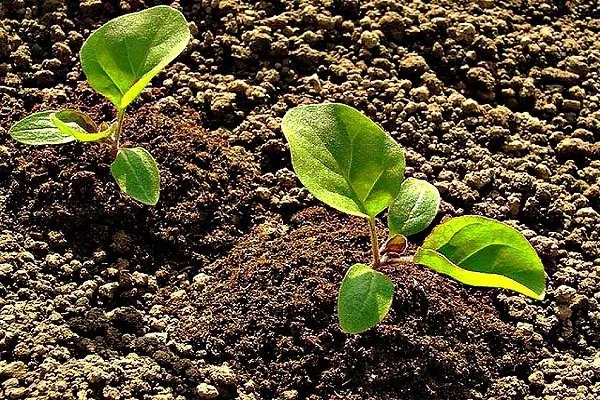
Fertilize the eggplant soil in the fall, adding a bucket of compost or humus per square meter and 2 cups of wood ash. If you skip this fall fertilization, apply the fertilizer in the spring 2-3 weeks before planting.
When planting eggplants, it is necessary to follow crop rotation rules.
Good predecessors for eggplant:
- beans;
- peas;
- carrot;
- melons.
Transplanting seedlings to a permanent location
When transplanting seedlings into open ground, prepare planting holes in advance. Since "Epic" has a semi-spreading habit, leave about 70 cm between plants.
The procedure for transplanting seedlings into the ground:
- Make holes for the seedlings in rows or a staggered pattern. The recommended planting pattern is 40-50 x 60-70 cm. Four to five seedlings should fit per square meter. Adjust the hole depth and diameter according to the size of the root system.
- Water the seedlings with warm water 24 hours before transplanting to make it easier to remove them from the trays and cups. Plan to plant them in the evening or morning.
- Pour 500 ml of warm water into the prepared holes. Once the water has been absorbed, place the seedling in the hole, along with a lump of soil, and cover its roots with soil.
- Mulch the compacted soil to prevent moisture evaporation and weed growth. You can use dry grass or straw for mulch.
Watering and soil care
For the first 10 days after planting, eggplants are watered sparingly. Watering should be done only at the roots.
How to water eggplants:
- frequency of watering after planting – every 2-3 days;
- During the fruiting period, eggplants are watered daily;
- Warm water (+20 °C) is used for irrigation.
The soil around the plants is regularly loosened and weeded. This is done with extreme care, as eggplants have roots located close to the surface.
Fertilizing eggplants
Fertilizing is done once the seedlings have established themselves. Compost, rotted manure, ash, or mineral fertilizers are used as fertilizer.
Rules for feeding eggplants:
- Fertilizers are diluted with water before use or applied directly during watering.
- Fertilizer solutions are poured into a furrow dug around the plants, 15-20 cm from the stem.
- During the growing season—from planting to harvest—3 to 5 additional feedings are performed. The first one is two weeks after planting the seedlings in the ground.
- Until fruiting begins, plants are fed with complex mineral fertilizers containing nitrogen, phosphorus and potassium.
- During the period of fruit formation, nitrogen-phosphate fertilizer is added: 1 teaspoon of saltpeter and superphosphate are diluted in 10 liters of water.
- Use special fertilizers for nightshade crops, such as Florisel, Agricola, and others.
Diseases and pests
The Epic hybrid is fairly resistant to many diseases, but preventative treatments are helpful. For spraying, use universal products that prevent late blight, gray mold, blackleg, and bacterial spot.
Preventive measures:
- Bordeaux mixture;
- copper sulfate;
- cuproxate, etc.
The first preventive spraying is carried out three weeks after emergence.
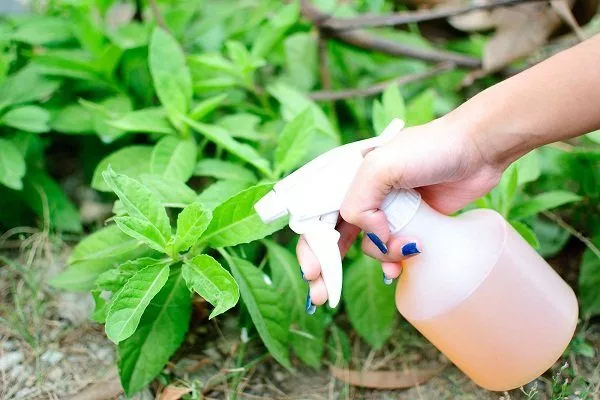
Diseases and pests of the Epic eggplant and control measures:
| Diseases/pests | Signs of defeat | How to fight? |
| Late blight | A fungal disease that affects the entire plant. Leaves and stems become covered with a dark coating. | Spray with fungicides - "Alirin-B", etc. |
| Blackleg | The fungus attacks the roots and then spreads throughout the plant. | There is no cure. Affected bushes are removed, and the soil is disinfected with a solution of potassium permanganate (5 g per 10 liters of water). |
| Gray mold | The fungus covers the above-ground part of the plant with a gray fluffy coating. | "Gamair" is used for spraying. |
| Colorado beetle | Beetle larvae are capable of destroying all green parts of plants in a matter of days. | Marigolds and tansy are planted along the beds. They are sprayed with insecticides, such as Apache. |
| Spider mite | Insects entangle plants and suck the juices out of them. | Spray with acaricides, such as Akarin. Dust the plants with wood ash or tobacco dust. |
| Slugs | They eat stems, leaves and fruits. | Hand picking is common. To prevent them, sprinkle the soil with pepper powder or nut shells. |
Harvesting and storing fruits
The fruits are harvested at the technical maturity stage—every 2-3 days. Eggplants ripen approximately 3-4 weeks after the flowers appear.
Harvesting and storing Epika fruits:
- Ripe eggplants have a dark purple color and firm flesh.
- The fruits must be cut with pruning shears.
- Unripe fruits are not picked – they do not ripen during storage.
- Fresh eggplants don't keep for long. To extend their shelf life, wipe them with a dry cloth and store them in a cool place. Maintain a storage temperature of 1°C.
Tips for growing the Epic eggplant variety can be found in the following video:
Reviews from gardeners
The "Epic" hybrid has every chance of becoming one of the most popular eggplants among our gardeners. It embodies the key values prized by eggplant lovers: ease of cultivation, high yields, and excellent flavor.