
Eggplant is a demanding crop that reacts quickly to any agricultural practices or negative impacts. Let's learn about the diseases and pests that attack eggplants and what to do to avoid losing yield.
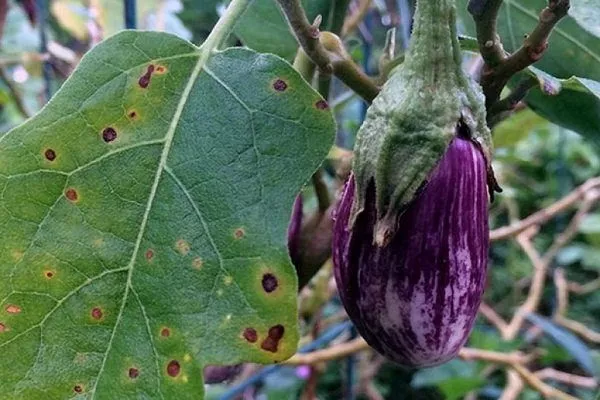
Why do eggplants start to get sick?
Eggplants are heat-loving, so growing them in temperate climates often poses problems. If agricultural practices are improper and growing conditions are poor, the plant not only grows poorly but also becomes susceptible to disease.
Causes of eggplant diseases:
- Lack of light. Plants should receive controlled amounts of light. During the seedling growth period, avoid 24-hour illumination. Insufficient light will cause the seedlings to become diseased and stunted, while too much light will cause them to stretch. The optimal daylight duration for eggplants is 10 hours. Plants require especially high levels of light during the ripening period. Eggplant leaves should be illuminated not only from above but also from below.
- Moisture deficiency. The soil should always be slightly moist. It shouldn't be dry or waterlogged. Overwatering is what causes most dangerous diseases. In hot weather, water every other day, pouring 3-5 liters of water under each bush. In normal weather, water the plants 2-3 times a week. When the fruit ripens, watering is reduced to once a week.
- Nutritional deficiency. The best soils for eggplants are sandy loam and loamy soils with a neutral pH. In acidic, low-fertility soils, the plant's leaves turn yellow. It is recommended to avoid adding sawdust to the soil to prevent acidification. Acidic soils are deacidified with wood ash or dolomite flour.
- Cold water. Eggplant roots need to be in warm soil. Seedlings are planted outdoors only when the soil temperature has warmed to 25–28°C. Water for irrigation should be warm and settled. Cold water can cause eggplants to develop fungal infections, drop fruit, and even die.
- ✓ The water temperature for irrigation should not be lower than +25°C to avoid stress on plants.
- ✓ Watering should be done early in the morning or late in the evening to minimize evaporation and prevent leaf burn.
Eggplant diseases
Eggplants can be affected by various pathogens, including bacteria, viruses, and fungi. Treatment depends on the nature of the disease, so proper diagnosis is important.
Blackleg
This extremely dangerous disease primarily affects eggplant seedlings, but can also occur on mature plants. Blackleg, or soft rot, can be caused by two pathogens—fungi and bacteria. Their effects are very similar, so diagnosis is essential before treatment.
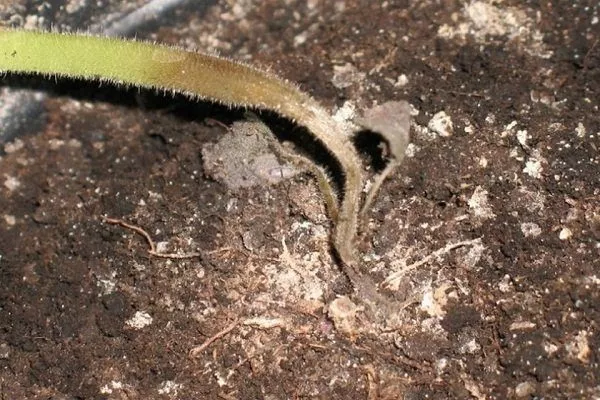
Symptoms:
- a black constriction appears on the lower part of the stem;
- The seedlings weaken and wither, and when the pathogen penetrates the roots, they die.
The pathogenic fungi and bacteria that cause blackleg typically enter plants through wounds, which is why the disease most often affects transplanted seedlings.
Reasons:
- using cold water for irrigation;
- sudden changes in temperature;
- waterlogged soil;
- dense plantings and poor ventilation of seedlings.
When black leg appears, it is necessary to immediately remove all diseased seedlings and begin treating the remaining seedlings.
Treatment:
- watering with Fitosporin solution - 100 ml per bucket of water;
- spraying with 1% Bordeaux mixture;
- treating the soil with potassium permanganate – if adult plants are sick;
- complete replacement of soil - if the seedlings are sick;
- watering or spraying with Previcur Energy.
Prevention:
- steaming and disinfection of soil for seedlings;
- maintaining a favorable temperature;
- creating good lighting;
- watering only with warm water - not at the roots, but along the walls of the seedling containers;
- careful loosening of the soil;
- once a week sprinkle the soil with ash or crushed charcoal;
- Ensuring good ventilation of plantings by placing seedlings comfortably - they should not shade each other.
To prevent blackleg, you can use folk remedies. Spraying plants with an infusion of onion peels and dusting the soil with ash can help prevent the disease.
Leaf curl
Curling cotyledon leaves is nothing to worry about—this sign indicates the plant is maturing. The plant is shedding its first leaves. Curled leaves soon dry up and fall off.
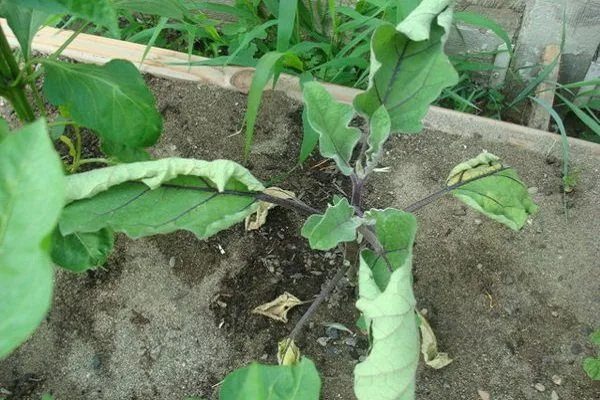
If leaves curl on mature seedlings, there's cause for concern. But first, it's important to determine the cause. Leaves can curl in different ways—upward or downward at the edges, or at a 90-degree angle to the stem.
Causes of twisting and measures to combat it:
- Lack of moisture. If your eggplants aren't getting enough water, increase the frequency of watering. Moisten the soil whenever the surface layer dries out. If you're watering seedlings, water them enough to soak the entire root ball in the container.
- Eating disorders. If the fertilizer applied was high in nitrogen and low in phosphorus and potassium, the leaves curled due to a nutrient imbalance. The curling nuances can be used to determine the cause:
- Leaves that curl upward at the edges indicate a potassium deficiency.
- Leaves curling toward the stem indicate a phosphorus deficiency. In both cases, the problem can be solved by sprinkling ash—1 teaspoon per plant.
- Fertilizing with scanty watering. Even the highest-quality fertilizers applied when moisture is insufficient cause curling. Nitrogen, phosphorus, and potassium salts accumulate in the soil. High concentrations of chemicals cause leaves to curl and dry out. Stopping fertilizing and increasing the volume and frequency of watering will help resolve the problem.
- Other reasons. Leaf curling can be caused by changes in temperature or humidity. The plant's leaf curling is a response to discomfort. After a while, it will adapt and the problem will disappear.
Powdery mildew
This disease affects a wide variety of crops. It is caused by a fungus that thrives in conditions of high humidity and frequent temperature fluctuations.
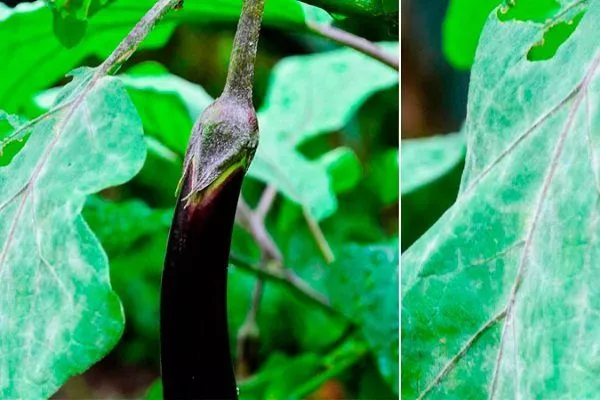
Symptoms:
- a white coating appears on the outer side of the leaf blades;
- the leaves dry up, the plant withers.
Treatment: spraying with Topaz or colloidal sulfur.
Prevention:
- 2-3 times, at intervals of 10 days, spray the plants with microbiological agents;
- scattering ash over the soil surface;
- When growing seedlings, reduce watering and eliminate drafts, if any.
If a powdery coating appears on the back of the leaf, the plant is affected by downy mildew.
Black spot
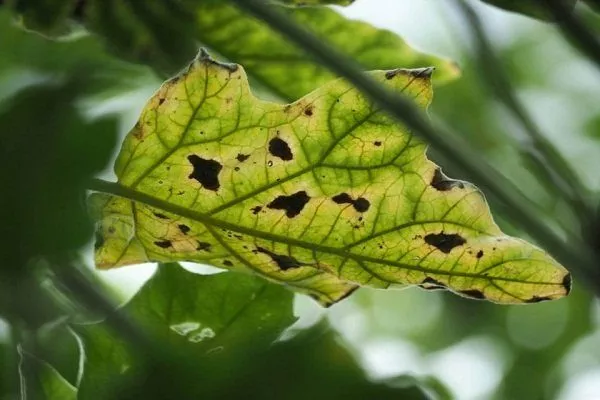
Like blackleg, this is a very dangerous disease. Bacterial spot can occur both in greenhouses and in open ground. The disease typically occurs at humidity levels of 85-90%. Black spot can appear at any stage of the growing season; there is no specific stage at which the risk of infection is increased.
Causes of black spot:
- lack of light;
- cold water for irrigation;
- lack of nutrition or improper feeding;
- plant debris has not been removed;
- thickening of plantings;
- contaminated seeds and other causes.
Symptoms:
- At first, small black spots with a yellow border appear on the leaves;
- after a week the dots become convex;
- After another week or two, the plants become covered with ulcers.
Treatment:
- Phytoflavin treatment: 20 ml per 10 liters of water. The recommended dose is 2 liters of solution per plant. Treatments should be done at intervals of 2 weeks.
- Treatment with Gamair – 1 tablet per 10 liters of water.
Prevention:
- removal of plant debris;
- maintaining normal temperatures when growing seedlings;
- preventing thickening.
The black spot pathogen infects soil and plant debris.
Yellowing of leaves
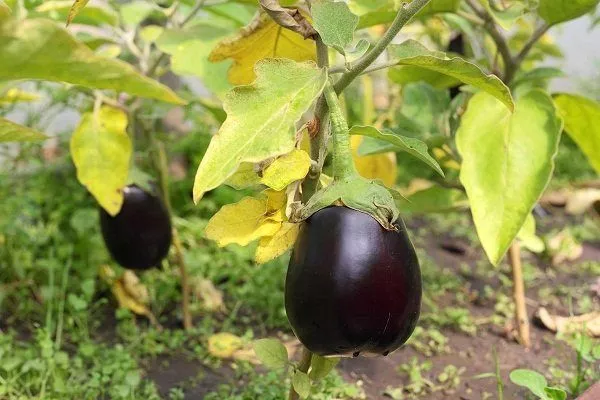
Yellow leaves can appear on both seedlings and mature eggplants. This is usually due to poor agricultural practices or disease.
Causes of yellowing leaves:
- scanty watering;
- nitrogen or potassium deficiency;
- water too cold for irrigation;
- acidic soils;
- unsuitable substrate for seedlings - too dense peat soil;
- any plant disease - it is necessary to diagnose it before starting treatment.
Prevention:
- using special soil for seedlings;
- sterilization of soil mixture before use;
- throughout the entire growing season - timely and correct fertilizing.
Phytoplasmosis (stolbur)
This is a viral disease that typically affects eggplants grown unprotected. However, it can also be found in greenhouses. Cicadas transmit the virus. It can also be transmitted through plant debris, surviving in the rhizomes of weeds.
There are no varieties resistant to this disease.
Symptoms:
- the leaves become smaller, acquiring a purple or white tint;
- the plant is deformed;
- the stem hardens and turns brown;
- the fruits grow small and hard, woody;
- inflorescences change color and become deformed.
Treatment and prevention:
- treatment with Actellic;
- removal of diseased plants and soil disinfection;
- timely removal of plant debris.
Phomopsis
This disease is caused by a fungus that causes dry rot, destroying the plant. The pathogen thrives in high humidity and temperatures.
Reasons:
- excess nitrogen in the soil;
- frequent precipitation.
Symptoms:
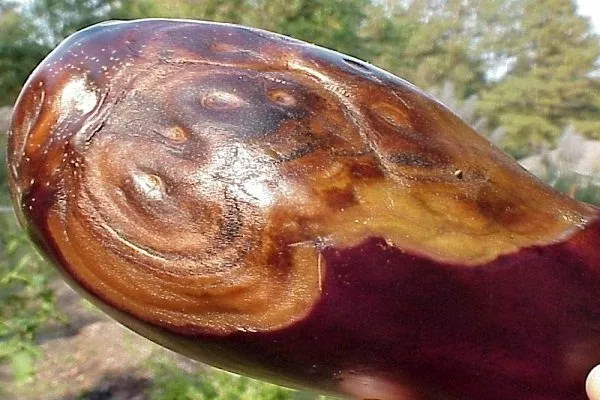
- round, light, concentric spots appear on the leaves, stems, and fruits of plants;
- As the spots grow, they cover the entire plant;
- Gray-brown spots on the fruits soften and rot, gradually becoming covered with slime.
Treatment and prevention:
- seed disinfection;
- fungicide treatment;
- compliance with agricultural technology;
- removal and destruction of diseased plants.
Cercospora leaf spot
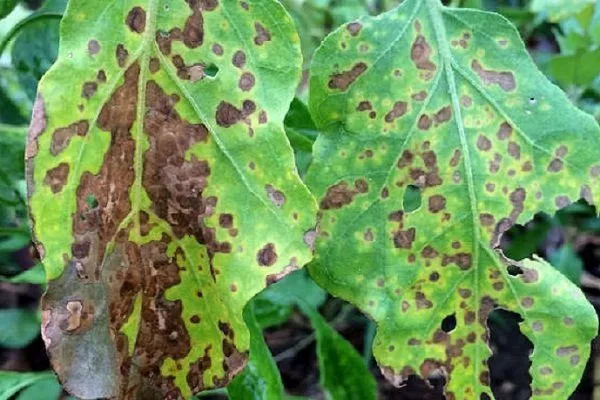
This fungal disease is transmitted during watering and loosening the soil. Fungal spores can also be carried by the wind. The main cause of Cercospora leaf spot is high humidity.
Symptoms:
- small yellowish spots appear on the leaves, stems and stalks;
- when the spots grow, the leaves die and fall off;
- The fruits grow underdeveloped and tasteless, and have no marketable appearance.
Treatment and prevention:
- at the initial stage – treatment with Bordeaux mixture;
- spraying with Skor, Fundazol;
- application of complex mineral fertilizers.
Late blight
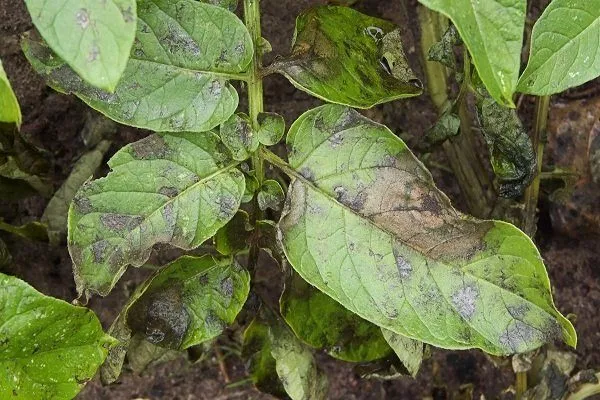
This is a common disease affecting all nightshade crops. It occurs in high humidity and dense plantings. The disease can also spread to eggplants from other nightshade crops.
Symptoms:
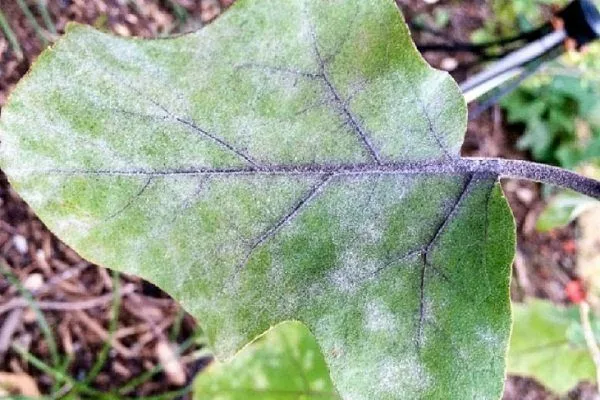
- brownish spots with a green border appear on the leaves;
- on the underside of the leaves there is a whitish coating;
- over time, spots appear on the stems and fruits;
- the fruits are rotting.
- ✓ The first signs of late blight on eggplants appear as water-soaked spots on the leaves that quickly darken.
- ✓ Unlike other crops, eggplant blight can affect not only the leaves, but also the fruits, causing them to rot.
How to fight:
- for prevention – spraying with copper-containing preparations, Bordeaux mixture;
- for treatment – spraying with Quadris, Anthracnol and other fungicides.
Late blight can be combated with folk remedies:
- spray with garlic infusion or whey solution;
- dust with wood ash.
The peak period for the spread of late blight is August.
White rot (sclerotinia)
The pathogens are polyphagous fungi that live and overwinter in the soil and on plant debris. Spores can survive on seeds. The fungus survives in the soil for 8-10 years. Spore production begins at elevated humidity levels.
Reasons:
- large amounts of precipitation;
- dense plantings and cold water for irrigation;
- infection from neighboring crops.
Symptoms:
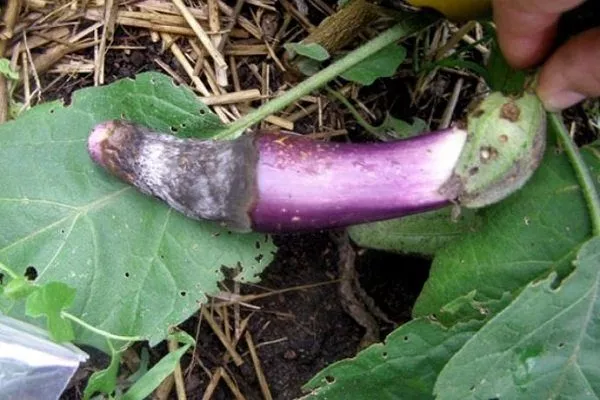
- on the stems there is a whitish cotton-like coating, inside which sclerotia (seals) are formed;
- the affected areas become soft and slippery;
- on the fruits there are large white spots, which then turn black;
- There are dark wet spots on the leaves.
Treatment:
- pruning of affected parts of the bush;
- treatment with biological preparations – Baikal EM-1, Fitosporin, Trichodermin, etc.;
- treatment with chemicals of hazard class 3-4;
- At the onset of the disease, spraying with 1% Bordeaux mixture helps – 2-3 times with an interval of 1-2 weeks.
Prevention:
- proper agricultural technology;
- mechanical damage and wounds are treated with ash;
- soil disinfection;
- shelter in cool and rainy weather;
- the soil should be loose and well drained;
- Eggplants can be planted in the same place at intervals of 4 years.
Gray mold (Alternaria)
The disease is dangerous when grown both outdoors and indoors. Lower-lying fruits rot primarily due to water splashed on them during irrigation. Alternaria blight also occurs when eggplants take too long to ripen.
Symptoms:
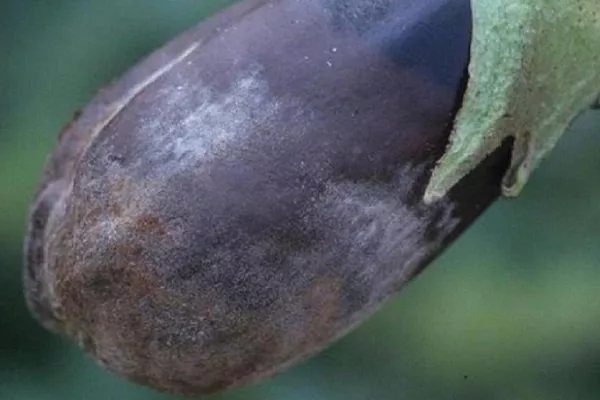
- leaves become covered with sunken grey or brown spots;
- Spots may appear on the fruit.
Treatment: treatment with Horus, Anthracnol.
Prevention: spraying with copper sulfate or colloidal sulfur, Fitosporin and Trichodermin.
Alternaria most often affects late-ripening varieties of crops, penetrating the plant through mechanical damage.
Dry rot (Phomopsis)
The disease affects eggplants grown outdoors and is especially common in hot and humid weather.
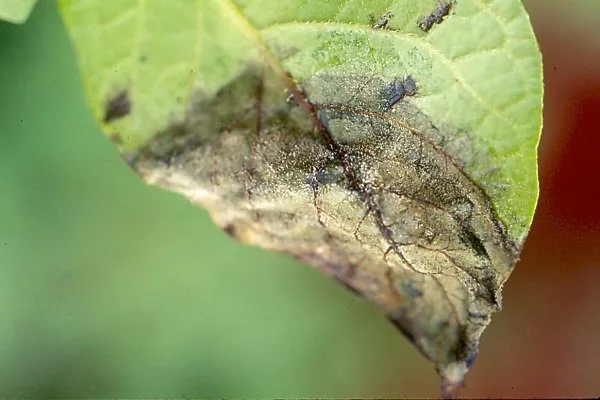
Symptoms:
- sprout rotting;
- In older plants, rot appears on the stem;
- On mature plants, Phomopsis causes the appearance of brown, round spots with clearly defined edges;
- the spots are concentric, light in the center, later black dots appear in them;
- The spots cover all parts of the plant, including the fruits, which rot completely.
Treatment:
- spraying with Bordeaux mixture;
- treatment with fungicides containing prochloraz;
- seed disinfection.
Verticillium wilt
The disease affects eggplants grown outdoors. It is especially common in hot and humid weather. The pathogen penetrates the plant and destroys it.
Reasons:
- disease carriers are insects;
- contamination from plant debris and soil;
- sudden change in weather.
Symptoms:
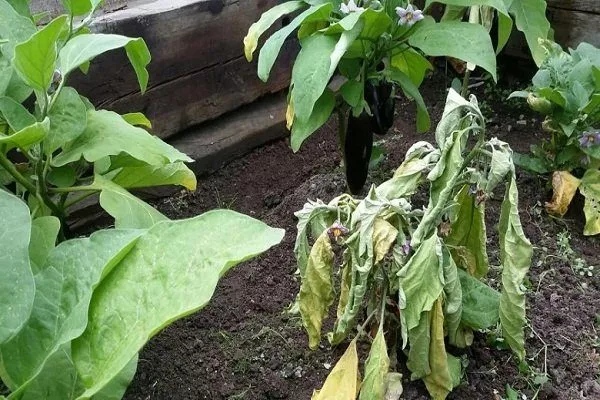
- the stem inside turns black and a dirty white mucus is released from it;
- the leaves turn yellow and wither.
How to fight:
- for prevention – treatment with a solution of potassium permanganate and Fitosporin;
- fertilizing with phosphorus and potassium;
- Spraying with insecticides to kill insect pests.
Tobacco mosaic
A highly contagious disease that can be transmitted through plant debris. The pathogen survives on plant debris for years. Mosaic is also carried by insects. The virus can penetrate through mechanical damage and is also transmitted through infected seeds.
Symptoms:
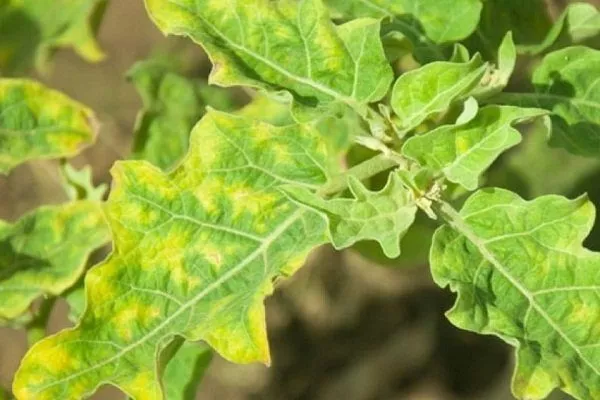
- the leaves turn pale and become deformed;
- on the leaves there are light and dark mosaic spots of green color;
- the spots darken over time and become perforated;
- The fruits grow small and are covered with yellow spots.
How to fight:
- half-hour treatment of seeds with a 20% solution of hydrochloric acid;
- spraying with a solution of milk and laundry soap - once every 10 days;
- for treatment – spraying with Fitosporin or Uniflor-micro.
After disinfection in hydrochloric acid, the seeds must be washed in running water.
Internal necrosis
The disease is caused by pathogenic bacteria or viruses that become active when there's a potassium deficiency in the soil. If the disease is viral, there's no cure—affected plants can only be destroyed. Blossom-end rot can also be caused by insufficient soil moisture and an excess of nitrogen.
Symptoms:
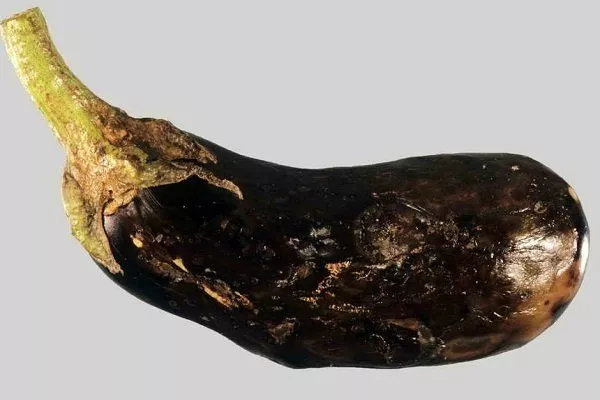
- grey spots appear on the tops of the fruits;
- fruit rot.
How to fight:
- If the cause of the disease is a lack of nutrition, it is necessary to feed the plants;
- regular watering;
- application of potassium monophosphate;
- spraying with solutions of calcium nitrate or potassium salt.
Blossom end rot
The disease is caused by a viral infection. If immediate action is not taken, the plants will die. The disease is exacerbated by excessive moisture and nitrogen.
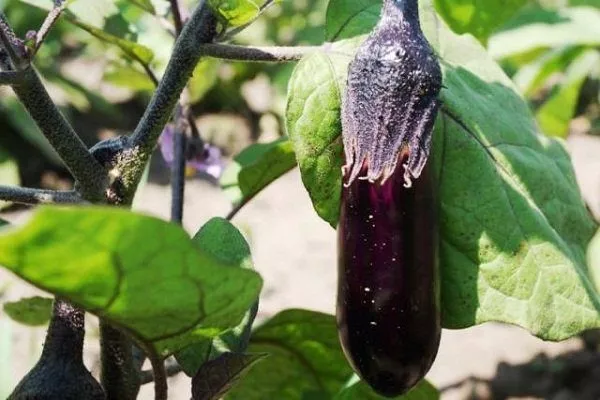
Symptoms:
- necrotic areas appear on plants;
- The disease, starting at the stalk, affects the entire fruit.
How to fight:
- application of potassium fertilizers;
- seed treatment with potassium permanganate;
- spraying seedlings with a solution of boric acid;
- timely removal of affected leaves and fruits.
Eggplant pests
Eggplants are susceptible to attacks from a wide variety of pests. Some insects can destroy plants in a matter of days. Insecticides, biological products, and folk remedies are used to save the crop.
Cruciferous flea beetle
The pest looks like a small black beetle. Flea beetles are especially active in sunny areas, avoiding shaded and damp spots. They damage eggplant leaves and can quickly destroy a plant. By eating the foliage, the fleas leave only the veins.
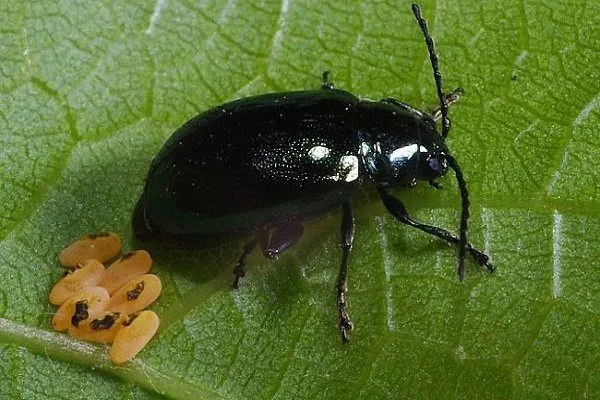
Both adult insects and their larvae, which eat the roots, pose a danger to the plant.
How to fight:
- spraying with dandelion or garlic infusion, lime or wormwood solution;
- dusting with wood ash or ground pepper;
- treatment with insecticides, for example, Actellik.
Slugs
Slugs are a type of gastropod. They are voracious eaters and can quickly destroy eggplant crops. They eat leaves, stems, and even the fruit.
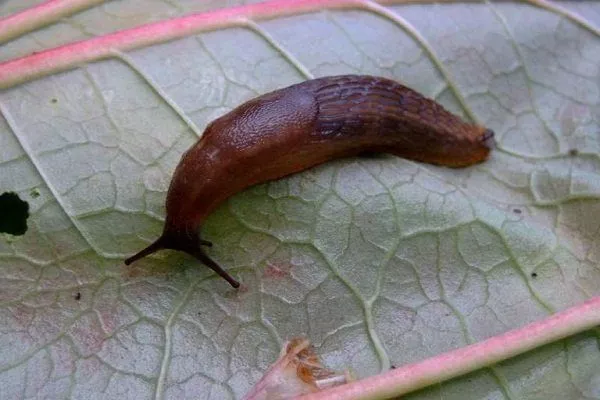
Slugs appear in garden beds at night. But their presence is easy to detect – by the large holes they chew in the plants.
How to fight slugs:
- remove weeds in time;
- when growing eggplants in closed ground, ventilate hotbeds and greenhouses;
- sprinkle the paths with sand or coarse salt;
- mulch the soil with pine needles;
- loosen the soil and sprinkle it with ground pepper.
If all other measures fail, the plantings are treated with metaldehyde. The powder is scattered along the paths at a rate of 3 grams per square meter.
Whitefly
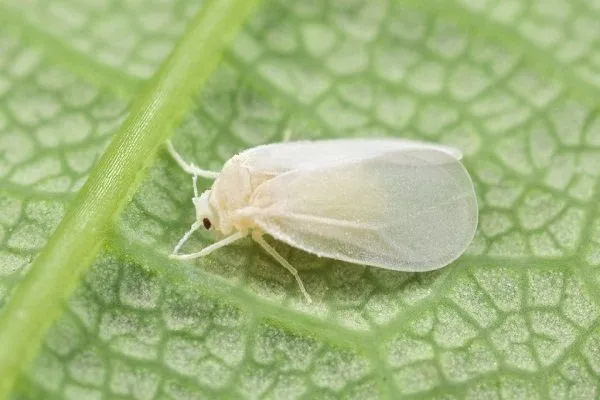
The whitefly is a small butterfly that feeds on plant sap. The insect secretes a specific substance that promotes the growth of sooty mold. The butterflies and their larvae are concentrated on the underside of leaves.
How to fight:
- set glue traps;
- spraying with Fitoverm, Aktara.
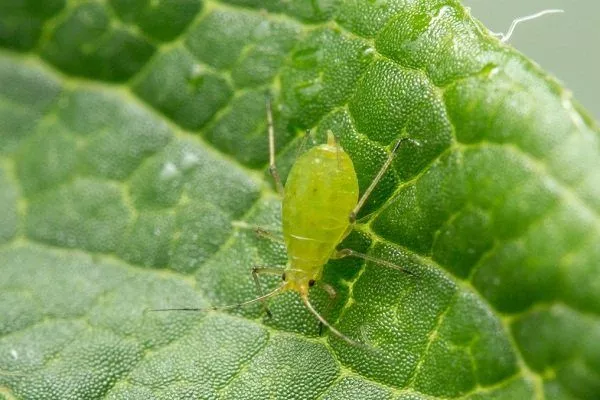
Aphid
Small, soft-bodied, light-green beetles live in colonies on plants, feeding on their sap. Due to the loss of nutrients, eggplants dry out and die.
How to fight:
- wipe the leaves with a solution of ash and soap;
- spray with onion broth or tobacco dust infusion;
- treat with Karbofos or Kelthane.
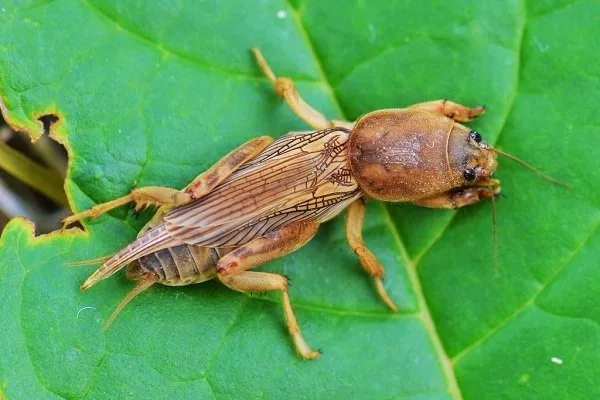
Mole cricket
The mole cricket lives in the ground. Its presence can be detected by the tunnels and burrows it digs. The insect eats the roots, causing the plants to quickly die.
How to fight:
- plant marigolds along the beds;
- sprinkle the soil with ground pepper;
- water the soil with onion or garlic decoctions;
- scatter Medvetoks or Grom preparations near the pest's burrows.
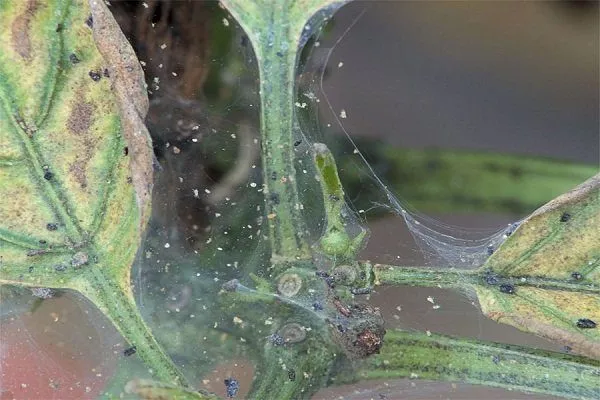
Spider mite
Spider mites are especially common on eggplants grown in greenhouses and hotbeds. Heat is also a trigger for attacks. The insects reside on the undersides of leaves, sucking the plant's sap.
How to fight:
- for prevention – disinfection of greenhouses and hotbeds;
- spraying with dandelion infusion with the addition of soap shavings.
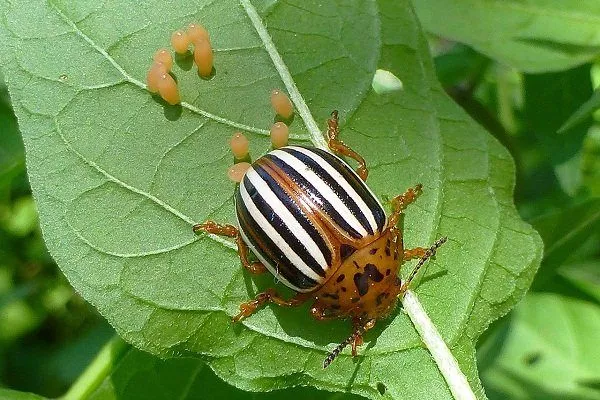
Colorado beetle
The Colorado potato beetle is the main enemy of all nightshade crops. A beetle can consume 4 grams of green matter per month, and a larva can consume 1 gram. A single female can lay 600-800 eggs per season.
How to fight:
- Insecticides are the best treatment. However, they are not recommended during ovary formation or fruiting.
- You can collect beetles and larvae by hand.
- Dusting the bushes with ash and corn flour and sprinkling sawdust between the rows helps.
- It is recommended to spray the plantings with garlic broth.
- Plant marigolds and calendula along the plantings – they repel beetles.
Methods of disease and pest prevention
Preventing pests and diseases is better than treating them. Preventative measures are much more effective and, most importantly, help avoid yield losses.
Preventive measures:
- Seeds must be disinfected. You should either purchase treated seeds or treat them yourself.
- Follow crop rotation rules for nightshade crops.
- Disinfect the soil with antiseptics and copper-containing preparations.
- Avoid overcrowding of plantings.
- Adherence to agricultural practices. It's important to water and feed plants properly.
- Maintain cleanliness of the area and greenhouses.
For information on eggplant diseases and how to treat them, watch the following video:
Eggplants have many enemies that can cause irreparable damage to the crop. However, timely preventative measures and regular inspection of eggplant beds can help prevent most problems caused by diseases and pests.