
Eggplants are grown in almost every garden. There are many varieties, each with different characteristics, fruit size, and flavor. The Bibo hybrid boasts numerous unique features, including its unusual coloring, pleasant flavor, and high yield. It tolerates temperature fluctuations.
The History of the Bibo Eggplant
Bibo is a white-skinned eggplant hybrid developed by breeders from the Dutch company MONSANTO HOLLAND BV. In 2008, the variety was added to the State Register of the Russian Federation and recommended for cultivation in private farms throughout the country.
Description of the variety
It adapts well to adverse conditions and temperature fluctuations, and is relatively resistant to diseases and pests, resulting in high yields. The plants have short internodes, which facilitates the formation of a large number of ovaries.
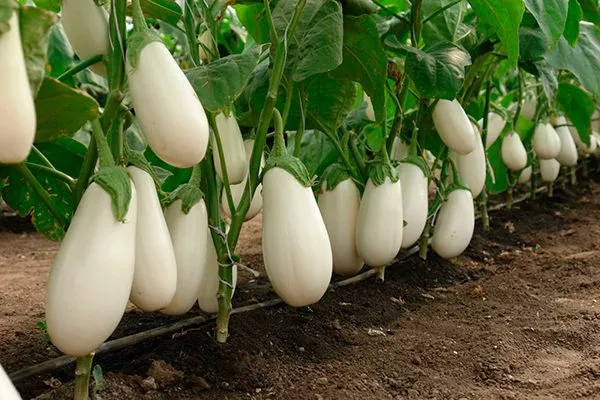
Provides an early and abundant harvest. It has a strong root system. The vegetables develop quickly (75-90 days after the first shoots emerge), successfully establishing themselves and bearing fruit in a variety of conditions. Yields reach 4.8 kg per square meter, and the harvested crop stores well.
Characteristics of the variety
This early-ripening crop is resistant to fusarium and tobacco mosaic. The plants have a semi-spreading habit, covered with green leaves with wavy edges, and stems of medium thickness, slightly pubescent. The flowers are small and purple.
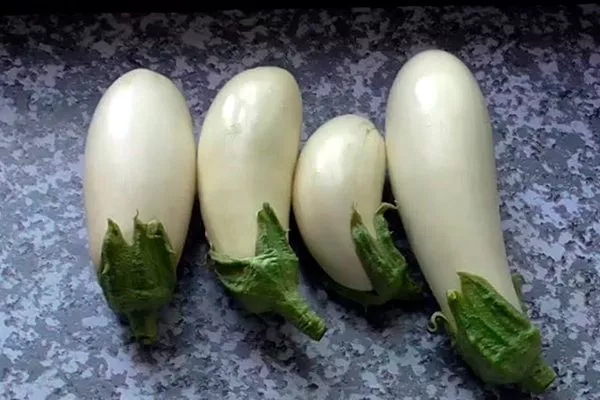
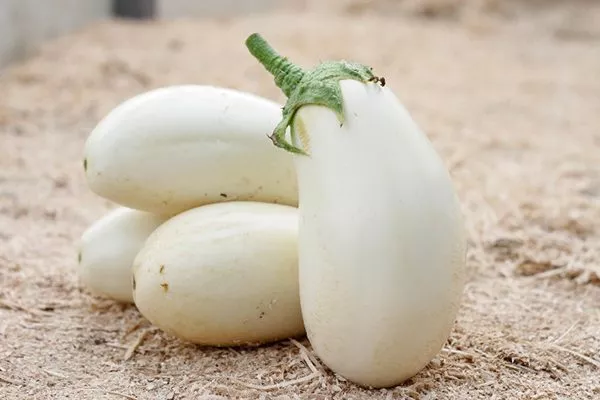
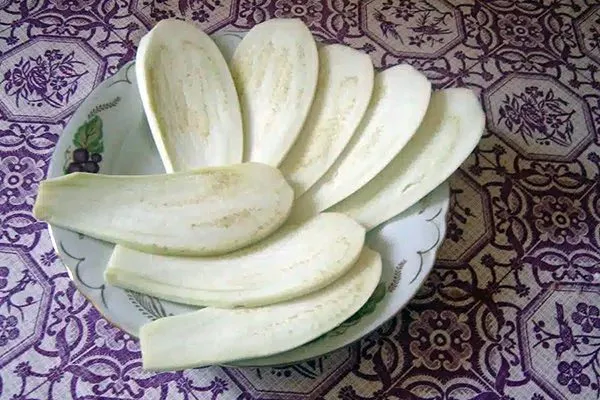
The fruits are oval-conical in shape, smooth in appearance, and have dense, delicate, white skin with a faint sheen. The flesh is white, firm, and free of bitterness. Weight ranges from 190 to 210 g, but larger specimens are also available. The diameter is 7-8 cm, and the length is 15-18 cm.
Advantages and disadvantages
Studying the varietal characteristics of a crop will help determine the feasibility of its cultivation and optimize financial resources and labor costs.
Another negative quality is the need for a garter.
Planting and growing eggplant Bibo
Growing a hybrid isn't difficult, provided you follow certain rules at all stages of care. Make sure to plant the crop correctly.
Growing seedlings
Begin the process a few months before planting, around February or March. The seeds are usually already treated by the manufacturer, but if the packaging doesn't indicate this, prepare the seed yourself.
- ✓ Check the expiration date of the seeds; the optimal shelf life is no more than 2 years.
- ✓ Make sure that the seeds are treated by the manufacturer, the absence of which requires additional preparation.
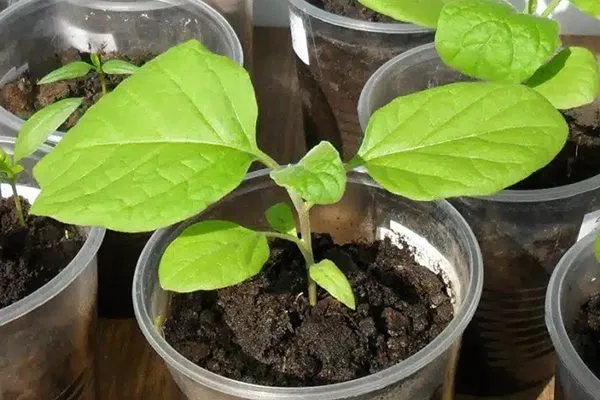
Soak the seeds in a saline solution, then remove any floating seeds and treat with a weak solution of potassium permanganate for disinfection. When planting seeds for seedlings, follow these basic rules:
- Use separate 400-450 ml containers for seedlings.
- Choose loose and nutritious soil (for example, black soil, peat with sand, soil with vermicompost).
- Maintain a temperature of +20…+25°C for successful seed germination.
- Water the seedlings with warm water.
- After the first sprouts appear, move the containers to a warm and lighted place.
Fertilize the crop when the first leaves appear.
Transfer
When transplanting to a permanent location, choose sunny areas and add mineral fertilizer to the soil. Transplant bushes with 4-5 leaves on cloudy days at temperatures between 14 and 15°C. When planting in a greenhouse, use older seedlings with 5-6 leaves.
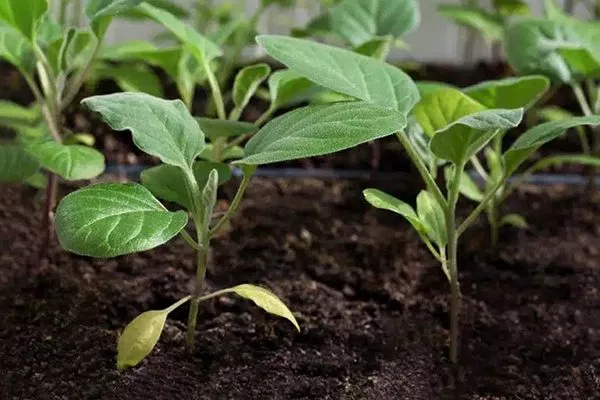
Follow the planting pattern: space rows about 65 cm apart, and plants no more than 35 cm apart. When growing under plastic covers, tie the plants to a vertical support during fruit formation. Good predecessors for Bibo include carrots, melons, legumes, dill, and lettuce.
Further care
When caring for your crop, it's important to implement a number of agricultural practices. Pay close attention to the crop, adhering to a few rules:
- How to water eggplants. Short-term droughts are acceptable during the growing season, but from the time buds appear until ripe vegetables are harvested, the soil should be consistently moist. Therefore, starting from the beginning of flowering, water the bushes 2-3 times a week. During hot periods, it's important to increase the frequency of watering.
- Fertilizing eggplants: secrets of productivity. Once the ovaries appear, tie all shoots to sturdy supports to prevent the stems from breaking under the weight of the ripe blueberries. Fertilize the crop several times throughout the season.
A few weeks after transplanting, use nitrogen fertilizers; during the flowering period, use complex mineral compositions; during the ripening period of vegetables, use a mixture of superphosphate and potassium sulfate.
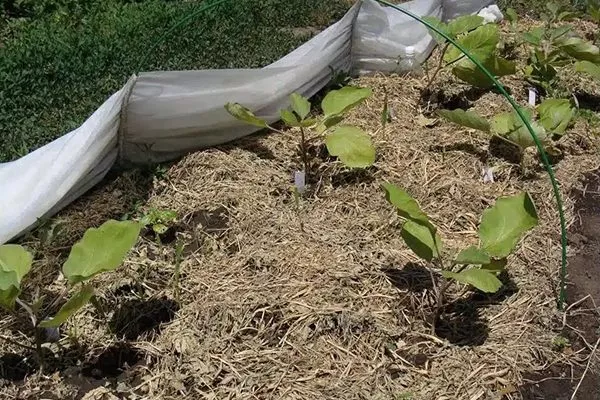
Features of cultivation and possible difficulties
In the south of the country, the crop can be successfully grown outdoors, while in other regions, it is recommended to grow it in greenhouses and hotbeds. The soil should be kept moist at all times. Water the beds twice a week to prevent crusting on the soil surface.
The basic rules include abundant watering during flowering and fruit set, loosening the soil, and treating the bushes with special preparations.
Pest and disease control
Bibo eggplants are susceptible to attacks by Colorado potato beetles, spider mites, and aphids. Pest control recommendations:
- Use insecticides that break down quickly in the soil to help reduce damage to plants.
- If slugs appear, remove them by hand. Spread a mixture of lime, ash, and tobacco dust between the beds.
- As a preventative measure, plant basil, calendula, or marigolds near the bushes—their scent repels insects.
- This variety is resistant to fusarium wilt and tobacco mosaic virus, but can be susceptible to late blight, a fungal disease that occurs when the soil is too wet. For treatment, use Bordeaux mixture, copper sulfate solution, or Antracol. After treatment, do not eat the vegetables for 10 days.
Harvesting and use of crops
Harvest in August-September. Pick fruits that have reached technical maturity, are medium in size, and have a characteristic color. During this period, the seeds remain small and the flesh has the most delicate consistency.
If the vegetables are left on the vine too long, their flesh may become bitter and tough, and the seeds may become coarse. Harvest in batches, every 10-12 days. Don't pull off the strong stem; instead, use pruning shears to cut it off 4-5 cm from the base.
Reviews from gardeners
Growing eggplants in the garden can be labor-intensive, but the Bibo hybrid makes the process much easier. The crop requires little maintenance and is resilient to adverse weather conditions, so success is guaranteed whether planted in a greenhouse or garden.